Your diesel idling habit is quietly destroying your fleet

The Idling Myth That Costs You Money
I still hear it on job sites. Operators let their engines idle for twenty minutes to warm them up. They think they're being kind to the machine. They're not.
Garland Morrison from Volvo Construction Equipment calls this a dangerous misconception. Extended low-idle operation creates soot that clogs the diesel particulate filter. At low RPMs, the system simply can't burn it off.
Here's the angle most fleet managers miss. You aren't warming the engine. You're cooking your exhaust system in a slow fire of trapped particulate matter.
Look at the numbers. Fuel wasted. Machine hours added with zero work output. Soot piling up until you need an expensive regeneration cycle just to keep moving.
Why September Is The Perfect Reset Window
We're in late September now. Days stay warm, but mornings turn cool. Rain brings mud. And the crew pace quickens as winter looms on the horizon.
Strange month, honestly. It sits between the heat of summer and the freeze of winter. Small problems become big ones fast if you ignore them now.
I view this as a fleet reset. Eight practical moves can catch issues before they break your budget. Low cost, high impact.
Fluid Condition Beats Fluid Level Every Time
Checking levels is a daily walkaround task. But a full reservoir doesn't mean healthy fluid. You have to inspect for discoloration and contamination.
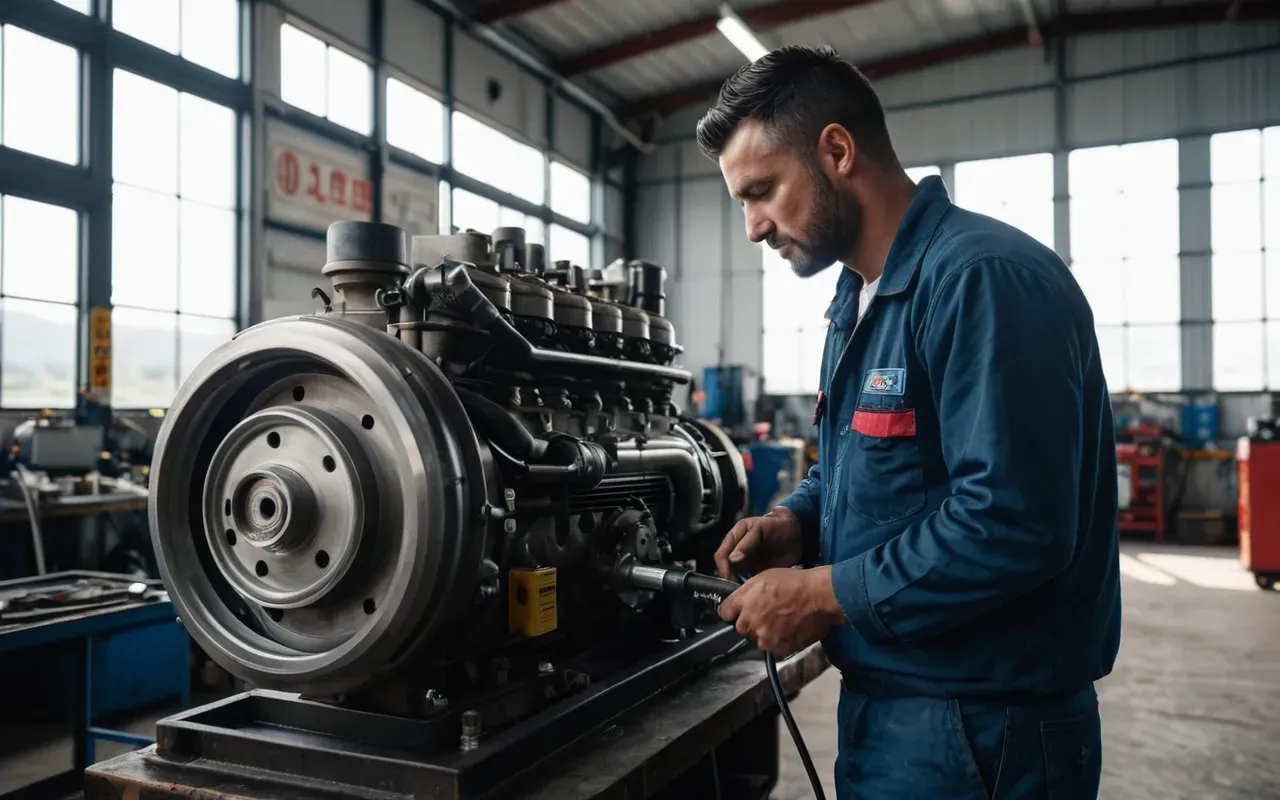
Rod Schneider from GOMACO Corp recommends sampling hydraulic reservoirs. That tests for contamination your eyes can't see.
Joseph Huling from Takeuchi adds a critical point. Use the correct fluids for expected operating conditions. Engine oil viscosity and coolant mixture matter more than you think.
If your batching plant or excavator runs in shifting temperatures, mismatched fluids cause early wear. A preventable loss that hits hard later.
Moisture Is The Silent Killer of Electrical Systems
Rain is coming. Moisture rusts components and freezes fuel lines. It creates faulty electrical wiring that fails when you need it most.
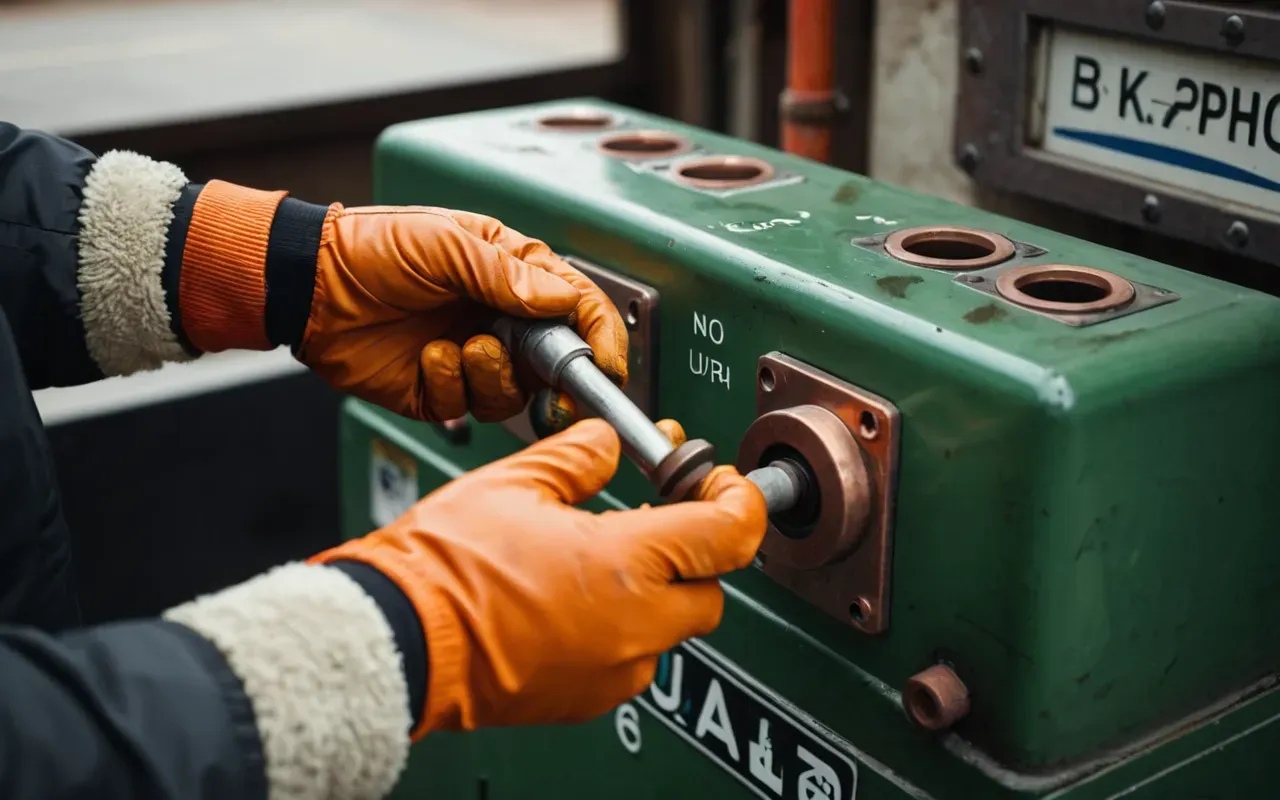
David Lombardo from JLG says battery connections must be secure and corrosion-free. Exposed electrical components need a moisture check immediately.
Apply dielectric grease to seal out water. It prevents corrosion on cannon plugs and exposed parts.
Operators must check toggle switches for damaged protective boots. Water entering a switch can freeze and make the machine inoperative.
Cleanliness Is Preventive Maintenance In Disguise
A clean machine is easier to inspect. Concrete buildup and mud accelerate wear on major components.
Schneider confirms that reducing concrete splatter lowers tear and wear. Vital for pavers and curb-and-gutter machines.
Huling advises cleaning the undercarriage after each use. Simplest way to prevent unnecessary wear and sudden downtime.
Protect Those Hydraulic Cylinder Rods
Hydraulic rods live a hard life. Dirt and concrete splatter collect on exposed chrome.
Clean exposed rods before parking. Frozen debris can damage wiper seals when you restart the machine.
Retract cylinders as much as possible. If rods remain exposed, apply a rust inhibitor or grease to stop pitting.
Outdoor storage leads to corrosion during inactivity. A little grease now saves an expensive repair later.
The Truth About Warming Up Diesel Engines
Many operators still believe in the fifteen-minute idle. Morrison says this does more harm than good.
The right approach is simple. Let the engine idle for three to five minutes until oil pressure stabilizes.
Then work the machine under light load. That generates heat and circulates fluids properly without wasting fuel.
Warmup requirements vary by machine and ambient temperature. Always check your specific manual for guidance.

Stop Storing Equipment Without A Reason
Should you start stored equipment periodically? Not necessarily. Short idling in cold weather causes more harm.
Unburned fuel and moisture condense inside the engine oil. They don't burn off during short sessions.
Keep machines properly winterized and dormant until they're ready for service. This protects the engine long term.
Turn Telematics Alerts Into Actual Work Orders
Telematics platforms are powerful. They provide service reminders and machine-health alerts that catch issues early.
Morrison says Volvo ActiveCare Direct makes the biggest difference in uptime. It catches subtle fault codes proactively.
Use these alerts to fix potential weather issues before they turn into costly downtime. Don't let data sit idle in your dashboard.
If you're managing a concrete production line, understanding common batching plant mistakes is just as critical. Small errors compound quickly in high volume operations.
We see this pattern often. Companies ignore small sensor drifts until they lose significant output. Check your calibration logs regularly.
The Hidden Cost Of Ignoring Small Maintenance Tasks
I've seen plants lose thousands because operators skipped a simple fluid check. Seems trivial until the hydraulic pump fails mid-pour.
Think about a scenario. A Texas plant lost a quarter of a million dollars in one season due to sensor drift. Not hypothetical. It happens.
If you want to understand how small errors cascade into massive losses, read about this specific Texas plant failure. It's a wake-up call for any fleet manager.
Who Wins When You Prioritize Preventive Care
Fleet managers who treat maintenance as an investment win. They avoid emergency repairs and keep production steady.
Operators who learn proper warmup habits save fuel and extend engine life. They feel the difference in machine responsiveness.
The losers are those who cut corners. They face downtime during peak season and pay premium rates for emergency parts.
Your Action Plan For This Week
Start with fluids. Check levels and inspect color. Sample the hydraulic reservoir if you haven't done so recently.
Next, inspect electrical connections. Clean battery terminals and apply dielectric grease to exposed plugs.
Clean the undercarriage and hydraulic rods. Remove mud and concrete splatter before it hardens.
Review your telematics data. Turn every alert into a work order immediately. Don't let it sit in the queue.
If you're looking to upgrade your equipment or understand the market better, check out smart strategies for buying used batching plants. Knowledge is power in this industry.
The Bottom Line For Fleet Managers Everywhere
September is your reset. Use it to fix small problems before they become expensive ones.
Stop idling for no reason. Check your fluids. Clean your machines. Use your data.
Your competitors are doing this now. Will you join them, or wait until the breakdown happens?
The choice is yours. But know that inaction costs more than action ever will.