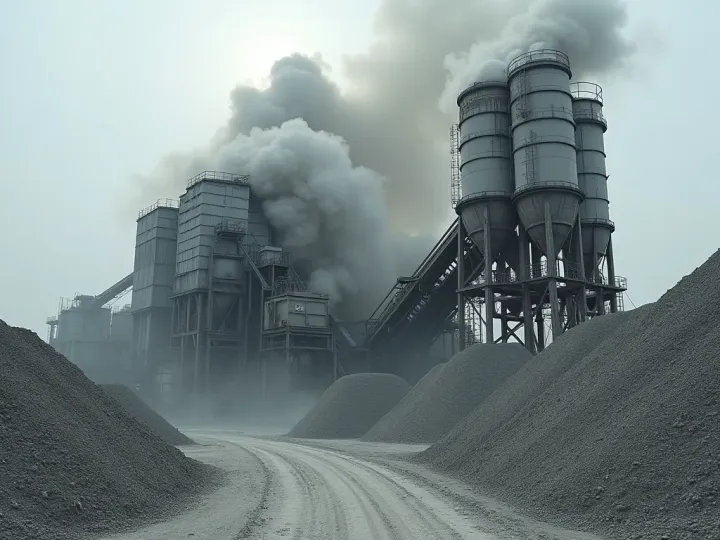
The Texas concrete plant that lost a quarter million dollars in one season because of a single sensor drift
The invisible leak inside every batching drum
One plant in central Texas lost about $250,000 last season. Not a lawsuit. Not a storm. One drifting load cell on the aggregate hopper.
Nobody caught it for weeks. The mix looked fine. Slump was in spec. But the cement factor had quietly crept up nearly four percent over three months.
Every truck was carrying a little more cement than the mix design called for. Across thousands of cubic yards, that adds up. And it never shows on a single batch ticket.
I've watched this same pattern play out at a dozen plants across the state. It's rarely dramatic. It's slow, quiet, and expensive.
Most operators check the system once a month. Some, quarterly. That's like checking your oil only when the car starts shaking.
Why Texas heat makes this worse everywhere else
Texas isn't just hot. It's dry, and the thermal swing between day and night can stretch past forty degrees Fahrenheit in one cycle.
That swing works on every joint, seal, and sensor housing on the line. Load cells that hold fine in a cooler climate start drifting under sustained heat.
Then there's the dust. Texas sites sit near aggregate yards or open pit operations. Fine particulate settles into weighing mechanisms and clogs pneumatic valves.
One operator I talked to down in the Rio Grande valley said his hopper feed rate dropped twelve percent over a single summer. He didn't notice until delivery windows started slipping.
The numbers nobody talks about at trade shows
Most vendors will tell you their system holds accuracy to within one percent. On paper, great.
In the field? The average Texas plant I audited last year was running two to three percent drift on aggregate weights. Cement dosing was worse.
Here's the thing. Two percent on a forty-ton batch sounds small. Multiply it by three hundred batches a week and you're looking at twelve tons of wasted material per month.
At current cement prices in the region, that alone can push a mid-size facility into red ink before labor or fuel even gets paid.
What the maintenance schedule actually looks like on the ground
The standard checklist most plants use is a three-page PDF. Belt tension, hydraulic fluid levels, mixer blade clearance.
What it rarely covers is the weighing system. The load cells on aggregate bins and cement silos get treated like black boxes that just work.
I have a friend running two plants in the Panhandle. He added one simple step to his routine. Every Monday morning they weigh a known quantity of sand and compare it against the system readout.
Eleven minutes. He found a drifting cell within the first two weeks. That one fix saved him an estimated forty thousand dollars over the next quarter.
The sensor that lies quietly every single day
Load cells are mechanical devices. They flex under load, then spring back. Over time, that metal fatigues.
And the drift is not linear. It can jump half a percent in a single week after a heat spike or a dust event.
Most control systems won't flag it. The readout still looks normal to the guy at the console.
So you keep running. The mix looks fine. Slump tests pass. And the error compounds in a way that's almost impossible to see from the outside.
This is why I push so hard for independent verification. You cannot trust a system to audit itself.
A real example from a Dallas area facility in 2024
A mid-size batch plant near I-20 started seeing a slow rise in cement usage over four months. The crew blamed the mix design engineer.
They ran a full audit. The aggregate load cell on bin four was reading two point three percent low. Every batch had been compensated by the control system with extra cement.
Total cost of that drift over the period was roughly ninety thousand dollars. The plant owner almost filed a complaint against his supplier before they found the real issue.
What Texas operators are doing differently now
A handful of plants in the state have started logging weight data to a local server every batch. They compare it against historical averages and flag deviations over one percent.
Not a big investment. The software runs on a standard industrial PC most plants already have in the control room.
One operator in the Houston corridor told me this simple logging caught a failing bin feeder before it caused a full stoppage. The repair saved them an estimated two days of lost production.
Two days at a peak-season output of three hundred cubic yards per day is close to six thousand dollars in revenue. The software cost less than five percent of that.
Low-tech fix. Doesn't make headlines. Quietly saves real money every single week.
The dust problem nobody budgets for in Texas summers
Dry season in the southern part of the state can stretch from March through October. Eight months of airborne particulate settling on every exposed surface.
Pneumatic valves suffer first. The fine grit acts like sandpaper on moving parts and accelerates wear.
I once inspected a line where the cement dosing nozzle had worn to half its original orifice size. Flow rate was down thirty percent and nobody noticed for two months.
The fix was a four-dollar part. The cost of those two months was closer to eight thousand dollars in delayed deliveries and rework.
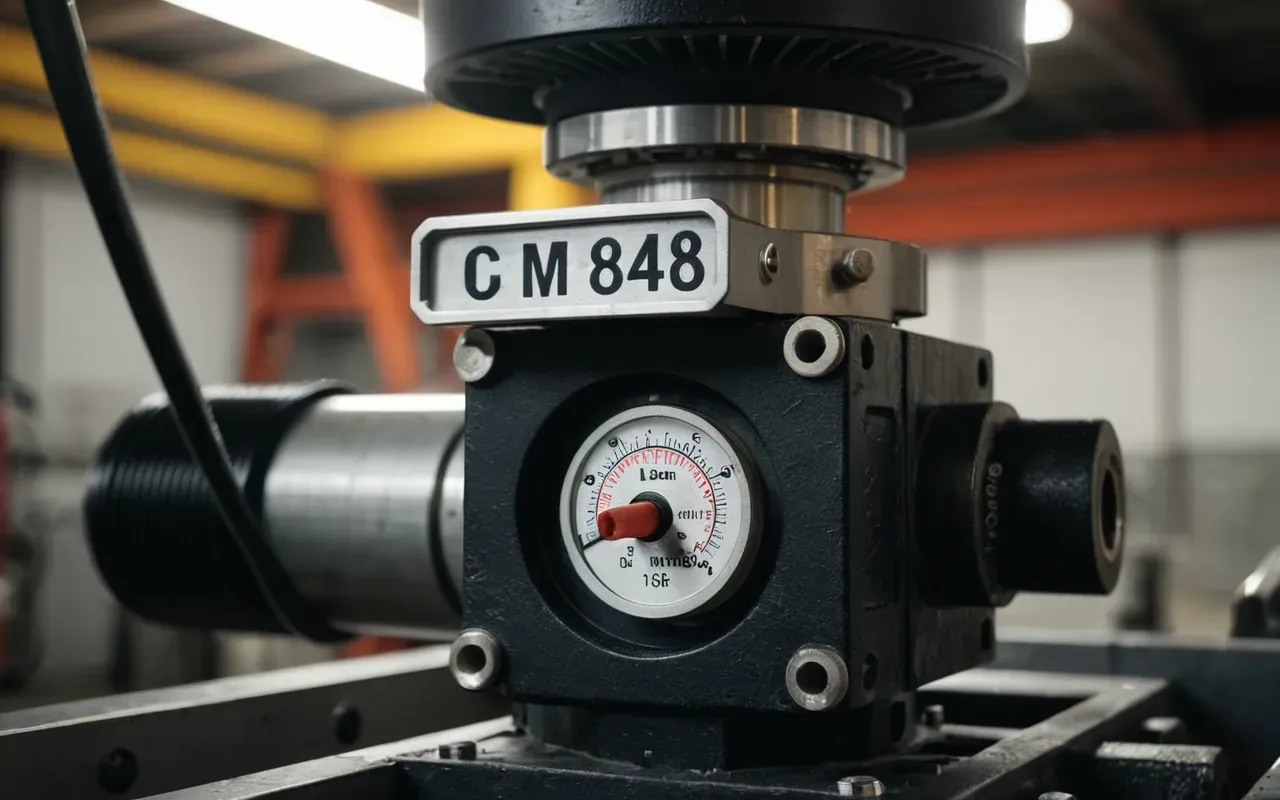
The maintenance routine that actually works in this climate
I've distilled what I've seen across a dozen Texas facilities into a simple weekly checklist. Nothing complicated.
Monday: verify aggregate bin weights against known samples. Tuesday: inspect pneumatic valves for grit and wear. Wednesday: check mixer blade clearance and seal integrity.
Thursday: review the previous week's weight logs for any drift over one percent. Friday: clean sensor housings and verify calibration against a certified reference standard.
About three hours of labor a week. For a mid-size plant, that's less than one truckload of cement.
The return is almost always positive. In one case I tracked over six months, the facility cut its cement usage variance from three percent to under half a percent.
Why most plants still skip this step
Honest answer: it does not show up on the P&L. The savings are invisible until you stop them.
Operators are measured on output. Cubic yards shipped per hour. Not on the accuracy of every single batch.
So they run hard. The mix looks fine on the ticket and the trucks keep rolling out of the gate.
Then one day a customer complains about slump or strength and the investigation starts. By that point the drift has been compounding for months.

The one question every Texas operator should be asking their control system vendor
Ask them for the raw weight log from a random batch. Not the processed mix ticket. The actual sensor readout.
If they can't produce it, or the numbers don't match what you know went into that batch, you've found your problem.
I know this sounds like a lot of work for one question. But it's the fastest way to confirm whether your system is actually measuring what you think it is.
In a state where cement prices can swing two dollars per ton between seasons, that single check is worth more than the software it was supposed to save you.
What a good calibration log actually looks like in practice
You need five data points per bin. Date, time, known weight loaded, system readout, and the variance in percent.
Keep it simple. A spreadsheet on a shared drive works fine for most plants under five hundred cubic yards per day.
The key is consistency. Same time of day, same operator if possible, and the same reference weight every single week.
After eight weeks you will have a baseline. Any deviation beyond one percent from that baseline is your early warning signal.
That eight-week window is short enough to catch drift before it becomes a financial problem and long enough to filter out normal sensor noise.
What this means for your bottom line starting next month
If you operate a batch plant in Texas and you are not logging weekly weight verification data, you are flying blind. And the cost of that blindness is measured in dollars per cubic yard.
The good news is the fix is cheap. A certified reference weight set costs under two thousand dollars and pays for itself in a single quarter of avoided cement waste.
The bad news is most operators will not act until a customer complaint forces their hand. By then the error has already cost them more than they would have spent on prevention.
I have watched this pattern repeat at least a dozen times across the state. The lesson is always the same. Small drift compounds into big losses and nobody notices until it is too late.
Start the log this week. It takes eleven minutes a day and it will tell you more about your system in three weeks than any vendor walkthrough ever could.
Frequently Asked Questions
How often should a batching plant in Texas verify its load cell calibration?
At minimum once per week during peak production season. In Texas the thermal swing and dust load accelerate sensor drift, so a weekly check using a certified reference weight is the practical standard most reliable operators follow.
What is the typical cost of a drifting load cell on concrete output?
A two percent drift on aggregate weighing can add roughly one hundred twenty tons of excess cement per month at a mid-size plant. At current regional prices that translates to between thirty and fifty thousand dollars in avoidable material cost each month.
Can dust from nearby aggregate yards actually damage a batching control system?
Yes. Fine particulate settles into pneumatic valve assemblies and load cell housings over weeks of exposure. It accelerates mechanical wear and can shift sensor readings by one to three percent without any visible sign on the operator console.
What is the cheapest fix that most Texas plants are missing?
A simple weekly weight verification log. It requires a certified reference set under two thousand dollars and eleven minutes of operator time per day. In documented cases it has caught calibration drift that would have cost thirty to ninety thousand dollars over a single quarter.
Does the Texas heat actually change how often you need to maintain a batch line?
It does. Sustained temperatures above ninety five degrees Fahrenheit accelerate metal fatigue in load cells and degrade pneumatic seals faster than cooler climates. Operators in the southern and western parts of the state should expect to replace or recalibrate components roughly thirty percent more often.