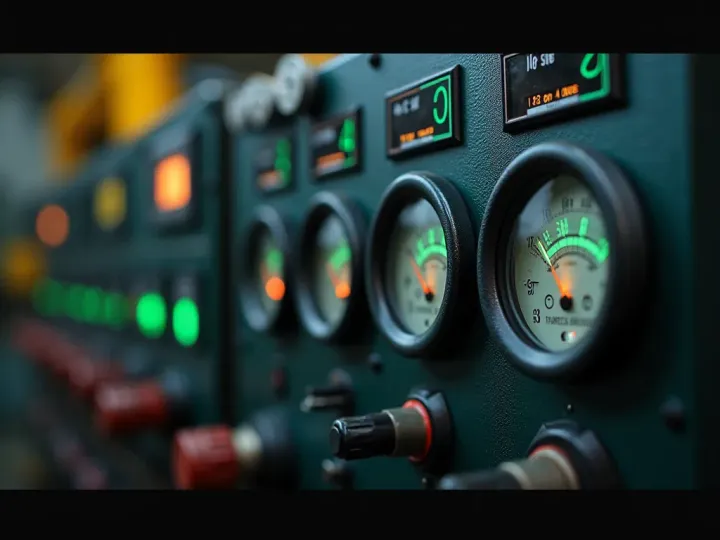
Buying Used Concrete Batching Plants The Smart Way
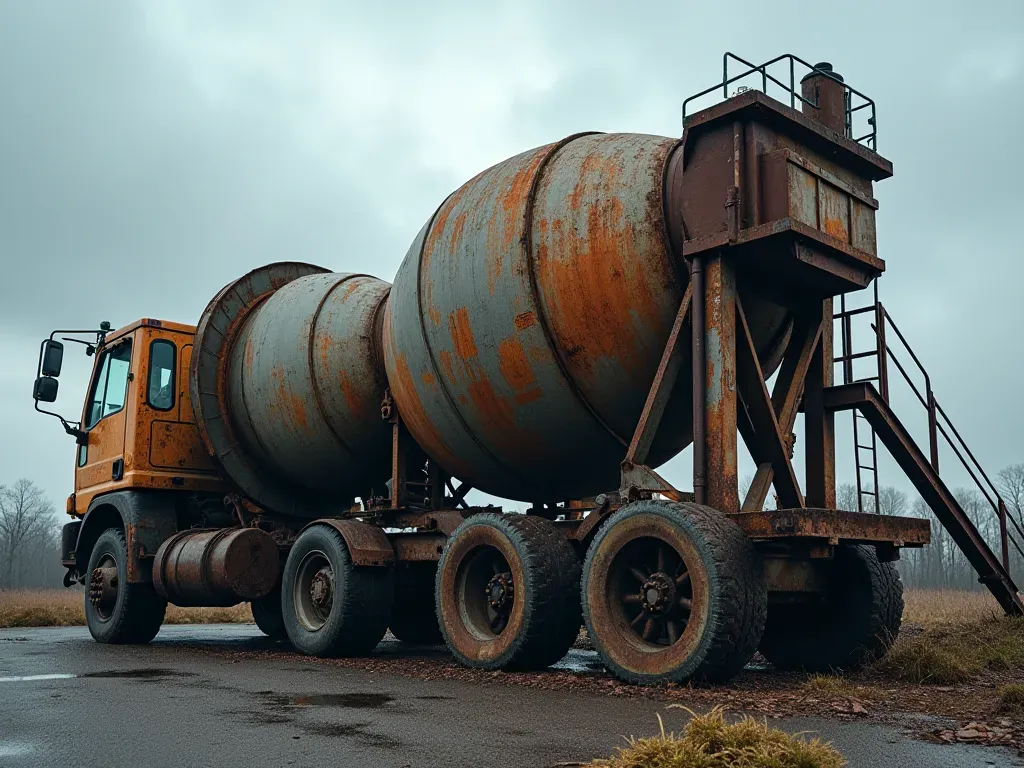
The Hidden Cost of Buying New Concrete Plants
I spent twelve years managing plant operations. Twelve years of watching clients buy shiny new machines while ignoring the numbers that actually matter. The truth is uncomfortable but simple: most people overpay for concrete batching plants because they focus on stickers, not output.
New equipment looks impressive. Clean paint. A warranty that feels like a safety net. But here is the thing: depreciation hits hardest in year one. You lose twenty to thirty percent of value immediately, just by owning it.
I have seen plants that were three years old and still producing perfect concrete. They had better calibration than many new units I inspected last month. The problem is not age. It is neglect.
So why do buyers still default to new? Fear of the unknown. They think used means broken. That is a myth that costs millions in lost savings every year.
Why Calibration Drift Is The Real Enemy
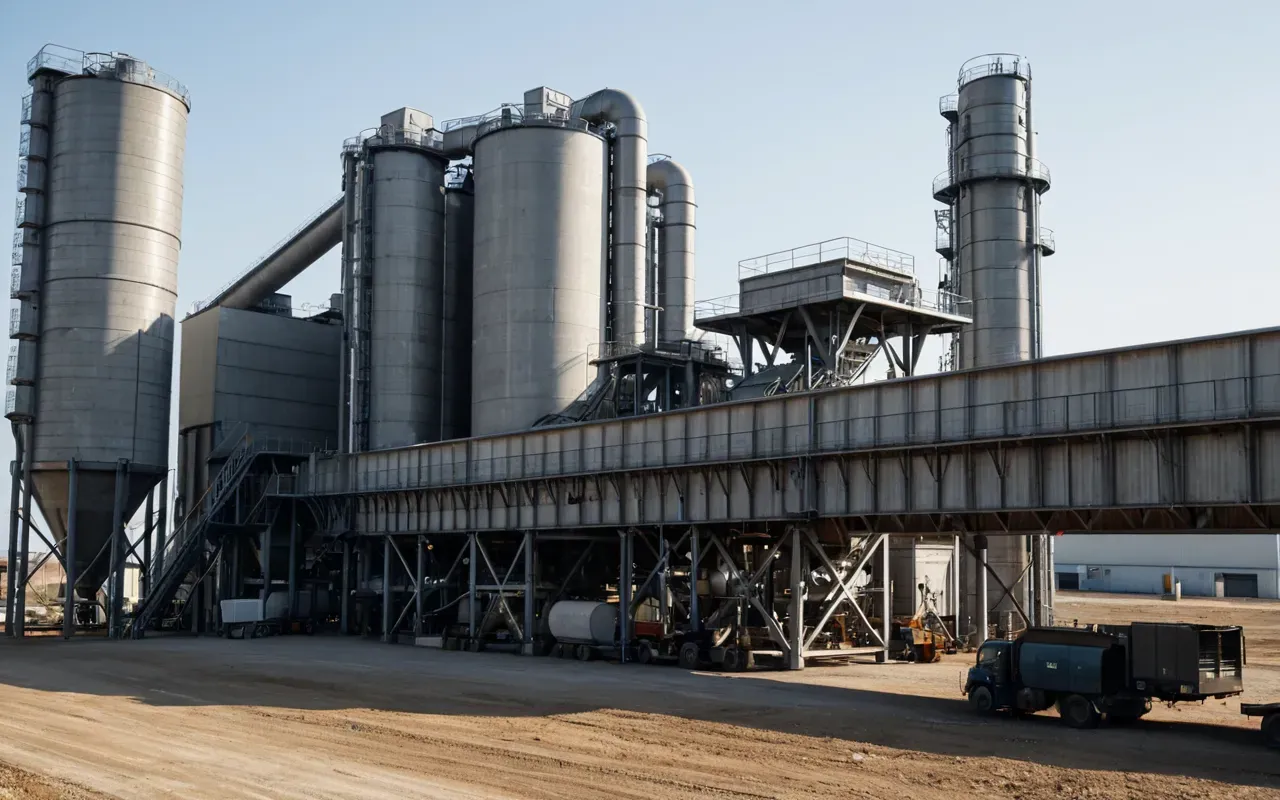
Let me be blunt. If you are buying a plant for sale today and do not check the calibration logs, you are gambling with your margin.
Sensors drift. It happens to every electronic system on earth. But in concrete production, a two percent error means you are either dumping too much cement (wasting money) or not enough (risking structural failure). Both options are expensive.
I once audited a five-year-old plant that had been running perfectly. The owner kept a binder of daily check sheets. Every load was verified against the batch ticket. That machine was worth more than a new one with zero history.
If you are curious about how this silent failure mode eats into your profits, take a look at how calibration drift bleeds money from plants. It is not just theory; it is real cash lost to the ground.
Spotting Fake Maintenance Records
Some sellers present neat binders. But I have seen photos of sheets where the ink is still wet. Or stamps that match no known vendor list.
Ask for the service provider’s invoice. Call them. If they have never serviced that unit, walk away. No amount of clean paint matters if the internals are seized.
The True Price Tag Beyond The Sticker
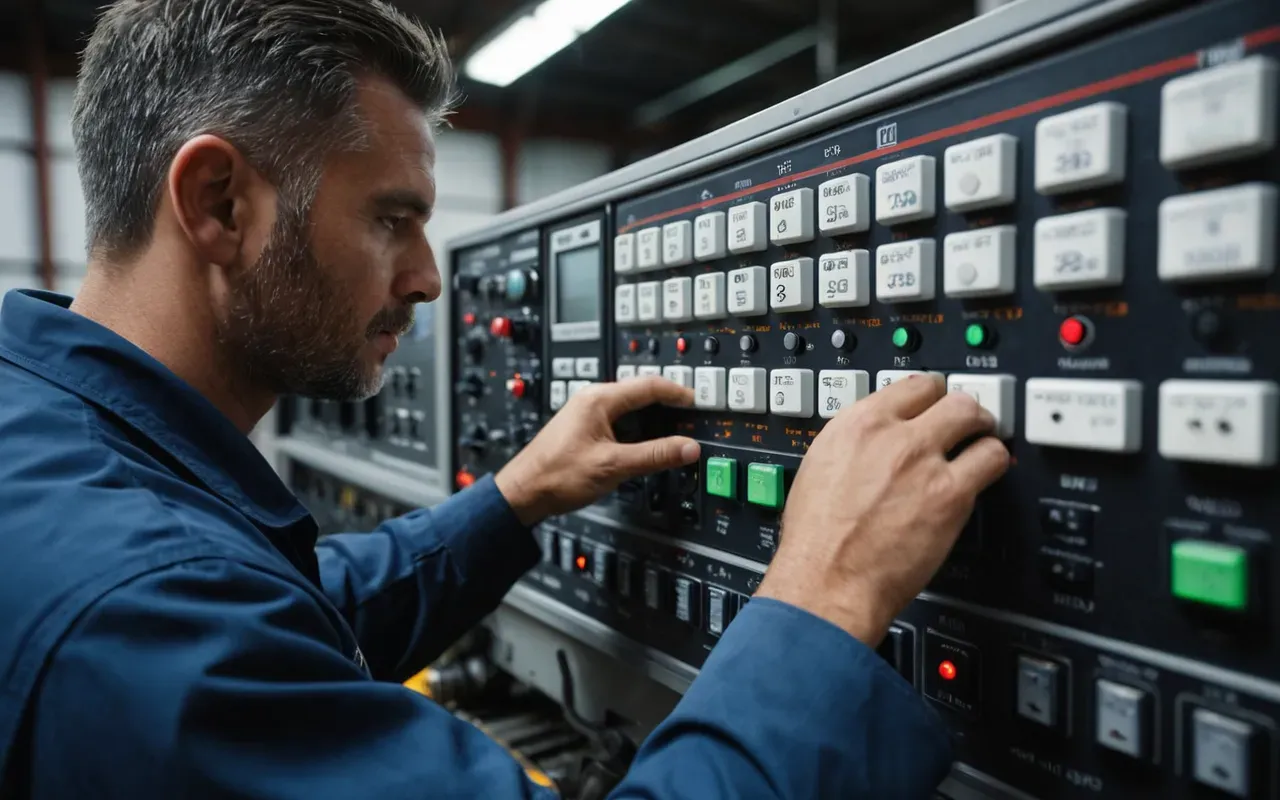
When you see a listing for concrete batching plants for sale, the number looks final. It is not.
You need to factor in transport. These machines are heavy. Shipping a large stationary plant can cost thousands depending on distance and road restrictions.
Then there is installation. Concrete foundations take time to cure. You cannot just bolt it down and start mixing on day one.
I recently helped a client buy a used unit for forty percent less than new. But the total landed price was only fifteen percent lower once we added shipping and foundation work.
Do the math before you get excited. A cheap plant that requires major repairs upon arrival is not a bargain.
Calculating Daily Operating Expenses
Look at the power draw. Older models often consume more electricity per cubic meter of concrete produced.
If you run a plant in a high-cost energy region, this matters more than the purchase price. Check the kilowatt-hour rating.
Negotiating Like An Insider In The Current Market
The market for concrete batching plants is shifting. Interest rates have stabilized, but supply chains remain tight.
Sellers know they can hold out. But if you are prepared to inspect thoroughly and move fast on a good unit, you have leverage.
I always negotiate based on defects I can prove. Not opinions. If the dust collector fan is worn, show them the measurement data.
If you want to see how others are handling these complex deals in specific regions, check out why local concrete plants often fail delivery deadlines. It gives context on what reliability actually looks like.
When To Walk Away Completely
If the seller refuses a third-party inspection, do not buy.
This is non-negotiable. A legitimate seller wants the machine sold to a competent operator who will use it properly.
Also watch for pressure tactics. 'Three other buyers are coming tomorrow.' If they cannot wait two days for your inspector, walk away.
Maintenance Secrets That Extend Plant Life
Buying the plant is only half the battle. Keeping it running efficiently requires discipline.
I have found that the biggest killer of mixing systems is water. Not just in the mix, but moisture getting into electrical cabinets.
Check your seals. Replace gaskets before they fail. A ten-dollar part can save a thousand dollars in board repair.
Clean the hoppers daily. Residual concrete hardens and creates blockages that ruin throughput.
If you are interested in how small operational habits affect long-term costs, read about the hidden output loss hiding in hopper feeds. It is a subtle but significant issue.
The Lubrication Schedule That Matters Most
Grease the augers. Yes, even if they look dry.
I have seen plants where the augers were stripped because operators skipped this step. It is tedious but essential.
Set a reminder on your phone if you have to. Do not rely on memory.
Technology Trends Changing How We Buy Plants
The industry is changing. Data collection is no longer optional.
Modern plants send telemetry to the cloud. You can see production rates in real time from your phone.
When buying used, ask if the digital interface works. If it is locked or outdated, you lose that advantage.
I have seen buyers ignore this. Then they try to integrate the plant into a smart fleet system and realize it is incompatible.
If you are curious about how automation is reshaping this sector, look at how AI is changing equipment buying decisions. It is not just hype; it is operational reality.
Is Automation Worth The Premium Price?
For high-volume operations, yes.
If you are producing less than fifty cubic meters a day, manual control might be sufficient and cheaper to maintain.
Calculate the labor savings. If it takes three years to break even on automation, is that acceptable for your cash flow?
Frequently Asked Questions
What is the average lifespan of a concrete batching plant?
With proper maintenance, most plants last fifteen to twenty years. The electronic components may need replacement earlier, but the structural steel often outlasts the electronics if stored correctly.
How much does it cost to transport a used plant?
Costs vary widely based on distance and size. For local moves within fifty miles, expect two to five thousand dollars for specialized heavy haulage vehicles required by law.
Can I use a plant bought from another country?
Yes, but check voltage compatibility and software language settings. Electrical modifications can be expensive if the local grid differs from the manufacturer's standard output.
Which brand holds its value best?
Major global brands with strong service networks typically retain more value. Smaller local manufacturers may be cheaper initially but have lower resale demand in secondary markets.
What should I check first when inspecting a used unit?
Check the hopper seals and calibration sensors first. These are common failure points that indicate how carefully previous owners maintained the system.