The silent financial trap in heavy equipment loans that most contractors ignore until it is too late
The Hidden Cost of Heavy Equipment Loans That Most Contractors Ignore Until It Is Too Late
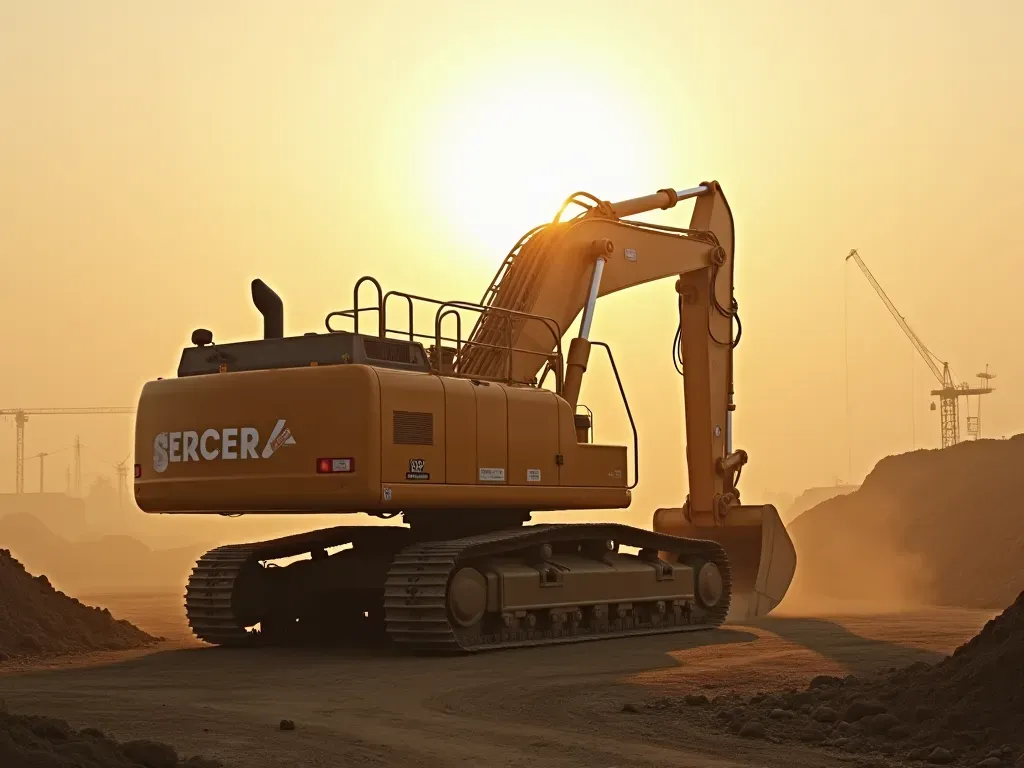
A heavy excavator looks like a simple purchase. Sign the papers, drive it off the lot, start earning on your first project. That's where most contractors stop thinking about finance.
But the real story starts after the handshake. The loan term, the interest rate, the maintenance schedule — they all shape your bottom line for years.
I've seen too many operators treat a loan like a one-time event. They don't realize the true cost of ownership is hiding in small monthly payments and skipped service intervals.
Here's the thing. The loan isn't just a number on your bank statement. It's a living cost that interacts with every machine hour you run.
Why Your Monthly Payment Is Lying to You About the Real Expense
A standard loan spreads a $, purchase over six years. The monthly amount feels manageable against your revenue.
But that payment excludes the fuel, the tires, and the hydraulic repairs you'll face in year three. Those aren't optional line items.
When a diesel engine idles for hours in cold weather, it builds carbon deposits. Those deposits reduce efficiency and increase fuel burn by up to twelve percent.
If you want to understand how this happens, check out why idling destroys your engine. It's a quiet killer of profit.
The Maintenance Gap That Turns Profitable Machines Into Money Pits
Most operators skip the small service tasks because they're cheap. A filter change costs fifty dollars.
Ignore it, though, and the pump fails later. Now the repair costs $, and the machine sits idle for a week.
That's not just an expense. It's lost revenue from the projects you could have completed during that week.
The true cost of ignoring maintenance is often twenty times the price of the part you skipped.
How SBA Loans Change the Math for Smaller Construction Firms
For many small firms, a bank loan is out of reach. The credit score requirements are too high.
An SBA loan offers terms up to twenty-five years. That stretches the payment thin enough for a new business to survive.
But there's a catch. The documentation process can take six weeks. Plan ahead or you miss the project deadline.
I always tell operators: if you need money in ten days, don't start with an SBA application. Wrong tool for that job.
The Hidden Fees That Creep Into Your Total Cost of Borrowing
Origination fees are standard. They range from one to three percent of the loan amount.
On a $, loan, that's up to $, you pay before the machine even hits your site.
Then there are processing fees and legal review costs. Add them up and the sticker price is no longer what you see in the ad.
Why Used Equipment Often Beats New Ones for Cash Flow
A three-year-old excavator loses half its value in the first two years. You're not paying for that depreciation.
The loan amount is lower. The monthly payment is smaller. And the machine still has ten years of life left.
If you're looking at options, review five machines that pay off fast. The data is surprising.
The Operator Behavior That Quietly Burns Through Your Fuel Budget
Operators often rev the engine to warm it up faster. They think they're saving time.
But high RPMs at low temperature wear the piston rings. That leads to oil consumption and smoke later in the day.
I've watched a single bad habit cost one crew $, in oil and filters over a month.
Training is cheap. Replacing parts is not. Make sure your team knows the difference.
What Smart Financing Looks Like When You Actually Track Every Dollar
Start with a spreadsheet. List every machine, its loan balance, and its monthly fuel cost.
Add the maintenance schedule. Assign a date to every filter change and fluid check.
Now compare that total against your project bids. If the machine doesn't cover its own cost in six months, you have a problem.
This isn't theory. It's the only way to know if your loan structure works for your business.
The Future of Equipment Financing Is Already Here and Most Firms Miss It
New lenders are offering usage-based pricing. You pay per hour of operation instead of a flat monthly fee.
That model aligns cost with revenue. When the machine sits idle, you pay less.
But it requires accurate tracking. If your hours are wrong, the bill is wrong.
I believe this model will become standard within five years. The firms that adapt now will have a lower cost of capital than their competitors.
Final Thoughts on Making Your Heavy Equipment Work for You and Not Against You
The loan is only the beginning. The real test is how you manage the machine for the next five years.
Track your costs. Maintain your schedule. And never let a small skipped service turn into a six-figure repair.
Your profit margin is hiding in those details. Find it and keep it.