The National Survey That Proved Your Concrete Plant Is Operating Blind
The Survey That Changed How We See Concrete
Most operators think they know their mix. The data says otherwise.
I was struck by the sheer volume of questions in that appendix. Not a formality — an interrogation.
The National Academies released this in . Yet the gaps they identified are still bleeding money today.
Why State Practices Vary So Drastically
Look at Chapter Three of the report. It maps out how different regions handle specifications.
One state allows a tolerance of two percent. Another demands one-tenth of one.
Run a plant near a border and this inconsistency becomes your nightmare. And your margin killer.
We keep seeing operators tweak their hoppers to match local quirks. It is a losing battle.
The Hidden Cost of Standardized Specimens
The report highlights a disconnect between lab results and field reality.
A cylinder tested in a climate-controlled room behaves differently on a hot highway.
This is where your calibration drift starts to eat into profits. And it does so silently.
How Sensitivity Errors Inflate Waste Rates
I recall a plant in Texas that lost $, in one season. One bad sensor caused it.
The National Academies survey asked states how they handle such failures. The answers were sparse.
Most rely on manual overrides. That is a human error waiting to happen. And it always does.
If you are ignoring your maintenance schedule, this survey is a warning shot.
What the Questionnaire Really Asks
Appendix A is not just a list of questions. It is a map of industry anxiety.
Question twelve asks about aggregate sourcing stability. That is a red flag for supply chains.
Question thirty-one probes into digital logging capabilities. If you are not logging digitally, you are falling behind.
The gap between analog habits and digital demands is widening. And it is painful.
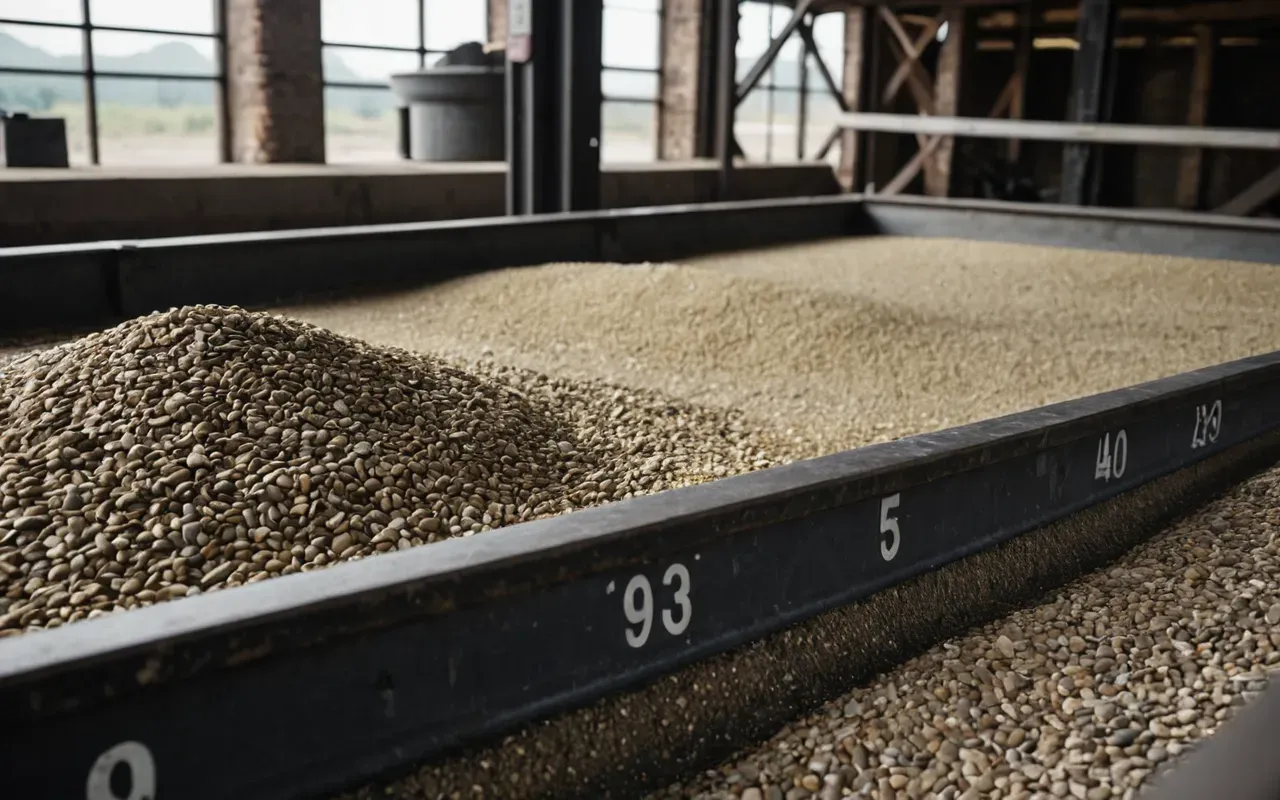
The Digital Gap in State Reporting
Many states still require paper logs. This creates a massive data blind spot.
You cannot analyze what you cannot see. And paper does not show trends.
I have seen operators spend hours transcribing data. That is time lost from production.
The Future of Transportation Concrete
The report is old, but the principles are timeless. Accuracy beats volume.
Sustainability is no longer optional. It is a regulatory requirement in most regions.
If your plant cannot track carbon output per batch, you are at risk. And that is a huge liability.
The survey hints at this future. It asks about waste reduction metrics.
Adapting to New Environmental Standards
Regulators are watching. They want proof of efficiency.
Your batching plant is a data generator now. Treat it like one.
If you ignore the software, you ignore the truth. And the truth is expensive.
Consider how your operator trust levels affect final quality control.
Actionable Steps for Plant Owners
Start with an audit. Check every sensor against a manual test.
Then review your state’s specific provisions. They are in Appendix C of the report.
Finally, train your team on digital logging. It is not optional anymore.
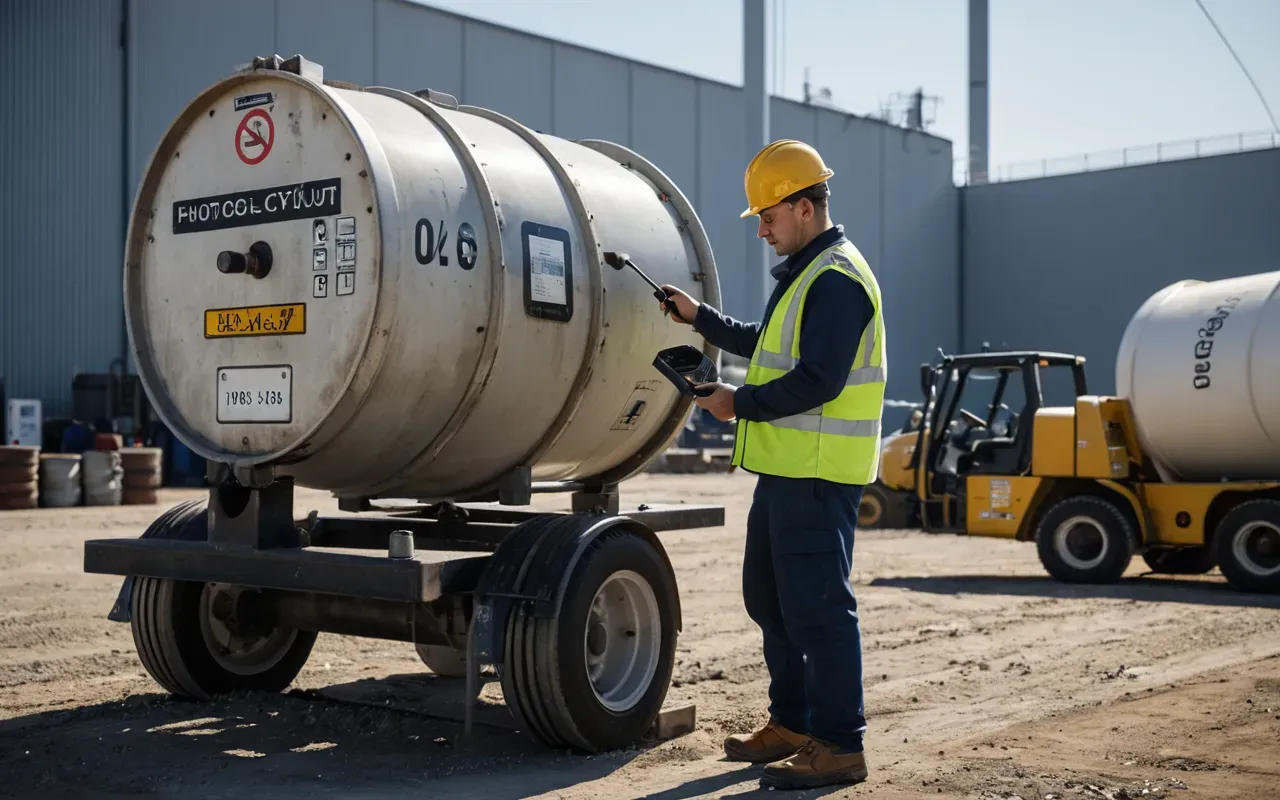
Building a Resilient Production Workflow
Resilience means having backups. Digital and physical.
If the software fails, you need a manual plan that is just as accurate.
This dual approach saves jobs. And it keeps the concrete strong.