The 20-year-old concrete plant in Illinois that is quietly outperforming new units
The Unlikely Champion of the Midwest Yard
Most buyers assume new means better. Wrong. Especially with concrete plants.
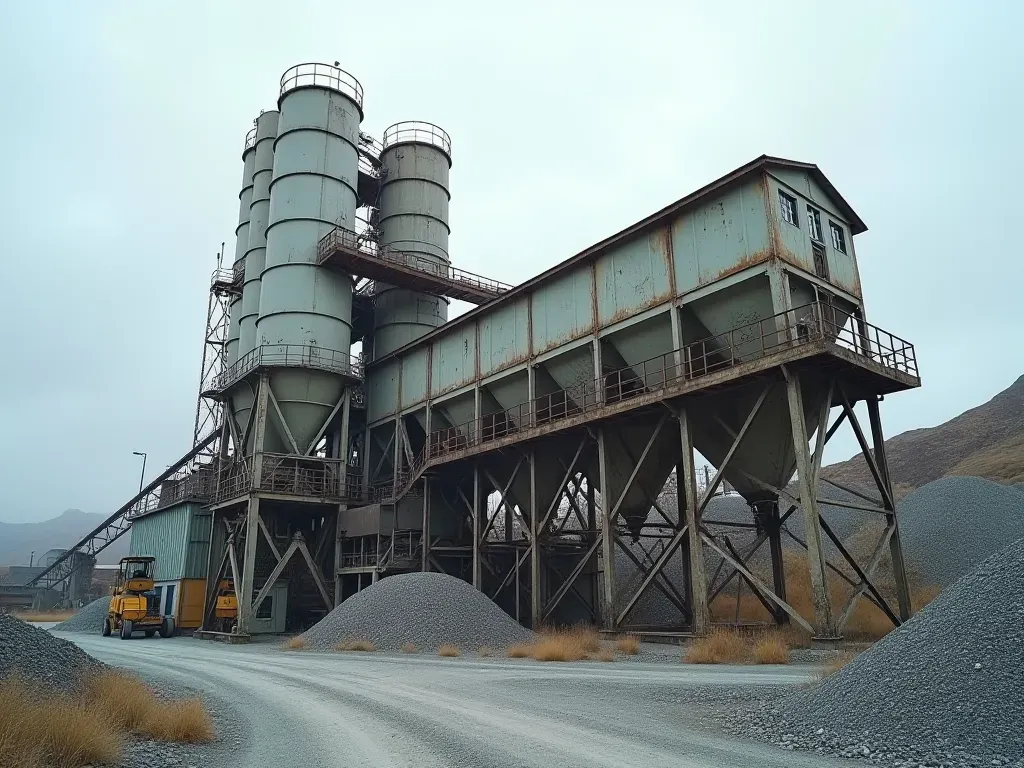
Last week I went through a specific listing in East St. Louis. A Con-E-Co SLP .
On paper? Sounds old. The specs say otherwise.
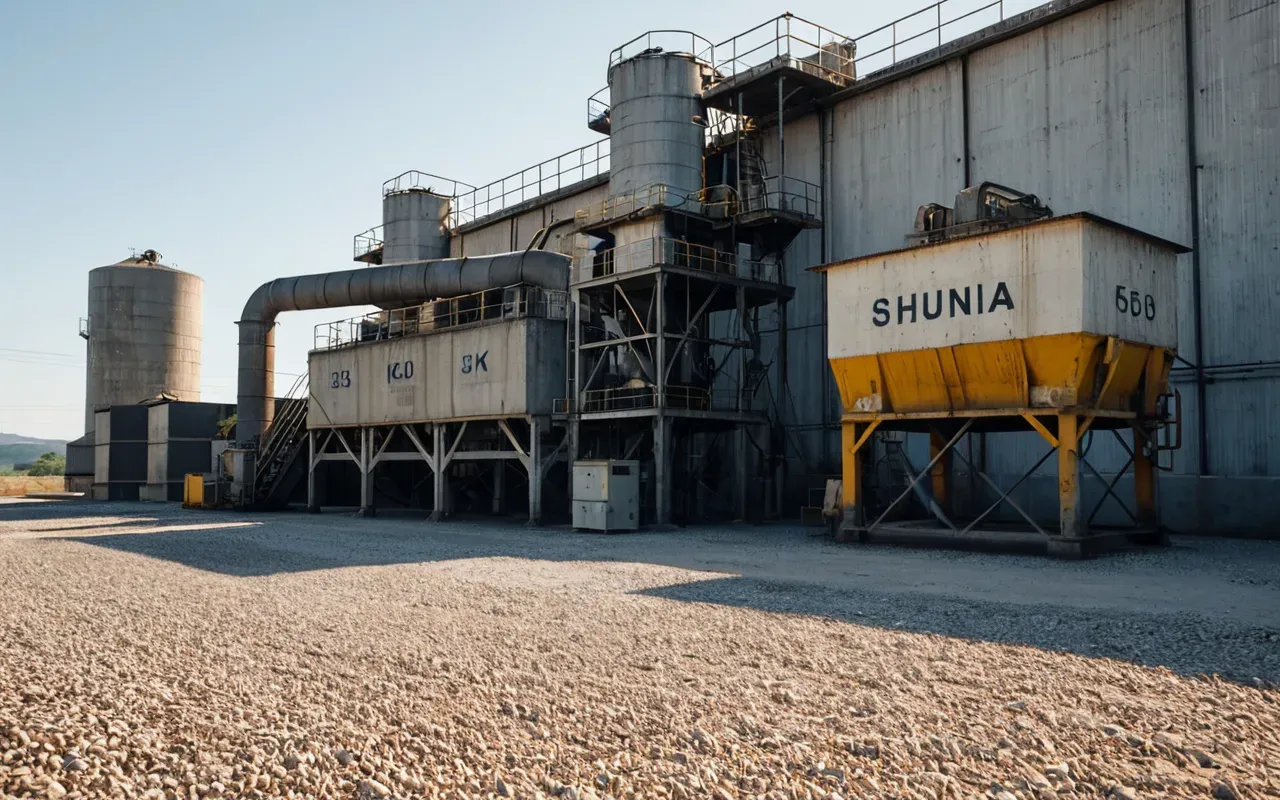
This isn't a scrap heap. It's a workhorse with two decades of production behind it.
Why the SLP Still Holds Its Value
The SLP series had one job. Handle high-volume ready-mix with precision.
And the batching control system — that's the real gem. Twenty years of slow, steady evolution.
Modern software is flashy. But the underlying logic for proportioning cement and aggregate hasn't changed.
The Mechanics of Consistency
You need reliable material flow. The SLP delivers it through mechanical simplicity.
Fewer electronic failure points. That's a huge plus for uptime.
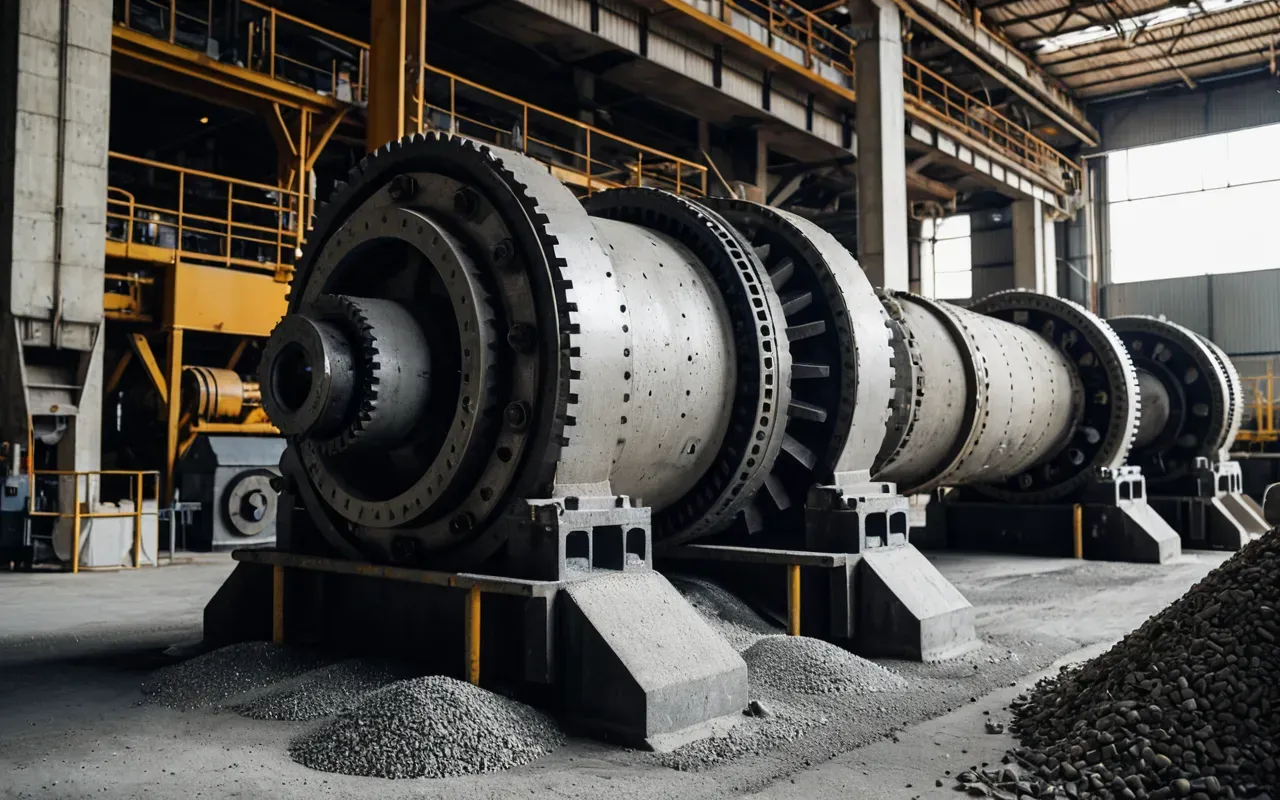
I've watched newer plants go down over a single sensor drift. This old unit leans on proven hardware.
The Hidden Economics of Used Heavy Equipment
Buying new carries a massive premium. You're paying for the brand name and the showroom finish.
A used Con-E-Co plant keeps that capital in your operating account.
Think about cash flow. You're not tying up half your budget in one machine.
Resale Value and Market Trends
The used batching plant market is surprisingly stable. Demand stays high.
Midwest contractors are always hunting for reliable capacity. This unit fits that need perfectly.
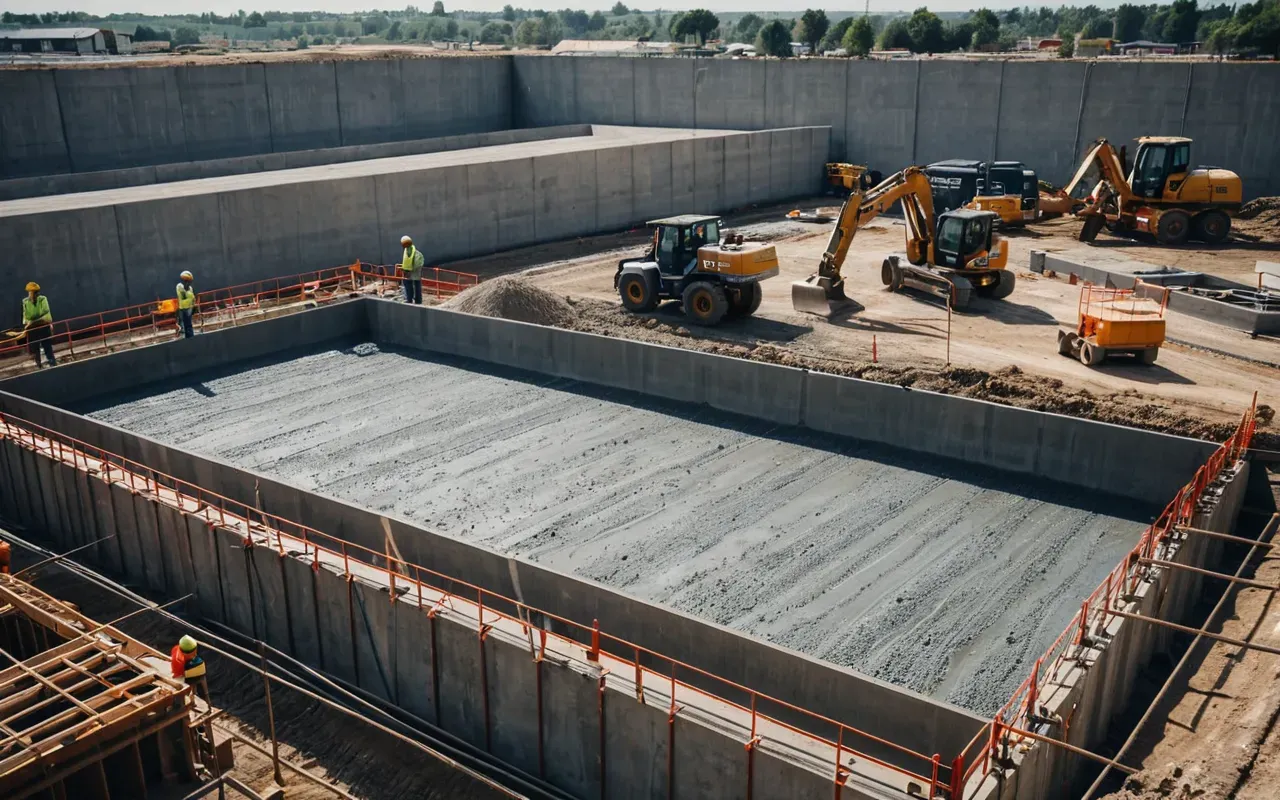
Sell it in five years and it'll still hold value. A new plant depreciates faster.
Maintenance Is the Real Cost Saver
People fear old machines. Breakdowns, expensive repairs, all of it.
But the Con-E-Co parts ecosystem is mature. Components aren't hard to find.
A skilled technician knows this model cold. The knowledge base runs deep.
Avoiding the Calibration Trap
Modern plants suffer from calibration drift. Silent killer of profit margins.
You might think newer sensors solve that. Often they create more problems than they fix.
I've read about plants losing thousands to simple sensor errors. The old mechanical approach sidesteps that.
The Strategic Move for Growing Contractors
Expansion is risky. Used equipment lowers the barrier to entry.
Add capacity now without waiting on a new loan approval. That agility matters.

The Con-E-Co SLP in East St. Louis is a prime example of this strategy.
It gives you the capacity you need today. And it keeps your finances flexible for tomorrow.
What the Market Is Really Saying
Sellers know reliable used plants hold their value. Buyers agree.
The gap between cheap and smart equipment is narrowing. But the old guard still wins on reliability.
If you're looking at the Con-E-Co listing right now, don't dismiss it over the year.
Check the maintenance records. Check the batching accuracy. If those are solid, you've got a winner.