Why Your Used Excavator Is Cheaper Than Ever While New Ones Sell Out Fast
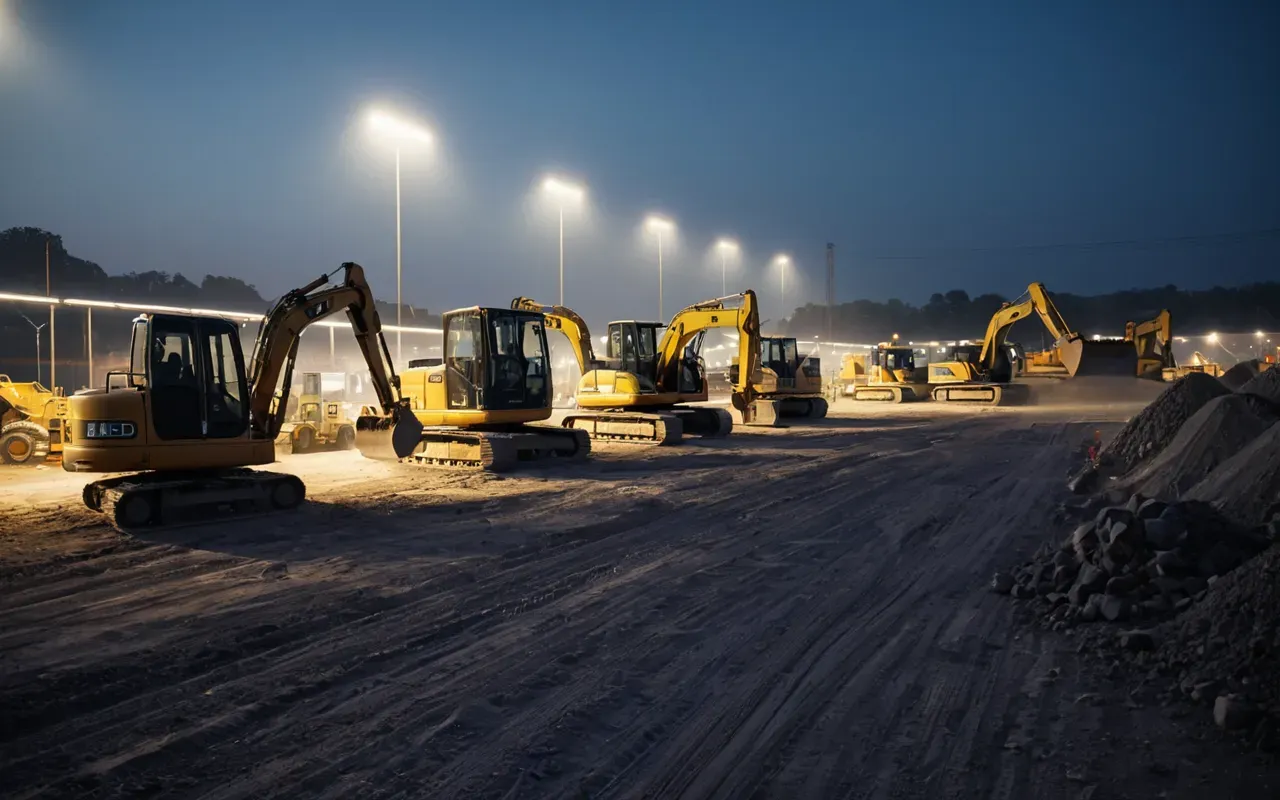
The Market Split That Nobody Expected This Summer
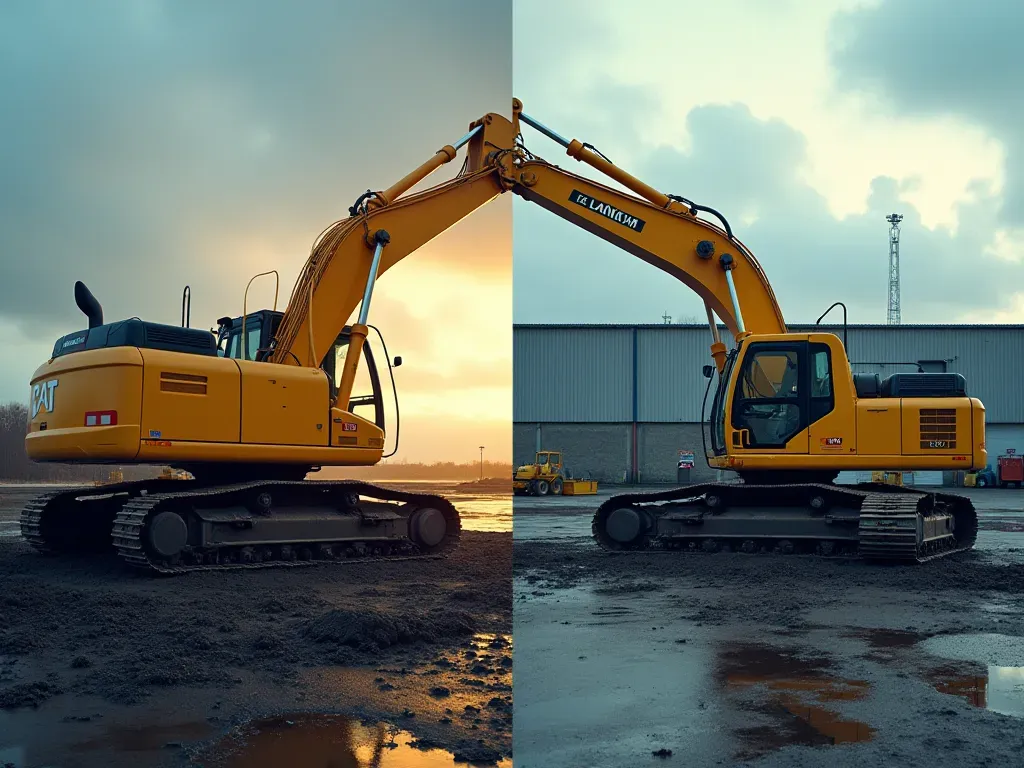
You'd think a construction boom means high prices. History backs that up. But Q data tells a different story — used equipment values dropped sharply.
Meanwhile, new machine sales hit record highs. That's the exact opposite of what most contractors expect. The usual demand-price correlation has broken down completely.
I was struck by how strange this looks on the surface. If demand is up, why are used units cheaper? It defies basic economic logic for most of us in the industry.
The Numbers Behind The Anomaly
EquipmentWatch reported an . percent drop in construction equipment auction values in August compared to . That's a significant decline for such a busy season.
At the same time, equipment age increased by nearly seven percent. Older machines are flooding the market. This suggests a shift in how owners value their assets.
Brendan Gallagher from EquipmentWatch noted that prices are down versus previous years. He suspects there is simply more older equipment available right now.
Why Used Iron Is Losing Value Fast
Here's the thing. The rise in diesel prices did not push up equipment costs. Instead, buyers are being more selective about hours and condition.
Many contractors are avoiding high-hour units. They prefer newer models with better fuel efficiency and lower maintenance risks. This shifts demand away from the used market.
If you're selling a ten-year-old excavator, you might see lower bids than expected. The market is punishing age and high operating hours right now.
The Data Center Effect On New Machine Sales
Hyperscale data centers are driving much of the current construction activity. These projects require massive amounts of heavy equipment for short durations.
Caterpillar reported its largest ever sales volume in Q. They booked $. billion in revenue with a percent year-over-year increase.
CEO Joe Creed credited strong rental fleet loading for this success. They are selling into non-residential and residential construction sectors simultaneously.
How Rental Fleets Are Changing The Game
This is a major shift. Caterpillar now supports megaprojects directly with rental fleets of heavy equipment. It changes how big jobs get staffed and equipped.
John Deere also saw strong growth. Their construction division reported $. billion in sales with an percent increase year-over-year.
They forecast even stronger sales for the rest of fiscal . Demand from data centers and other projects remains robust across their factory output.
What This Means For Your Concrete Production Setup
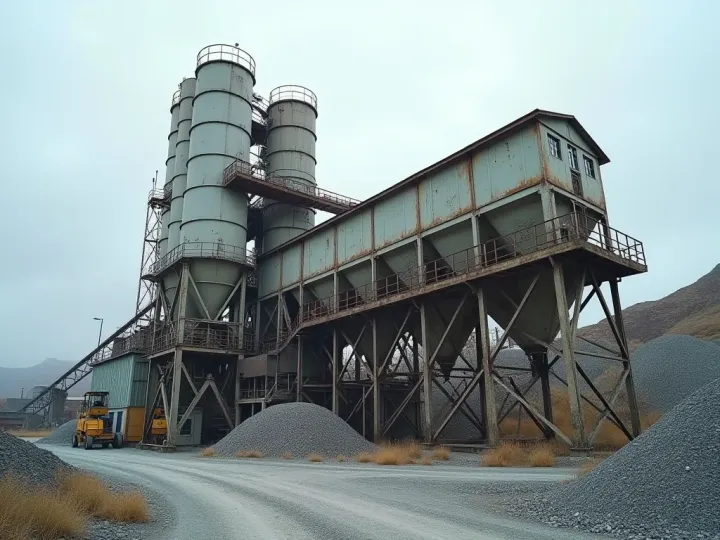
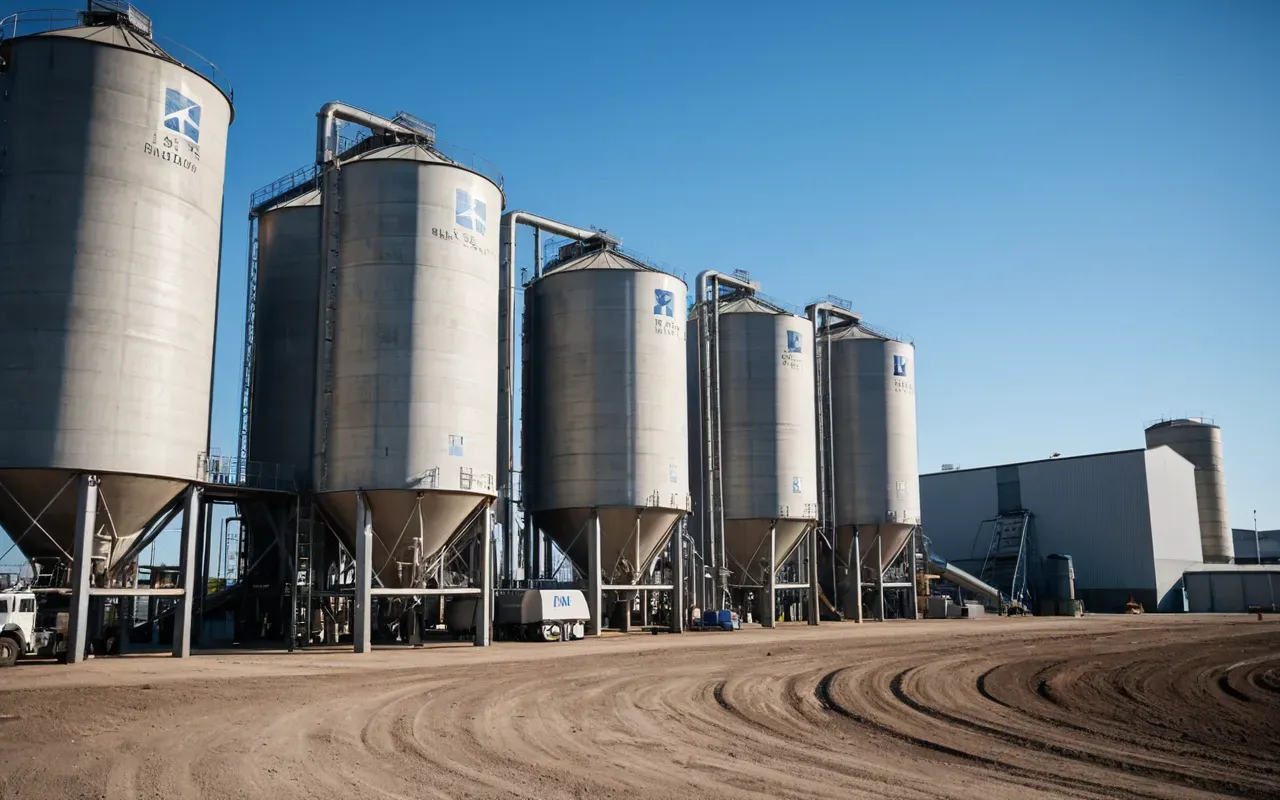
If you run a concrete batching plant, this market shift affects your equipment strategy. Buying used might be cheaper now but maintenance costs could rise later.
New machines offer better fuel efficiency and lower downtime. For high-volume concrete production, this can offset the higher initial purchase price quickly.
I've seen many operators struggle with older plants that lack modern automation. The cost of labor and calibration errors often outweighs the savings on purchase.
Maintenance Is The Real Cost Driver Now
Diesel engines in older units consume more fuel and need frequent servicing. This is where the true cost of used equipment hides.
If you're considering a smart approach to buying used plants, check the maintenance logs first. They tell the real story.
New units often come with better warranty support and lower emissions. This matters more than ever as regulations tighten in many regions.

The Strategic Move For Fleet Owners In
Look at your own fleet. If you have high-hour units sitting idle, now might be the time to sell them before prices drop further.
Reinvest that capital into newer machines with better efficiency ratings. The gap between old and new is widening in terms of total cost of ownership.
The data center boom is not slowing down. It will drive demand for heavy equipment through the rest of the year and into next.
Action Steps For Next Quarter Planning
Audit your current equipment hours and maintenance records. Identify any units that are costing more to keep running than they earn.
Compare quotes for new versus used replacement units. Factor in fuel savings and warranty coverage in your calculation.
Talk to rental companies about long-term leases for peak seasons. This can provide flexibility without the capital outlay of new purchases.
The Bigger Picture For Construction Technology Adoption
This market split highlights a broader trend. Contractors are moving toward efficiency and reliability over upfront cost savings.
Modern concrete plants with automated batching systems offer precise control over mix ratios. This reduces waste and ensures consistent quality output.
If you're still using manual calibration methods, you might be leaving money on the table. Check out how smart batching plants close that gap effectively.
Why Automation Wins In High Volume Operations
Human error in manual batching can lead to inconsistent concrete strength. This causes costly rework and material waste on large projects.
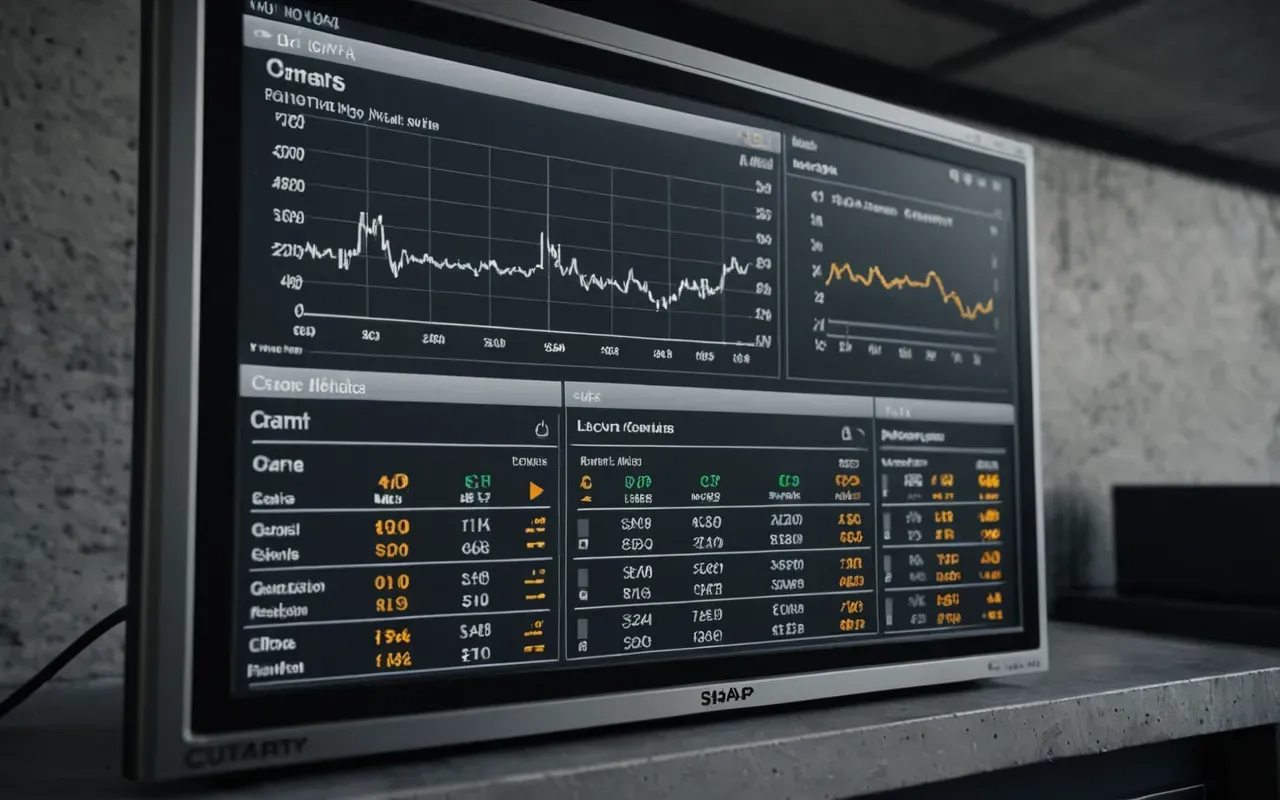
Automated systems use sensors to measure exact amounts of cement, water, and aggregates. This consistency is critical for structural integrity.
Operators who rely on intuition might find it harder to compete. The data from this quarter shows that precision is winning the market.
Final Thoughts On The Shifting Equipment Landscape
The Q data is a wake up call. The old rules of thumb about equipment pricing no longer apply in this market.
Used machines are cheaper now. But new machines offer better long term value through efficiency and reliability.
For concrete producers, this is a chance to upgrade your infrastructure. Invest in technology that pays for itself through savings.
Stay ahead of the curve. The next quarter might bring even more changes in pricing and demand patterns.