The $40,000 Gap Between Cheap And Smart Concrete Batching Plants
The Sticker Price Is A Lie
Most buyers screw up on day one. They stare at the invoice total and nothing else. The operational bleed that follows? Invisible to them. And here's the frustrating part — the machine sitting in your yard looks identical to the competitor's unit next door.
But under the hood, the difference is stark. One system batches with a precision of two percent error while the other drifts by ten. That gap compounds over thousands of loads.
I have walked through dozens of facilities where the owner thought they bought a good deal. Then I pulled their maintenance logs from the last two years. The truth is always in the data.
The $, difference I keep mentioning is not a random figure. It represents the average annual loss in material waste and repair downtime for an unoptimized system.
Why Capacity Is Not The Same As Output
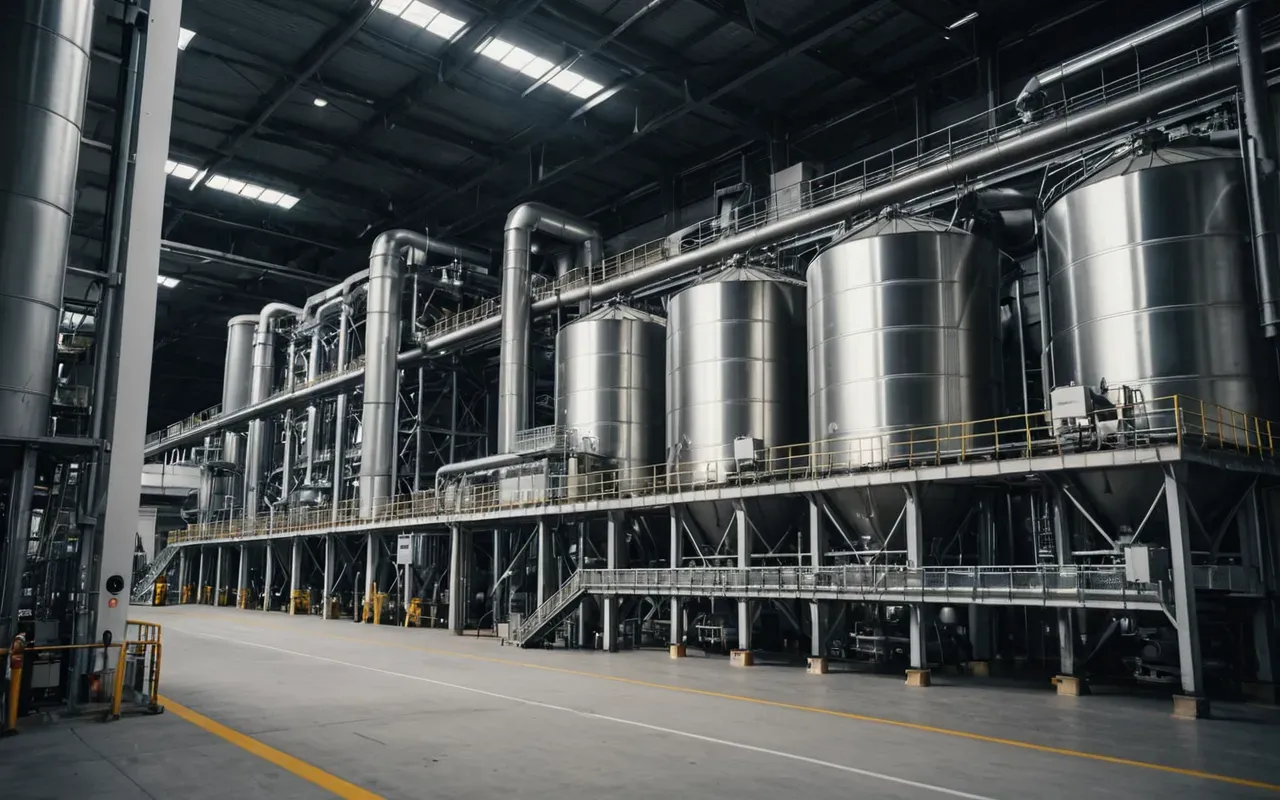
Sales brochures love the term rated capacity. They tell you a unit can handle sixty cubic meters per hour. On paper that sounds like massive throughput.
Reality is messier. Feeding the hoppers takes time. Cleaning the drums eats minutes you do not get back. The actual usable output often sits at seventy percent of that headline number.
If you buy based on the theoretical maximum, you will overpay for idle machinery. I have seen plants pay for extra mixing drums that sit unused three days a week.
The Feeding Bottleneck Problem
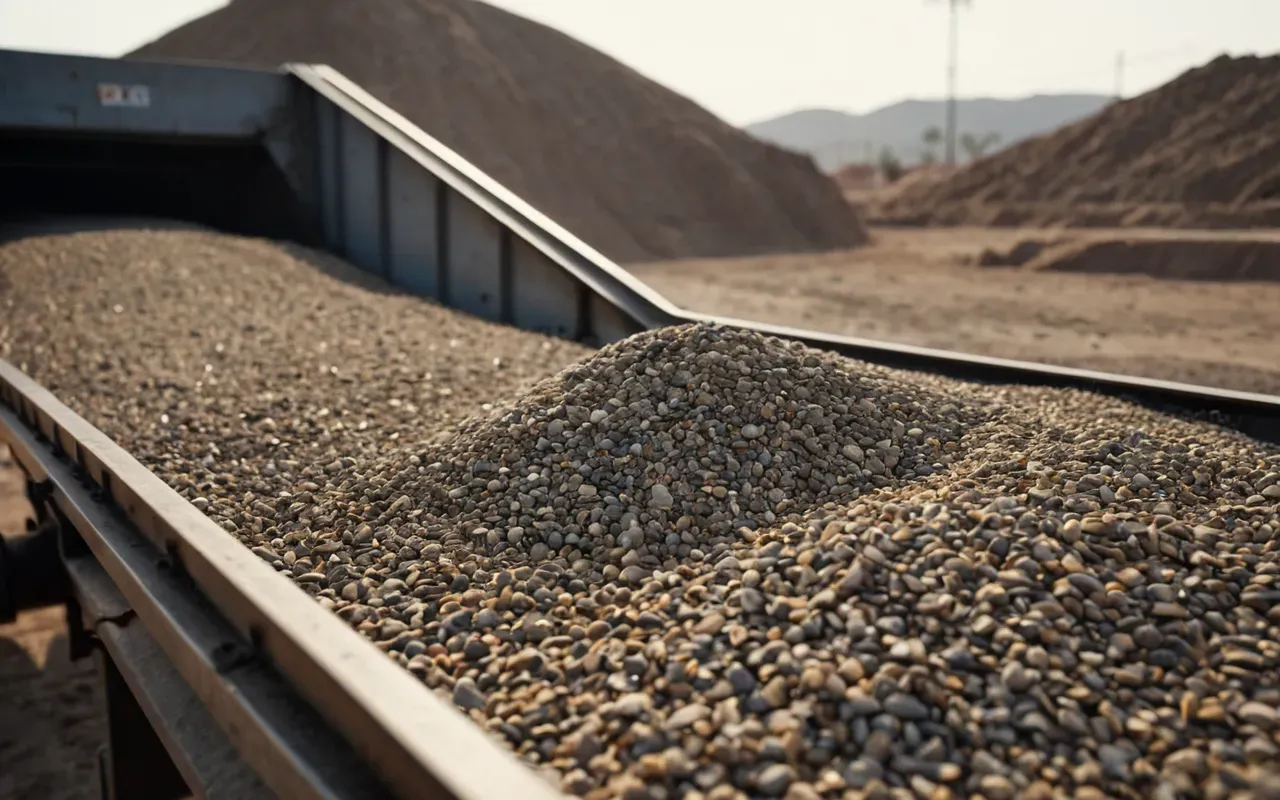
Look closely at the belt conveyors. If they are too narrow for your aggregate size, material backs up during peak demand. This creates a silent choke point in your workflow.
A smart buyer measures the actual flow rate of their specific stone and sand. They do not trust generic manufacturer specs that assume ideal conditions.
This single adjustment can save thousands in labor costs. You stop paying operators to stand around waiting for the hopper to refill.
The Weighing System Is Your Profit Center
Concrete is expensive. Cement and admixtures are the cost drivers in every load you produce. If your scales drift even slightly high, you pour extra material into the truck.
That excess becomes waste. It falls out of the drum or settles in the mixer hopper. You paid for it but you did not sell it.
Modern digital load cells with automatic calibration routines fix this. They verify accuracy every few batches and alert you before the drift becomes a financial leak.
We found that plants using this technology reduced material variance by nearly half within the first quarter. The savings were immediate and measurable.
I stopped guessing after I installed the new sensors. The numbers on my invoice finally matched what left the plant.
Calibration Drift And Its Hidden Cost
Sensors are not static. Temperature changes and mechanical vibration affect their readings over time. A plant that was perfect in January can be off by March.
If you ignore this drift, your mix design becomes a guess. You might use too much water to compensate for perceived dryness.
This weakens the final structural integrity. It also increases curing time and potential cracking issues down the line for your clients.
Stationary Versus Mobile Units In Real Life
The debate between stationary and mobile plants never dies. It is one of the most common questions we get from buyers looking at concrete batching plants for sale. The answer depends entirely on your project timeline.
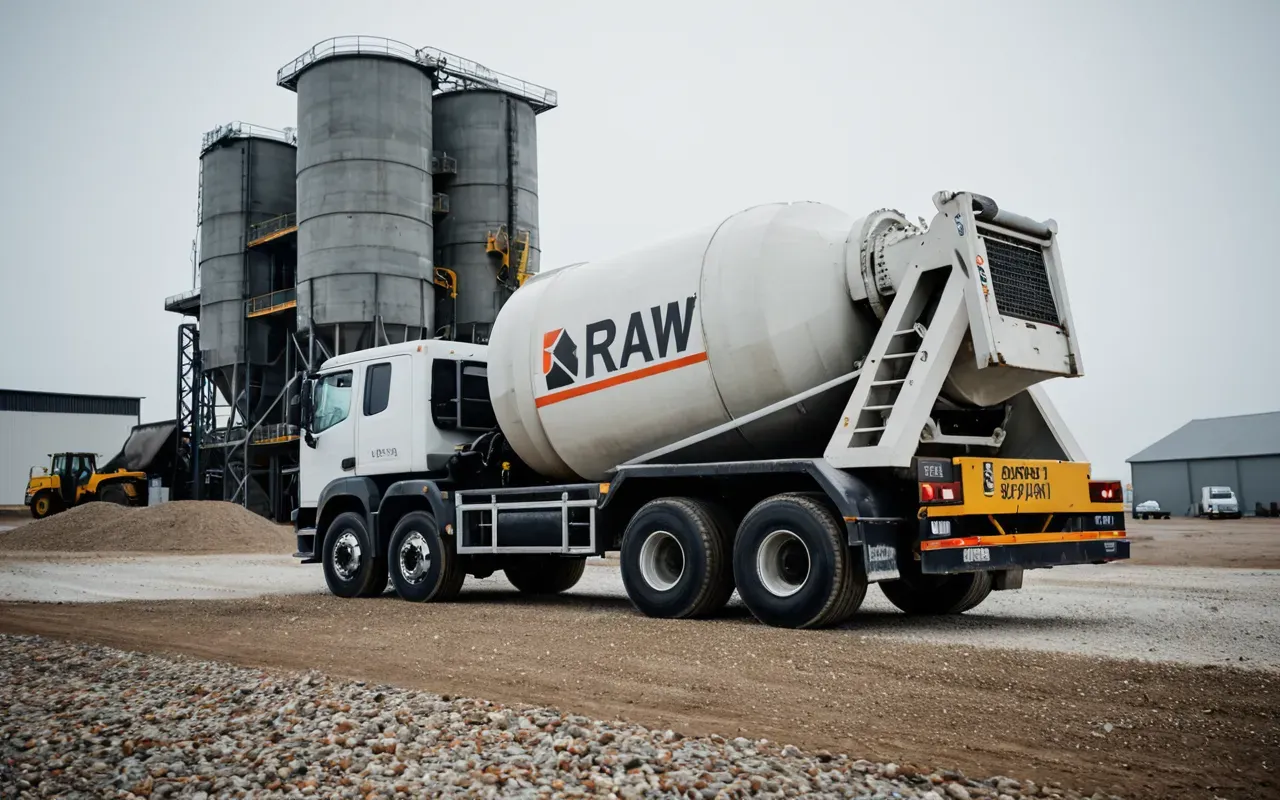
A stationary unit offers higher throughput and easier maintenance access. It is designed to stay in one place for years.
A mobile unit gives you flexibility. You can move it to the next site without shipping mixed concrete over long distances.
When To Choose The Fixed Structure
If you are supplying a large residential development, stay fixed. The volume justifies the infrastructure cost.
You need a solid foundation and permanent utilities. The setup takes time but the running costs are lower per cubic meter.
When Mobility Wins The Day
For remote bridge work or airport expansions, mobility is king. You save on transport fuel and reduce the risk of concrete setting in transit.
The trade-off is complexity. Mobile units have more moving parts and require frequent checks before every relocation.
Maintenance Is Not A Chore It Is Insurance
Many owners treat maintenance as a reactive task. They wait for something to break before they act.
This is the most expensive habit in construction. A broken gearbox on a Saturday morning costs far more than an oil change on Tuesday.
Smart operators build a schedule around the manufacturer's service intervals. They track hours on every component and plan downtime during low-demand weeks.
This approach extends the life of your investment. It also keeps resale value higher when you eventually decide to upgrade.
The plant that runs well is the one nobody notices. That silence is pure profit.
Reading Between The Lines Of A Used Listing
Buying used can be a smart move. It can also be a trap if you do not know what to look for.
Check the wear on the mixer drum blades. If they are unevenly worn, it indicates a misalignment or poor maintenance history.
Inspect the seals on every hydraulic cylinder. Leaks are a sign of internal corrosion or neglected lubrication.
Ask for the full service history. If it is missing or vague, walk away. You do not want to inherit someone else's bad habits.
The Technology That Actually Matters In
Not all smart features are worth the premium. Some are gimmicks that add cost without adding value.
Remote monitoring is essential. It allows your office team to see plant status without driving out there.
Automated mix design updates save time. They adjust for local aggregate moisture levels in real-time based on sensor data.
Avoid paying for flashy screens that do not integrate with your accounting software. Data should flow where it is useful.
The False Promise Of Fully Autonomous Batching
Marketing materials often promise hands-free operation. In practice you still need a human to oversee the process.
Machines handle repetition. Humans handle exceptions. A broken sensor or a sudden rainstorm requires judgment that code cannot yet provide.
Buy the technology that supports your staff. Do not buy a system that replaces their ability to think.
Calculating Your True Return On Investment
Stop looking at the purchase price in isolation. Calculate the cost per cubic meter over five years.
Include electricity fuel maintenance labor and material waste in that equation. The cheapest plant on paper might be the most expensive to run.
A higher efficiency plant pays for its premium through lower consumption. This is the math that wins contracts.
Frequently Asked Questions
What is the average lifespan of a concrete batching plant?
Most high-quality plants last between fifteen and twenty years. This depends heavily on usage intensity and the rigor of your maintenance schedule.
How much does it cost to run a plant per hour?
Running costs vary by location and fuel prices. Expect to pay between fifteen and twenty-five dollars per hour for basic electricity and labor exclusions.
Why is calibration drift so dangerous for profit?
Drift causes you to pour more material than required. This waste reduces your margin on every single load delivered to the site.
Can I upgrade an older plant with new sensors?
Yes in most cases. Modern digital interfaces often allow you to swap out old load cells for new ones without replacing the entire system.