The 3 percent error in Texas concrete plants that costs operators $20k monthly
The Silent Leak in Your Profit Margin
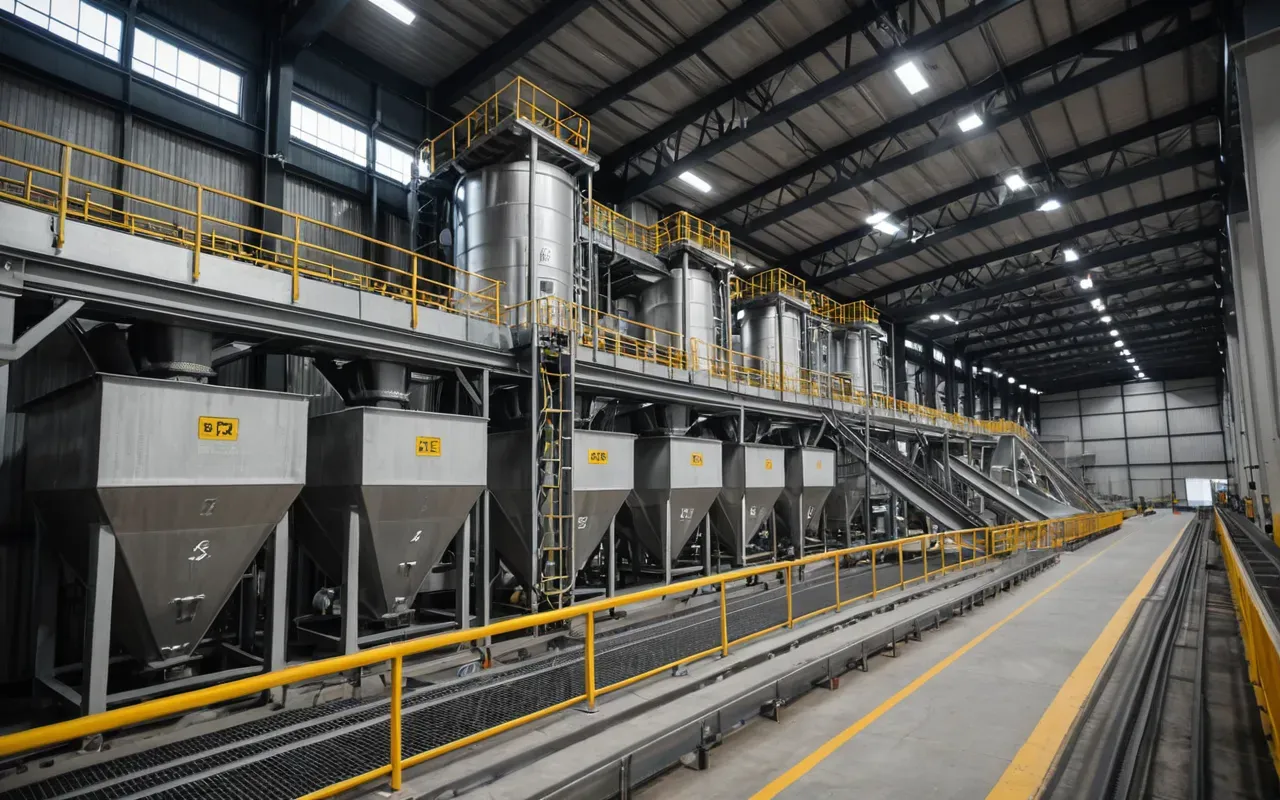
You think your plant is running at % capacity. It is not. Somewhere in the hopper, the scale is drifting by two percent. That tiny deviation is eating your profit.
I have walked through dozens of facilities across the state. Most look identical. Clean floors. Organized bins. But the data tells a different story. The real issue is invisible.
In the Texas market, this is a multi-million dollar problem. It is not about the big breakdowns. It is about the small, consistent losses that add up over months.
Why Calibration Drift Is the Real Enemy
Sensors age. Hoppers accumulate residue. The environment changes. These factors cause the batching system to deviate from the recipe. Operators rarely notice until the concrete fails.
A % error in cement content is negligible on paper. But at scale, it is a disaster. You are either overusing expensive cement or underusing it and weakening the mix.
I have seen a plant in the Houston area lose $, a month to this exact issue. They thought they were efficient. They were actually bleeding cash. The fix took one week.
The Cost of Inaccuracy
Concrete is a commodity. Margins are thin. A small error in one batch is nothing. A small error in ten thousand batches is a financial crisis. This is the math that keeps me up at night.
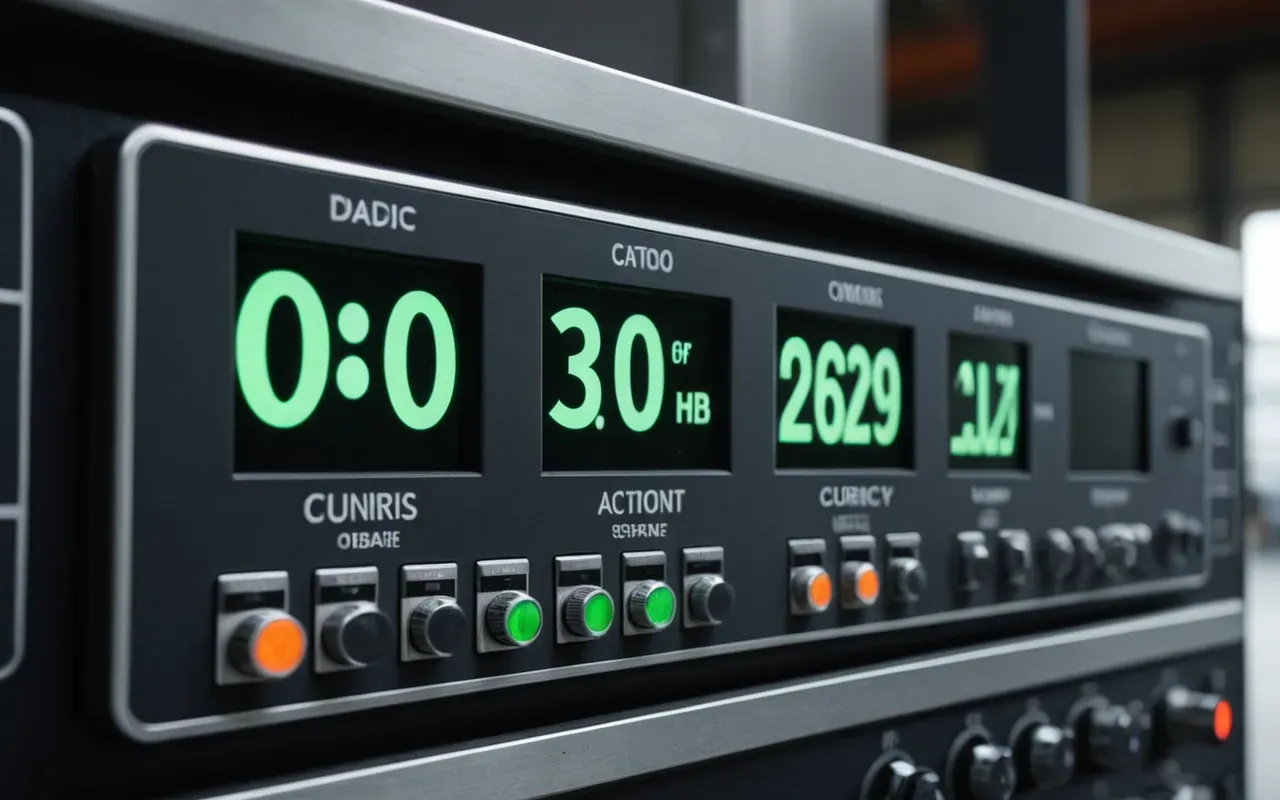
Most operators check the scales once a day. That is not enough. The environment is dynamic. Temperature, humidity, and material consistency all change. You need real-time monitoring.
The Regulatory Landscape in Texas
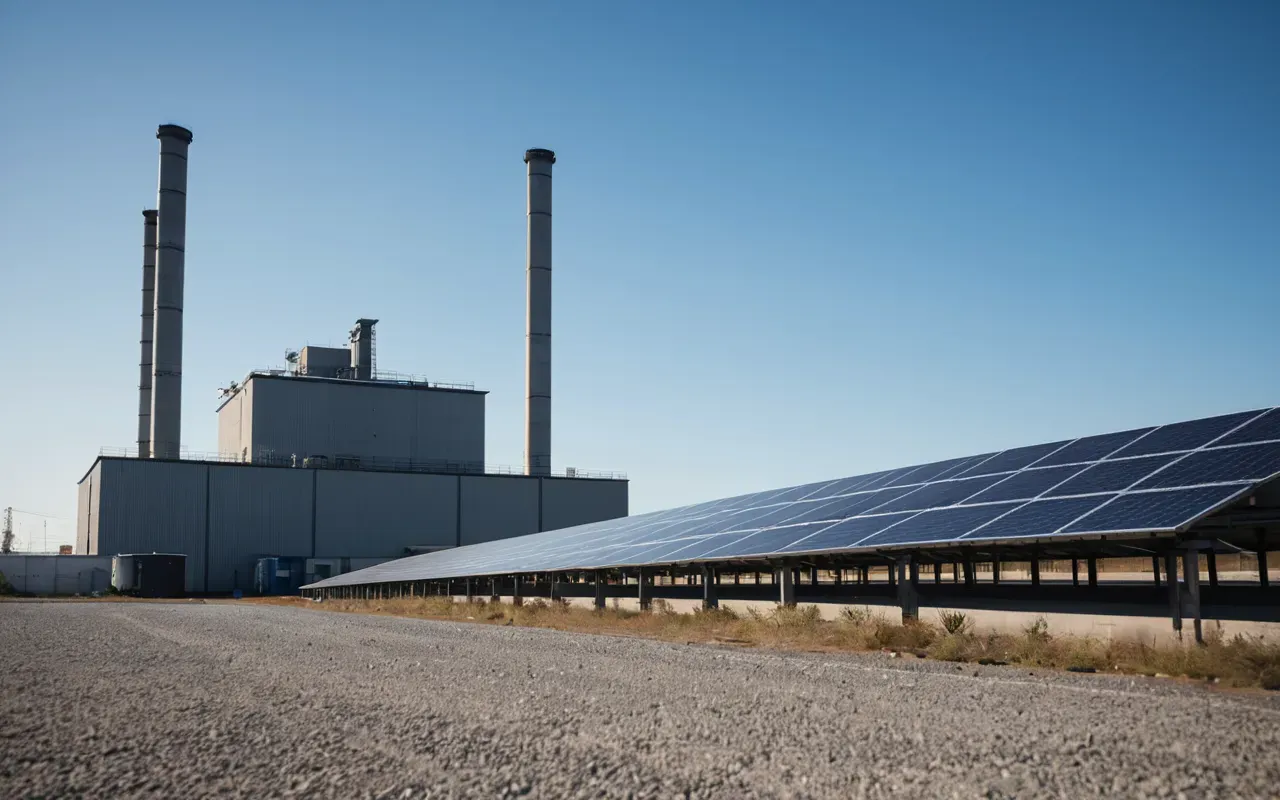
Texas has strict environmental rules. TCEQ watches closely. Dust, noise, and emissions are all monitored. But the biggest risk is not the fines. It is the shutdown.
A shutdown costs thousands per day. Lost contracts. Idle workers. Damaged reputation. The cost of non-compliance is far higher than the cost of prevention. This is a simple equation.
I have seen a plant in San Antonio face a temporary closure due to dust emissions. It cost them three months of revenue. They had a cheap suppression system. It was not enough. Do not make the same mistake.
Avoiding Regulatory Pitfalls
Keep records. Maintain equipment. Engage with regulators early. Proactive communication is key. Do not wait for a violation notice. Be part of the solution, not the problem.
The Texas market is competitive. You cannot afford to be the plant that gets shut down. Be the plant that leads in compliance. It is a selling point. It is a badge of honor.
Technology Is Your Best Friend
Old systems rely on human judgment. New systems rely on data. This is a fundamental shift. AI and IoT are changing the game. But you have to use them correctly.
Sensors can predict maintenance needs. They can detect calibration drift. They can optimize the mix for real-world conditions. This is not science fiction. It is happening now.
I recently visited a plant in Dallas that uses a new predictive system. It reduced their maintenance costs by %. It also improved their mix consistency. The ROI was clear and immediate.
Implementing Smart Systems
Start small. Install sensors on critical components. Monitor the data. Make adjustments. Scale up as you see results. Do not try to revolutionize your plant overnight. Evolution is better.
Training is crucial. Your operators need to understand the new tools. They need to trust the data. This is a cultural shift. It takes time. But it is worth it.
The Human Factor
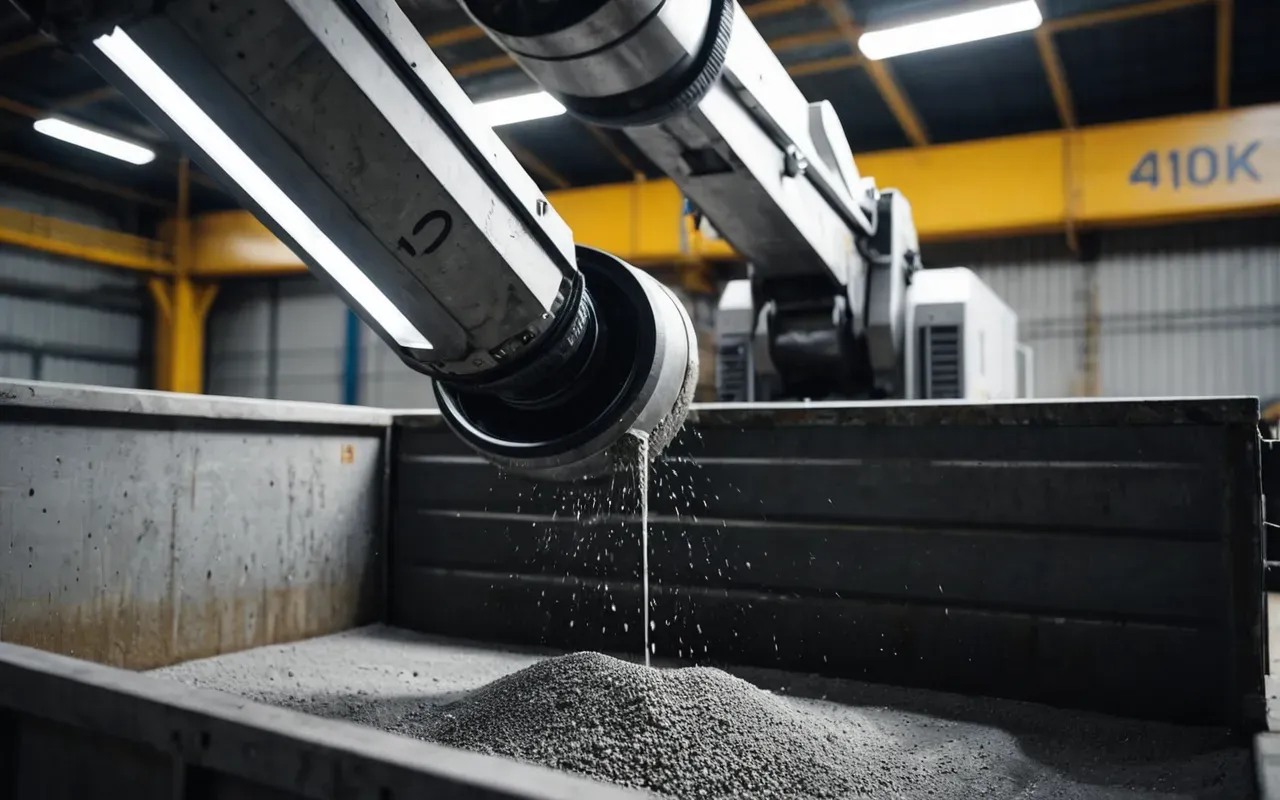
Technology is not a silver bullet. People run these plants. Their skills, their attention, their knowledge. This is the most important factor. Do not underestimate the human element.
A skilled operator can spot a problem before the sensors do. They can make intuitive adjustments. They can handle the unexpected. This is the value of experience.
Invest in your people. Train them. Reward them. Make them feel valued. A motivated operator is a productive operator. This is the foundation of a successful plant.
Building a Strong Team
Hire for attitude. Train for skill. Look for people who are curious. Who are willing to learn. Who care about the quality of the product. These are the traits that matter.
Create a culture of continuous improvement. Encourage feedback. Reward innovation. Make it safe to make mistakes. This is how you build a resilient team.

The Future of Concrete in Texas
The Texas construction industry is booming. New cities. New infrastructure. New demand. This is a golden opportunity. But it is also a challenge. You must be prepared.
Sustainability is a growing concern. Green concrete. Recycled materials. Lower carbon footprint. This is not a trend. It is the future. You need to be part of it.
I have seen a plant in Austin that uses % recycled aggregate. They are meeting demand. They are reducing costs. They are leading the market. This is the model to follow.
Adapting to Change
The concrete industry is changing. The players who adapt will thrive. The players who resist will fail. This is the harsh reality. Do not be on the wrong side of history.
Stay informed. Stay curious. Stay flexible. These are the traits that will define the leaders of tomorrow. The future is not coming. It is already here.
Practical Steps to Take Today
Audit your calibration. Check your scales. Verify your sensors. This is the first step. It is simple. It is free. It can save you thousands.
Review your maintenance schedule. Is it proactive or reactive? Are you fixing problems before they happen? This is the key to long-term efficiency.
Engage with your suppliers. Ask about new technologies. Ask about best practices. They have the expertise. Use it. Do not reinvent the wheel.
Immediate Actions
Start with the basics. Clean your hoppers. Lubricate your gears. Check your seals. These small tasks have a big impact. Do not skip them.
Document everything. Keep records. Track your data. This is your insurance policy. It is your proof of compliance. It is your roadmap to improvement.
Frequently Asked Questions
What is the most common error in concrete batching plants?
Calibration drift is the most common error. Sensors and scales age over time, causing the batching system to deviate from the recipe. This leads to inconsistent mix quality and material waste. Regular calibration checks are essential to prevent this issue.
How much does a calibration error cost a plant?
A % error can cost a plant thousands of dollars per month. At scale, this adds up to a significant financial loss. The cost depends on the volume of production and the price of materials. Accurate batching is critical for profitability.
What are the main regulatory requirements in Texas?
Texas requires strict environmental compliance. This includes dust control, noise limits, and emissions monitoring. TCEQ enforces these rules. Non-compliance can result in fines or shutdowns. Proactive maintenance and record-keeping are essential for staying compliant.
How can technology improve concrete plant efficiency?
AI and IoT sensors can predict maintenance needs and detect calibration drift. They can also optimize the mix for real-world conditions. This reduces waste and improves quality. Data-driven decision-making is the key to modern efficiency.