Why a French telehandler maker just handed the keys of the compact equipment market to a Korean giant
A handshake in France that breaks the mold of traditional supply chains
Most industry watchers missed this one. On a quiet Monday in Ancenis, two giants shook hands.
Sylvain Blaise and Moon Jae-young signed a mutual sales agreement. And no, this isn't just another contract.
It's a structural shift in how compact machines move across borders. The implications are massive.
You probably think of these brands as rivals scrapping for the same dealer slot. Not anymore.

The numbers hide a strategic gamble on the compact segment
Look at the data. In , roughly , compact machines were sold globally.
That's a tiny slice of the . million total construction units sold that year. Yet it matters.
MarketsandMarkets projects this niche to hit $. billion by . That's a . percent annual growth rate.
HD Construction Equipment aims for $ million in compact sales by . That's the target.
To be fair, that ambition takes more than marketing. It needs hardware.
Who actually benefits from this cross-brand distribution model
Dealers are the immediate winners here. They get a wider portfolio without the stocking risk.
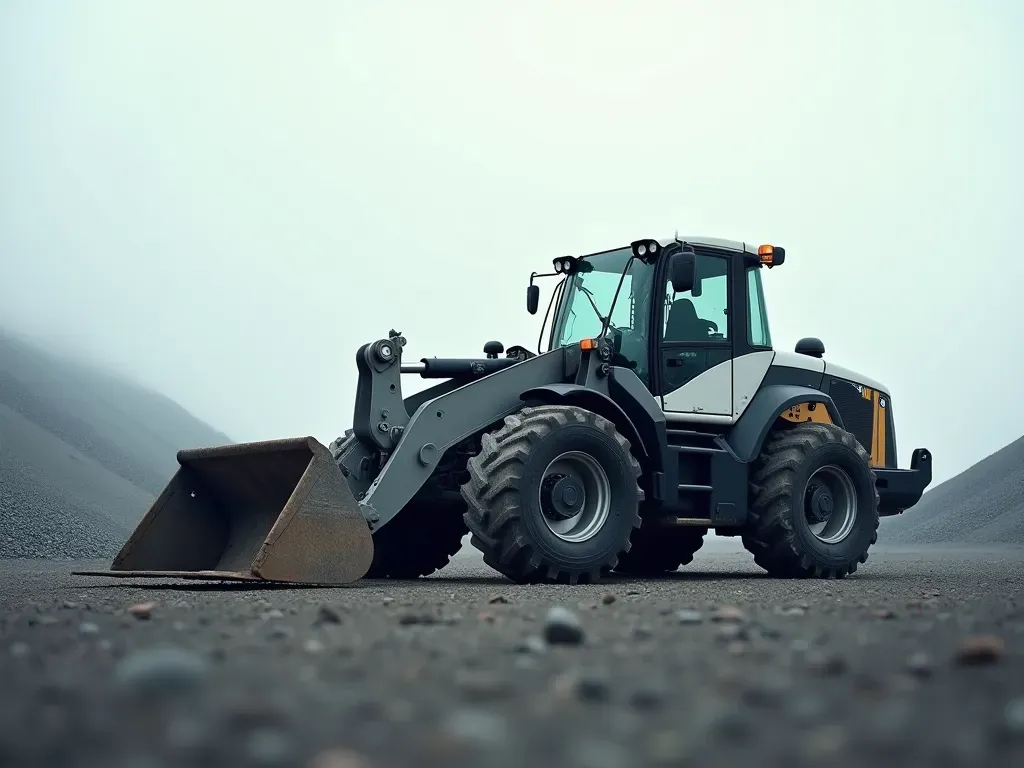
If you sell Hyundai or Develon, you now have Manitou telehandlers to offer. Instant range expansion.
But there's a catch. Price competition may intensify as brands borrow each other's strengths.
The technology transfer nobody is talking about in the headlines
Manitou supplies equipment in countries. Their telehandler expertise is unmatched.
HD brings manufacturing scale and a strong presence in Asia. Potent combination.
I was struck by how fast they plan to expand production capacity. Speed matters in this sector.
They want better product quality while keeping prices competitive. That's a hard balance to strike.
How this affects concrete producers and site operators today
If you run a batching plant, compact equipment is your workhorse. Telehandlers move aggregates.
This deal means more options for sourcing those machines. Availability should improve globally.
If you are comparing equipment costs right now, check out the $40,000 gap between cheap and smart plants to see how technology impacts value.
A contrarian view on why this might fail in the long run
Here's my skepticism. Merging sales channels often breeds brand confusion.
Customers may not understand why a French machine wears a Korean badge. Clarity is key.
Support networks get tangled too. Who handles the warranty? Which region manages spares?
These are operational headaches that rarely make the news. But they decide success.
The real risk lies in logistics and parts distribution
Compact equipment is heavy. Shipping costs eat into margins when routes are inefficient.
A delayed telehandler on a site costs more than the machine itself. Time is money.
The partnership has to solve this or it fizzles out within two years. Watch closely.
What this means for the future of global construction equipment
We're seeing a shift toward collaborative competition. Brands cooperate to dominate.
This move by HD and Manitou sets a precedent. Expect more deals like it soon.
For you, the buyer, this is good news. More choice means better prices and service.
If you are looking at used machinery options, see how to buy used concrete batching plants the smart way for critical inspection tips.
The hidden winner is the end user in emerging markets
Rising economies need affordable, reliable machines. This partnership delivers exactly that.
Lower prices and wider availability speed up infrastructure projects in these regions. It helps everyone.
The competition forces innovation. Better fuel efficiency and durability will follow this deal.
Final thoughts on a move that reshapes the compact equipment landscape
This isn't just news. It's a signal that the industry is consolidating.
Keep an eye on dealer networks in your region. New models will show up soon.
The next five years will be defined by these cross-border collaborations. Be prepared.
For more insights on equipment reliability issues, read about how sensor drift can cost a plant quarter million dollars.
Why your next purchase might come from an unexpected brand source
Brand loyalty is fading. Performance and price are the new drivers of purchase decisions.
This deal proves it. A French machine under a Korean name is now possible.
The market is changing faster than most buyers realize. Stay informed and agile.