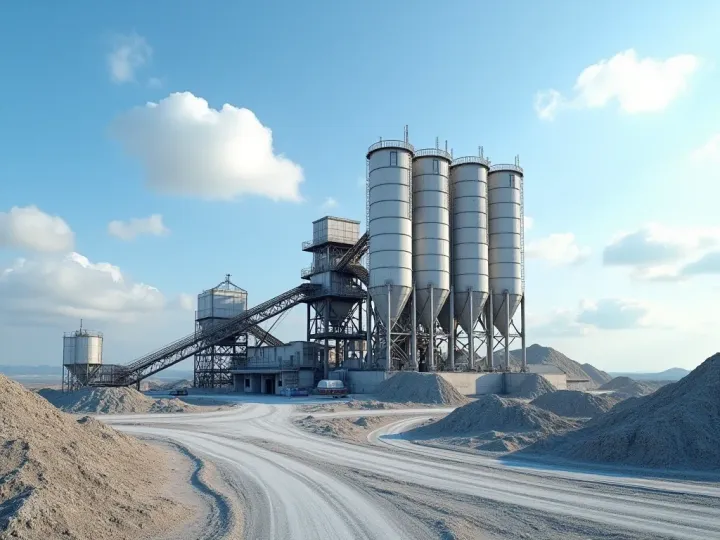
The concrete plant next door is legal but your lungs are on the line
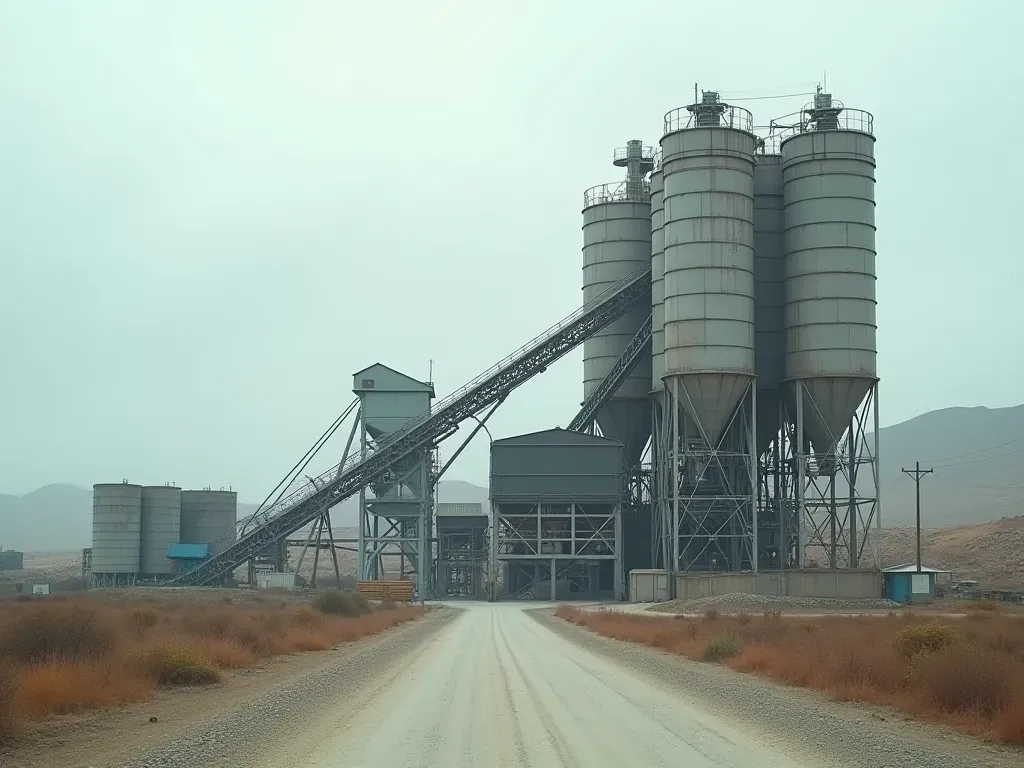
The Silent Danger of Compliance Without Protection
Picture this: you wake up, and there's a thick haze sitting over your neighborhood. It smells like dust and diesel. So you pull up the air quality app on your phone. The numbers look fine — acceptable, at least by state standards. But your chest feels tight anyway. And your kid keeps coughing, for no reason you can point to.
That's not a hypothetical. It's what residents in Sunland Park are living with right now. A proposed concrete batch plant at McNutt Road has set off a fierce fight. The company says it follows every rule. Neighbors say their health is on the line.
Here's the thing most people miss. Legal doesn't mean safe — not for you, specifically. Regulations set broad minimums. They can't account for your medical history or your child's asthma triggers. And that gap is exactly where real harm tends to hide.
I've watched this pattern play out before in industrial towns. The paperwork is perfect. The permits are signed. Meanwhile the community deals with chronic problems that doctors can't fully explain until it's too late to reverse the damage.
Why One Quarter Mile Is Not Enough for Respiratory Health
The New Mexico Environmental Department states a clear rule. Facilities must sit at least one-quarter mile from homes and schools. On paper, that sounds reasonable. It creates a visible buffer between industry and where people actually live.
But wind doesn't respect zoning maps. Particulate matter from concrete batching plants can travel well past that quarter-mile mark. Depending on atmospheric conditions, fine dust particles can drift into nearby neighborhoods within hours.
Victor Waters from the University Medical Center of El Paso warned us about this. He noted that dust particles impact people with lung disease and asthma directly. And those aren't rare conditions in dense urban areas like Sunland Park.
Think about it. You're breathing air that has passed through industrial equipment, every single day. Even if the concentration meets legal limits, the cumulative effect over years is unknown to many families living close by.
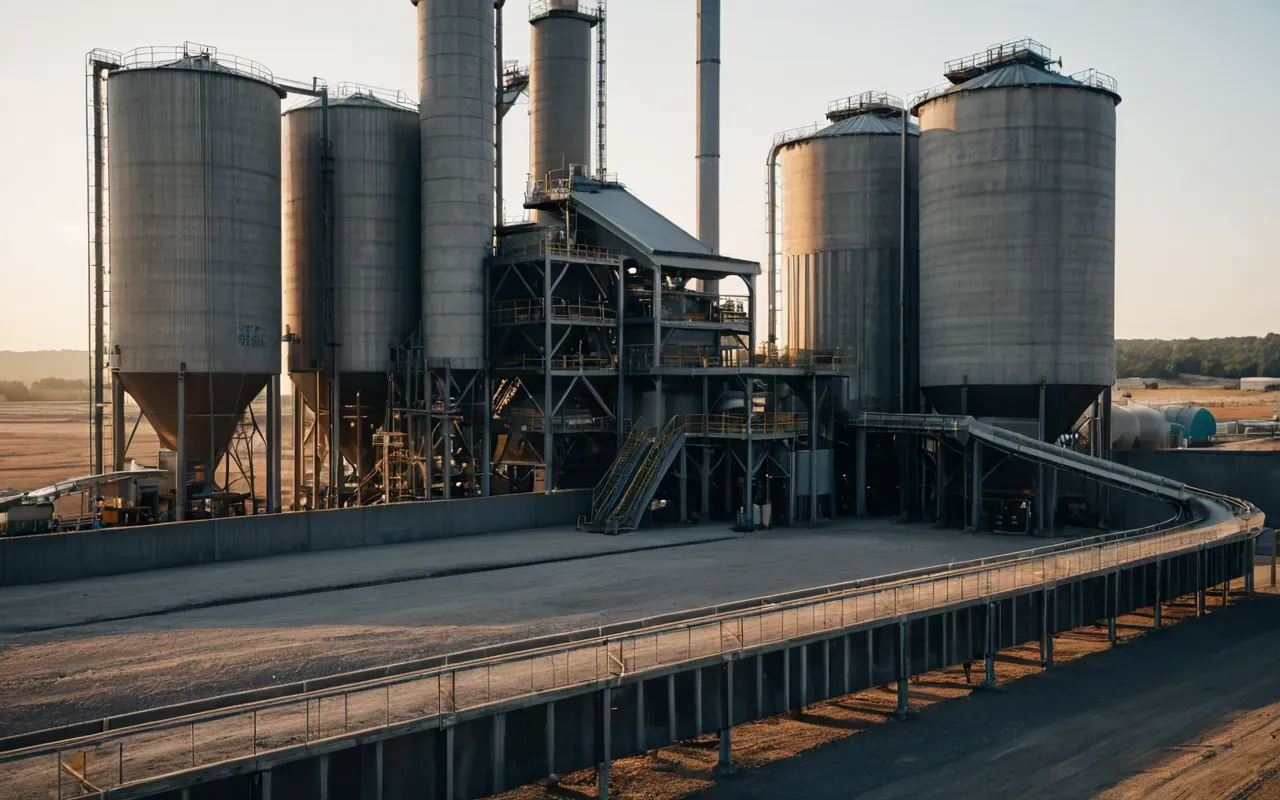
The Myth of Safe Distances in Industrial Planning
Regulators often assume distance equals safety. That's a dangerous simplification. It ignores how airborne pollutants actually behave in the real world.
In other regions, similar disputes have shown that standard buffers are often outdated. They were designed for older equipment with different emission profiles. Modern plants run hotter and faster.
If you're interested in how location impacts equipment performance and safety, consider reading about how Texas concrete plant setbacks miss cumulative pollution risks. The principles are similar across state lines.
What Residents Know That Regulators Often Overlook
Pat Freddi from the neighborhood said something striking. He emphasized the lack of prior communication with affected families. That points to a major failure in public engagement.
Residents usually have the most granular understanding of local air patterns. They know when the wind shifts from the highway toward their homes. Regulators rely on models that may not capture these micro-climates accurately.
This disconnect is frustrating. It feels like an afterthought to the decision-makers in office buildings miles away. The people breathing the air are not part of the initial planning phase.
I think this is a systemic issue. It's not just about one plant or one city. It's about how we define risk in our industrial zones today.
The Role of Schools and Elderly Populations in Risk Assessment
City Councilor Raul T. Telles Jr. pointed out a critical detail. He mentioned concerns for nearby schools and the elderly. These groups are biologically more susceptible to respiratory irritants.
Children's lungs are still developing. Exposure during critical growth years can have lifelong consequences that standard adult safety metrics don't capture.
Elderly residents with pre-existing conditions face similar dangers. A slight increase in particulate matter can trigger severe attacks requiring emergency care.
Yet these factors are rarely weighted heavily in permit reviews. The focus stays on technical compliance rather than human impact.
The Technology Behind Modern Batching Plants and Emission Control
Modern concrete batching plants use advanced filtration systems. These are designed to capture dust before it enters the atmosphere.
However, equipment failure is not uncommon. A single malfunctioning sensor or clogged filter can release unfiltered dust into the surrounding area for hours before detected.
Maintenance is critical here. If you manage or operate such equipment, understanding how calibration drift impacts plant efficiency and safety is essential for preventing these failures.
The technology exists to make plants safer. But it requires rigorous oversight and immediate response protocols that many facilities lack.
How Sensor Drift Creates Hidden Pollution Spikes
Sensors are the eyes of modern plants. If they drift out of calibration, operators may not know their emissions exceed limits until it's too late.
This is a quiet failure mode. It doesn't cause an explosion or visible smoke. It just allows dust to escape unnoticed.
Regular auditing is the only way to catch this. But many small operators skip these checks to save money in the short term.
The Economic Pressure Driving Industrial Expansion Near Homes
Why do companies propose plants so close to residences? Land cost is a major factor. Industrial land near urban centers is expensive.
Moving further away increases transportation costs for concrete trucks. This eats into margins significantly.
So they push for the closest legal location. It makes financial sense to them. But it shifts the burden onto nearby communities.
This is a classic externalities problem. The company pays for land and equipment. Society pays in health costs later.
Who Really Benefits From Tight Zoning Margins?
The answer is usually the developers and equipment owners. They maximize output per square foot of land.
Residents bear the risk. This imbalance needs to be addressed through stricter buffer requirements and better enforcement.
It's not about stopping construction. It's about ensuring it happens responsibly and with full transparency.
What You Can Do If a Plant Is Proposed Near Your Home
First, attend public hearings. Show up and voice your specific concerns based on local observations.
Second, document any health issues or visible dust events. Keep a log with dates and times.
Third, connect with environmental health advocates who can help interpret regulatory documents for you.
Don't wait until the permit is granted. That's when your leverage disappears.
If you are looking for equipment that prioritizes both efficiency and environmental control, check out batching plants that balance cost savings with operational safety.
Building a Strong Case Against Weak Zoning Protections
Your case must be specific. General complaints about noise or dust are easy to dismiss with data.
Focus on the cumulative impact. Show how daily exposure affects specific vulnerable individuals in your community.
Bring medical experts if possible. Their testimony carries significant weight in regulatory hearings.
The Future of Concrete Production and Community Health Integration
We need a new model. One that integrates community health metrics directly into permit approval processes.
This means real-time air quality monitoring accessible to the public. Transparency is key.
It also means stricter penalties for violations that affect residential areas. The current fines are often too low to deter risk-taking.
The industry can lead here. By adopting higher standards voluntarily, companies build trust and reduce long-term liability.
The Sunland Park dispute is a wake-up call. It shows that legal compliance is not the end of the story.
Your health matters more than a permit number. Advocate for yourself and your neighbors.
Stay informed. Stay engaged. The air you breathe is not a commodity to be traded for convenience.