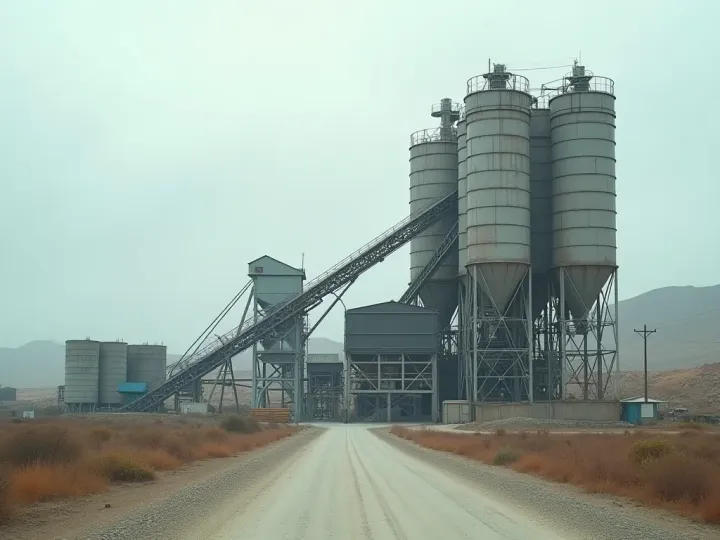
Eiffage Just Built France's Largest Concrete Plant In Record Time And The Numbers Are Staggering
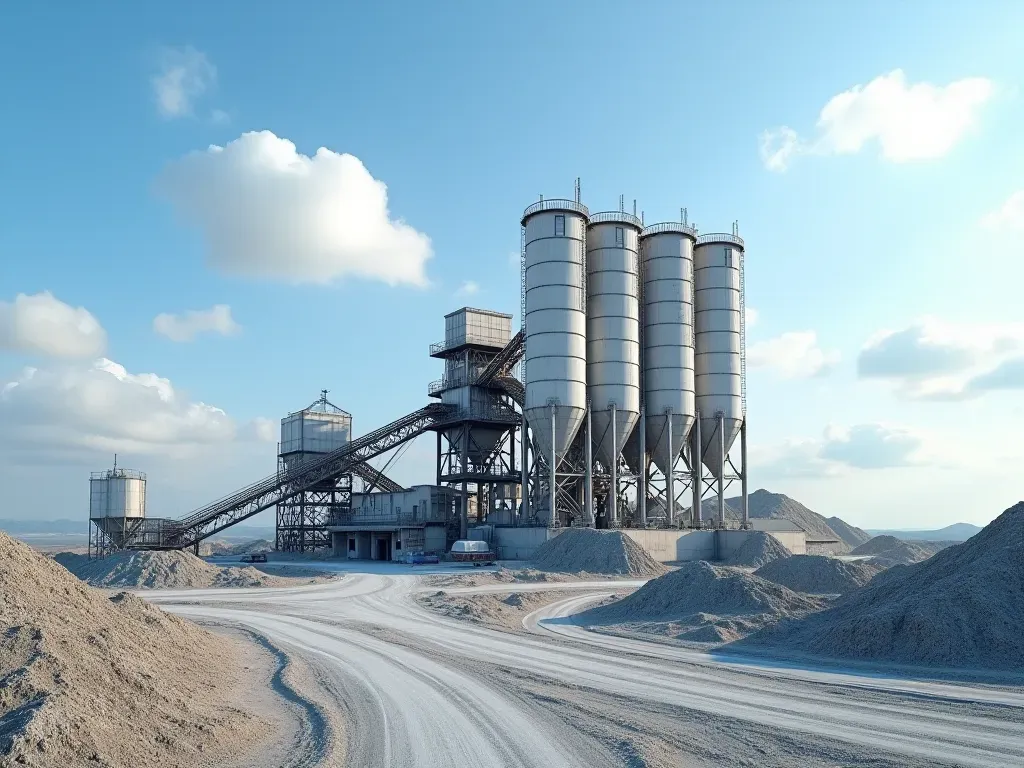
The Seven Month Miracle That Defied Physics
Seven months. That's the number that stopped me cold when I read the Eiffage announcement this morning.
Most of us assume industrial infrastructure takes years. You need permits. You need foundations. You need to move mountains.
But Eiffage Genie Civil just finished the first two concrete batching plants at the EPR project site in that window. Honestly, it's hard to wrap your head around.
Why Speed Is the New Currency in Heavy Equipment Deployment
Look. In my experience with plant operations, time is money in the most literal sense.
Every day a batching plant sits idle while foundations cure or components arrive is pure loss. You're paying for labor without producing a thing.
Eiffage bypassed the usual bottlenecks. Pre-fabricated modules, most likely, plus parallel workflows.
This isn't just about pouring concrete. It's a masterclass in logistics and supply chain orchestration.
The Scale That Makes Your Head Spin
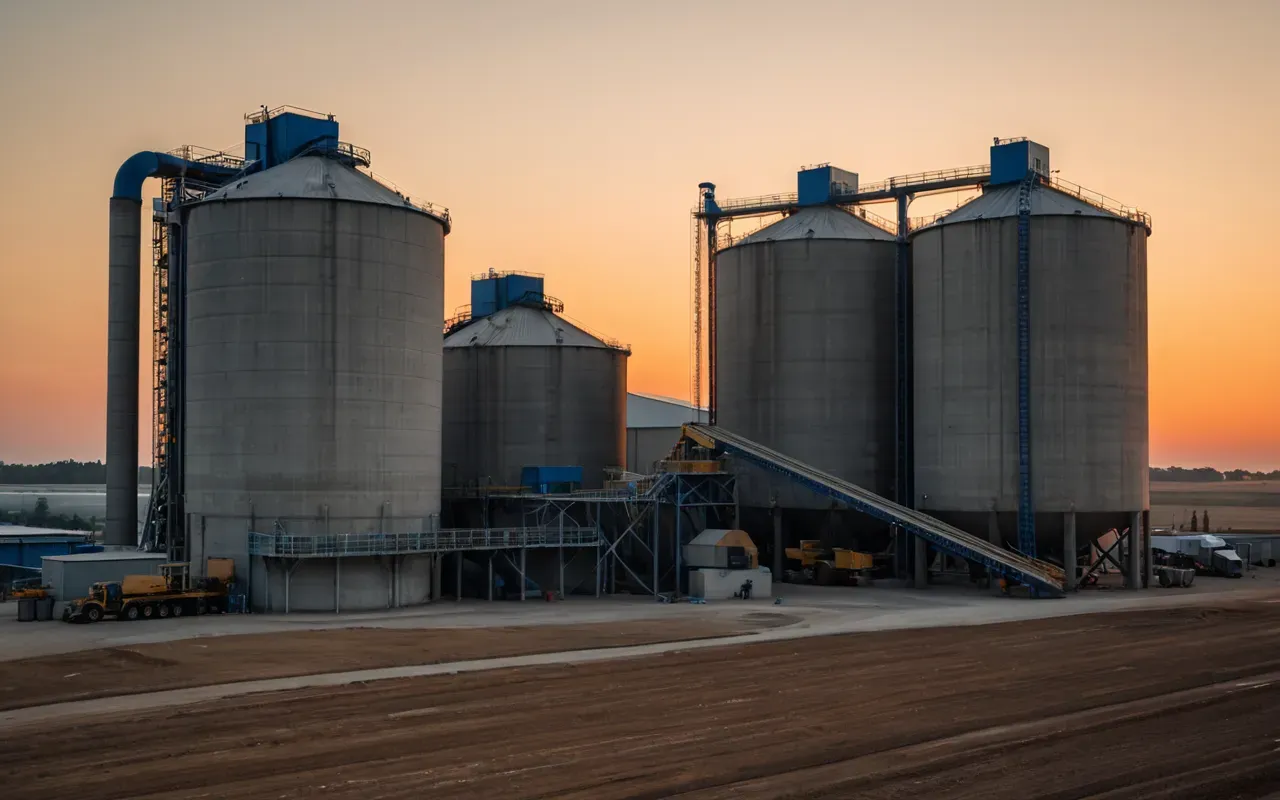
Here's the part that really gets me. This facility will eventually expand to four production units.
That makes it the largest concrete production plant in France. We're talking about a machine that will churn out thousands of cubic meters daily.
What Four Units Mean for Regional Supply Chains
Think about the logistics. You don't just park a truck and wait.
You need a continuous flow. Aggregates in. Cement in. Water and admixtures in.
Concrete out. The synchronization required for four simultaneous units is a logistical ballet.
If you've ever managed concrete batch plant maintenance schedules, you know the pain of coordination.
The Technology Behind the Speed
You might wonder how they did it so fast. The answer lies in modularization.
Instead of building every bolt and beam on site, they probably assembled major sections in a factory.
This reduces weather delays. It cuts down on skilled labor needs at the site.
And it allows for quality control in a controlled environment. No dust storms messing with your calibration.
Calibration and Precision at High Volume
Speed means nothing if the mix is off. A single percentage point error in aggregate ratio can ruin a batch.
I've seen plants lose hundreds of thousands over minor calibration drifts. It's a silent killer.
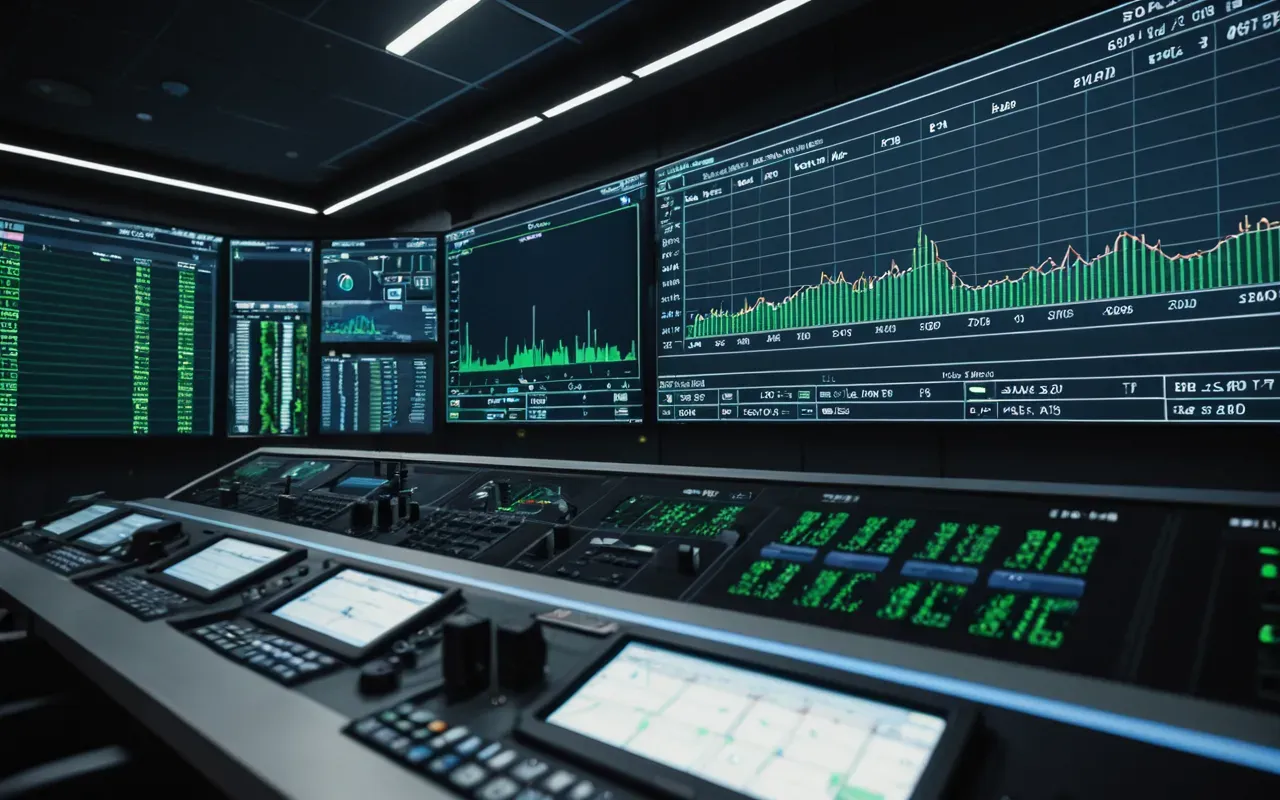
Eiffage must have automated weighing systems that are laser precise. Non-negotiable for large scale projects.
If you're struggling with batching plant calibration drift, look at how the big players handle this.
The Implication Nobody Is Talking About
Here's the thing. This isn't just a win for Eiffage.
It sets a new benchmark for the entire industry. If you can do it in seven months, why does yours take twenty?
Clients will start asking. Investors will notice. The standard is shifting.
Who Wins in This New Landscape of Efficiency
Large players with deep pockets and strong supply chains win. They can absorb the upfront cost of modularization.
Smaller operators might struggle. They can't afford the specialized logistics required for such speed.
This creates a two tier market. Fast and efficient giants versus slower local players.
It forces smaller companies to optimize existing assets rather than chase new builds.
Maintenance Is Where the Real Battle Lies
Building it fast is one thing. Keeping it running smoothly for decades is another.
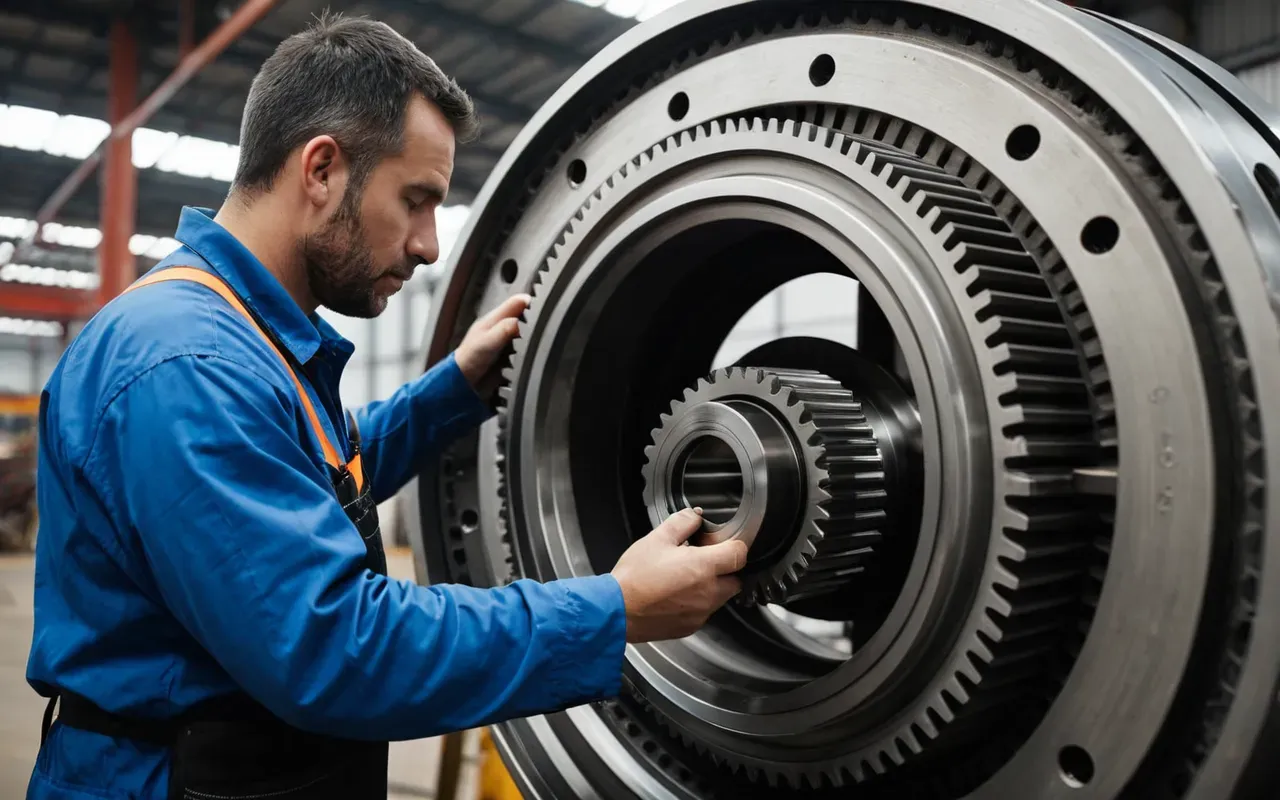
Concrete plants are brutal on equipment. Abrasive materials eat through wear parts quickly.
If you ignore maintenance, the downtime will crush your margins. I've seen it happen too many times.
Predictive Maintenance as the Equalizer
Modern plants use sensors to predict failures before they happen.
Vibration analysis. Temperature monitoring. Pressure drops in hydraulic lines.
This data allows you to fix issues during scheduled downtime. No emergency repairs at midnight.
It's the difference between a profit center and a money pit. Simple as that.
The Future of Concrete Production Is Faster Smarter and Greener
Speed is just one piece. Efficiency drives down waste.
Less material wasted means a smaller carbon footprint. Critical for green construction goals.
Eiffage's move shows that speed and sustainability can coexist. It doesn't have to be a tradeoff.
The industry is moving. The question is whether you're keeping up or falling behind.