Why Your Small Machines Are Losing Money While The Big Iron Prints Cash
The Unexpected Split in Equipment Rental Prices
Everyone assumes construction costs all move in the same direction. They don't. Not anymore. The market just split into two completely different worlds.
Big machines are getting more expensive. Small ones are getting cheaper. Ignore that and it'll hit your bottom line hard.
What the Data Actually Shows About Q
A new survey from EquipmentWatch crunched over ten million rental rates. The results are stark — and very specific.
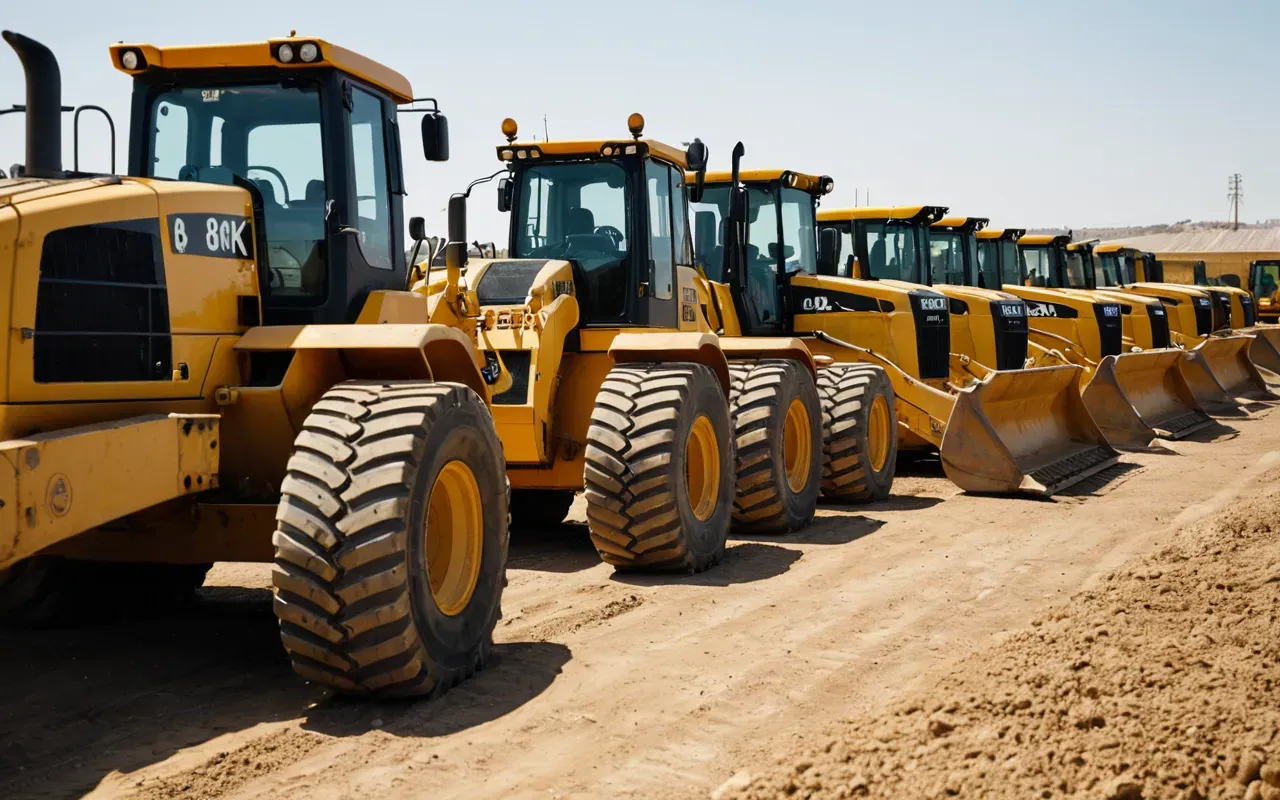
Bulldozers: daily rates jumped fourteen percent, past one thousand dollars. Crawler excavators followed with double digit increases across all timeframes.
On the other side of the fence, skid steers dropped by seven percent. Vibratory compactors fell nearly nine percent for weekly and monthly rentals.
Why Big Iron Is Suddenly More Expensive
This isn't some random price hike. It reflects specific project needs, right now.
Major infrastructure projects are ramping up. Those jobs need heavy earthmoving capability — the kind small machines simply cannot provide.
Rental companies see higher demand for dozers and excavators. So they adjust prices to match the scarcity of available units.
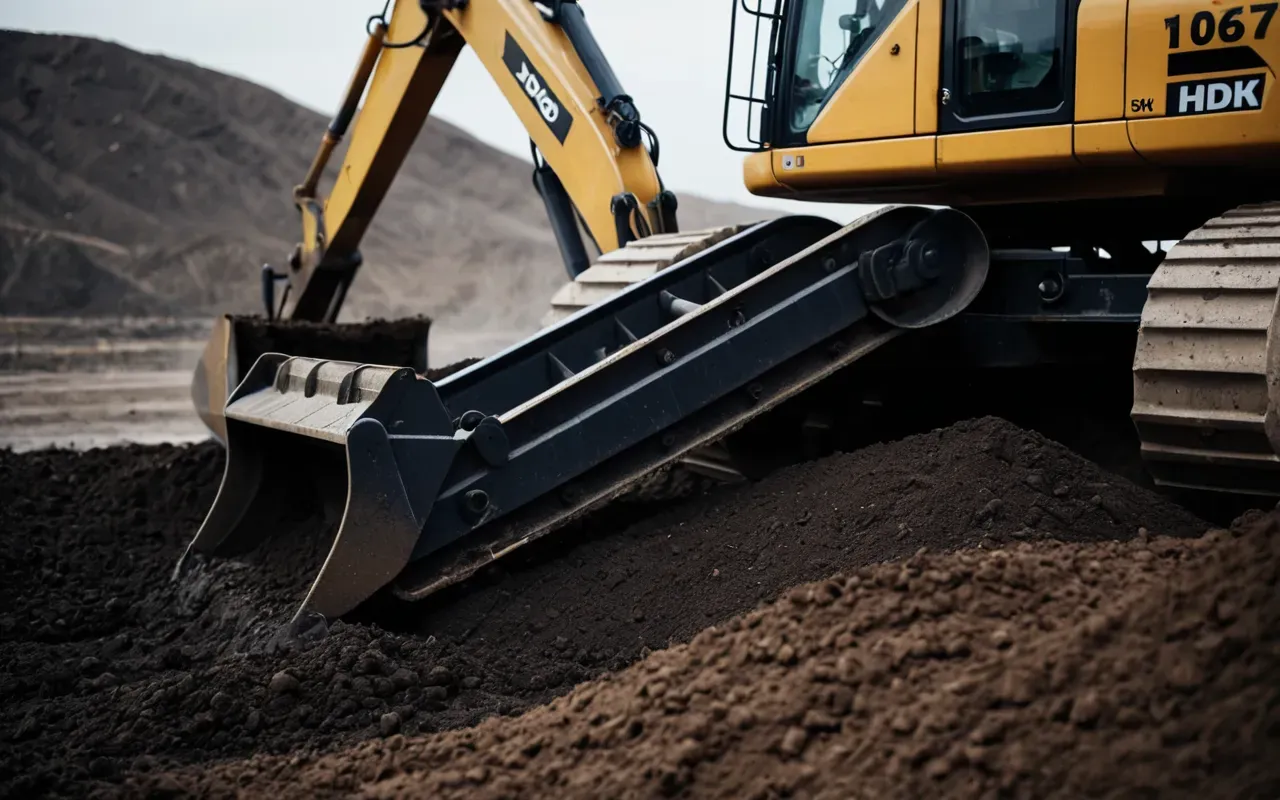
The Quiet Decline of Compact Equipment Rates
You might think smaller machines are always in demand. The data says otherwise for this quarter.
Compact track loaders and skid steers are seeing uniform price drops. That suggests an oversupply, or a shift in project types.
If you've been planning to buy instead of rent, this is a good time. But be careful with financing options.
Plenty of contractors overlook the long term costs of ownership. If you are considering new machinery, check out the silent financial trap in heavy equipment loans that most contractors ignore until it is too late.
What This Means for Your Project Budgets
This split creates a tricky situation for project managers. You need both types of machines to finish jobs.
Heavy equipment is now a premium cost. Budget for higher daily rates on dozers and excavators.
Compact machines are cheaper to rent right now. That could save you money on finishing tasks and site cleanup.
Strategic Moves to Make Now
Lock in long term rentals for your big iron. Short term rates are volatile and high.
Consider buying compact units if you use them regularly. The lower purchase price and low maintenance costs make sense here.
Review your current fleet mix. If you're renting expensive dozers when a smaller machine will do, switch immediately.
The Hidden Risk in Mixed Equipment Costs
Inconsistent pricing creates confusion. Hard to predict total job costs when some items go up and others down.
Which makes bidding on new contracts riskier. You need accurate data to stay competitive without losing money.
Use real time rental rate data for your estimates. Don't rely on last year's numbers.
The Bigger Picture for Construction Professionals
This is not just a quarterly blip. It signals a structural change in how projects are built.
Large scale development is driving demand for heavy movers. That trend will likely continue into the next quarter.
Compact equipment may see a price rebound later. But right now it's the bargain item in your rental yard.
Adapting Your Business Model to Reality
Flexible operators will win. They adjust their equipment mix based on current market rates.
Rigid operators will suffer. They stick to old habits and pay more than they need to.
Look at your last ten projects. How much did equipment cost vary? If it was stable, you are lucky.
If it fluctuated wildly, this report is a wake up call. Prepare for more volatility ahead.
Questions You Should Ask Your Rental Supplier
Ask about their inventory levels for specific machines. High demand means low availability.
Inquire about long term contract rates versus spot market prices. There is often a significant difference.
Find out if they are seeing the same trends in your region. Local conditions can change national averages.
The Future of Equipment Pricing Dynamics
Technology is changing how rental companies set prices. Real time data allows for dynamic adjustments.
Expect more frequent rate changes in the coming months. The static annual price lists are becoming a thing of the past.
Staying informed is no longer optional. It is a core part of running a profitable construction business.
Action Steps to Take Before You Rent Your Next Machine
Do not rush your next rental decision. Take the time to analyze current market conditions.
Compare quotes from at least three different suppliers. Prices vary significantly between companies.
Check the condition of any used equipment you are considering. Maintenance history matters more than age.
If you need help evaluating options, consider why your used excavator is cheaper than ever while new ones sell out fast to understand the market shift.
Building a Resilient Equipment Strategy
Diversify your sources. Do not rely on a single rental company for all your needs.
Build relationships with multiple suppliers. This gives you leverage when negotiating rates.
Keep detailed records of all your equipment costs. This data is valuable for future budgeting and bids.
The Bottom Line for Contractors Right Now
The market is rewarding those who stay agile. It punishes those who sleep on the data.
Big iron is expensive. Small machines are cheap. Use this to your advantage.
Plan ahead and lock in rates where possible. Do not leave your budget to chance.
The next quarter will bring new challenges. But with the right information you can stay ahead of the curve.
Final Thoughts on the Shifting Equipment Landscape
This split in rental rates is a clear signal. It tells you where the industry's focus is moving.
Construction professionals who adapt will thrive. Those who do not will struggle to keep margins healthy.
Keep your eyes on the data. It is more valuable than any opinion or rumor you hear in the yard.
Make smart choices now and you will be set up for success in the coming months.