The legal loophole that saved a small town's trout stream from industrial concrete dust

The Vote That Froze a Controversial Concrete Project
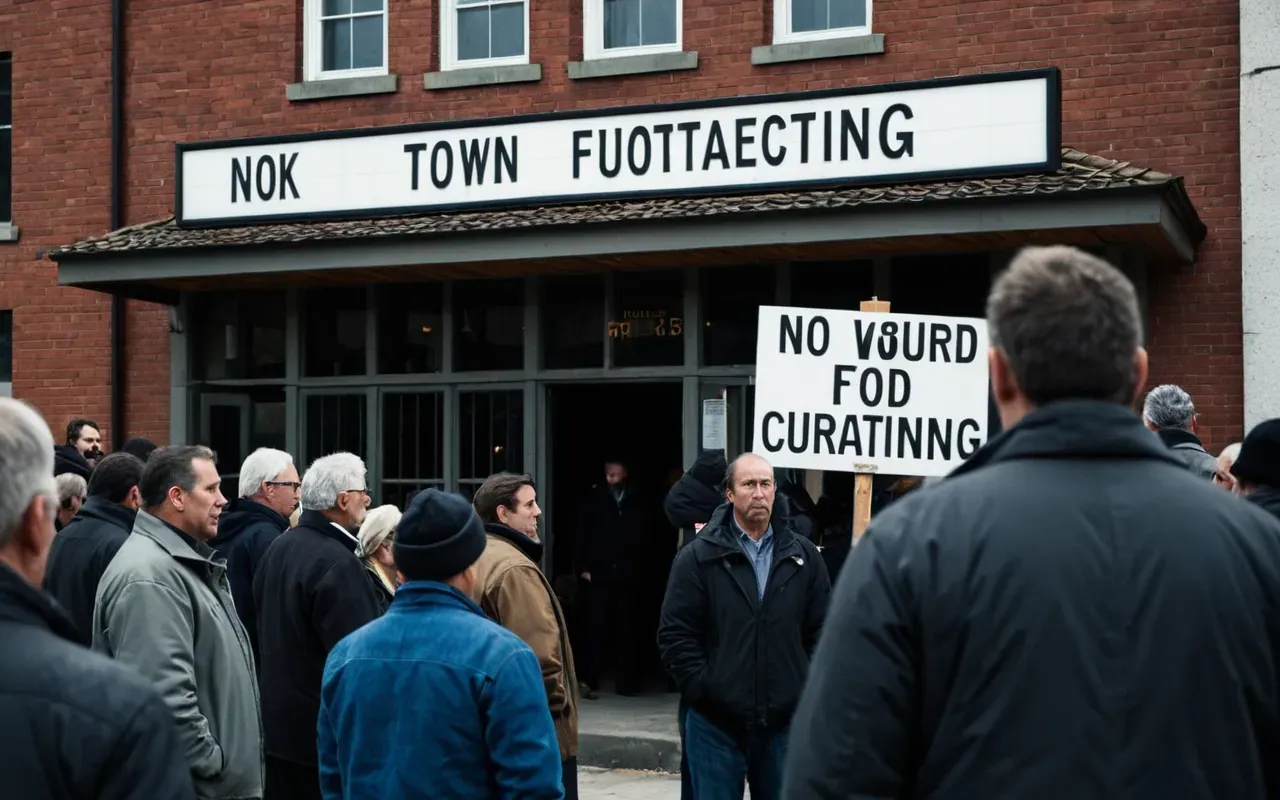
Tuesday night in Clifton Park. The air in the town hall was thick enough to cut. Residents packed the room, faces tight with worry about dust and noise, and the Town Board sat there facing a real decision on a proposed Bonded Concrete facility on Route .
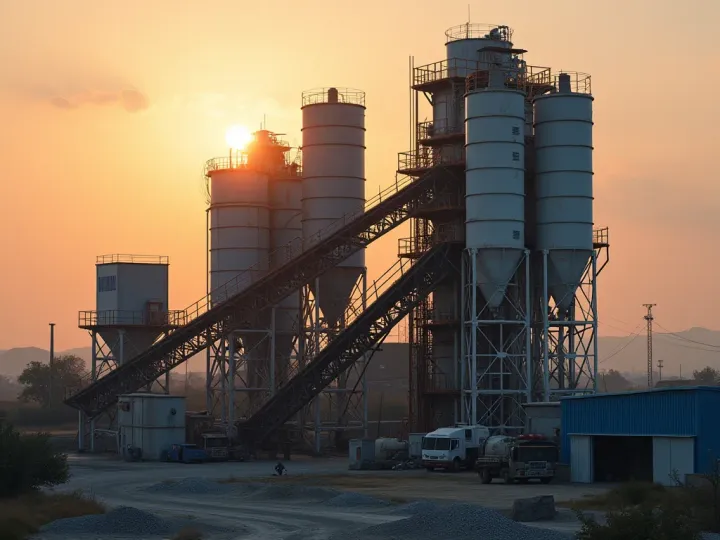
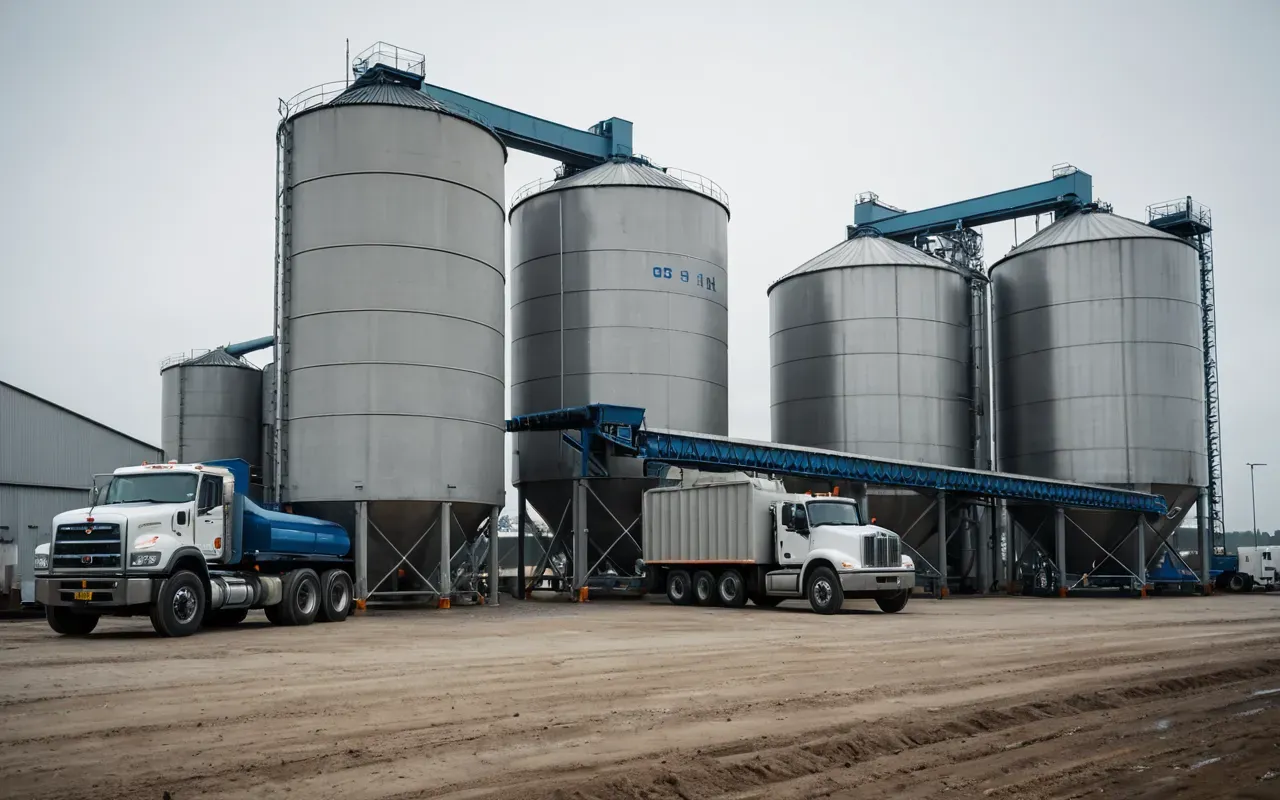
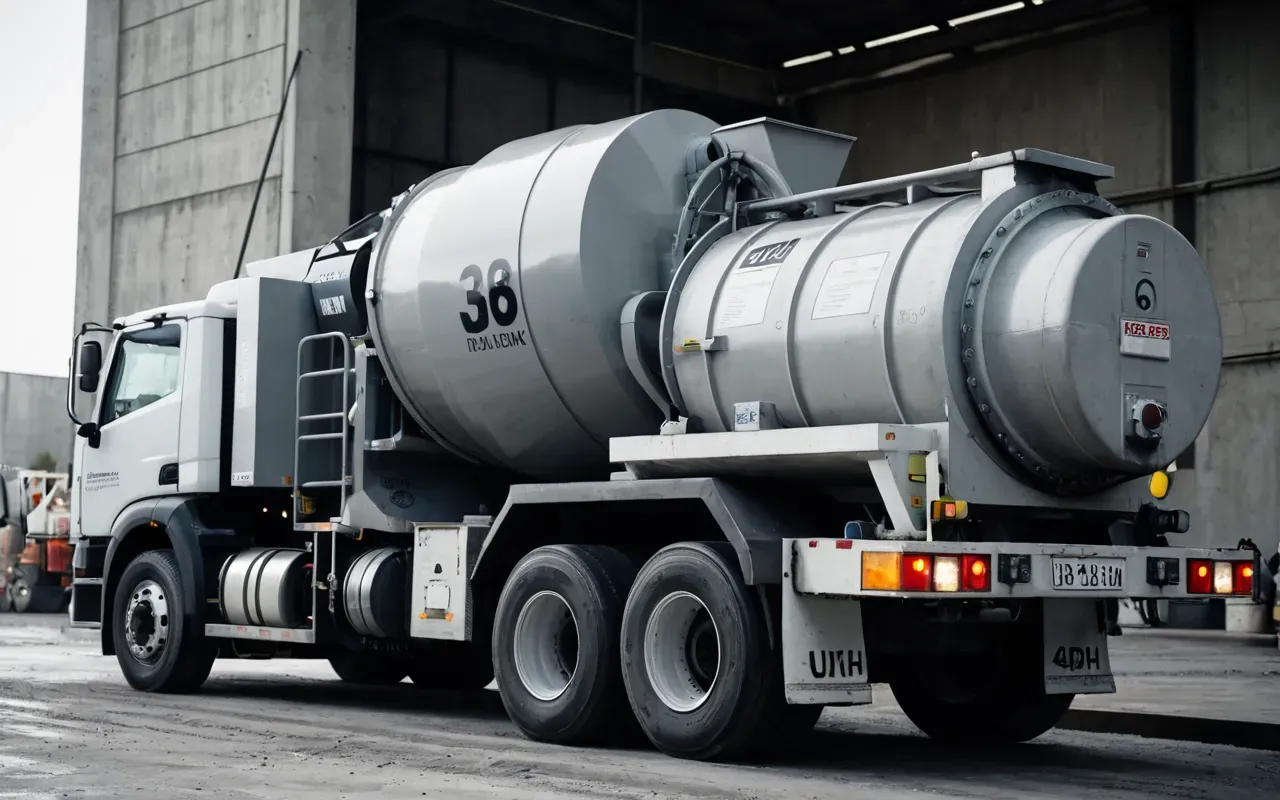
What's on the table? A ,-square-foot facility. Aggregate bin systems, conveyor belts, steel cement silos — standard equipment for high-volume concrete production, sure, but frankly daunting if you live next door.
Councilman Mario Fantini proposed a -day moratorium. Not an outright ban — a strategic delay, giving the town room to review performance standards. The vote passed -.
Only Supervisor Phil Barrett voted no. He warned the town was taking on severe legal liability, and his dissent says a lot about how high the stakes get in local governance.
Why Residents Fought Back Against the Plant Proposal
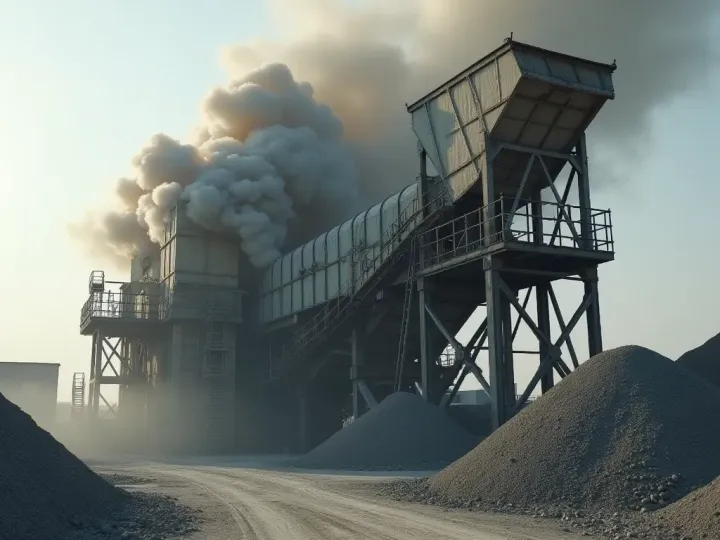
The concerns were specific and immediate. Dust from aggregate handling topped the list for nearby residents. Add noise from heavy equipment running around the clock, and you get the anxiety in that room.
Traffic was another big one. The site sits just south of Ushers Road on Route , and residents feared an influx of heavy mixer trucks would clog local roads and raise accident risks.
But the deepest fear was for the Dwaas Kill. That trout stream is listed as impaired by the U.S. Environmental Protection Agency, and a plant nearby could make water quality worse through runoff and sediment.
Christine Matthews of Residents for Responsible Development made a pointed argument: litigation works both ways, and the town had an obligation to protect citizens.
The Legal Battle Over Moratorium Authority
Attorneys for the property owner and Bonded Concrete pushed back. Linda Mandel Clemente claimed the law's language was changed substantively.
She warned that acting on this vote would lead to litigation, and urged the board to go back to Saratoga Planning to redo the local law properly.
Attorney TJ Ruane took a different angle. Moratoriums, he argued, cannot be used to target specific projects. That's the core legal contention here.
Ruane said the town took unlawful actions to prevent the application. He asked them to follow proper law and stop subjecting residents to unnecessary litigation.
Town Attorney Kevin Dailey countered. Any changes to the law were small and procedural, he said — and the current application, filed in March , is incomplete.
Dailey emphasized that no vested rights have been given to this project. So the town is free to proceed with the moratorium without violating existing laws.
The Environmental Stakes Beyond Local Politics
Linda Seymour of the Historic Preservation Commission raised broader concerns. She pointed to two national historic treasures near the site.
The Clifton Park Hotel and the village of Round Lake are both nearby. Any environmental degradation from the plant could hit those cultural assets too.
Andrea Leo highlighted the voiceless stakeholders. Wildlife depending on local habitats has no say in these decisions — it's up to residents to consider their future.
A moratorium buys time to gather facts before making lasting decisions. This pause isn't just about politics; it's about ecological responsibility and long-term planning.
Implications for Regional Construction Projects
And this case sets a precedent for similar disputes elsewhere. Municipalities may now feel emboldened to use moratoriums as a tool to scrutinize heavy industrial projects.
Companies like Bonded Concrete may face tighter scrutiny in future applications. The legal battle over this specific project could reshape how local governments handle zoning disputes.
For contractors and developers, the lesson is clear: engage with communities early. Ignoring local concerns can lead to costly delays and legal challenges that derail projects.
The Role of Incomplete Applications in Legal Defense
Dailey's argument hinges on the incompleteness of Bonded Concrete's application. If a project hasn't met all regulatory requirements, it lacks vested rights to proceed.
That's a crucial distinction in construction law. Companies often assume filing an application grants them certain protections. But until all conditions are met, the government retains flexibility.
And this tactic could be widely adopted by towns seeking to pause controversial projects. It offers a legal shield against claims of targeted discrimination.

What This Means for Concrete Industry Standards
The pressure from Clifton Park may force the concrete industry to adopt stricter environmental controls. Dust suppression systems and water runoff management could become mandatory features.
Operators of batching plants might need to invest in cleaner technology. That could raise operating costs — but potentially reduce legal risks and community opposition.
If you're involved in heavy equipment management, understanding these regulatory shifts is essential. You might find insights on the real cost of ignoring maintenance schedules to be relevant here.
The industry has to balance efficiency with environmental stewardship. Failure to do so could mean more moratoriums and more legal battles like the one in Clifton Park.
The Human Element Behind the Concrete Fight
Behind the legal jargon are real people with real stakes. For residents, it's about quality of life and health for their families.
For the developers, it's about business viability and investment return. Both sides feel they're fighting for what is right and fair.
This tension between development and preservation is a recurring theme in modern governance. It challenges how we define progress and responsibility.
The outcome in Clifton Park will likely be watched closely by other communities facing similar disputes. It could serve as a model for how to handle contentious construction projects.
Looking Ahead The Future of Local Zoning Battles
As more towns adopt moratoriums as a defensive tool, the legal landscape is shifting. Courts will likely be called upon to interpret these local measures.
Developers may start pre-emptively addressing environmental concerns to avoid delays. This could lead to higher standards for all concrete plants.
For those in the construction sector, staying informed about these legal trends is crucial. You might explore the 7 real questions to ask before buying a concrete batching plant to better understand the industry's challenges.
The Clifton Park case is more than a local dispute. It's a snapshot of the broader struggle to balance growth with sustainability in our communities.
Potential Legal Outcomes and Precedents
If Bonded Concrete sues, the court will need to decide if a moratorium constitutes unfair targeting. This could set a nationwide precedent for similar cases.
A ruling against the town would weaken municipal powers to pause projects. A ruling in favor would strengthen local control over development.
Either way, the outcome will have far-reaching implications for how concrete plants and other industrial facilities are approved across the region.
The Broader Impact on Construction Timelines
Delays in concrete plant approvals can ripple through the entire construction industry. Projects that rely on local supply chains may face budget overruns.
Contractors may need to source materials from further away. This increases transportation costs and carbon emissions, complicating sustainability goals.
Understanding these economic effects is vital for anyone involved in project planning. You might benefit from reading about the silent financial trap in heavy equipment loans that many contractors ignore until it's too late.
The Clifton Park moratorium highlights the interconnectedness of local politics and global supply chains. Every decision has downstream effects that extend far beyond town limits.
Adapting to a More Regulatory Environment
Companies must adapt to this more regulatory environment. This means investing in community relations and environmental compliance as core business functions.
Failure to do so could result in prolonged legal battles and project delays. The cost of non-compliance is becoming increasingly high.
Profit or responsibility? The industry has to figure out where the line sits — and that tension is what will define its future.
Clifton Park is a good reminder, honestly. Construction isn't just about pouring structures. It's about keeping a community's trust and leaving the environment no worse than you found it.
Final Thoughts on the Clifton Park Concrete Dispute
The vote in Clifton Park mattered. It showed that local residents can actually push back on major development decisions — and win.
The legal fight is probably just getting started. But the Town Board's message is hard to miss: environmental and community concerns get taken seriously now.
For the concrete industry, that's a call to action. Want to succeed in a world of tighter regulation? Then sustainability and community engagement can't be an afterthought.
How this dispute ends will shape concrete production across the region. It's a test case — one that shows how we balance progress with preservation.