The Texas concrete plant fight that will reshape how your lungs work for the rest of your life
The verdict that changed everything in Tarrant County
The dust finally settled on October . State regulators dismissed the air quality permit for J Ready Mix — with prejudice. Not a pause. A permanent block. The company cannot build the plant at East FM .
For the neighbors of Brandon McElroy, that moment was worth roughly $, in legal fees. Also worth years of sleepless nights. The fight started in late , and honestly, it felt like a losing battle against a corporate giant. Then the state sided with the community.
Most people see this as a local zoning dispute. I see it as a turning point for industrial safety. The location sat feet from a future intermediate school. , feet from a future high school. Those distances aren't just numbers. They're breathing room for children.
Why the location was never just a business decision
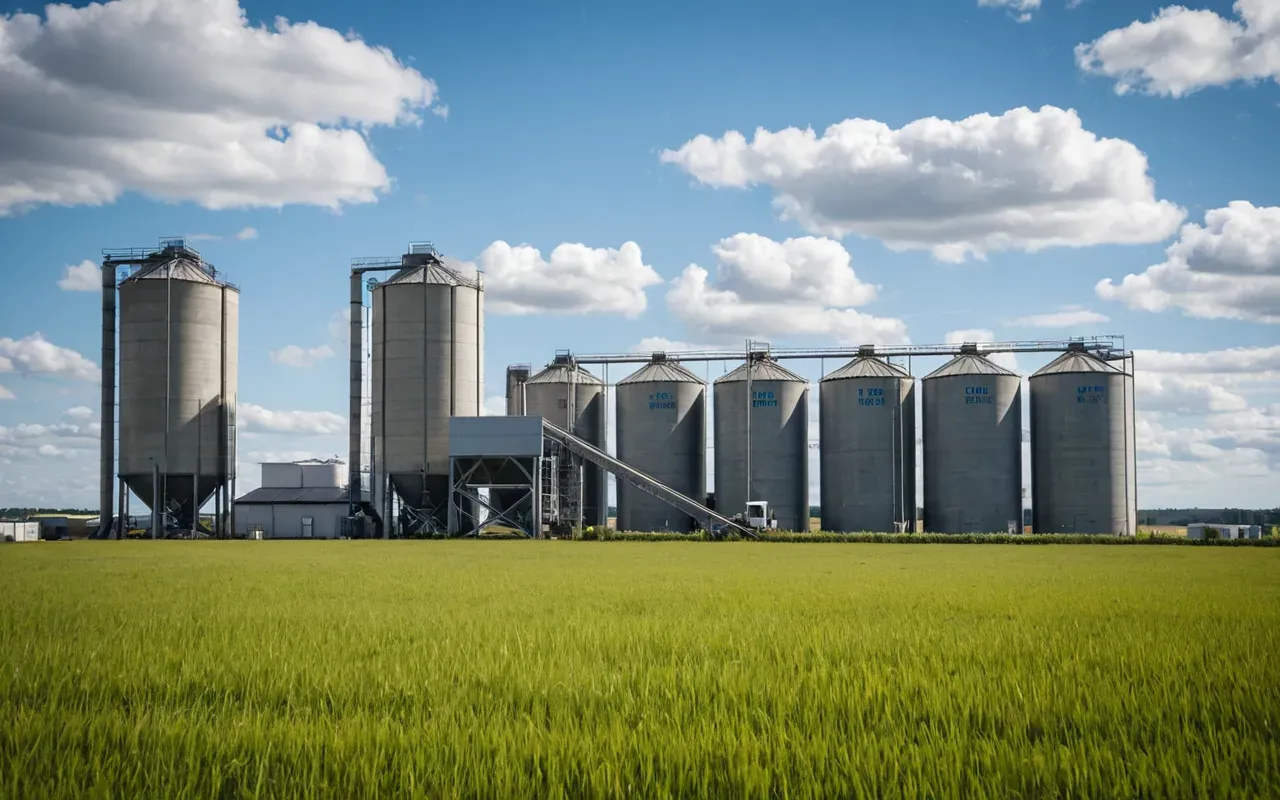
J Ready Mix is based in Alvarado. They wanted to build between Burleson and Mansfield. On a map, the plan looked logical. Cheap land. Easy access. But the map didn't show the families. It didn't show the classrooms already planned for that corridor.
When the opposition organized, they hired Adam Friedman. Austin attorney. He had stopped the Bosque Solutions plant near Mansfield back in . This wasn't a first-timer. This was a seasoned fighter. The company knew it was dealing with a serious legal threat.
The neighbors raised concerns about pollution. They pointed to health risks. Concrete dust is not just an annoyance — it carries silica. Silica dust causes silicosis. It causes lung cancer. It's a known occupational hazard. Putting a plant next to a school is a recipe for disaster.
The hidden cost of industrial proximity
We talk a lot about the cost of concrete. We talk about aggregate prices. Fuel costs for mixers. We rarely talk about the cost to the human body. If you're operating near a plant, you're breathing the byproducts. If you're a neighbor, you're breathing the byproducts.
If you're curious about the invisible costs of concrete plants, this case is a perfect example. The financial ledger never showed the medical bills. Never showed the loss of quality of life. The legal system finally caught up to the reality.
The legal strategy that outsmarted the corporation
J received preliminary approval in March . That should have been the end of the story — most companies would have started building. The neighbors did not give up. They requested a contested case hearing. That's a formal legal process, and it forces the state to review the application in detail.
McElroy learned of the approval while vacationing in Italy. He vowed to keep fighting. And the community had grown. New residents moved in. They added their voices. They added their money. The collective power of the neighborhood became a legal weapon the company could not ignore.
The state regulators looked at the evidence. They looked at the distance to the schools. They looked at the potential for dust migration. Then they dismissed the permit with prejudice. That's the strongest form of dismissal. It means the company can't simply reapply. The door is closed.
What this means for concrete production safety
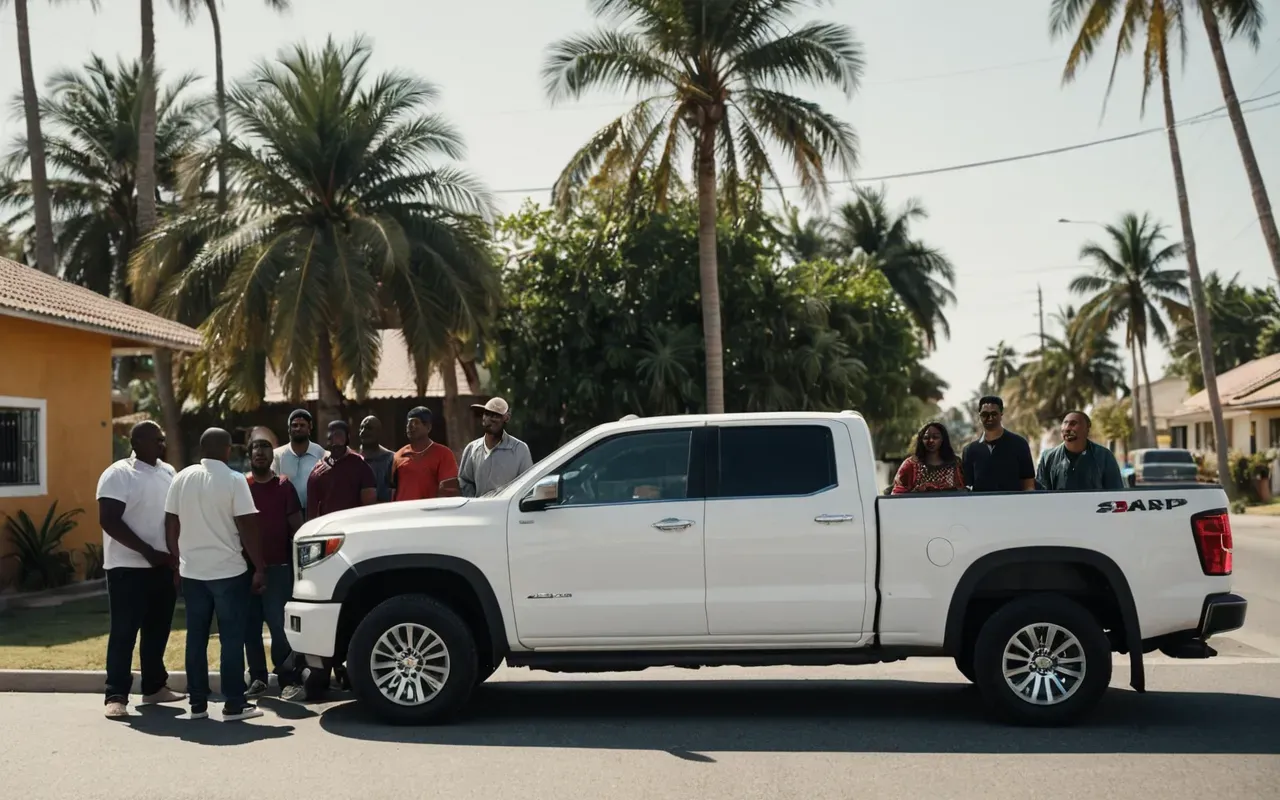
This decision is a warning shot to the industry. It's not just about one plant. It's about the standard. Regulators are now paying closer attention to proximity. Closer attention to health impacts. The days of building near sensitive areas without a fight may be over.
For plant operators, this is a reminder. Your maintenance schedule matters. Your dust control systems matter. If you're bleeding money through poor maintenance, you're also creating a liability. A well-maintained plant is a safer plant. A poorly maintained plant is a lawsuit waiting to happen.
The technology gap in dust control
Modern batching plants have advanced technology — sensors, automated controls. But many older plants don't. And the gap between new and old is widening. If you're running an older unit, you're at a disadvantage. You're also at a higher risk of violating air quality standards.
If you're looking at the real cost of ignoring maintenance, this legal fight is the ultimate example. The cost isn't just in parts. The cost is in permits. The cost is in reputation. The cost is in the health of the people around you.
The future of concrete plant siting in Texas
Texas is growing. Construction is booming. We need concrete. We need plants. But the way we site them is changing. The J Ready Mix case will be cited in future hearings. It will be used as precedent. It will be a tool for communities fighting their own battles.
Companies will have to be more careful. They'll have to engage with communities earlier. They'll have to invest in better dust control. They'll have to prove their operations are safe. The burden of proof is shifting — it's no longer just about the company. It's about the community.
If you're in the business, you need to adapt. Look at your site. Look at your neighbors. Look at your impact. If you're not doing that, you're flying blind. And flying blind in Texas construction is a dangerous game.
The human story behind the legal win
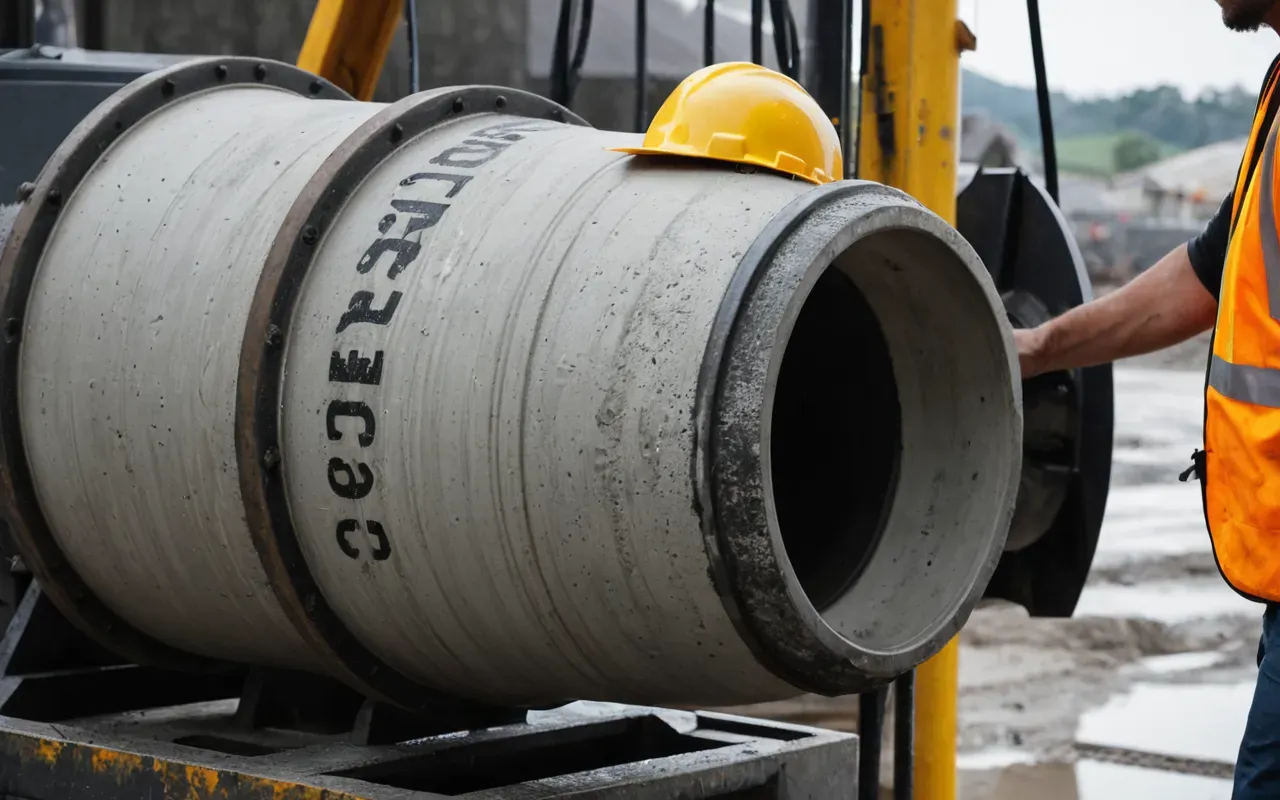
Behind the legal terms and the regulatory codes, there are people. There are families. There are children who will go to those future schools. They'll play on the playground. They'll breathe the air. The neighbors who fought this fight did it for them. They did it for their own lungs.
David Smith is one of those neighbors. He raised concerns early. He stood up for his community. He's not a lawyer. He's not an engineer. He's a father. And he knew a concrete plant feet away was a threat. His instinct was right. The legal system agreed.
This isn't just a story about a plant. It's a story about power. About community. About the right to clean air. In a state known for industry, the residents of Tarrant County just proved they have a voice. And that voice is loud.
The cost of inaction for companies
J Ready Mix spent money on legal fees. They spent time. They spent reputation. They lost the right to build. That's a huge cost. But the real cost is the missed opportunity. They could have built the plant. They could have made money. They chose to fight the community. They lost.
If you're a company, take note. Do not underestimate the community. Do not underestimate the regulators. Do not underestimate the power of a united neighborhood. If you're not engaging with your neighbors, you're not doing your job. And you will pay for it.
What you can do to protect your plant and your community
If you operate a concrete batching plant, you have a responsibility. A duty to your workers. A duty to your neighbors. A duty to the environment. Start by reviewing your dust control systems. Make sure they're working. Make sure they're maintained.
Talk to your neighbors. Hold the town halls, take the questions, and don't dodge. Show them what you've actually done on safety — the real measures, not a brochure. If you're hiding, you look guilty. If you're open, you're strong. The J Ready Mix case proved that hiding and fighting is a losing strategy.
Put money into technology. Put money into maintenance. Put money into people. Running an older plant? Consider upgrading. Running a new one? Make it the best it can be. The industry is changing, and the standards keep climbing. Stand still and you're falling behind.
The role of maintenance in regulatory compliance
Maintenance isn't just about keeping the plant running. It's about keeping the plant legal. A well-maintained plant throws less dust, leaks less, breaks down less. It's easier to defend. It's easier to prove you're compliant. A poorly maintained plant is a target.
If you're shopping for batching plants that pay off, look for ones with strong maintenance records. Ones with good community relations. Ones with modern technology. Those are the plants that survive the next regulatory wave. Those are the plants that thrive.
The bottom line for the concrete industry
The J Ready Mix case is a landmark, a warning, and a lesson all at once. It's a reminder that the concrete industry isn't above the law. Not above the community. Not above people's health. If you're in this business, respect that — and act on it.
The neighbors of Tarrant County won. They spent money, time, and energy. But they won. And now the industry has to take notice. The days of easy permits and easy siting are over. The future is more complex. More responsible. And honestly, that's a good thing.
Want the specific legal details? Check out why the Texas concrete plant legal fight will decide your lung safety. It breaks the case down in detail. A must-read for anyone in the industry — and a call to action.