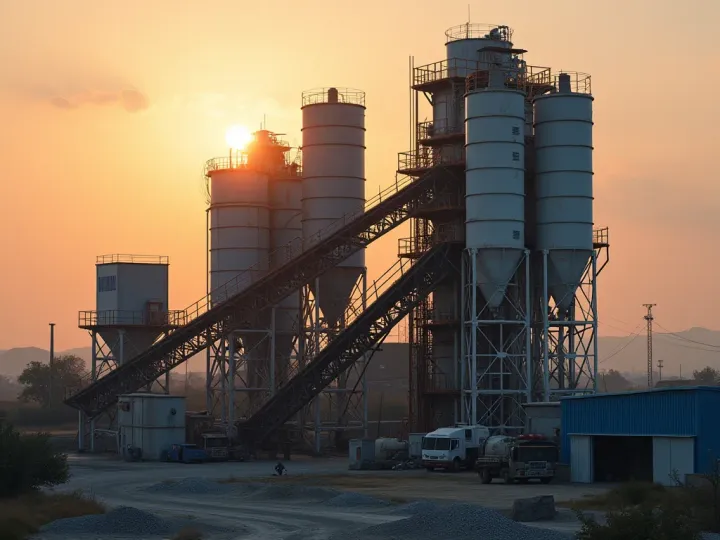
The Invisible Cost of Concrete Plants Your Neighbors Never See
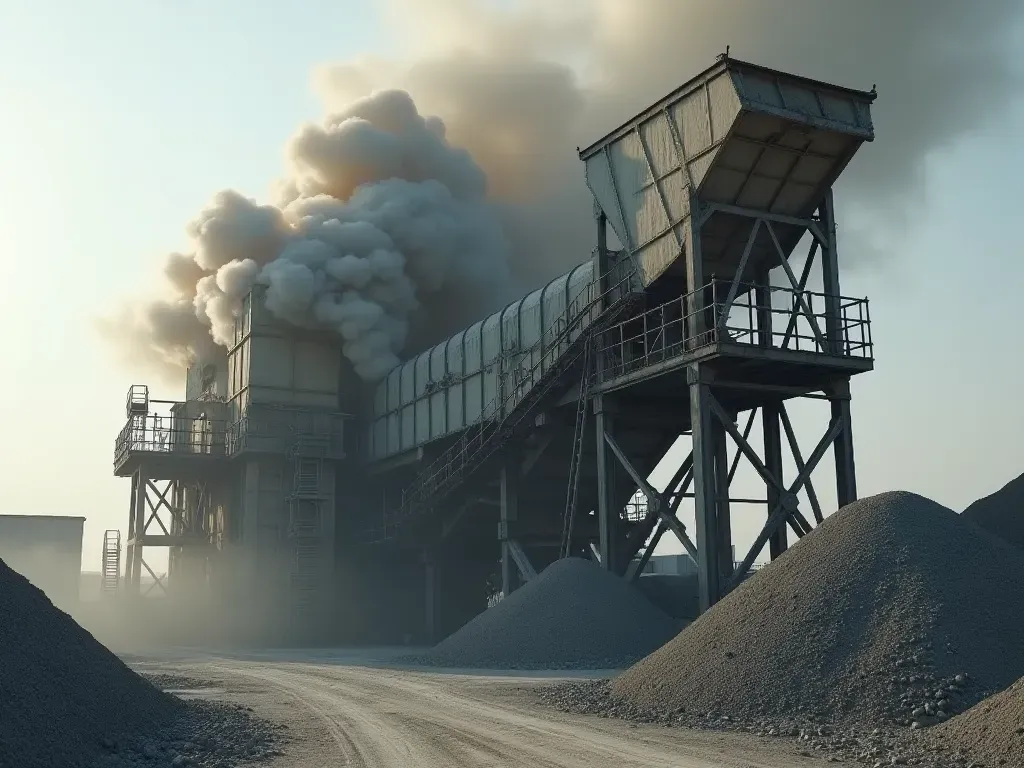
The Dust You See Is Just the Tip of the Iceberg
Walk past a batching plant and you see dust. You hear the hum of the mixer. You smell the wet earth. Most people stop there, figuring that's the whole environmental story. It is not. Not even close.
I have spent the last decade on the floor of production facilities. I have watched operators tweak screens and adjust water lines. I have seen the real damage hide in the data logs. It is quiet. It is digital. And it is far more persistent than the gray powder in the air.
The industry often talks about emissions. CO from cement is the big headline. But the local footprint is where the community feels the pain. It is the water table. It is the microplastics in the sand. It is the heat island effect radiating off the aggregate silos. These are the invisible costs.
We are going to look past the obvious. We will talk about the tech that fixes these hidden leaks. We will talk about the money you save when you stop wasting resources. And we will talk about why the old way of doing things is no longer an option.
Water Is the Silent Killer of Modern Batching
Concrete is wet. That is the first rule. You need water to mix the cement and the aggregate. A standard plant uses thousands of gallons a day. Where does it go? Most of it evaporates. Some of it leaks. The rest goes into the trucks.
Here is the thing. The water used in batching is rarely clean. It carries cement fines. It carries chemical admixtures. It carries oil from the hydraulic systems. When this water hits the ground, it changes the chemistry of the soil. It clogs the pores. It kills the grass.
I once walked a site in a dry region. The ground was cracked and white. It looked like salt. It was cement residue. The plant had been operating for ten years. The soil was dead. The cost to fix that land is astronomical. It is a hidden tax on the environment.
Modern batching technology solves this. Closed-loop water systems capture every drop. They filter it. They reuse it. The water never touches the ground. It stays in the tank. It stays in the cycle. This is not just good for the planet. It is good for your bottom line.
Microplastics Are Hiding in Your Aggregate
This is the part nobody talks about. Your sand. Your gravel. It comes from quarries. It comes from riverbeds. And in the last twenty years, it has picked up something new. Microplastics. Tiny fragments of plastic that are too small to see but too big to ignore.
When you wash your aggregate, you wash these particles into the water. When you mix your concrete, you trap them in the matrix. When that concrete breaks down in fifty years, the plastic is released. It goes into the soil. It goes into the groundwater. It is a slow leak.
I have seen labs test this. They take a sample of washed sand. They burn it. They look at the residue. It is plastic. The industry is waking up to this. Some suppliers are now screening for microplastics. It adds cost. But it reduces a long-term liability.
If you are buying a plant, ask about the wash water treatment. Ask about the filtration. A basic sieve is not enough. You need a multi-stage system. You need to capture the fine particles. You need to dispose of them properly. It is a small part of the machine. But it has a big impact.
The Noise That Changes the Neighborhood
Noise is not just a nuisance. It is a health issue. Studies show that chronic noise exposure increases stress. It raises blood pressure. It disrupts sleep. A batching plant is not a jet engine. But it is loud. The mixers. The loaders. The trucks. It is a constant drone.
I remember a project near a school. The plant was legal. It met the codes. But the kids complained. Teachers complained. The noise was a constant background hum. It was not a spike. It was a baseline. And that is the problem. Your brain does not tune it out. It stays with you.
Sound barriers help. But they are not a fix. You need to look at the equipment. Newer mixers are quieter. They have better insulation. They use electric drives instead of diesel. The difference is huge. A modern plant can be % quieter than an old one. That is a real change for the neighbors.
Energy Use Is a Moving Target
A batching plant runs on electricity. And diesel. The mixers use power. The conveyors use power. The lights use power. And the diesel trucks use fuel. It is a mix of sources. And it is a mix of emissions. You cannot control the grid. But you can control the machine.
I have seen plants that waste half their energy. The mixers run empty. The conveyors run at full speed. The lights stay on overnight. It is sloppy. It is expensive. And it is bad for the planet. The fix is simple. Use sensors. Use controls. Use data.
Variable frequency drives are a must. They match the motor speed to the load. If the belt is light, the motor slows down. If the belt is heavy, the motor speeds up. It saves power. It saves wear. It saves money. It is a small upgrade with a big return.
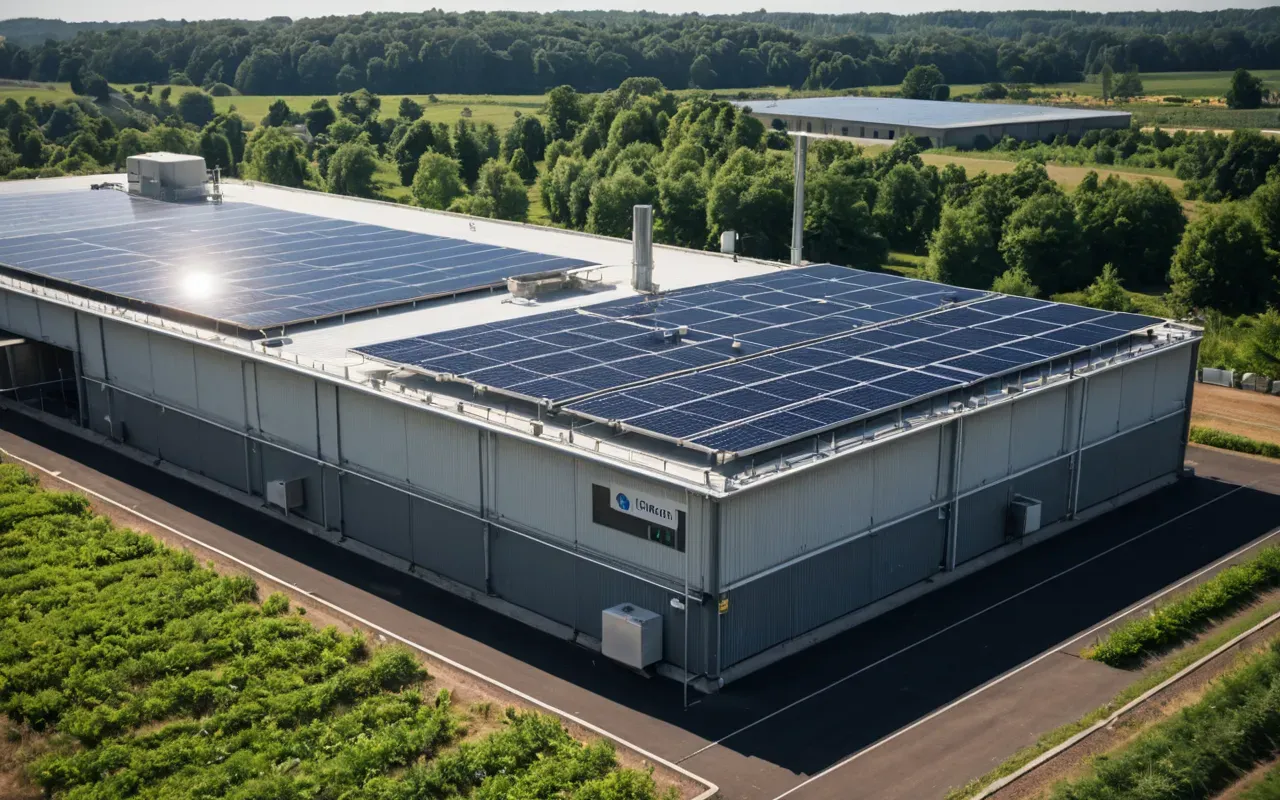
Solar panels are another option. Many plants now have them. They offset the daytime load. They reduce the grid draw. It is not a full solution. But it is a step. And it is a visible step. Your neighbors see the panels. They see the commitment. It changes the perception.
The Carbon Footprint You Can Actually Control
Cement is the big emitter. You cannot change that. The chemistry is the chemistry. But you can change how you use it. You can optimize the mix. You can reduce the waste. You can use supplementary materials. It is not about eliminating cement. It is about using less of it.
Fly ash is a common additive. It comes from power plants. It is a waste product. It replaces some of the cement. It lowers the carbon. It improves the durability. It is a win-win. But you have to be careful. Too much fly ash slows the cure. You need the right balance.
I have seen mixes that cut carbon by %. They use less cement. They use more aggregate. They use better admixtures. The concrete is just as strong. It is just as durable. But it has a smaller footprint. It is a smart move. And it is a defensible move.
How Technology Fixes the Invisible Leaks
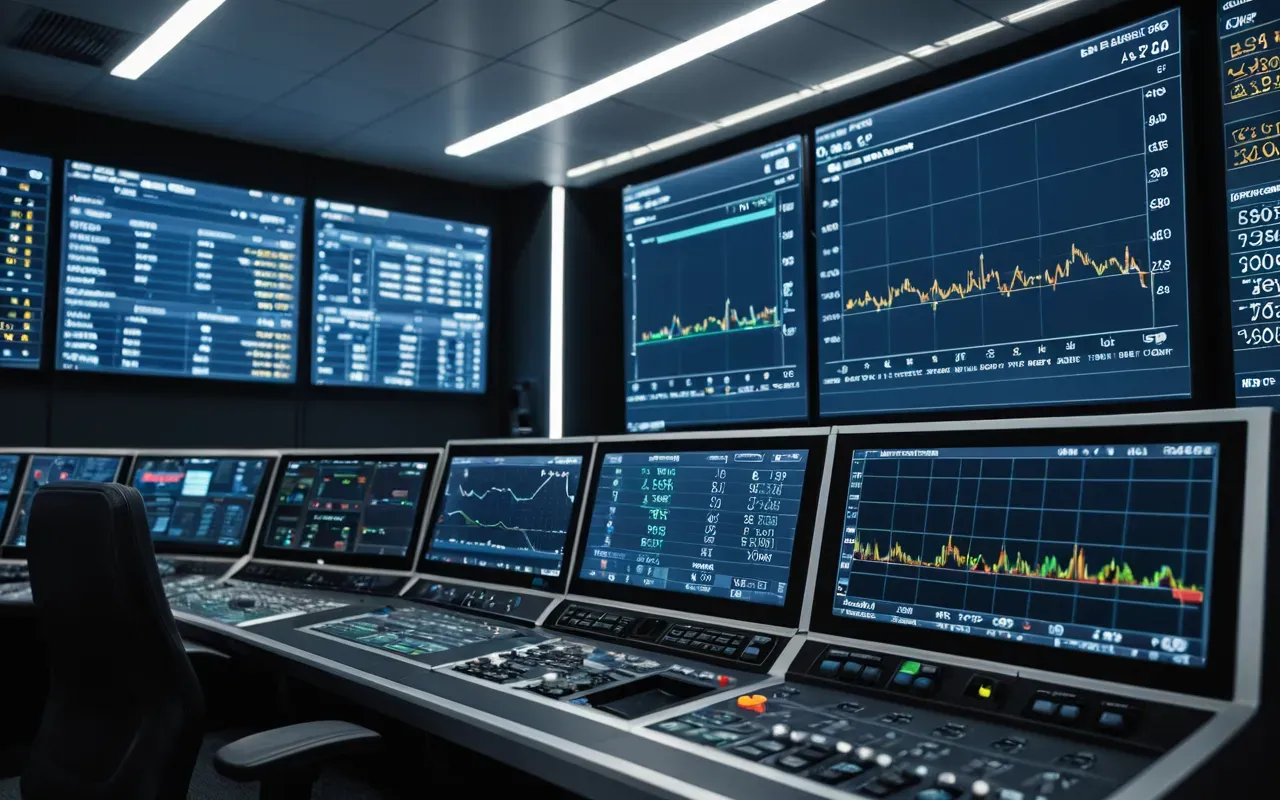
The best plants are the quiet ones. They are the clean ones. They are the efficient ones. They use tech to close the gaps. They use sensors to track the waste. They use data to optimize the mix. It is not magic. It is engineering. And it is available.
Digital twins are a big step. They simulate the plant. They predict the failure. They optimize the flow. You can see the bottleneck before it happens. You can fix it before it costs you. It is a game changer. But it requires data. And it requires discipline.
I worked with a plant that ran a digital twin. Fifteen percent less waste. Ten percent less energy. Twenty percent less downtime. Those numbers are real, the impact is real, and the tech already exists. You don't have to wait. You can start now.
Integration is the whole game. Sensors have to talk to the controls. Controls have to talk to the dashboard. The dashboard has to talk to the operator. It's a chain, and every link has to hold. One weak link and the whole system falls over. So build it right — then maintain it.
The Economic Argument for Environmental Care
People assume eco-friendly means expensive. It doesn't. It's a different cost. Higher upfront, lower over time. You save on water. You save on energy. You save on fines. You save on reputation. Honestly, it's the better deal.
I've seen a plant that ignored the rules. Got fined. Lost contracts. Lost trust. The cost was huge, and the environmental damage was worse. Here's the kicker: the fix was cheap. The regret was expensive. Learn from their mistake and do it right the first time.
Clients are asking now. They want green concrete. They want low-carbon options. They want proof. If you have it, you win the bid. If you don't, you lose it. The market is shifting, and it's shifting fast. Be ready. Be ahead. Be the leader.
What to Look for in a Modern Plant
Start with the water system. Look for a closed loop. Look for filtration. Look for reuse. If the water goes to the ground, walk away. If it stays in the tank, keep looking. That's the first sign of a serious operator.
Next, the mixers. Are they efficient? Quiet? Do they run variable drives? Old and loud means liability. New and smart means asset. The mixer is the heart of the plant — treat it with respect.
Finally, look at the data. Can you see the usage? Track the waste? Predict the failure? If you can't see it, you can't control it. A plant without data is flying blind, and that's a dangerous place to be.
Frequently Asked Questions
What is the biggest environmental impact of a concrete plant?
Water usage is the biggest local impact. Plants use thousands of gallons daily, and if that water isn't recycled, it carries cement fines and chemicals into the soil. Closed-loop systems are essential to prevent this contamination and reduce the facility's overall water footprint.
How can batching technology reduce carbon emissions?
Technology reduces emissions by optimizing mix designs and energy use. Digital controls ensure precise material usage, cutting waste. Variable frequency drives lower electricity consumption. And supplementary materials like fly ash lower the cement content, which directly cuts CO output.
Is it cheaper to run an eco-friendly concrete plant?
Yes — in the long run. The upfront cost for advanced filtration and energy-efficient motors is higher, but savings on water, electricity, and regulatory fines quickly offset the investment. Less waste and better material efficiency also lower the cost per batch over time.