Why your concrete is about to start purifying the air in a way nobody expected
The quiet revolution inside your standard gray block
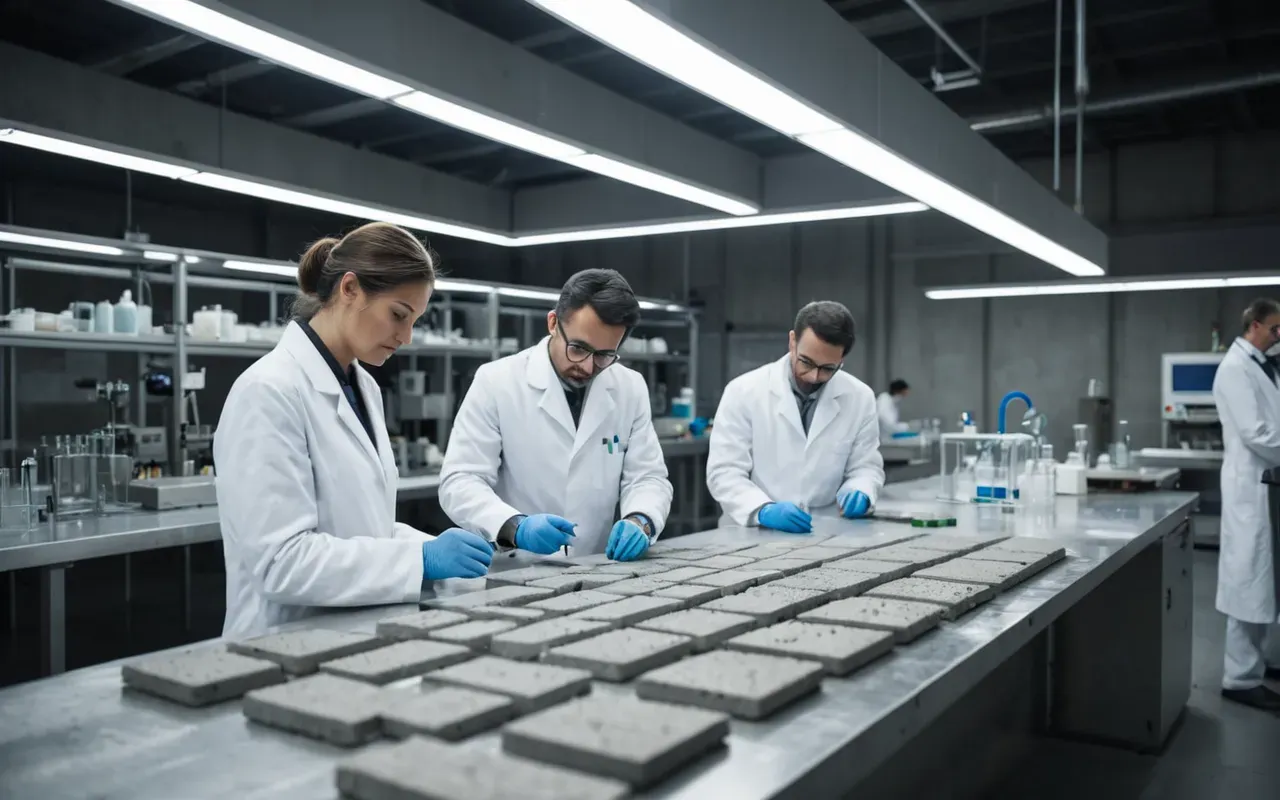
Most people think concrete is just dead rock. They see it and think of weight. But take a closer look at the latest lab results from University of Wisconsin-Milwaukee, and something strange starts to show up.
The material is now acting like a living filter. It breathes in pollutants and breaks them down at the molecular level. This is not science fiction.
I have watched industry trends for years, and this specific shift catches me off guard. It changes the entire value proposition of a standard wall or floor slab.
You are no longer just buying structural support. You are buying a functional environmental device that sits quietly on your jobsite for decades.
What the Concrete Advancement Network is actually doing
The group involves nine major construction firms. They are pooling resources with two top-tier universities to solve real problems.
The goal is simple but the execution is complex. They want concrete that lasts longer and uses less energy to produce.
This is not just academic theory. The funding comes from real corporate budgets matched by the National Science Foundation.
The nanotechnology angle nobody is talking about yet
Here is the detail that usually gets lost in press releases. The concrete can destroy unwanted organic compounds.
Sobolev from the engineering college explained it simply. Suddenly your wall can purify air.
This means the material is doing work for you. It is actively managing the chemical composition of the space it occupies.
For a batching plant operator this is huge. The value of your mix just went up significantly.
If you are selling standard gray stone this changes your marketing pitch entirely. You are now selling a cleaning service.
Why durability is the real money maker here
There is a hidden cost to short-lived structures. Rebuilding drains budgets and resources.
The research focuses heavily on making concrete stronger so builders can use less of it.
Fiber-reinforced concrete is becoming common. It was exotic twenty years ago.
This shift in material strength directly impacts your production volume and waste levels at the plant.
The sensor technology that changes maintenance forever
Imagine knowing exactly when a crack starts forming. No more guesswork in inspections.
The team is embedding electrodes directly into the mix. These send signals when stress occurs.
This creates a feedback loop between the structure and its managers. It is real-time data.
For operators this means fewer unexpected failures. It also means better planning for repairs.
The fly ash problem nobody wants to discuss openly
Coal plants are closing across the region. Fly ash is disappearing from supply chains.
This forces a complete rethink of standard mix designs. You cannot rely on old formulas.
The network is studying alternatives to keep costs stable. This protects your bottom line.
Who wins and who loses in this new landscape
The companies inside the consortium get first access to these innovations. They see them before they hit the open market.
Smaller players who ignore this trend will struggle to compete on value. They are stuck selling basic commodity material.
The gap between informed operators and those in the dark is widening fast. It affects pricing power.
I believe the next five years will separate the leaders from the laggards in this sector.
What this means for your daily operations right now
You do not need to change your equipment today. But you should start tracking these material shifts.
Understanding the chemistry behind durable mixes gives you an edge in client conversations.
If you are curious about how these shifts affect your specific maintenance routines check out how AI is changing standard protocols.
The technology is moving from labs to loading bays faster than most people realize.
Stay informed or risk being left behind with outdated product knowledge.