Why Texas Is About To Force Your Concrete Plant To Slow Down And Pay Up
The Quiet Shift In Concrete Plant Economics
Most operators still see environmental rules as paperwork. That mindset is now dangerously outdated.
The Texas Commission on Environmental Quality has proposed changes that hit your profit margin right where it hurts. Production limits are dropping. Dust control is becoming mandatory — and specific.
Run a facility in Harris or Montgomery counties? Your hourly output cap might drop from three hundred to two hundred cubic yards. That is not a small adjustment.
Why The New Production Caps Matter More Than You Think
The proposed rule sets an annual limit of six hundred and fifty thousand cubic yards per plant. For high-volume operations, that forces a rethink of scheduling.
You can no longer just run the machinery until it stops. You have to plan around these hard ceilings. The days of unlimited throughput are ending in specific high-density zones.
Here's the flip side: this creates a competitive advantage for plants that already run lean. If your efficiency is high, the cap barely touches you.
But if you rely on brute force and long hours to meet demand, your margin will shrink. The industry is moving toward precision over volume.
The Hidden Cost Of Compliance Delays
Existing permit holders have two years to comply. That sounds like plenty of time — until you look at the capital required.
New dust suppression systems and enhanced monitoring equipment are expensive. And the cost is not just the hardware; it is the downtime during installation.
Operators who wait until the last minute will face rushed decisions and higher prices. Early adopters are already negotiating better terms with vendors.
Dust Control Is No Longer Optional
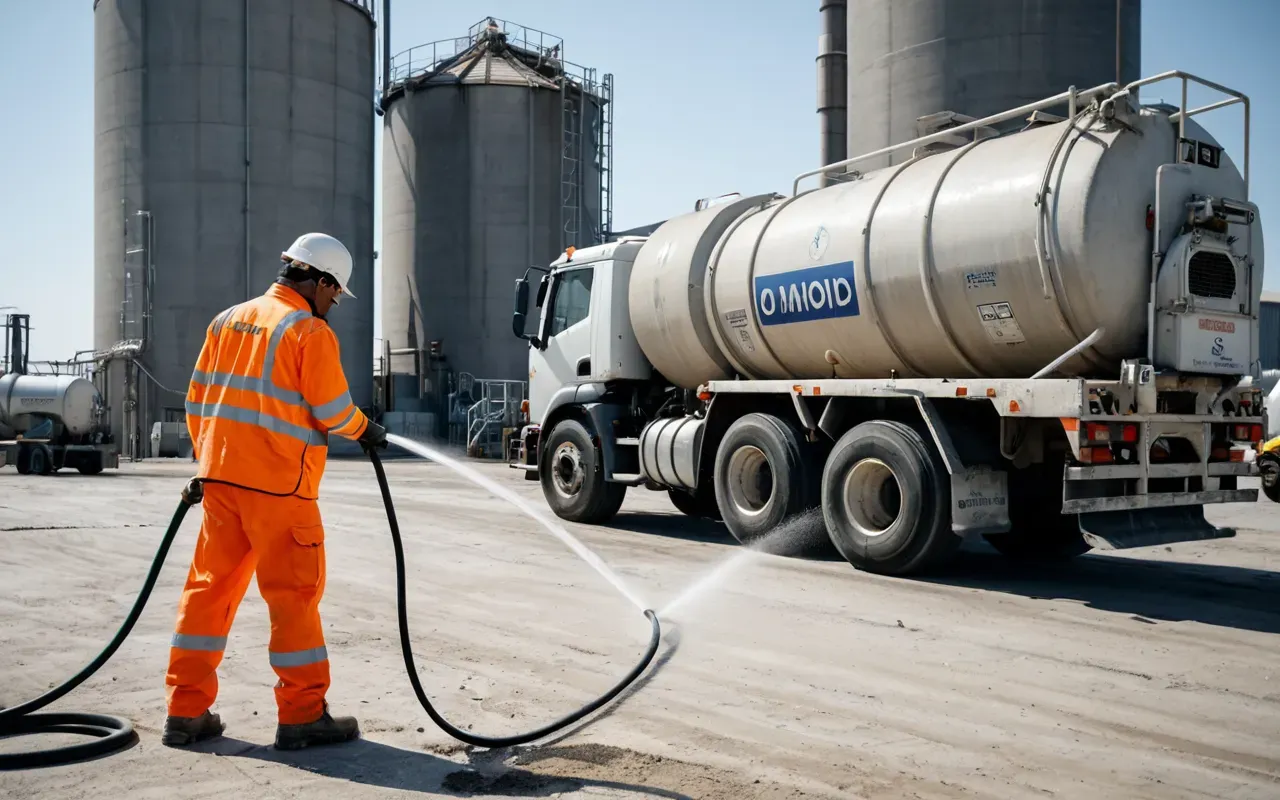
The new rules require specific actions to minimize particulate matter. Watering down transfer points is now a mandate, not a suggestion.
You must sweep and clean machinery roads daily. The perimeter fence height is already required at twelve feet, but maintenance standards are tightening.
Crystalline silica remains a major health risk. The state is cracking down because residents are breathing it every day.
The Technology Gap In Dust Management
Many older plants rely on manual watering. Inefficient. Inconsistent.
Modern automated suppression systems can detect dust levels in real time. They activate only when necessary, saving water and labor.
If you are still using a garden hose to fight industrial dust, you are falling behind. The technology exists and it pays for itself in labor savings.
The Distance Rule And Community Pushback
TCEQ is proposing to double the minimum setback from one hundred to two hundred feet in several counties. In some border areas, it goes up to three hundred feet.
This is a direct response to complaints from residents living near plants. The noise and light pollution are real issues that regulators can no longer ignore.
For new sites, this changes the land selection game. You need more buffer space than ever before to get a permit approved.
Who Wins And Who Loses In This Shift
Large corporations with capital reserves win. They can absorb the compliance costs easily.
Small independent operators are squeezed. The barrier to entry is rising fast in regulated zones like Houston and Dallas.
Industry consolidation will accelerate. Expect fewer players with larger market share in the next few years.
What Operators Must Do Right Now
Do not wait for the final rule to drop. The public comment period is open and you can influence the outcome.
Audit your current dust control practices. Are they meeting the new proposed standards? If not, start planning upgrades immediately.
Review your production schedules. Can you meet the new hourly caps without losing revenue? If not, look at efficiency gains in your batching process.
The Efficiency Playbook For Tighter Limits
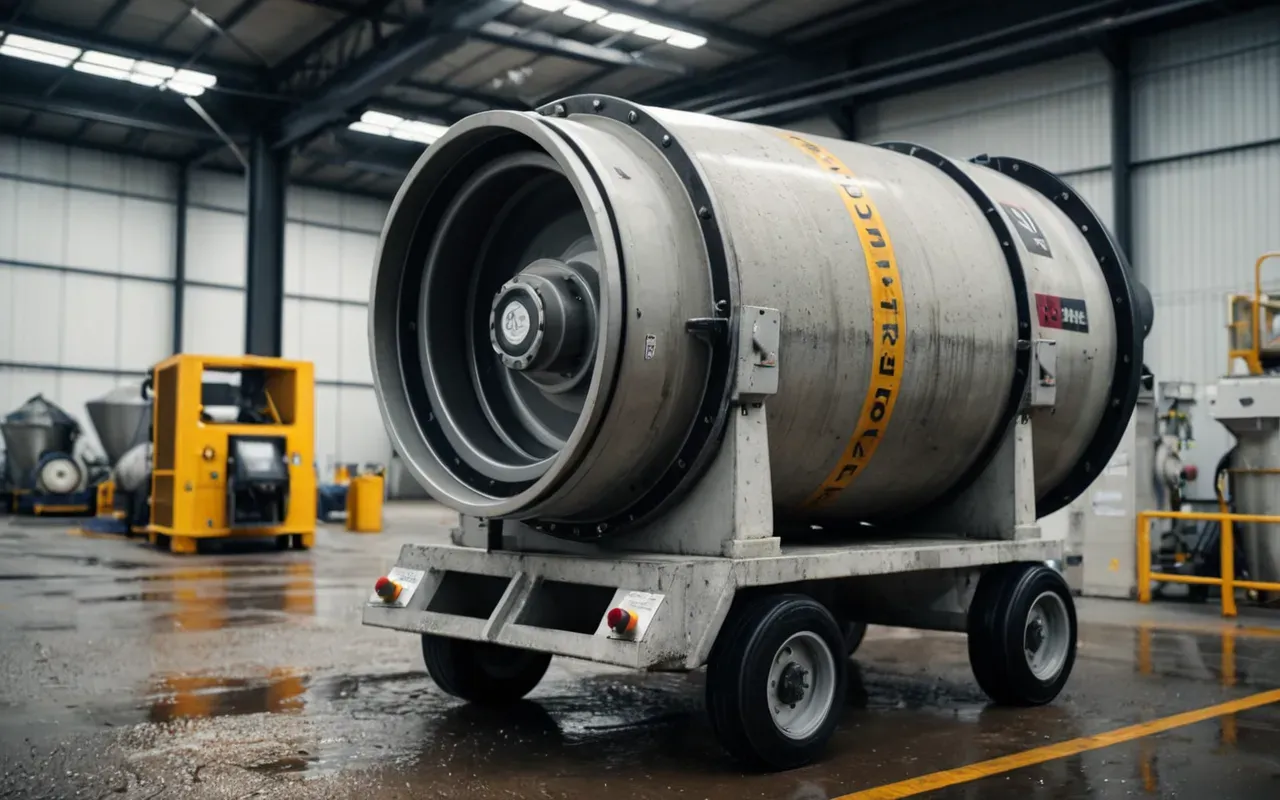
Focus on reducing waste in your raw material handling. Every ton of sand or cement wasted is money lost under tighter production caps.
Invest in better weighing systems. A small percentage error in batching can cost you thousands of dollars a month.
If your plant is operating blind on material usage, this recent national survey data shows how much money is being left on the table.
The Long Term Future Of Concrete Production
This is not just about dust. It is about the social license to operate.
Communities are more informed and more connected than ever. They will hold plants accountable for every puff of dust.
The companies that thrive in this new era will be those that treat environmental compliance as a core business function. Not an afterthought.
The Texas concrete industry generates over ten billion dollars annually. That money is safe only if operators adapt to the new rules.
The gap between compliant and non-compliant plants is widening. If you are not moving toward higher standards now, you will be left behind.