Your Maintenance Manual Is About To Become Useless Because Of This AI Shift
The Manual That No One Reads Anymore
I watched a senior mechanic flip through forty pages of a shop manual last week. He looked tired. Simple task in theory — an absolute grind in practice.
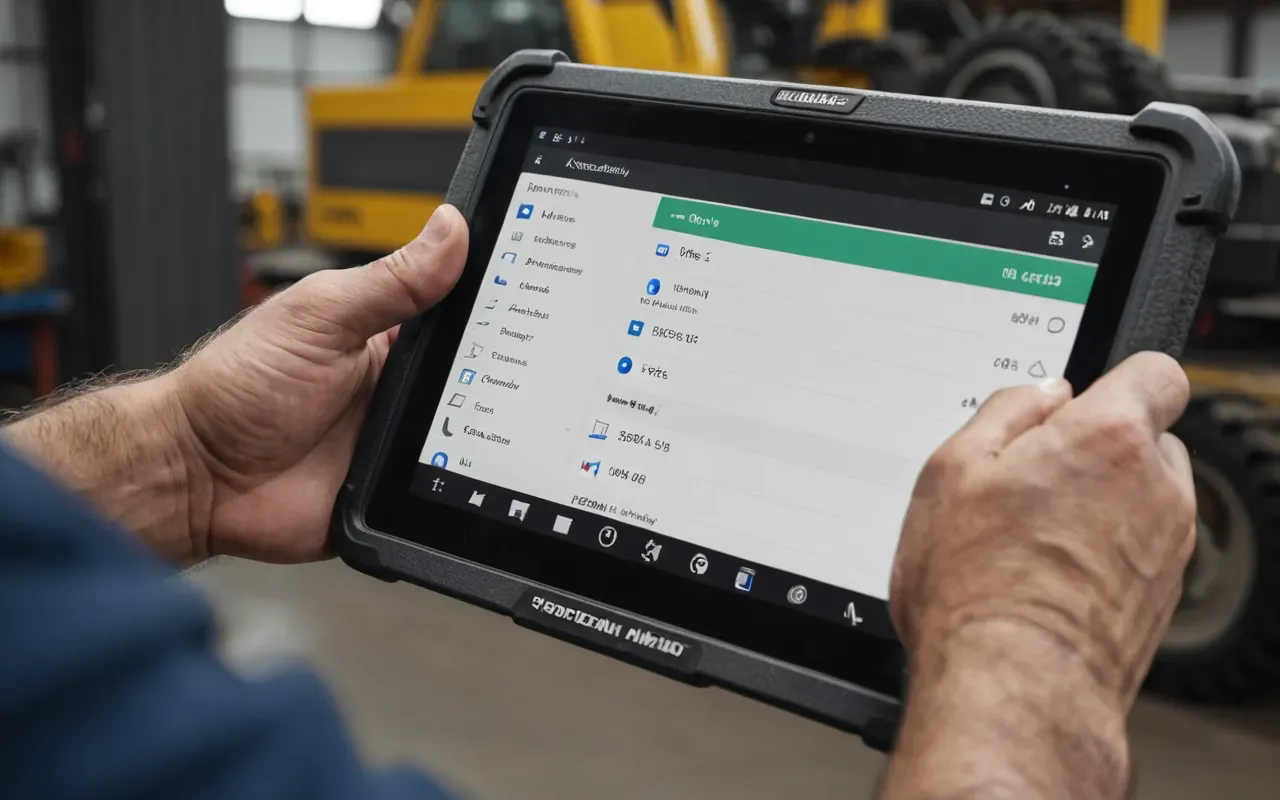
Then he spotted the new AI bot interface on his tablet. Typed a question in plain English. The answer popped up instantly. Honestly, it felt almost unfair how fast it was.
But here's the thing nobody talks about. The AI gives you an answer, not a guarantee. And in heavy equipment maintenance, that distinction can cost thousands of dollars.
What Komatsu Actually Announced In June
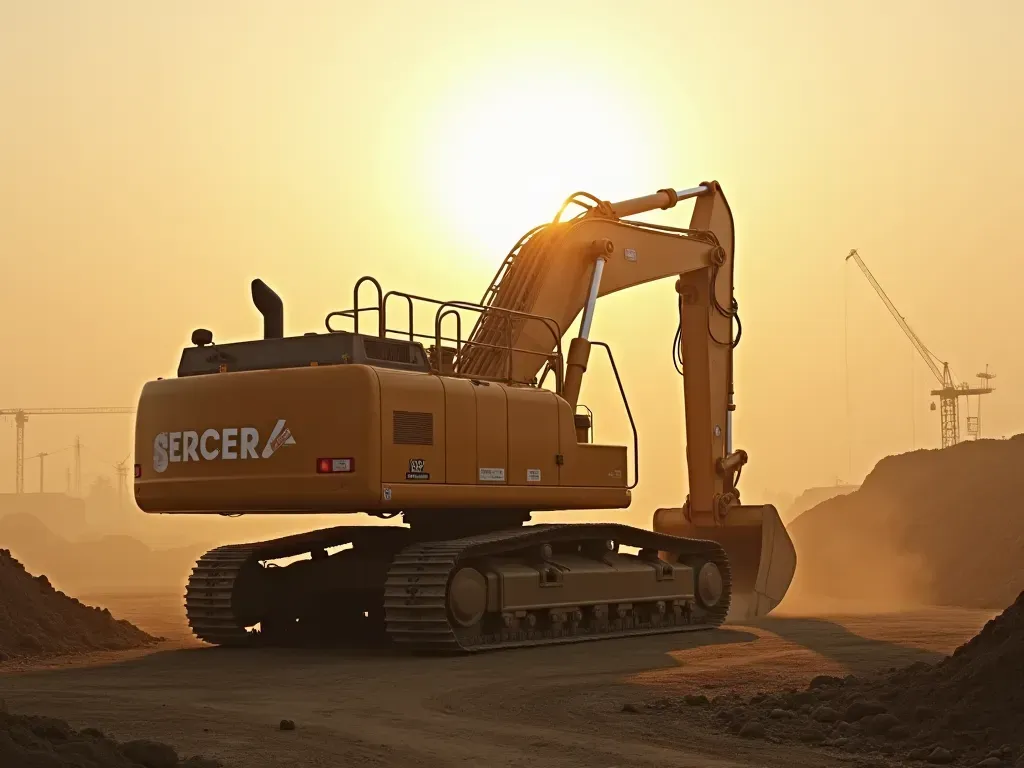
On June 19, 2026, Komatsu made a major move. They're expanding AI use across their entire business chain. This isn't just about selling new machines.
They appointed roughly five hundred AI leaders in May. By 2027, they aim to have a global center of excellence for this technology. That's a huge organizational shift.
The focus on service operations caught my attention. They're using AI bots to search maintenance documents and machine data for predictive insights.
The Two Pillars of the New System
First is document search. Mechanics can ask natural language questions about shop manuals and service news. It cuts down the time spent hunting for specific parts data.
Second is predictive maintenance. Using data from systems like Komtrax, the AI analyzes machine operation to predict component life and detect anomalies.
That combination is powerful. But it also creates a new dependency on digital data — data that can mislead you if you're not careful.
The Surprising Gap In Predictive Accuracy
Most people assume AI will tell them exactly when a filter needs changing. It doesn't work that way for every single part.
Komatsu didn't specify which parts get life predictions. The technology analyzes general component lifespans and overall machine health.
I've seen operators lean way too hard on these dashboards. They skip physical inspections because the screen says everything looks fine.
That's a dangerous mindset. Data tells you trends, not the current state of every bolt and seal in your machine.
Why The Screen Can Lie To You
Sensors fail. Calibration drifts over time. If the input data is wrong, the AI prediction will be confidently wrong.
I always tell my team to trust their eyes and ears first. The machine makes sounds a sensor might miss entirely.
If you're curious about how small errors in equipment monitoring can lead to big financial losses, check out this analysis of hidden math errors that affect similar industrial systems.
Who Wins And Who Loses In This Shift
Dealers and large fleets are winning right now. They've got access to these AI tools and can offer faster service.
Independent mechanics are at a disadvantage. They often rely on printed manuals or older digital files that lack this instant search capability.
So we get a two-tier system in maintenance. Those with digital access get fast answers; everyone else fights to find basic information.
My take? This pushes more small operators toward digital subscriptions. It's a necessary cost to stay competitive in the field.
The Real Cost Of Being Left Behind
Time is money in heavy equipment. Every minute spent hunting for a part number is a minute not fixing the machine.
If downtime climbs because your information access is slow, margins shrink fast. Simple math.
What You Should Check Before Trusting AI
Don't skip the physical inspection just because the app says you're good. Always verify the condition of critical parts.
Check your serial number and manufacturing date. AI data might be based on a different version of the same model.
Keep your official manuals close. They're still the final authority on safe maintenance procedures for your specific machine.
I suggest building a simple checklist. Pair AI insights with your own observations to make the best maintenance decisions.
A Simple Verification Routine For Operators
Start with the AI search to find relevant technical notes. It gives you a starting point and saves time.
Then open the official shop manual for your exact model. Confirm the AI suggestion matches the manufacturer's guidelines.
Finally, inspect the part physically. If it looks worn or damaged, replace it — regardless of what the data says.
The Future Of Heavy Equipment Care Looks Different
AI isn't here to replace the mechanic. It's here to give them superpowers for finding information.
But it raises the bar, too. Operators need to understand data better than ever to make smart calls.
I believe the next wave of equipment will ship with even more integrated sensors and AI capabilities built in.
Those who adapt now get a huge advantage. Those who ignore the data risk costly breakdowns later.
Stay vigilant. The technology is changing fast, and heavy equipment maintenance will never be the same again.