Ready Mix vs. Central Mix: Choosing the Right Plant Type
Ready Mix vs. Central Mix: Choosing the Right Plant Type
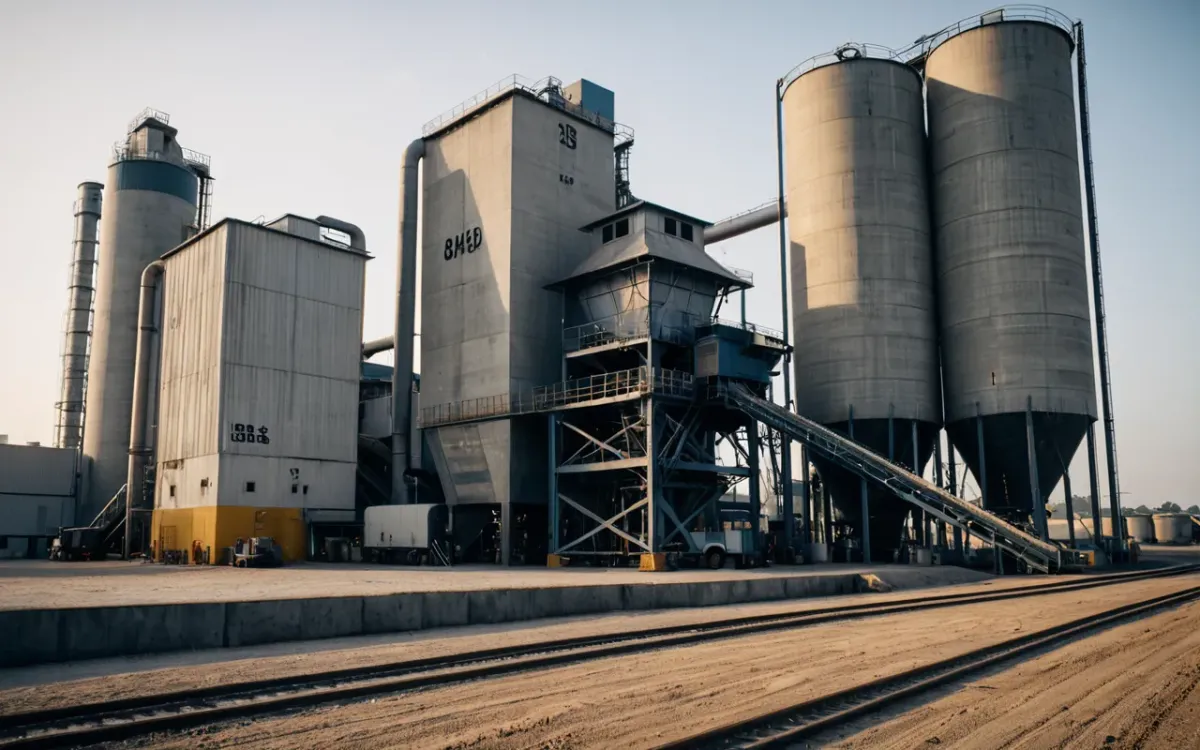
I remember standing next to a massive stationary plant in Texas last summer. The air was thick with dust, and the hum of electric motors sounded like a jet engine preparing for takeoff. Everything looked normal on the surface. Aggregates flowed steadily into hoppers, water sprays hissed rhythmically, and trucks lined up waiting to be loaded.
But when I pulled the production logs later that night, something felt off. The plant had been running at sixty percent capacity during peak hours, yet it was consuming nearly eighty-five percent of its maximum energy load. That discrepancy isn't just a minor inefficiency. It's a massive financial bleed.
Here's the thing most operators miss until it's too late. Your concrete batching plants are likely leaking money every single hour they run. It happens through subtle calibration drifts, worn-out liners you haven't noticed, and software glitches that add excess water to mixes without anyone realizing it.
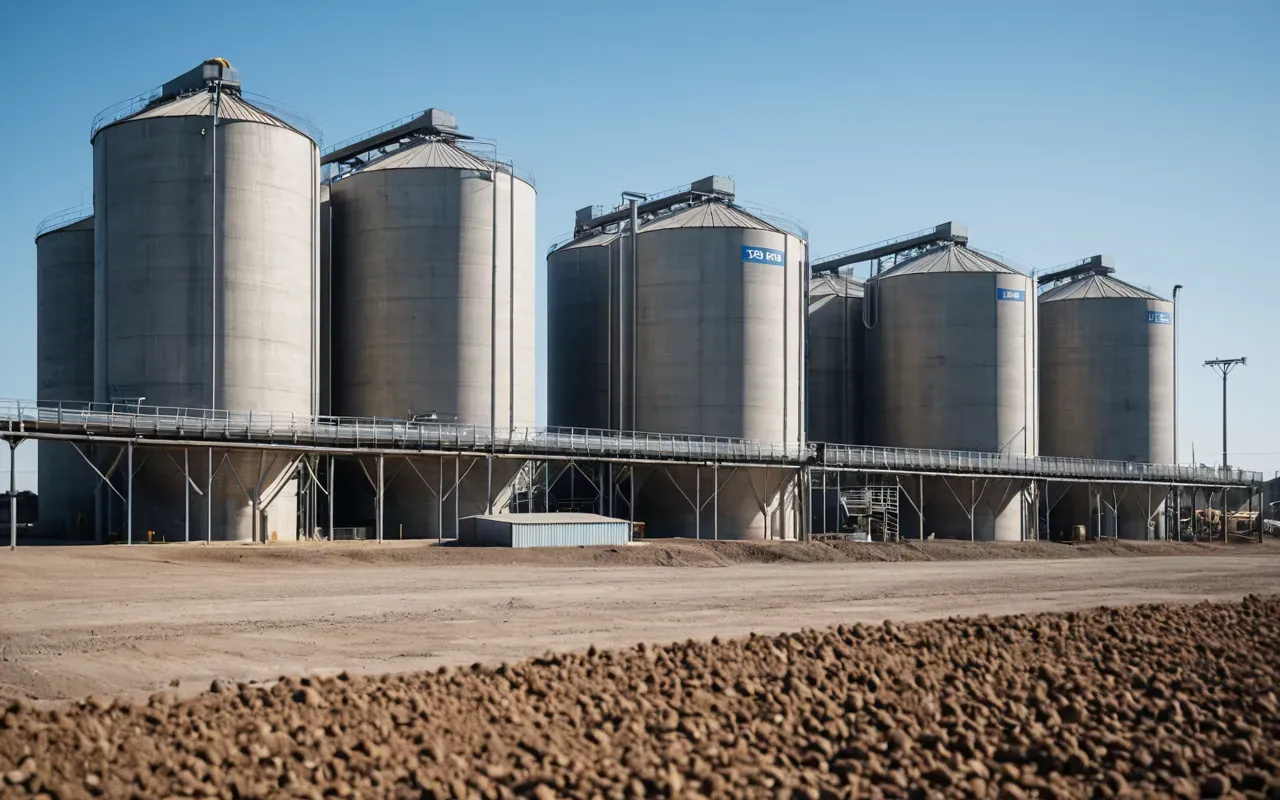
You might think your batch plant is just a tool. It churns out cubic yards of mix while you focus on logistics and delivery routes. But looking at it that way ignores the complex engineering happening inside those steel silos.
Let's be honest. If you're not actively monitoring micro-inefficiencies in your mixing cycle, you're essentially pouring cash down the drain with every truck dispatch. And that's before we even talk about maintenance costs.
Why Standard Maintenance Schedules Are Failing You
Most facility managers rely on calendar-based maintenance. They grease bearings every two weeks and inspect belts monthly because that's what the manual says to do. This approach feels safe, but it actually creates blind spots where expensive failures hide.
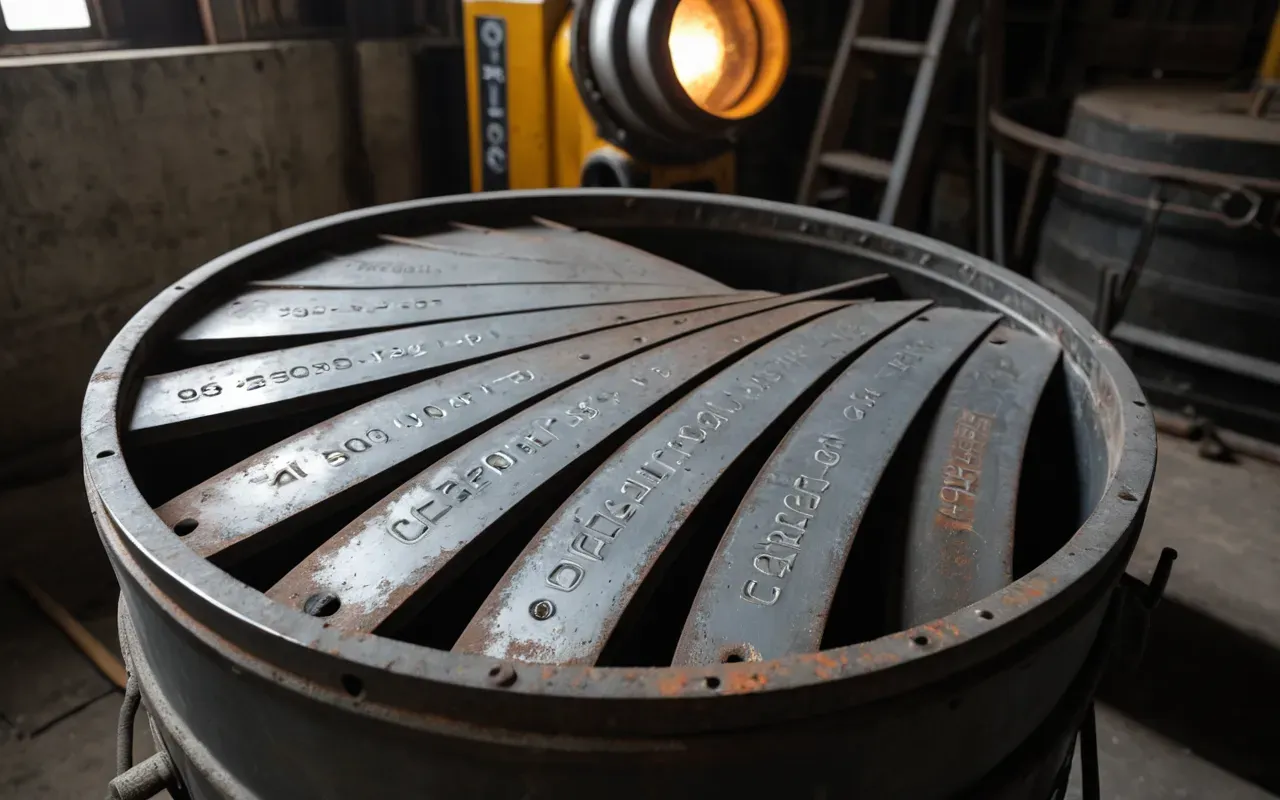
Consider the mixer blades. In a high-volume plant producing hundreds of cubic yards daily, those steel paddles endure brutal abrasion from gravel and sand particles. After just three months of heavy use, blade thickness can decrease by up to fifteen percent without any visible signs.
When blades wear down, mixing time increases. The machine struggles to achieve homogeneity, so it runs longer cycles than necessary. Each extra ten seconds of runtime per batch adds up quickly across thousands of daily batches.
And then there's the issue with scale calibration. Load cells drift over time due to temperature changes or mechanical stress from vibrations in the foundation. A seemingly minor error of two kilograms per batch might seem negligible initially.
Multiply that tiny discrepancy across an entire month, though, and you're giving away hundreds of pounds of expensive cement for free. Cement represents roughly forty percent of your raw material costs, so any waste directly impacts your bottom line significantly.
I've seen operators ignore these warning signs until a catastrophic failure forces them to shut down operations entirely. Waiting for breakdowns isn't a strategy — it's gambling with your livelihood.
The Hidden Cost of Water Inaccuracy in Mixing Cycles
Water seems simple enough, right? You need liquid to hydrate cement and create workable paste. But getting that ratio precise is where many modern plants fail spectacularly without anyone noticing immediately.
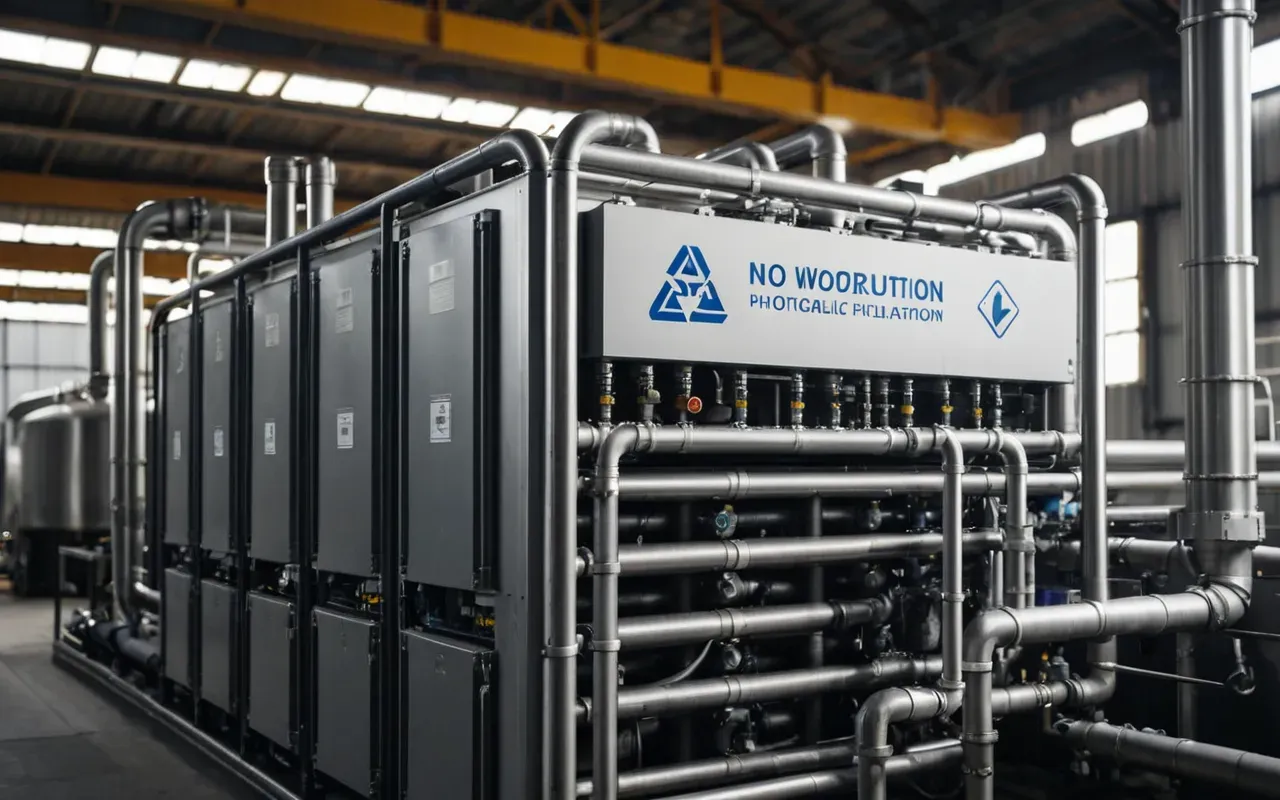
Modern batching systems use flow meters and electromagnetic sensors to control water injection. These devices require regular cleaning, because mineral buildup from hard water sources gradually reduces their accuracy over time.
When sensors get clogged, they report lower flow rates than actual delivery. The computer thinks it has added five liters of water, when in reality eight liters entered the mixer chamber unnoticed by human operators.
This excess moisture creates weak concrete slabs that crack prematurely under stress. Repairing structural defects later costs exponentially more than preventing them initially through proper sensor upkeep protocols.
Furthermore, adding too much water increases slump, which means trucks travel slower and deliver less volume per trip. Your logistics network becomes bottlenecked unnecessarily, while fuel consumption spikes due to heavier loads.
If you want deeper insights into optimizing feed systems, check out how Command Alkon AI Feed Is Silently Eliminating The Most Expensive Mistake In Concrete Batching. Their approach shows why automation matters.
Understanding Aggregate Moisture Compensation Systems
Aggregates like sand and gravel absorb varying amounts of rainfall depending on particle size distribution. A smart batch plant automatically adjusts water dosage based on real-time moisture readings from the storage bins.
However, if your microwave probes or infrared scanners malfunction, you end up overcompensating for dry materials that actually contain hidden moisture reserves. This leads to inconsistent mix designs across different batches produced on the same day.
Consistency is king in construction contracts. Clients expect uniform strength profiles throughout their projects, not random variations caused by equipment neglect or poor calibration practices.
How Technology Upgrades Can Save Thousands Annually
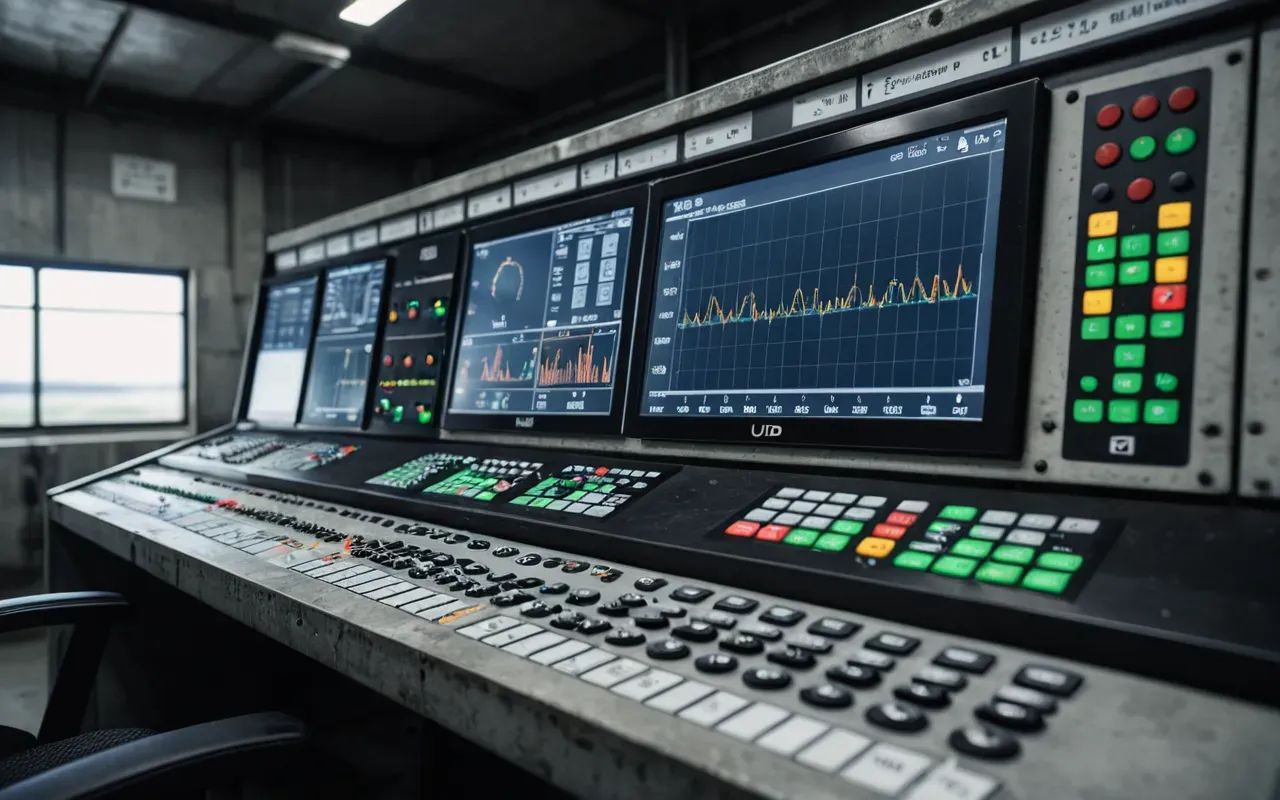
Upgrading old machinery sounds daunting financially, but consider the return on investment potential. Newer models feature variable frequency drives that adjust motor speeds dynamically according to load requirements, rather than running constantly at full power.
Energy savings alone can cover the cost of installation within eighteen months for busy operations. Beyond electricity bills, reduced wear on mechanical components extends lifespan considerably, delaying replacement expenses further down the road.
Digital twins represent another exciting frontier. By creating virtual replicas of physical plants, engineers can simulate scenarios before implementing changes in real environments. This minimizes trial-and-error downtime significantly.
Predictive analytics tools monitor vibration patterns from bearings and gears, detecting anomalies before catastrophic failures occur. Instead of replacing broken parts urgently after hours, you schedule replacements during planned maintenance windows.
Look at how Tensik's Quiet Manufacturing Shift Could Reshape Concrete Equipment Reliability. Their focus on durability demonstrates long-term value creation effectively.
Implementing Remote Monitoring Solutions Successfully
Remote access capabilities allow managers to check status reports from anywhere using smartphones or tablets. No longer do technicians need physical presence inside dusty control rooms just to verify basic operational parameters.
Real-time alerts notify staff about critical issues immediately, enabling faster response times. Early intervention prevents minor problems from escalating into major disruptions affecting overall productivity levels.
Environmental Pressures Forcing Smarter Operations Today
Regulatory bodies worldwide tighten emissions standards constantly. Dust suppression systems must function flawlessly to keep particulate matter below legal limits imposed by local authorities.
Fines for non-compliance run into tens of thousands easily, not mentioning reputational damage suffered when communities complain about pollution impacts. Proactive environmental management protects both finances and public relations simultaneously.
Recycling wastewater from truck washouts conserves precious resources while reducing discharge volumes needing treatment. Closed-loop water systems filter impurities continuously, allowing safe reuse multiple times over.
Sustainability initiatives also appeal to eco-conscious clients seeking green building certifications. Supplying certified low-carbon concrete mixes opens doors to lucrative government contracts prioritizing environmentally friendly materials.
For example, see how How Innovation in Concrete Batching Is Reshaping Sustainable Construction. These trends shape future market demands significantly.
Choosing Between Mobile Versus Stationary Plant Designs
The debate between mobile and fixed installations continues raging among industry experts. Each option presents unique advantages suited to specific project requirements, depending on duration, scale, and location constraints.
Mobile units offer incredible flexibility, allowing relocation between sites without costly demolition procedures. They prove ideal for temporary infrastructure projects lasting less than six months, where permanent setup makes little economic sense.
Stationary facilities provide higher output capacities suitable for large-scale developments requiring continuous supply chains throughout extended periods. Their robust construction handles intense daily usage better than portable counterparts generally.
Consider checking out reviews like Mobile 60 S4 Concrete Batching Plant: The Ultimate Mobile Solution to understand performance metrics better.
Evaluating Total Cost Of Ownership Accurately
Purchase price only tells part of the story. Operating expenses — labor, fuel, maintenance, parts, depreciation — typically eat up far larger chunks of total expenditure budgets.
Cheaper equipment often demands frequent repairs, causing frustrating delays that quickly erode profit margins. Investing slightly more upfront for reliable brands pays off through consistent uptime and dependability.
Assessing Dealer Support Networks Thoroughly
When emergencies strike, spare part availability becomes paramount. Manufacturers with extensive distribution channels ensure quick delivery, minimizing idle time waiting for critical components.
Training programs offered by suppliers empower your team to handle routine troubleshooting independently, reducing reliance on external technicians whose hourly rates add up fast.
Future Trends Shaping Next Generation Batching Facilities
Autonomous operations loom large on the horizon. Self-driving trucks coupled with automated loading arms promise streamlined workflows, eliminating human error factors entirely from repetitive tasks.
Blockchain technology enhances traceability, tracking ingredient origins and ensuring compliance with strict quality standards demanded by premium clients. Transparent records build trust, crucial for winning competitive bids.
Renewable energy integration substantially reduces carbon footprints. Solar panels powering auxiliary systems demonstrate commitment to sustainability goals increasingly valued by stakeholders.
Smart sensors embedded within structures monitor health conditions continuously, providing valuable data for predictive maintenance planning strategies going forward.
Adapting to these innovations early positions companies advantageously against competitors lagging behind technologically. Embracing change ensures longevity in volatile markets driven by rapid advancements.
Practical Steps To Optimize Your Current Setup Immediately
Start conducting regular audits of all weighing mechanisms. Calibrate scales monthly using certified weights to guarantee precision in ingredient measurements, preventing costly material waste.
Train staff thoroughly on new software interfaces introduced during upgrades. Knowledgeable operators maximize efficiency gains offered by sophisticated control systems, effectively avoiding confusion and mistakes.
Implement strict cleaning schedules for aggregate bins, removing debris buildup that interferes with flow rates. Clean equipment operates smoother, lasts longer, and reduces unexpected breakdown frequencies.
Review historical production data to identify patterns indicating inefficiencies. Analyze peak vs off-peak performance differences, adjusting schedules accordingly to balance loads evenly.
Engage with professional consultants specializing in plant optimization if internal expertise falls short. External perspectives uncover blind spots missed by teams accustomed to existing routines.
Monitoring Key Performance Indicators Regularly
Track metrics such as cycle times, energy consumption per cubic yard produced, and defect rates generated. Baseline comparisons reveal improvement areas needing attention, helping prioritize resources wisely.
Set achievable targets based on industry benchmarks published annually by trade associations. Benchmarking provides realistic expectations, guiding continuous enhancement efforts productively.
Frequently Asked Questions
How often should I calibrate my batch plant scales?
You should calibrate load cells and scale systems at least once every month to maintain accuracy. Environmental factors like temperature fluctuations can cause drift between checks, so quarterly professional verification is recommended for compliance.
What causes excess water in concrete mixes unexpectedly?
Excess water usually stems from clogged flow meters failing to register true volume or inaccurate aggregate moisture compensation sensors. Regular cleaning of these components prevents dosing errors leading to weak structural integrity issues.
Can mobile plants match stationary unit output capacity?
Modern high-end mobile units can approach sixty percent of typical stationary plant capacities, making them viable for medium projects. However, fixed installations still dominate large-scale continuous production needs requiring maximum throughput levels.
Is predictive maintenance worth the initial investment cost?
Yes, absolutely, because avoiding unplanned downtime saves far more than sensor installation costs over time. Early detection of bearing wear or belt misalignment prevents catastrophic failures costing tens of thousands in repairs.
How do digital twins improve batching plant operations?
Digital twins create virtual models allowing simulation of changes without risking real-world disruptions. Engineers test optimizations safely, identifying bottlenecks before implementing physical modifications, saving significant trial-and-error expenses.
For the full overview, see concrete batching plants overview.