Why 3D Concrete Printers Are Now Self-Correcting Without Humans
The Silent Upgrade in Your Batching Plant
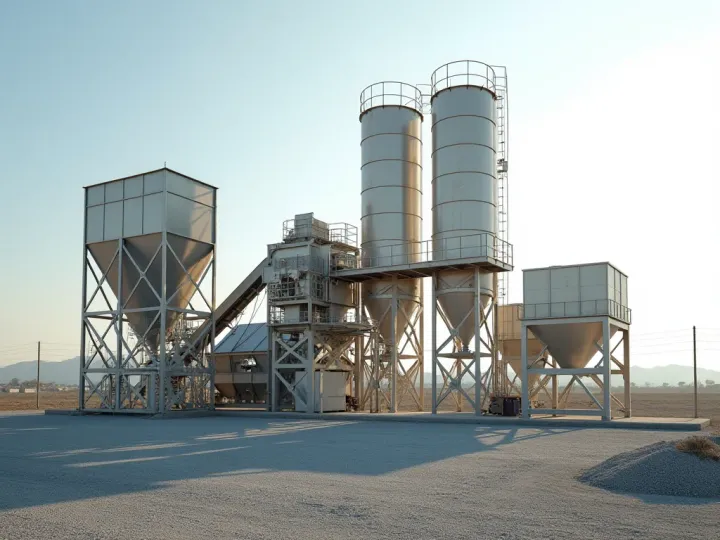
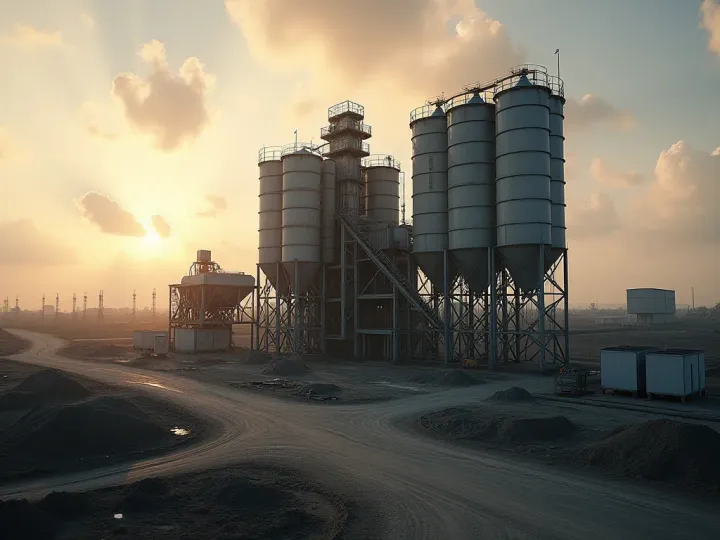
Your concrete mixer has been running on autopilot for decades. But that autopilot is dumb. It follows a recipe. It does not think. It does not adjust. It does not learn. And that gap between blind automation and intelligent adaptation is where millions of dollars in waste, rework, and structural risk live every single day. The shift is already happening. It is just not on your invoice yet.
A new review published in AI in Civil Engineering argues that artificial intelligence is finally stitching together the fragmented pieces of modern concrete production. Material formulation, process control, and structural assessment were once three separate silos. Now? They are converging into a single, self-correcting system. This is not science fiction. It is the next operational reality for heavy equipment operators.
The Blind Spot in Traditional Mixing
For a long time, concrete production was an open-loop process. You set the parameters. The machine ran. You hoped the output matched the spec. If it did not, you found out after the pour. Or worse, after the structure failed. That is a terrifying business model. It relies on human intuition and post-hoc testing rather than real-time feedback. It is brittle. It is slow. And it is expensive.
I have seen operators spend hours adjusting water content by hand, guessing based on humidity and material batch variability. It works, but it is inefficient. It is also inconsistent. One day, the mix is perfect. The next day, it is too dry. The day after that, it is too wet. This variability creates mechanical anisotropy in D printed structures, where layers bond unevenly. The result is a weak point that no amount of post-pour curing can fix.
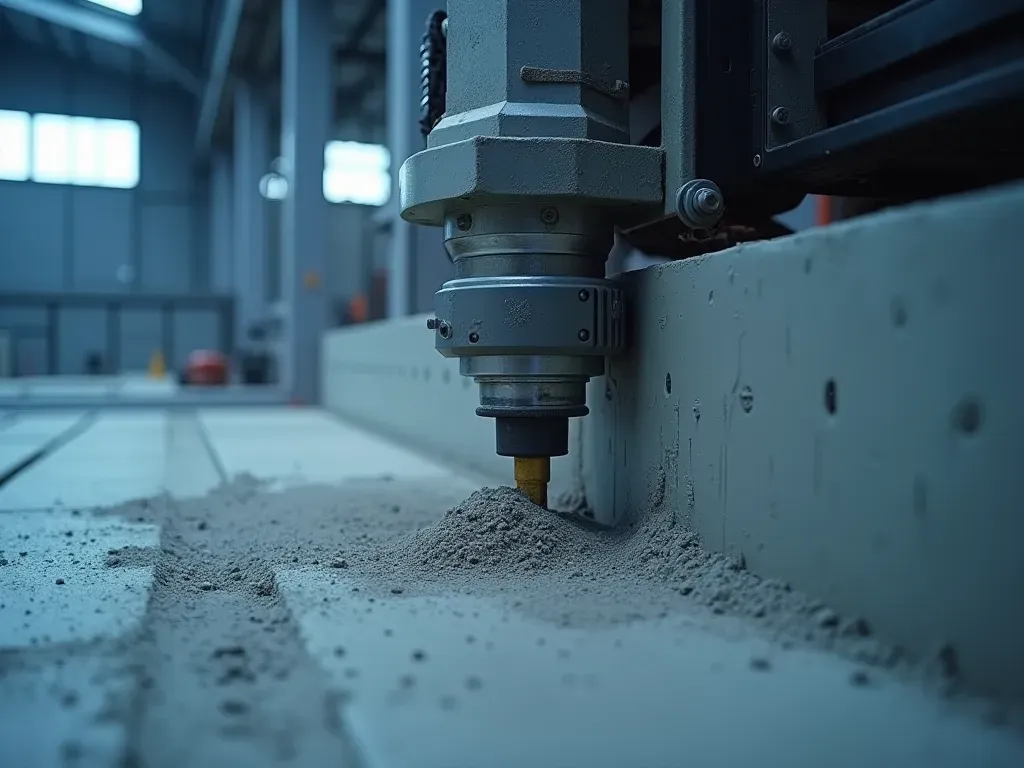
The new research highlights a paradigm shift. Instead of open-loop, we are moving toward closed-loop. Data from the printing process flows back into the material formulation. Sensors detect a slight deviation in extrusion pressure. The AI adjusts the accelerator injection rate instantly. The mix is corrected before the next layer is laid. This is not just faster. It is fundamentally more reliable. It turns the machine from a passive tool into an active participant in quality control.
Why AI Predicts Mix Strength Better Than Humans
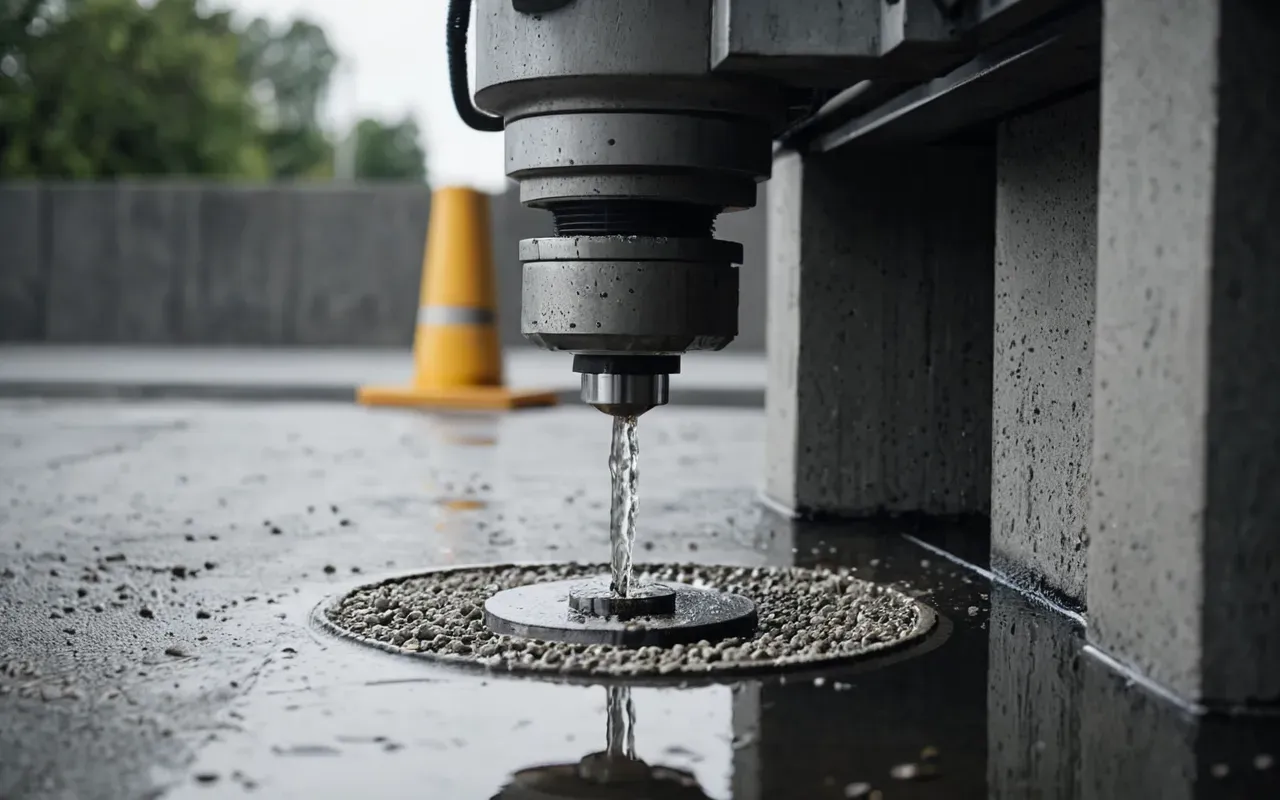
The most surprising finding in the study is how well machine learning models predict concrete strength. Traditional empirical models fail because they cannot capture the nonlinear interplay between fiber content, binder ratio, and process parameters. AI can. It sees patterns in the data that are invisible to the human eye. It learns from thousands of past batches to predict the outcome of the next one with startling accuracy.
In one highlighted study, Gaussian Process Regression achieved an R-squared above . for strength prediction. That is a huge number. It means the model explains over percent of the variance in the outcome. Even better, it provides probabilistic outputs. Engineers can see not just the predicted strength, but the confidence interval. They know how reliable the prediction is. This is a game-changer for risk assessment in critical infrastructure projects.
Interpretability is also improving. Researchers use SHAP value analysis to understand which inputs matter most. In one case, polypropylene fiber content contributed . percent to rheological behavior, while the water-to-binder ratio contributed . percent. This is not a black box. It is a transparent system that explains its decisions. Operators can trust the AI because they can see the logic behind its recommendations. This builds confidence and encourages adoption.
The Equipment Is Evolving Faster Than You Think
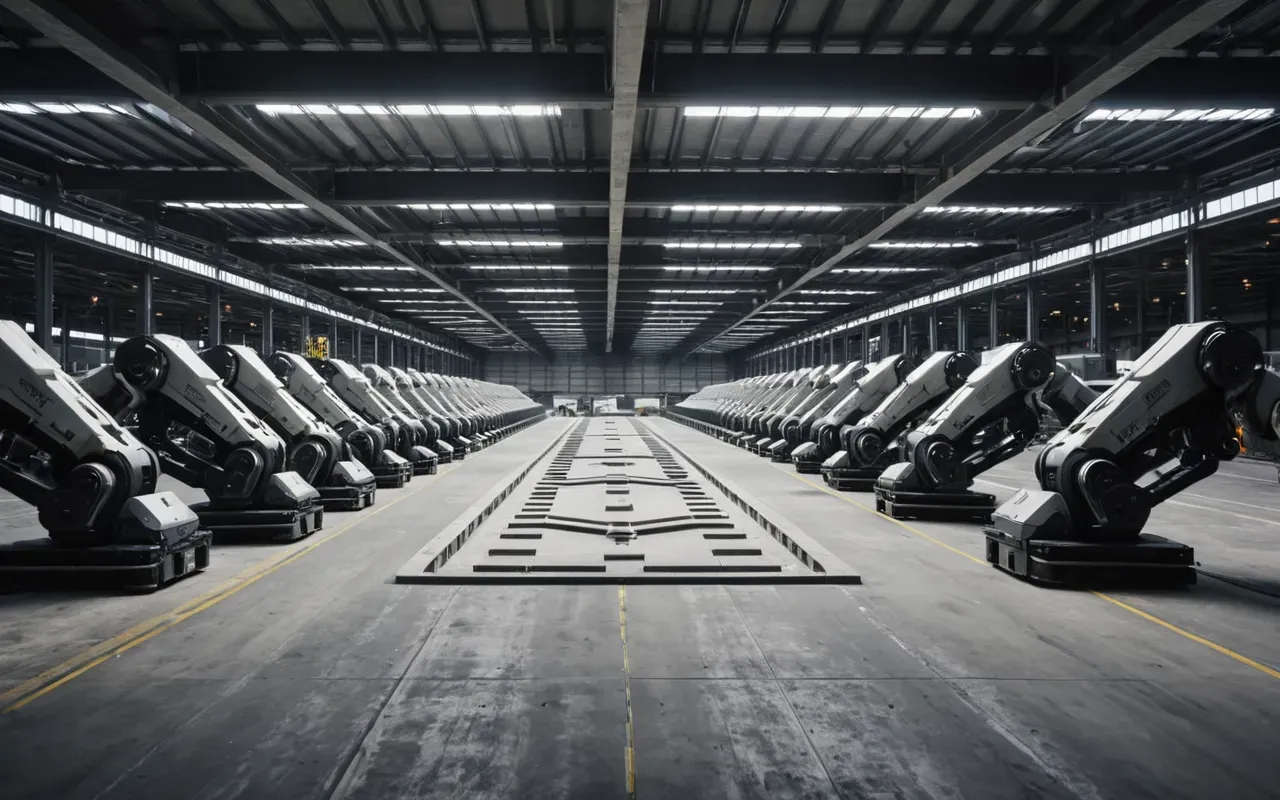
The hardware is keeping pace with the software. We are seeing a shift from fixed, bulky machines to intelligent mobile platforms. One system features three robotic arms that cover a production area of roughly by meters. Another, the Platypus X, is a self-propelled printer that expands to a -meter wide envelope. It autonomously compensates for uneven terrain. This is not just a novelty. It is a practical solution for complex site conditions that static machines cannot handle.
Computer vision is playing a critical role in this evolution. Cameras monitor the print in real-time, detecting geometric anomalies and surface defects. Deep learning architectures quantify these errors and trigger corrective actions. In one application, a lightweight network on a microcontroller repaired defects autonomously. The system saw a tear in the filament, calculated the necessary adjustment, and fixed it within milliseconds. This is the closed loop in action. The machine sees, thinks, and acts.
There are challenges, of course. Harsh field conditions, shifting natural light, and dense cement dust can degrade vision systems. Pixel-level precision often conflicts with inference latency. But the technology is improving rapidly. As sensors get cheaper and algorithms get more efficient, these trade-offs will shrink. The end goal is a fully autonomous printing ecosystem where the machine handles everything from mix design to defect repair without human intervention. We are getting closer every year.
What This Means for Your Bottom Line
If you are still relying on manual adjustments and post-pour testing, you are leaving money on the table. AI-driven optimization reduces waste, improves strength, and speeds up production. One study combining NSGA-II with TOPSIS reduced the carbon footprint by percent without compromising mechanical properties. That is a double win. You save on materials and you meet sustainability targets. In a market where both cost and carbon are critical, this is a competitive advantage.
The implications extend beyond the job site. If you are buying new equipment, you need to ask about its AI capabilities. Can it integrate with digital twins? Does it support real-time feedback loops? Is it compatible with emerging standards for smart construction? If not, you are buying a legacy system that will become obsolete in a few years. The future is connected, intelligent, and self-correcting. The present is still catching up. But the gap is closing fast.
I have seen operators resist new technology because it feels like a threat to their expertise. But the AI is not replacing them. It is augmenting them. It handles the repetitive, data-heavy tasks so they can focus on strategy and problem-solving. The best operators I know are the ones who embrace the tools that make them more efficient. They are not afraid of the machine. They are using it to do more with less. That is the mindset that will define the next decade of construction.
The Hidden Risks You Cannot Ignore
For all its promise, the technology is not perfect. Data heterogeneity is a major issue. Models trained on one type of printer may not transfer well to another. The formats differ. The sensors vary. The physics are subtly different. This limits model transferability and makes it hard to build a universal AI system. We need more standardized data collection methods and interoperable frameworks. Until then, each site will likely run its own bespoke models.
There are also ethical and safety concerns. If an AI makes a mistake, who is responsible? The operator? The engineer? The software vendor? This is a legal gray area that needs to be addressed. We need clear standards for accountability and liability. We also need explainable AI that can justify its decisions in case of a failure. Black-box systems are not acceptable in critical infrastructure. We need transparency and traceability. The technology is powerful, but it must be safe.
Over-reliance on automation worries me more. Suppose the AI fails, or dust clogs the sensors — the whole system can just stop. So we need robust fallback mechanisms and human-in-the-loop supervision. The machine should be the first line of defense, not the only one. Operators have to stay engaged and vigilant. And they need to understand the system well enough to step in when something goes wrong. This is not a set-it-and-forget-it technology. It is a collaborative tool that requires active management.
The Road Ahead for Intelligent Construction
The future is bright, but it is not guaranteed. It depends on our ability to overcome the technical and organizational challenges. We need better data. We need better models. We need better standards. We need better training for operators. And we need a culture that embraces innovation rather than fearing it. The AI is ready. The hardware is ready. The question is whether we are ready to make the most of it.
I believe we are. The construction industry is hungry for efficiency and sustainability. AI offers both. It can reduce waste, improve quality, and speed up production. It can also help us meet carbon targets and build more resilient infrastructure. The potential is enormous. The only thing standing in the way is our willingness to adopt new tools and new ways of working. If we do, the next decade will be transformative. If we do not, we will be left behind.
So what should you do now? Start small. Look for opportunities to integrate AI into your existing processes. Test new tools. Train your team. Build a data culture. Share your insights with others. The more we learn, the better we get. And the more we get, the more we can do. The future is not a destination. It is a process. And we are all part of it. Let us make it a good one. Let us build a future that is smarter, stronger, and more sustainable. The tools are here. The choice is ours.