The $100k bill that saved a neighborhood from a concrete plant
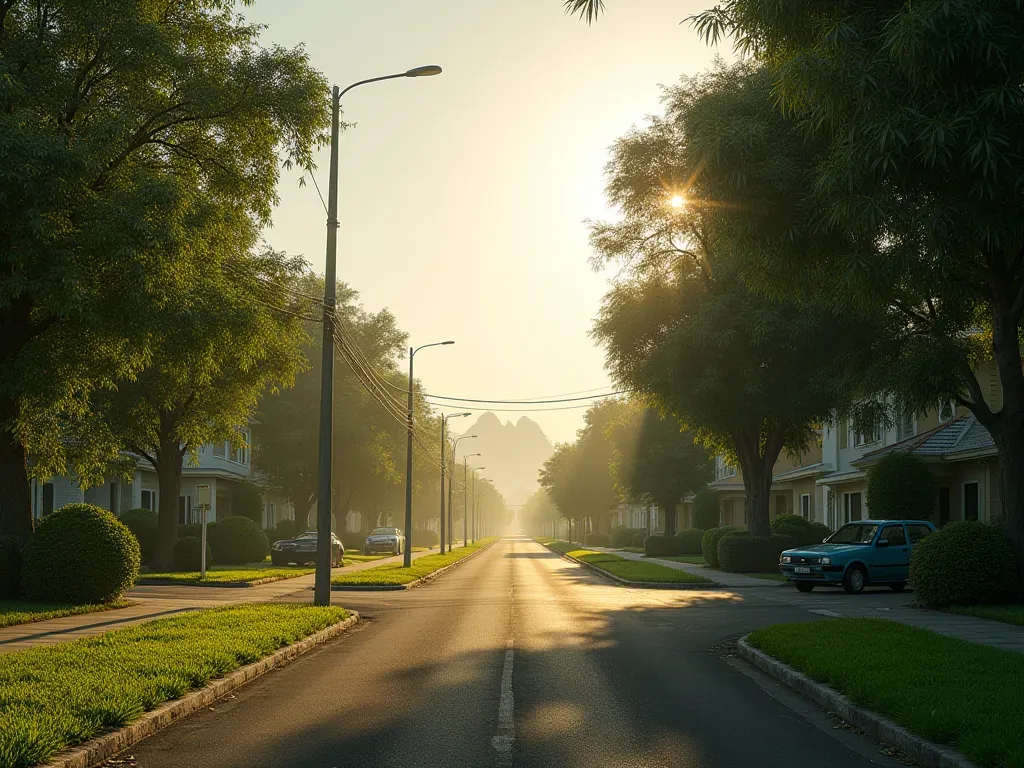
The Quiet Cul-de-sac That Stopped Industrial Giant
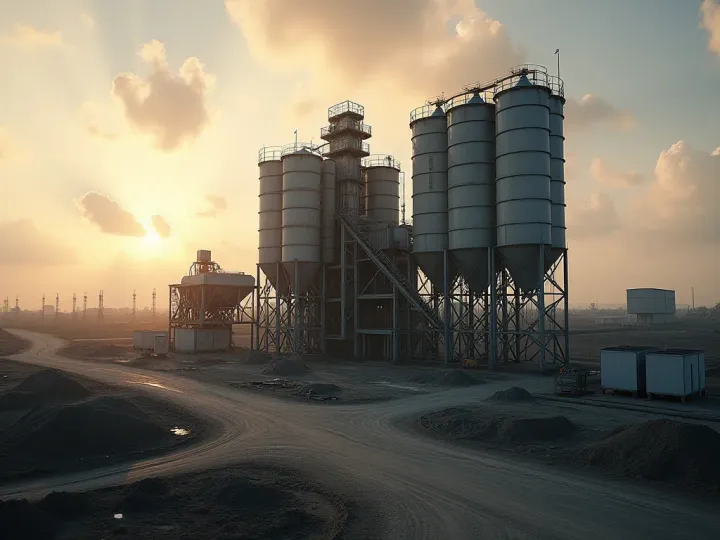
You'd think a massive concrete plant would roar into existence with fanfare. It didn't. It crept in. Brandon McElroy noticed a strange building rising near his backyard in September . He looked closer. The paperwork was missing. The public notices were never published. That was the crack in the armor that saved the neighborhood.
Most people assume big companies always win these fights. Deep pockets. Lawyers. But in this case, the residents had something the company did not: the law on their side. Specifically, the procedural rules companies so often skip when they're rushing to break ground. This isn't just a story about one plant. It's a blueprint for how communities can push back against industrial encroachment.
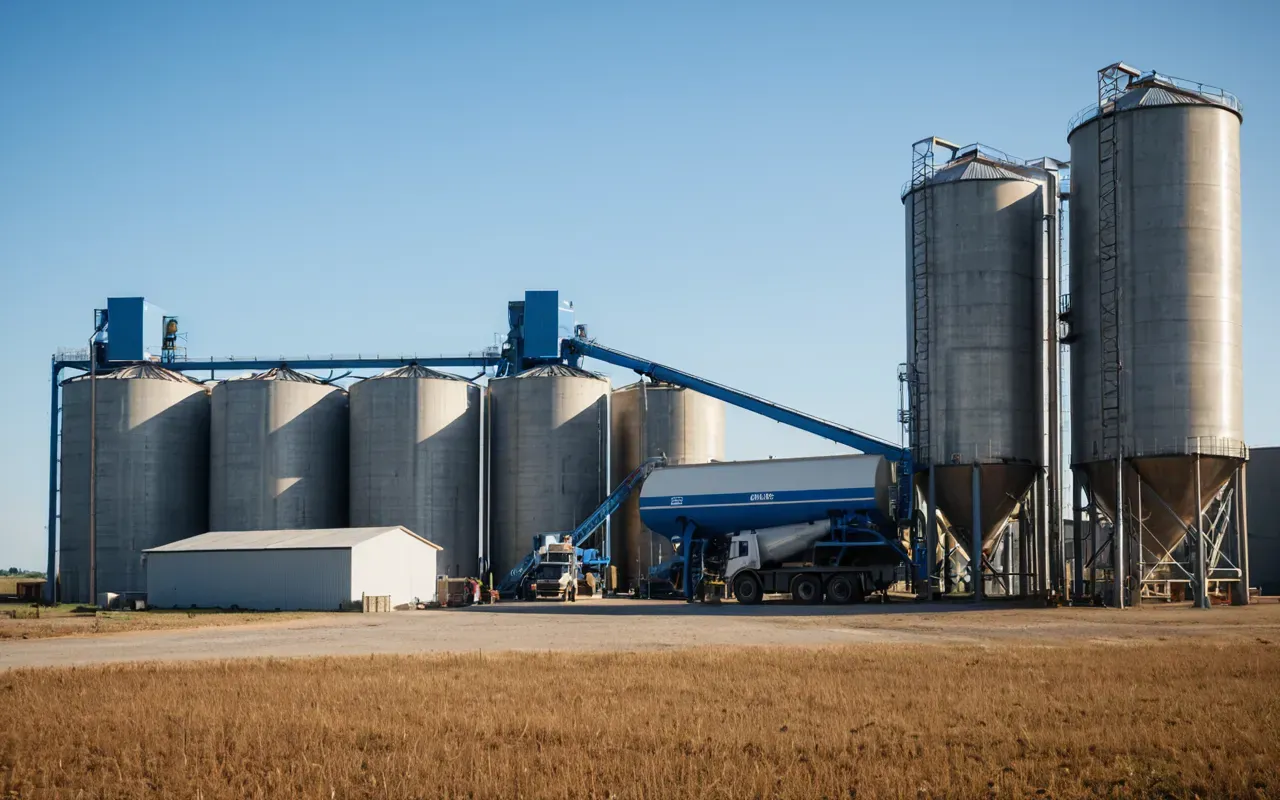
The $k Price Tag for Clean Air
Let's talk money. Real money. McElroy and his neighbors raised about $, to pay their legal costs. For a grassroots group, that's a mountain of cash. They held fundraisers. They knocked on doors. They pooled their resources. Most individuals can't afford that kind of legal battle. But the alternative was living next to a plant that would dump dust and noise into their lungs for decades.
Is it worth it? I believe it is. The permit was denied with prejudice. That means J Ready Mix cannot just try again. They are out. The site is off the table. Had the plant been built, the cost to the community's health would have been immeasurable. The $k was an investment in future generations. It was the price of admission for breathing easy.
Consider the proximity. The proposed site was feet from a future intermediate school. That's a short walk. Children breathe faster than adults. Their lungs are still developing. Imagine them walking to school every day with a concrete plant operating just down the road. The dust. The noise. The heavy trucks. It's a scenario that should keep every parent awake at night. This fight was about protecting the most vulnerable members of the community.
Procedural Loopholes That Saved the Day
Here's the technical detail that matters. The company failed to follow proper procedures for publishing public notices. They did not provide a copy of the permit application for the public to see. In the world of regulatory compliance, those are fatal errors. You can have the best business plan in the world. You can have the most advanced concrete batching technology. Skip the procedural steps and you lose. The law is rigid. It doesn't care about your bottom line. It cares about process.
Tarrant County Fire Marshal Randy Renois confirmed that the company began construction without a building permit. That's a massive red flag. It shows a pattern of ignoring local rules. Look at the bigger picture: this wasn't just one mistake. It was a culture of cutting corners. The residents saw it. They documented it. They brought it to the Texas Commission on Environmental Quality. And the TCEQ listened. That's the key. The regulators did their job. They dismissed the permit because the applicant did not follow the rules.
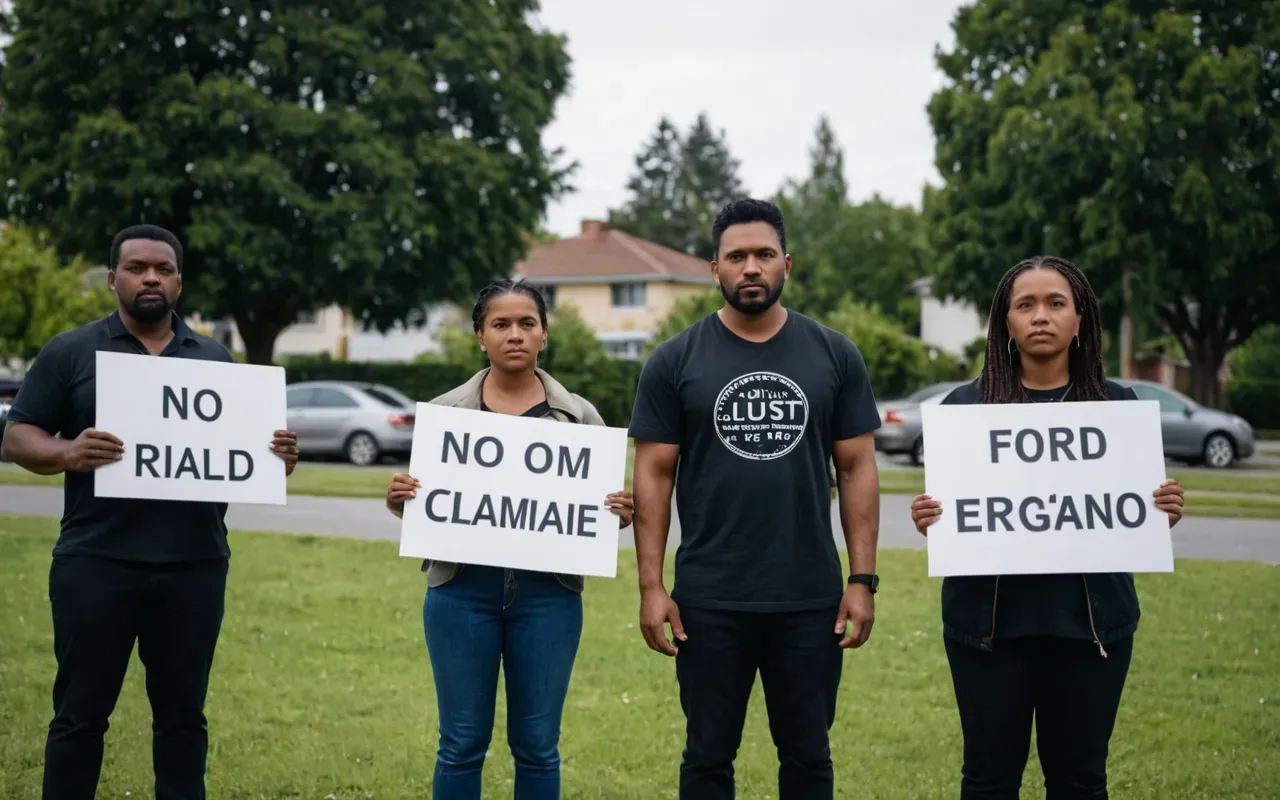
The Ripple Effect on Local Construction
Other developers will be watching this one closely. If a concrete plant can't be built near a school because of procedural errors, what does that mean for the next project? It means compliance is king. It means you can't rely on speed or money to steamroll your way through the process. You have to do it right. Or you'll face a grassroots group willing to spend $k to stop you. That changes the calculus for any industrial developer in the region.
For the residents, this is a win — but the battle isn't entirely over. McElroy mentioned a steel company that purchased land behind his home to build an I-beam plant. The threat of industrial encroachment is persistent. It shifts. It changes form. But it's still there. The community now has a track record. They have a legal strategy. They have a voice. That's a powerful tool. They are not the same passive neighbors they were in . They are an organized force.
I've seen this pattern before. Classic David vs. Goliath. But here, Goliath fell not because he was weak, but because he tripped over his own feet. He ignored the rules. He assumed the system was too complex for ordinary people to understand. Wrong. The residents studied the regulations. They found the gaps. They exploited them. Lesson for any business: respect the process. Respect the community. Or face the consequences.
What This Means for Your Next Purchase
If you're in the construction industry, this story is a wake-up call. The regulatory environment is tightening. Community resistance is getting smarter. You can't just buy a site and start building. Engage with the neighbors early. Be transparent. Follow every single rule. Cut corners and you'll pay for it. And the price might be more than just legal fees. It might be your entire project.
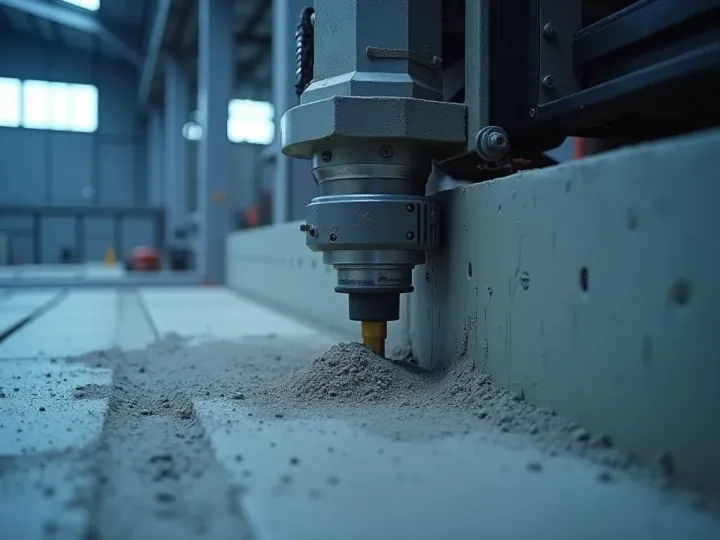
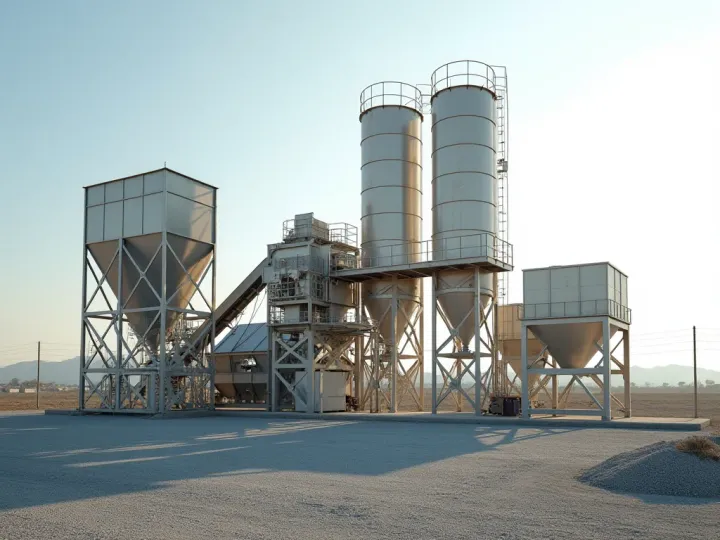
Think about the equipment you use. A modern concrete batch plant is a complex machine. It requires precision. It requires maintenance. It requires compliance. Ignore those aspects and you're at risk. This isn't just about Tarrant County. It's about a global shift. Communities are waking up. They are demanding better. They are holding companies accountable. The era of unchecked industrial growth is ending.
The Health Impact You Cannot See
Let's be honest. Concrete dust is not pretty. It's fine. It's persistent. It gets into your lungs. It gets into your home. It gets into your children's toys. The long-term health effects are well-documented. Respiratory issues. Allergies. Reduced quality of life. The residents of that cul-de-sac understood this. They didn't want to gamble their health on a bet that the company would be a good neighbor. They wanted guarantees. And when the company failed to provide them, they fought back.
The denial of the permit was not just a legal victory. It was a health victory. It preserved the air quality in that area. It protected the future students of the nearby schools. It validated the concerns of the community. And it sent a message: your health matters. Your voice matters. You have the power to stop bad projects. That's a powerful realization. It changes how people view their relationship with local government. It changes how they view their own agency.
The Next Chapter in Tarrant County
The fight against J Ready Mix is over. But the fight for clean air is not. McElroy is now dealing with a steel company. The threat of industrial development is a constant presence in growing areas. The community is vigilant. They are watching. They are ready. They have the experience. They have the strategy. They have the support. And they have the law. This is a new dynamic. One that developers must respect.
So what's the takeaway? If you live there, know your rights. Know the process. And be ready to act. If you're a developer, do your homework — be transparent, be respectful. The old way of doing business is dead. The new way runs on partnership. On trust. On compliance. This story reminds us that the community isn't just a backdrop. It's a stakeholder. And it has the power to say no. That's a fact nobody should ignore.
That $k bill was worth every penny. It bought clean air. It bought safety. It bought a future where kids can walk to school without worrying about the dust. It bought a victory people will remember for years. And it bought a lesson that will shape the industry. Respect the process. Respect the community. Or face the consequences. That's the bottom line. And every player in the concrete industry needs to understand it.
I was struck by the determination of these residents. They didn't give up. They didn't back down. They stood their ground — and they won. That's rare. That's powerful. And honestly, it's inspiring. It shows that even against a giant, a group of ordinary people can make a difference. It shows the system works, if you know how to use it. And it shows the fight for a clean environment is worth every ounce of effort. This is a victory for the community. And it's a warning to the industry.