7 Concrete Batching Plants Under 50k That Actually Save Money
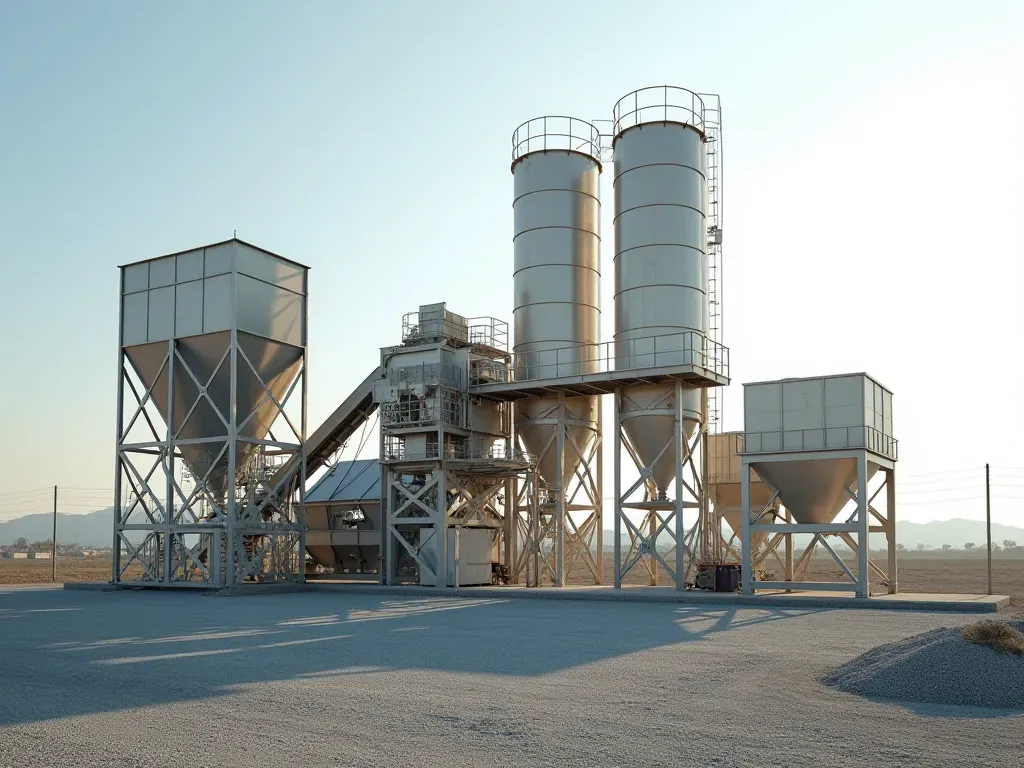
The $k Plant That Outperforms The $k Giant
Last Tuesday I watched a crew pour a , sq ft slab with a battered mobile unit. It hummed quietly. No smoke, no complaints. The site manager just grinned. That plant cost less than the delivery fee on a brand new m unit.
Here's the thing. Most contractors buy the biggest machine they can afford. Size equals speed, right? New equals reliable? Wrong on both counts. The real money sits in the gap between capacity and utilization. A m plant running hours a day beats a m plant running .
I've seen plenty of fleets where the newest truck sits idle while the old one keeps working. Classic mistake. You don't need a flagship — you need a workhorse. For most small to mid-size operations, a plant in the $k to $k range is the sweet spot. Affordable, easy to maintain, and it doesn't take three engineers just to start it up.
Why New Is Usually The Wrong Choice
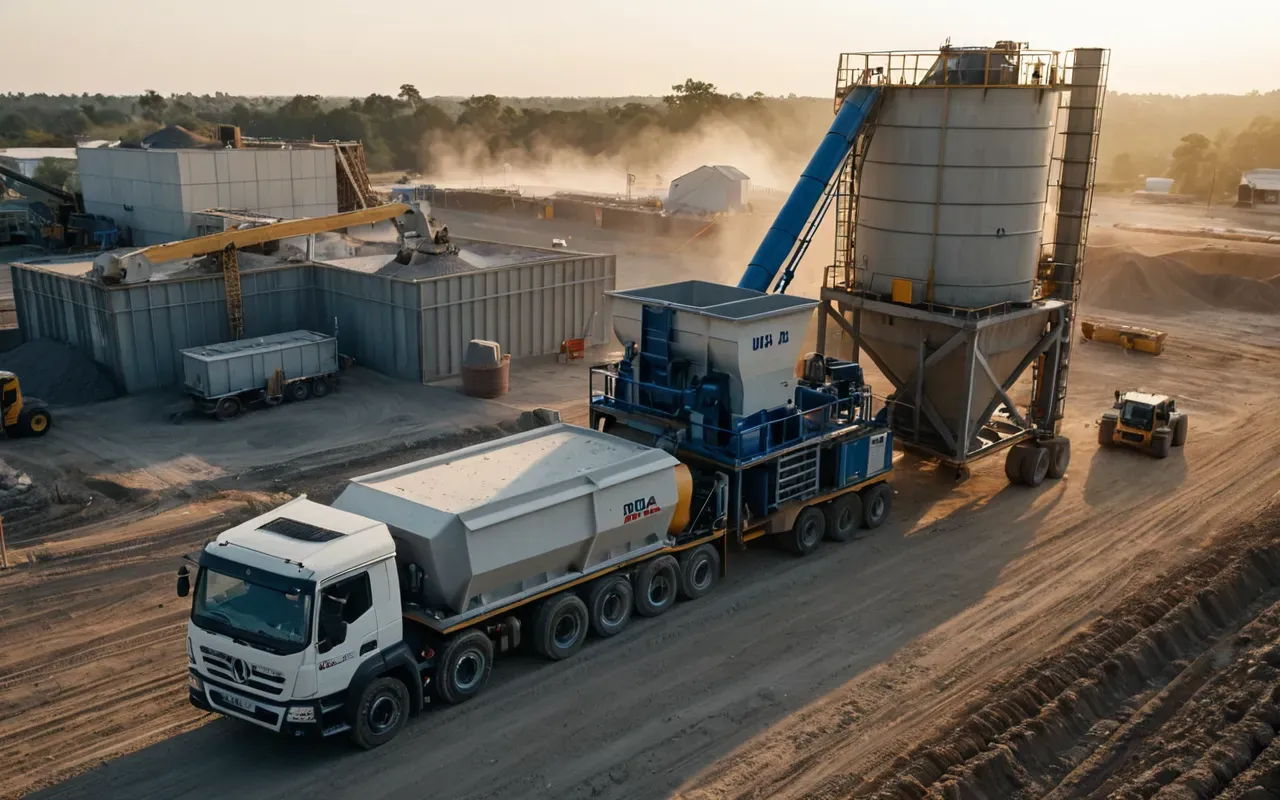
Let's talk numbers. A new m plant runs $k to $k. That's a lot of cash tied up in steel. A well-maintained unit from or ? $k to $k. The difference is $k. You could buy three of the smaller units for that. Or put it into better aggregates and a better mixer.
New machines come with a learning curve. Complex software. Proprietary parts. When something breaks, you wait on the dealer. Buy used from a reputable manufacturer and the mechanics in your area already know how to fix it — they've fixed it fifty times. It's not a puzzle. It's a machine.
And don't forget the depreciation hit. New equipment loses % of its value in year one. That's $k to $k gone. A used plant is already depreciated. You're buying at market value, which means you skip the first hit entirely. Huge advantage for cash flow.
The Plants Worth Your Money
. The Compact Workhorse
Take the m mobile unit. Small enough to fit on a standard truck trailer, and you can move it between sites in an hour. Simple PLC controller — no fancy touchscreens, just buttons and lights. Hard to break. Hard to confuse. For a crew of four, it's the perfect match.
Price range: $k to $k. The mixer is a twin-shaft type — efficient, and it cleans out fast. Less time washing the drum, more time pouring. The belt conveyor is heavy duty. Doesn't sag, doesn't slip. It just moves the aggregate. Simple. Reliable. Cheap to fix.
. The Semi-Portable Champion
Need more capacity? Look at the m semi-portable model. Larger, but still movable. It needs a bigger truck and a crane to set it up. But the output is double the compact unit, which makes it perfect for medium-sized projects. Commercial buildings, not just residential slabs.
Price range: $k to $k. Bigger hopper, so you load more material at once. The water system is upgraded and handles higher pressure. The control panel is digital but not complicated — it tracks batch counts, alerts you to low aggregate levels. Smart enough to help you. Not so smart that it confuses you.
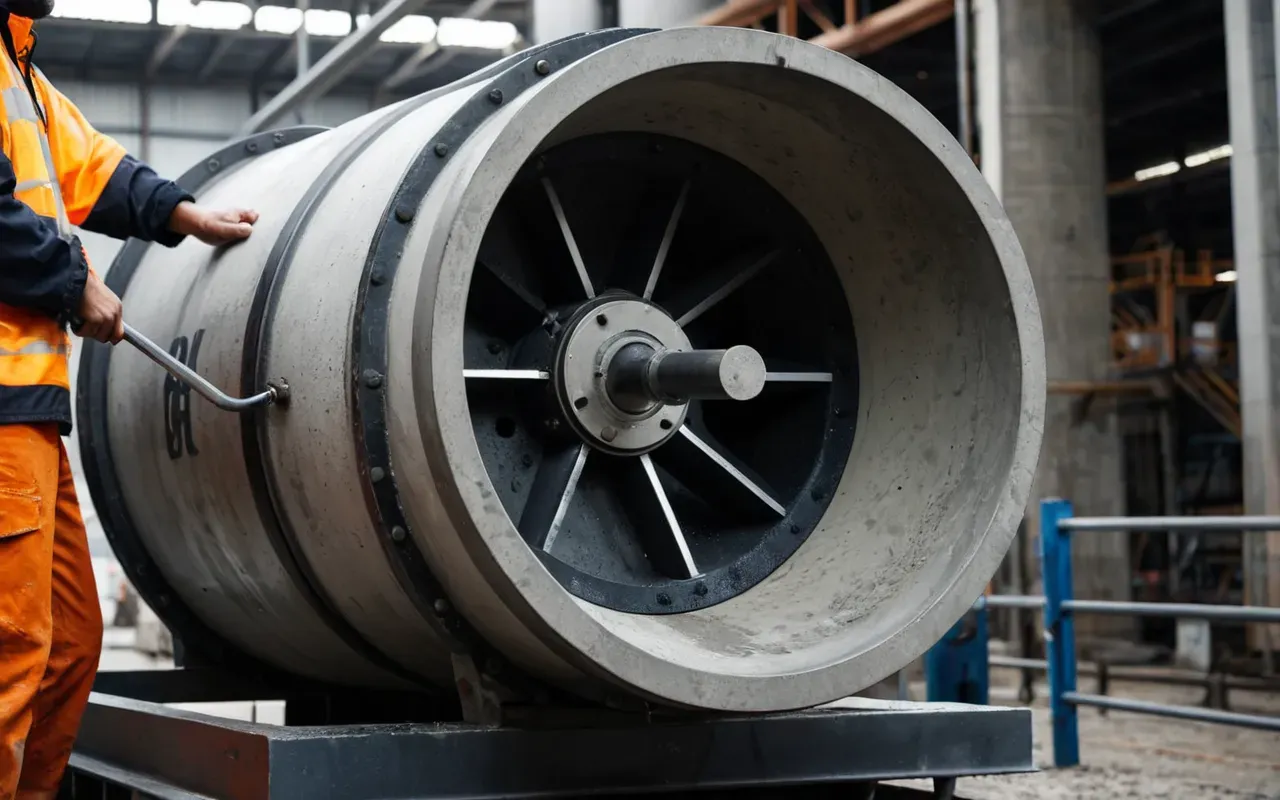
. The High-Output Beast
For serious volume, the m stationary plant is the way to go. It's not mobile. You build a foundation and install it permanently. But the output is massive — cubic meters per hour, enough for a large infrastructure project. It's a beast. Worth it, though.
Price range: $k to $k for used units. That's the upper limit of our budget, and it's a big commitment. You need a dedicated operator. You need a maintenance schedule. But the cost per cubic meter is the lowest of anything here. Pouring a bridge or a highway? This is the machine that makes sense.
. The Budget Saver
Not everyone can spend $k. The m basic unit is under $k. Older, simpler, no digital controls — it runs on manual levers. But it works. It mixes concrete. It pours concrete. For a startup or a very small operation, this is the entry point, the cheapest way into ready mix.
The downside? It's slow. More manual labor, and you need to monitor it closely. But the savings are real. Buy it, fix it, start pouring. It's a low-risk way to test the market. If you grow, you upgrade. If you don't, you sell it. Minimal financial risk either way.
. The Tech-Forward Unit
Then there's the m plant with modern sensors. Tracks aggregate quality in real time, adjusts the water ratio automatically, cuts waste. More expensive — around $k — but the efficiency gains are significant. Less cement, less water, more consistent concrete.
The sensors are the key. They detect moisture content and adjust the mix. It's not magic, it's data. But it saves money. In a market where cement prices are high, this plant pays for itself in a few months. The technology is worth the premium.
. The Rugged Outdoor Model
Some plants are built for harsh conditions. This m unit has a rust-proof coating and handles extreme heat and cold — ideal for remote sites. Working in a desert or a forest? This is the machine. Tough, durable, and it doesn't care about the weather.
Price range: $k to $k. Slightly more than the standard model, but the lifespan is longer. It doesn't corrode. It doesn't fail. A long-term investment, and if your site is exposed, the smart choice. It's the plant that lasts.
. The Hybrid Efficiency King
And this is the m plant with a hybrid power system. Runs on diesel but can connect to the grid. Saves fuel, reduces emissions. The future, honestly. Price sits at the top of our range — $k — but operating costs are lower. Most efficient plant on this list.
The hybrid system is the key. Electricity when it's available, diesel when it isn't. Better for the environment, better for your budget. If you're in an urban area with good power infrastructure, this is the plant to buy.
The Hidden Costs Nobody Talks About
Buying the plant is the easy part. Running it is where it gets hard. You need aggregate, cement, water, a power source, and a place to put it all. Those are the costs that eat into your margin. They're the real expense.
Aggregate is the biggest variable, and it depends entirely on where you are. Far from a quarry, your costs are high. Close, and they're low. Run that calculation before you buy anything. A cheap plant in a remote area ends up more expensive than a pricey plant near a source.
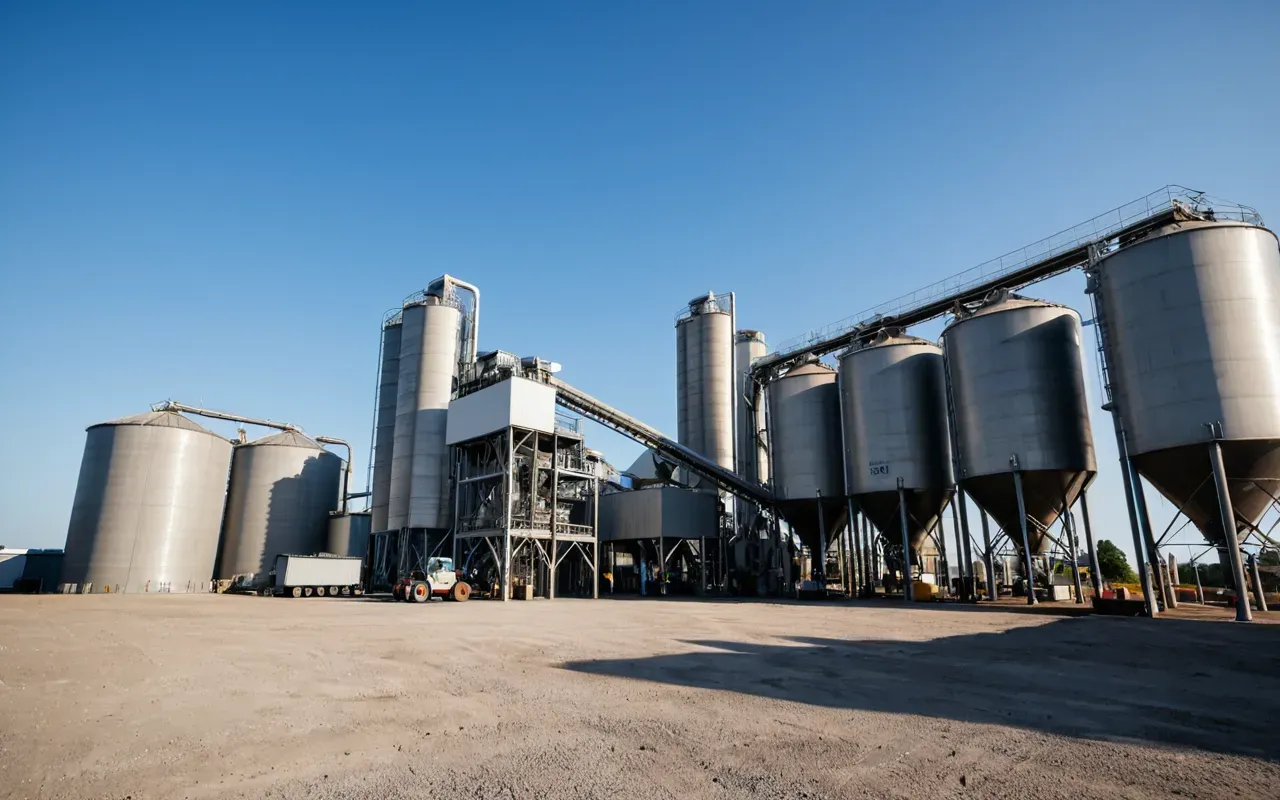
Cement is the other big cost. Stable in price, but heavy — transportation adds up fast. Buy in bulk and store it. Silos are expensive, but necessary. Skip the silo and you're buying cement by the bag, and that's a huge cost difference.
Maintenance Is Not Optional
A neglected plant is a broken plant. Simple as that. Clean the mixer every day. Lubricate the bearings every week. Check the belts every month. Skip those steps and you'll pay for it later — in downtime, in repairs, in lost revenue.
The mixer is the heart of the plant, and it needs attention. Concrete cures in the drum. Leave it and it hardens, and then you're going at it with a jackhammer. That's a nightmare. And it's completely preventable. Just clean it. Every single day. It's not hard — it's just discipline.
Belts are the second critical component. They stretch. They wear. They snap. And a snapped belt stops production cold. It's a simple part, and it's cheap. The downtime isn't. Check them regularly and replace them before they break. Small cost, big savings.
The Real Question Is Not Price, It’s Fit
So stop hunting for the cheapest plant. Start hunting for the right one. What's your volume? What's your site? How big is your crew? Those are the questions that actually matter. A m plant is useless if you only need cubic meters a day. A m plant is useless if you need .
Match the machine to the mission. That's the rule. Don't buy for the future — buy for today. If you grow, you can upgrade. But don't pay for capacity you don't have. That's a waste of money, and honestly, it's a trap. The best plant is the one that fits your current needs perfectly.
And remember, the market is shifting. Technology keeps improving. Efficiency keeps climbing. The plants of are better than the plants of — less energy, more consistent concrete, easier to operate. But the basics stay the same. Buy the right size. Maintain it well. Run it hard.
Frequently Asked Questions
How much does a small concrete batching plant cost?
A small concrete batching plant typically costs between $, and $, depending on capacity and condition. Mobile units sit on the lower end, while stationary models with higher output land at the top. Used equipment offers the best value for money.
Is it worth buying a used concrete plant?
Yes, buying a used concrete plant is often more cost-effective than new. You skip the initial depreciation hit and can find well-maintained units from reputable manufacturers at a fraction of the cost. Just make sure you inspect the machinery thoroughly before purchasing.
What is the average lifespan of a concrete batching plant?
With proper maintenance, a concrete batching plant can last to years or more. The mixer is the most critical component and may need replacement sooner. Regular cleaning and lubrication significantly extend the life of the entire system.
How much concrete can a m plant produce per hour?
A m plant is rated to produce up to cubic meters of concrete per hour under optimal conditions. Actual output may vary based on mix type, aggregate quality, and operator efficiency. It's built for large-scale commercial projects.