Command Alkon AI Feed Is Silently Eliminating The Most Expensive Mistake In Concrete Batching
The Silent Shift In The Batching Plant Control Room
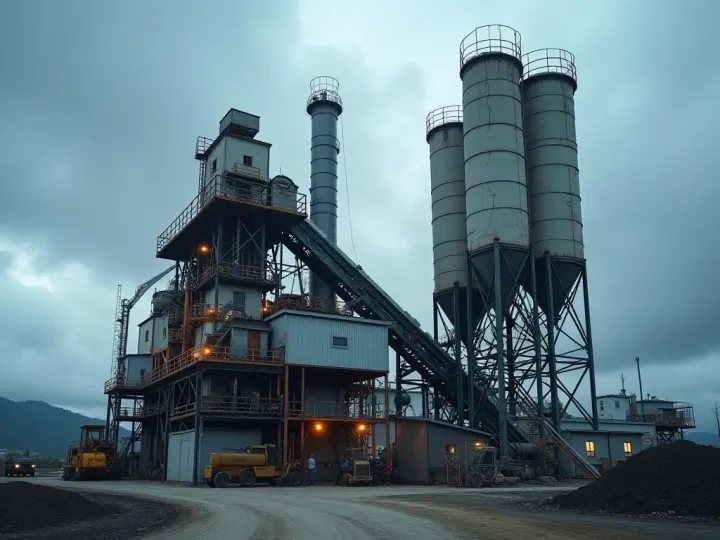
I walked into a concrete plant last Tuesday expecting the usual chaos. You know the scene. Dust everywhere. The hum of heavy machinery drowning out conversations. Operators staring at screens with intense focus, manually adjusting feed rates for every single batch.
But something felt different. Quieter. The operator wasn't touching the controls. He was watching a dashboard that seemed to be doing all the heavy lifting. This isn't science fiction anymore.
Command Alkon has rolled out their Command Cloud Batch AI Feed. Formerly known as MIntelligent Feed from Marcotte Systems, this tool is changing the game entirely. It uses artificial intelligence to analyze real-time data directly from your batching process.
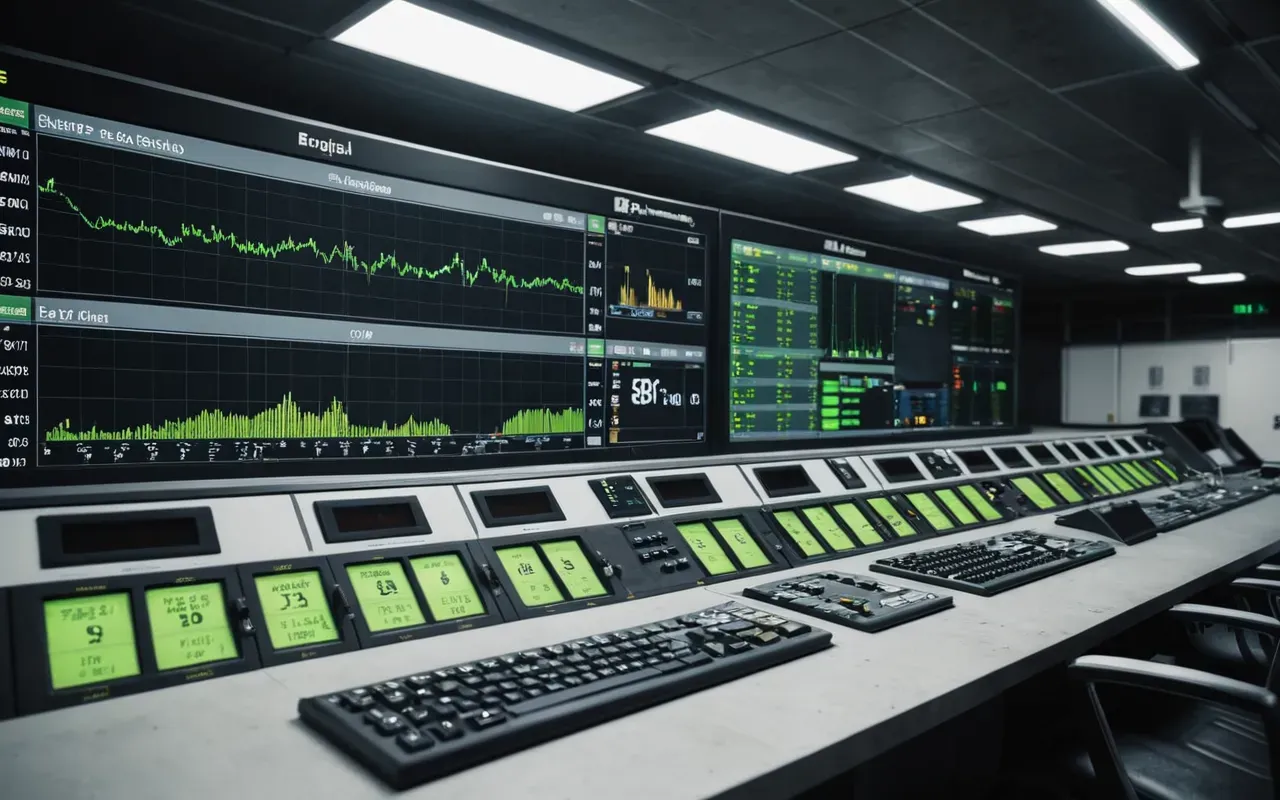
The system automatically adjusts feed equipment to ensure precise batching. It adapts continuously as conditions change throughout the day. Temperature shifts? Moisture variations in aggregates? The AI handles it without blinking.
Todd Koch, Senior Vice President of Plant Automation at Command Alkon, called this a significant leap forward. He emphasized that it elevates batching consistency while simultaneously reducing material waste and CO2 emissions.
Why The Marcotte Acquisition Matters More Than You Think
Let's rewind a bit. Marcotte Systems developed the original MIntelligent Feed technology. They spent years on dedicated research and development for this specific problem.
Command Alkon acquired the company in 2024. That move was strategic. It wasn't just about buying software. It was about integrating proven AI capabilities into a broader cloud platform.
The result is Batch AI Feed. It leverages the deep historical data Marcotte had collected combined with Command Alkon's massive infrastructure reach.
This integration creates a transformative differentiator. Producers get reliability at scale that standalone tools simply cannot offer.
The Hidden Cost Of Manual Batching Errors
We often overlook how expensive a single bad batch can be. Cement is pricey. Aggregates add up quickly when you're over-ordering just to be safe.
Traditional batching relies heavily on operator experience. If that veteran leaves? Your quality drops overnight. Human fatigue also plays a massive role in afternoon errors.
Batch AI reduces material costs by optimizing batches based on preferred tolerances. It lowers your carbon footprint too since you're wasting less cement overall.
The system's continuous learning ability means precision improves over time. Each batch makes the next one slightly more accurate.
Consistency Without Constant Human Intervention
Here's the thing about AI in heavy equipment. It doesn't get tired. It doesn't have bad days. And it certainly doesn't forget calibration settings.
Initial results show a fifty percent reduction in human intervention. That number alone should grab your attention.
Contractors can now deliver consistent quality regardless of operator experience. This democratizes high-level production capabilities across different plants.
Labor needs decrease significantly while output remains steady or even increases. You're getting more done with fewer mistakes.
Real-Time Data Analysis Changes Everything
The system analyzes data from the plant in real-time. Not yesterday's data. Right now.
When aggregate moisture spikes unexpectedly? The AI compensates instantly by adjusting water content and cement dosing.
This minimizes deviations before they become costly errors. The concrete consistently meets specified standards without manual correction.
For producers trying to scale operations rapidly? This reliability is non-negotiable. One bad load can ruin a contractor's reputation.
Environmental Impact Goes Beyond Greenwashing
Sustainability isn't just a buzzword anymore. It's a regulatory requirement in many regions.
By driving improvements over time through continuous learning? The system contributes to a genuinely more sustainable future.
Less wasted cement means lower CO2 emissions per cubic meter produced. That adds up quickly across large infrastructure projects.
You're not just saving money on materials either. You're future-proofing your operation against tightening environmental regulations.
Integration Into The Broader Ecosystem
Standalone tools often fail because they don't talk to other systems. Batch AI Feed integrates seamlessly into Command Cloud.
It works with COMMANDbatch concrete production controls too. This interoperability is crucial for global adoption.
Producers can access insights from their entire fleet of plants through one unified interface. Scalability becomes effortless.
This connectivity allows for benchmarking performance across locations too. You can see which plants are underperforming and why.
Looking Ahead To Fully Autonomous Plants
The technology lays the foundation for fully autonomous concrete plants. We're getting closer every year.
Imagine a facility that runs itself with minimal oversight. Efficient? Accurate? Environmentally conscious?
That future is being built today with tools like Batch AI Feed. The question isn't if it will happen.
It's who adopts these innovations first to gain a competitive edge. Early adopters will likely dominate market share soon.
Practical Considerations For Plant Owners
Should you upgrade immediately? That depends on your current infrastructure state. Older plants might need retrofitting first.
However ignoring this trend carries risks too. Competitors using AI will produce cheaper higher quality concrete faster.
The initial investment pays back through reduced waste and labor savings. Most users report seeing returns within months.
Don't let fear of change hold you back from adopting proven technology that delivers measurable results daily.
Training Your Team For The Transition
Transitioning to automated systems requires staff retraining. Operators become supervisors rather than manual adjusters.
This shift can be challenging initially but ultimately empowers workers with better tools for decision making.
Command Alkon provides support resources to ease this transition period. Their customer service team helps troubleshoot integration issues promptly.
Embrace the change instead of resisting it. Your bottom line will thank you down the road.
Measuring Success Metrics Post Implementation
Track key performance indicators after installation. Watch for decreases in rejected loads and material usage variance.
Also monitor CO2 emissions reductions carefully. These figures matter increasingly for client reporting requirements.
Use data dashboards to visualize progress over weeks and months. Trends become clear quickly when properly tracked.
Regular audits ensure the system remains calibrated correctly despite wear and tear on physical components over time.