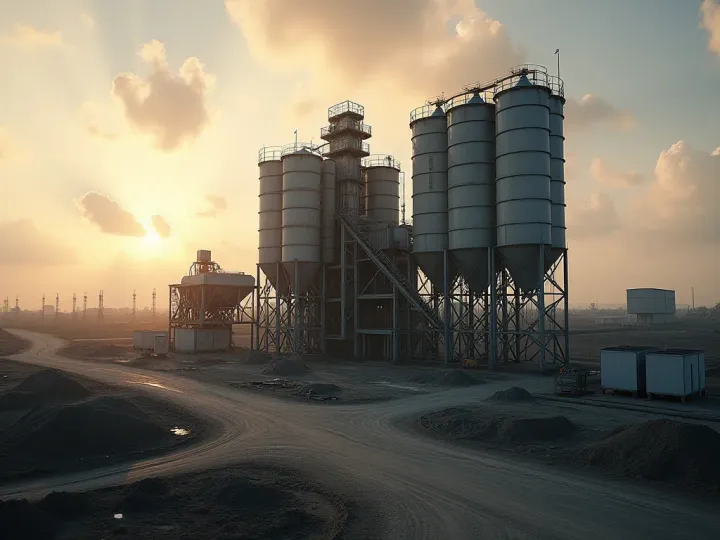
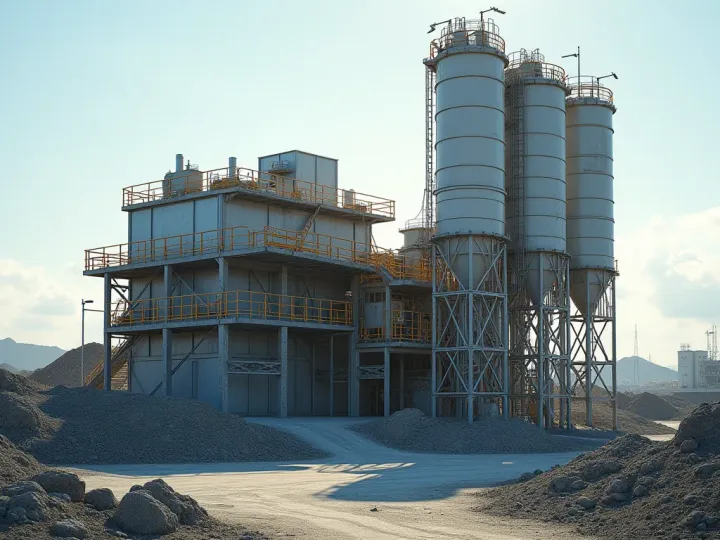
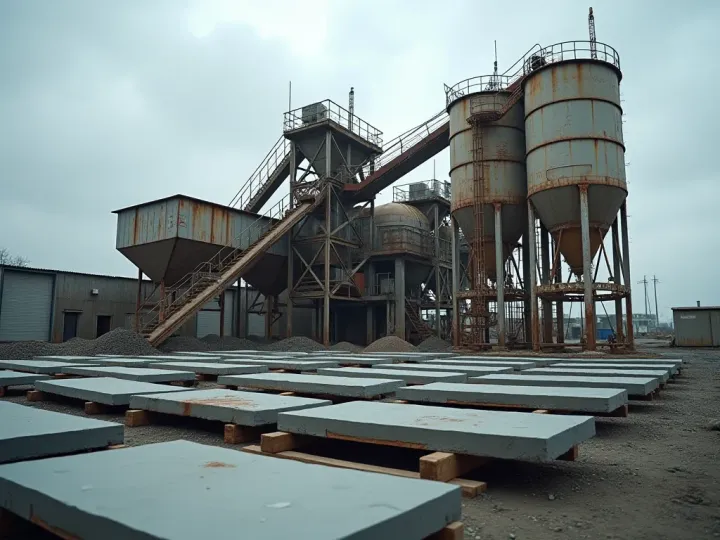
The Texas Concrete Plant That Lost A Quarter Million Dollars Because Of One Sensor
The Dust Is A Red Herring
Everybody stares at the dust. It's right there, settling on your car, coating the leaves out back. But I've spent years digging into industrial operations, and here's what I've learned: the dust is a distraction.
The real threat is the stuff you can't see. Crystalline silica. Carbon monoxide. The kind of toxins that build up over decades and don't wash off with rain. They just stay in the lungs.
Texas regulators want to do something about it. New rules would cap production at , cubic yards per year for some plants — a real shift from the old unlimited model.
But here's where it gets tricky. The new rules target individual plant emissions. They say nothing about what happens when several plants operate right next to each other.
Take Gunter. Residents there report breathing problems that vanish on weekends. The plants shut down, and their symptoms improve almost instantly. Hard to call that a coincidence.
Why Production Caps Change The Game
That , cubic yard cap hits high-volume operations hardest. Plants currently pushing past the limit have to cut output or eat penalties.
In dense counties like Harris and Galveston, the hourly limit drops from to cubic yards. That forces plants to slow their mixing cycles way down.
Industry leaders say they'll adapt. Their members can still supply what infrastructure projects need, they argue, without breaking any new rules.
Critics aren't buying it. Their worry: limit output in one area, and new plants just pop up in neighborhoods with looser zoning.
The Legal Loophole Nobody Talks About
And there's a glaring gap in the regulations. Nothing caps how many plants can sit within a certain radius of each other.
So one community could end up with three or four plants running at once. Each one technically complies with the individual limit. The total pollution still blows past safe levels.
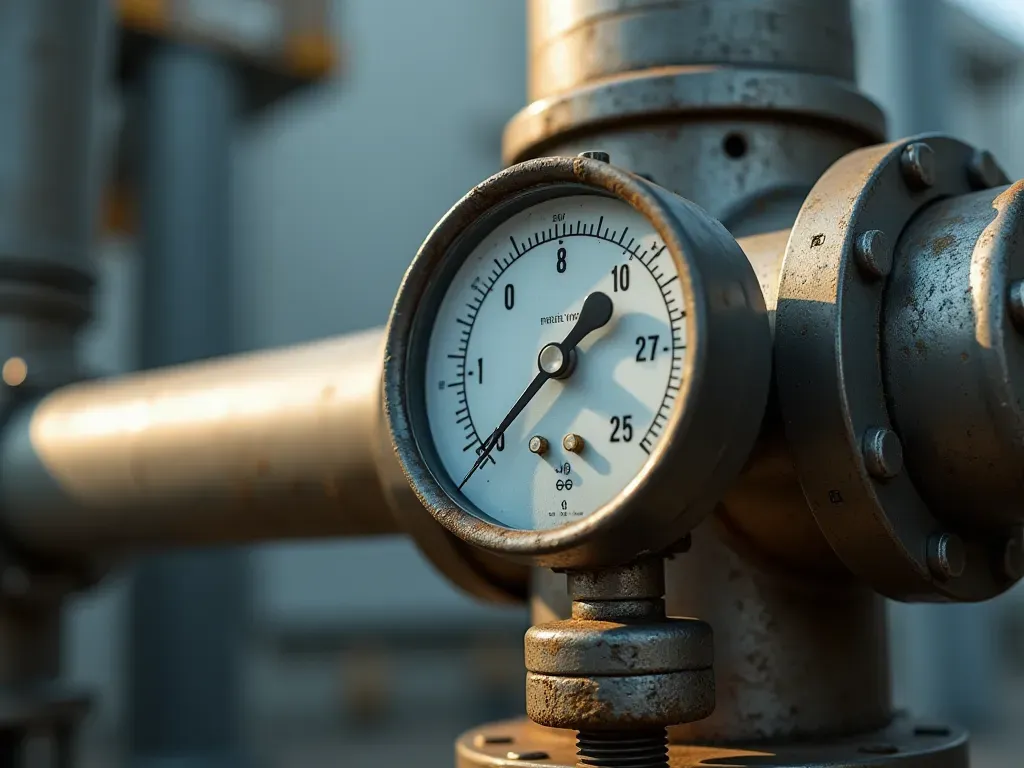
I recently read about a Texas plant that lost a quarter million dollars because of a single sensor drift. Fragile systems, these — especially when they run on self-reporting.
If a sensor drifts a little high, the plant looks compliant on paper. Meanwhile the community keeps breathing the excess toxins, and no violation ever gets recorded.
You can challenge a concrete plant legally, sure. Stopping it from opening? That's a different fight, and most residents lose it.
The Hidden Cost Of Self Reporting
Regulators lean on data the plants hand them. That's a conflict of interest, and in rural areas it's nearly impossible to police.
An independent analysis found the agency's background monitors aren't always near major activity zones. Which means the pollution readings are off.
If you're curious about how sensor drift impacts operations, it matters for both safety and compliance.
The Enforcement Gap
Passing rules is one thing. Enforcing them is another. Commissioners have shown real reluctance to act against industry lobbyists in recent years.
That reluctance has a price tag attached. The concrete industry generates over $ billion annually for the state economy.
Balancing growth and public health is delicate work. Regulators have to find a middle ground that protects both without sacrificing safety.
What This Means For Your Community
If you live near a concrete plant, watch the public comment period. Your voice shapes how these rules get interpreted and enforced.
Document everything — health issues, environmental changes, all of it. That data carries weight when you're pushing for stronger protections locally.
The stakes are high. We're talking long-term health risks for thousands of families living in the shadow of these industrial giants.
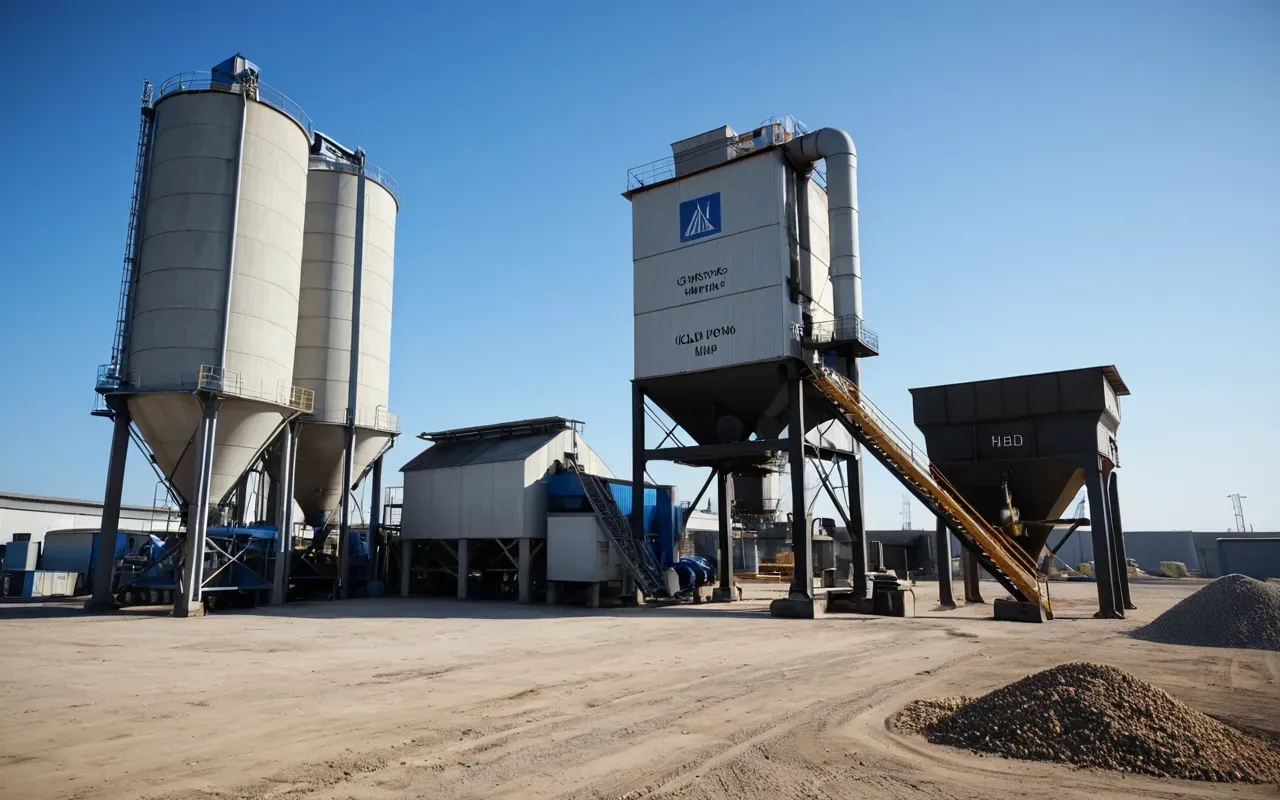
Knowing the technology inside these plants helps you ask sharper questions. Understand how mixers and sensors work, and you start to see where compliance failures begin.
For those into the mechanics, check out how hidden technical secrets can affect output quality and safety standards.
The Future Of Concrete Production
New tech promises cleaner production. Electric mixers, automated dust suppression — increasingly common in newer facilities.
But upgrades cost money. Smaller operators may struggle to keep pace with bigger competitors who can afford the latest environmental controls.
The industry is moving forward. The question is whether regulations keep pace — protecting public health and ensuring fair enforcement at the same time.
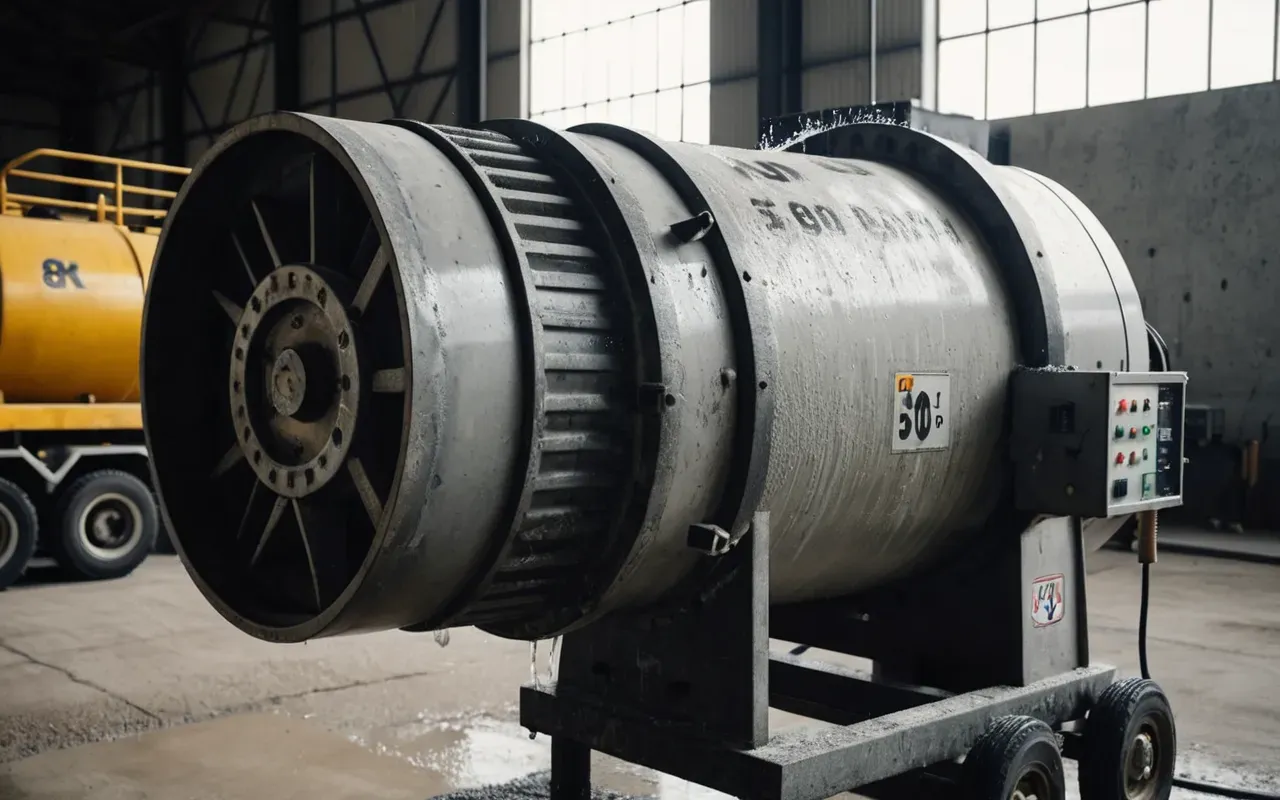
Maintenance matters more than people think. A well-kept plant produces less dust and runs more efficiently than one that's been neglected.
Regular checks on sensors and filters stop small issues from becoming major violations. Operator and community both come out ahead.
Thinking about investing in this sector? Understand these nuances first. The regulations aren't just red tape — they reflect real environmental and health concerns.
Stay informed. Follow updates from regulatory bodies and engage with local communities to grasp the full scope of these changes.
The fight for cleaner air isn't over. It takes vigilance from regulators and the public alike to make sure progress doesn't come at the expense of health.