The 7 Real Questions To Ask Before Buying A Concrete Batching Plant
The Question Everyone Skips During Plant Tours
I visited a new batching facility last month. The operator showed me the shiny mixer and pointed at the digital dashboard. Impressive on paper, sure.
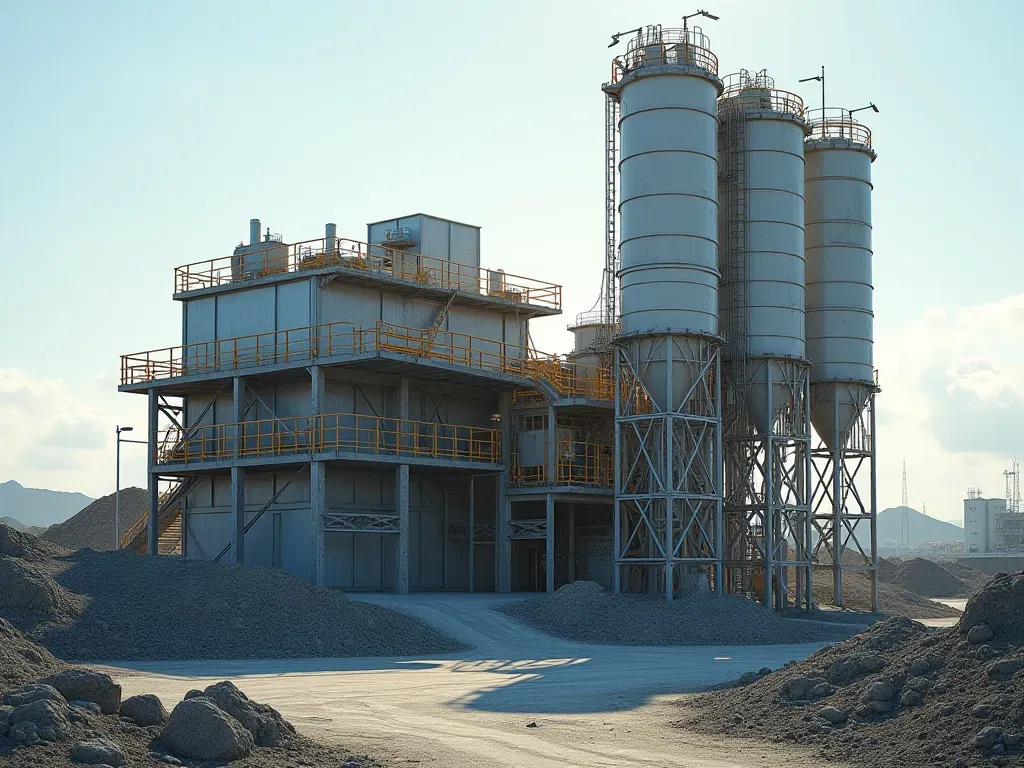
But I ignored the mixer. Instead, I walked straight to the aggregate silo intake. That's where the real story lives.
Most buyers focus on output speed. How many cubic meters per hour can the machine churn out? Fair metric.
But they miss the wear-and-tear reality. The intake chutes suffer constant abrasion from raw stone and sand. If those parts are cheap cast iron, you'll replace them every six months.
Here's the thing. Maintenance costs often eat up percent of your operating budget if you buy cheap parts upfront. The sticker price matters less than the lifetime cost.
Why Output Speed Is A Dangerous Metric To Trust
Sales reps love to quote peak production rates. They'll tell you the plant can hit cubic meters per hour in ideal conditions.
Ideal conditions don't exist on a job site. Rain delays loading trucks. Power flickers trip the breakers. The aggregate feed slows down when wet sand packs together.
So what's the real number? Ask for sustained throughput over a full shift. I once watched a plant promise high speed but fail to maintain it after hour three.
The mixer motor overheats. The conveyor belt slips under load. These failures happen when the system is pushed beyond its thermal limits.
If you're curious about how these mechanical stresses affect long-term reliability, take a look at the silent monomer behind your strongest concrete. It explains the material science side of durability.
The Hidden Cost Of Peak Performance Promises
High-speed operation generates heat. Heat degrades lubricants in the gearbox bearings.
You end up changing oil twice as often. That adds up fast when you run two shifts a day.
And it's not just lubricants. The electrical components suffer too. Contactors burn out faster when cycling at high amperage.
The Maintenance Schedule That Saves Your Sanity
I have a strict rule for my clients: never buy a plant without a written maintenance plan.
Most manufacturers hand you a manual and wish you luck. That's not good enough for optimized production.
Ask them to schedule the first three service visits. Then ask for a parts list with local stock availability.
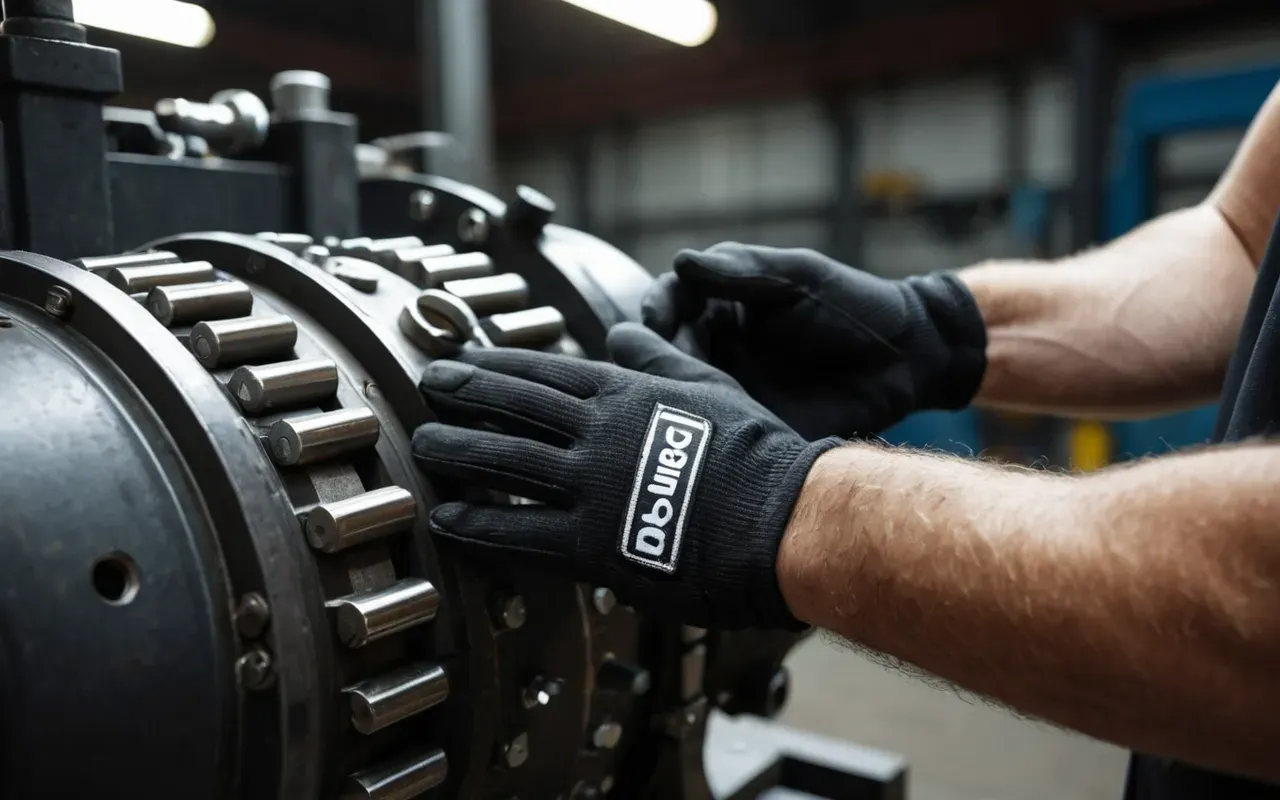
If they can't source critical spares within forty-eight hours, walk away. Downtime is your biggest enemy.
I once lost a week of production because a specific sensor was on backorder from overseas. That single failure cost me more than the discount I got on the plant.
Check their service network before you sign. A great machine with poor support is a paperweight in the rain.
What To Look For In A Service Response Team
Good service teams have local technicians. They know your specific model.
They carry common wear parts in their trucks. You shouldn't be waiting three days for a belt or a seal.
Ask how many plants they service in your region. If it's too few, their technicians are likely generalists, not specialists.
The Technology Gap Between Old And New Plants
Modern plants come with touchscreens and cloud connectivity. Sounds futuristic. But is it useful?
To be fair, the data can help. You can track mix ratios and detect drift in aggregate weight.
But the software is only as good as your hardware. If your load cells are dirty or miscalibrated, the data lies.
I've seen plants where the screen said ten tons of cement went in. The truck scale showed eight tons. That's a two-ton error on every batch.
Always verify the calibration process. Ask them to show you how they test the sensors.
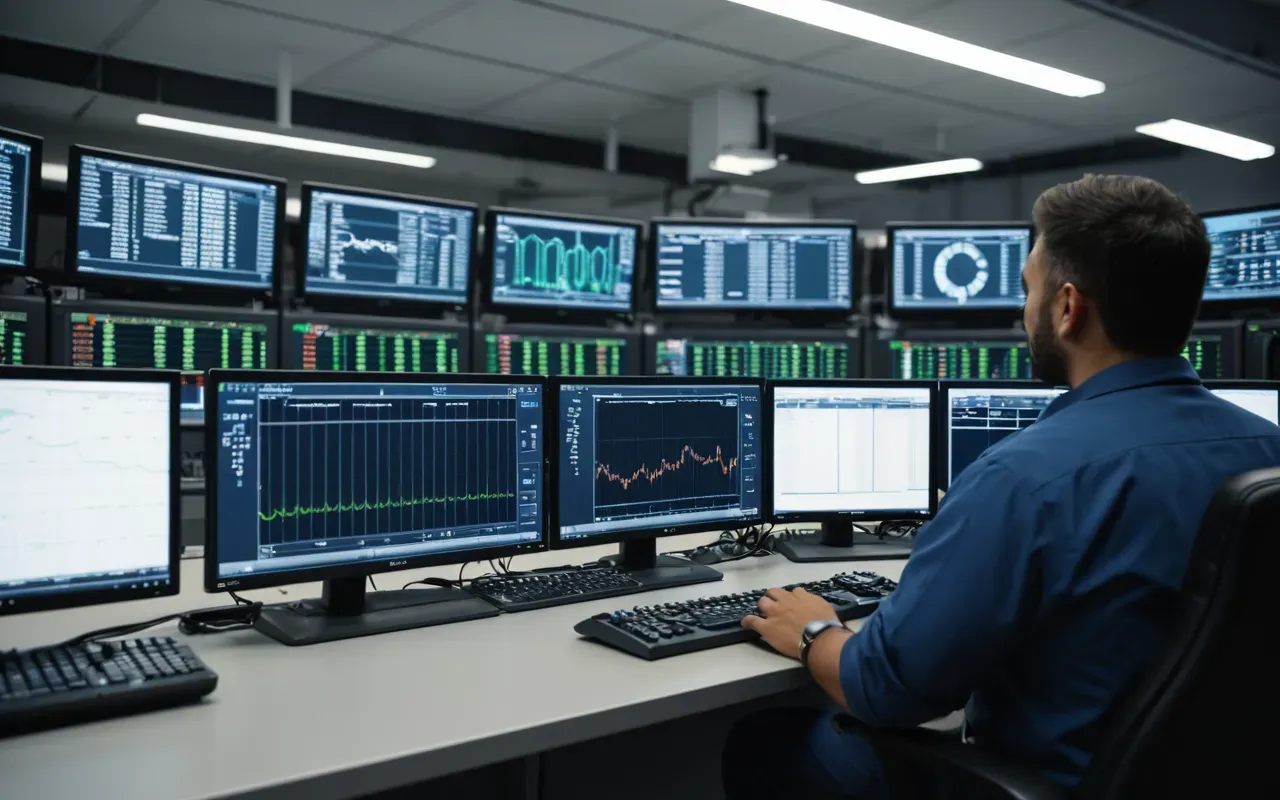
Why Software Reliability Matters More Than Features
Flashy features are nice. Stability is non-negotiable.
A plant that crashes during a pour creates chaos. Operators panic and guess the mix.
Look for systems with local backups. If the internet goes down, the plant must keep running.
This is a critical point that many buyers ignore until the first outage happens.
The Financial Reality Of Owning Heavy Equipment
Buying a plant is easy. Operating it profitably is hard.
You need to calculate your cost per cubic meter. Include labor, energy, aggregates, and maintenance.
Many suppliers hide these numbers in complex contracts. Read every clause carefully.
If you're looking at financing options, be wary of hidden fees. I've written about the silent financial trap in heavy equipment loans that most contractors ignore. It's a topic worth your time.
How To Calculate Your True Operating Costs
Start with your fixed costs. Insurance, land lease, and base staff salaries.
Then add variable costs. Fuel for the mixer, electricity for the feeders, and material waste.
Divide by your monthly output. Compare that number to the market price for ready mix.
If your cost is higher than buying from a competitor, you have a problem. Fix it before scaling up.
Common Misconceptions About Plant Efficiency
People think bigger is better. A larger plant means more profit.
Wrong. If you don't have enough local demand, a large plant sits idle.
I've seen small plants outperform huge ones. The smaller unit was closer to the job sites.
Proximity reduces transport time. It also allows for fresher concrete delivery.
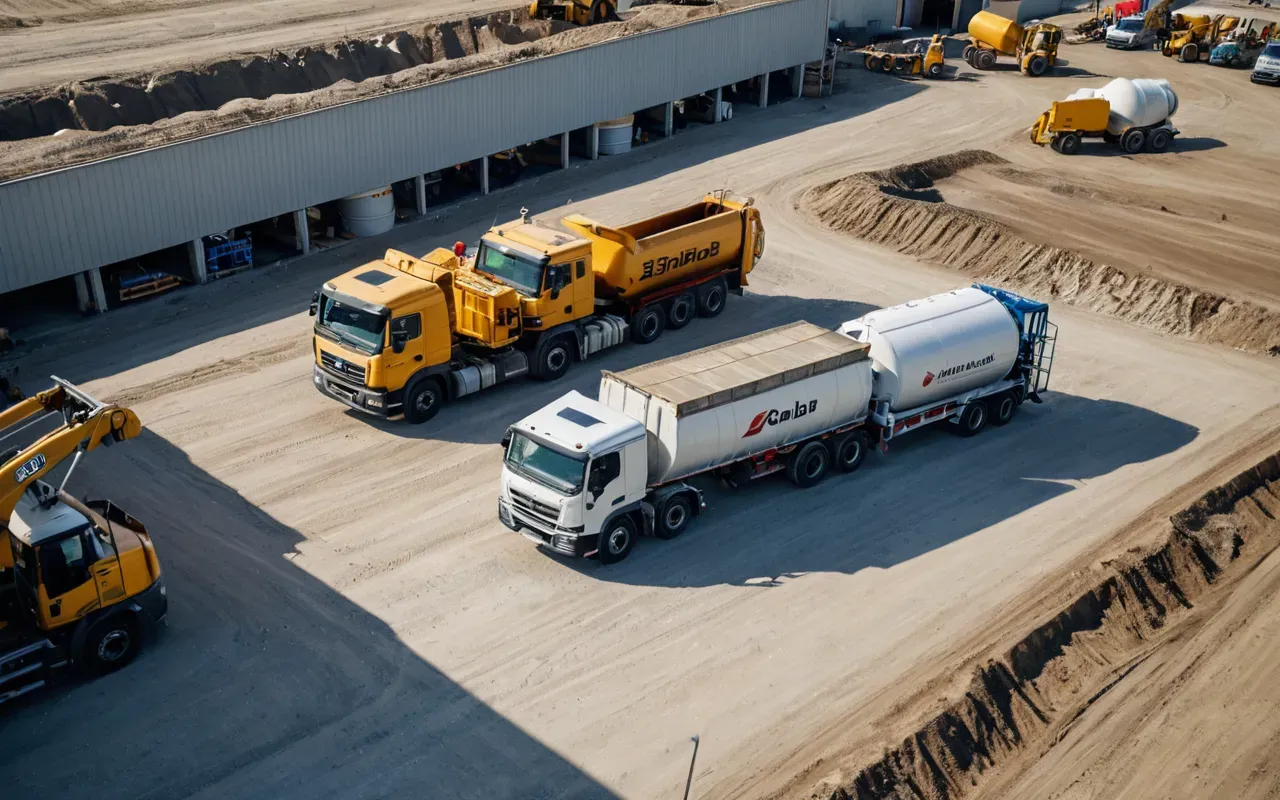
Another myth: new equipment always saves money. Sometimes used plants are the smarter buy.
A well-maintained ten-year-old plant can outperform a new one with cheap components.
Look at the 20-year-old concrete plant in Illinois that is quietly outperforming new units. It proves age is not the only factor.
The Local Factor You Cannot Ignore When Searching Nearby
When you search for concrete batching plants near me, location is key.
Proximity to your project site reduces truck roll time. That saves fuel and driver hours.
It also helps with emergency deliveries. If a pour is delayed, you need help fast.
Check the supplier's service radius. Do they cover your entire project area?
If not, you might face higher fees for out-of-zone deliveries. Ask about this upfront.
How Weather And Geography Impact Plant Selection
Cold climates need heated silos to prevent aggregate freezing.
Hot regions require better cooling systems for the mixer to prevent concrete overheating.
Talk to local operators. They know the specific challenges of your area.
Final Checklist Before You Sign The Deal
Before you commit, run through this simple list. It covers the critical points.
First, verify the warranty terms. What's covered, and for how long?
Second, check the spare parts availability. Can they deliver within two days?
Third, review the energy consumption data. High efficiency saves money monthly.
Fourth, ask for references from similar projects. Call them and ask hard questions.
Finally, inspect the control software interface. Is it intuitive? Does your team understand it?
Frequently Asked Questions
What is the average lifespan of a concrete batching plant?
A well-maintained concrete batching plant typically lasts between fifteen and twenty years. The core steel structure endures, but moving parts like mixers and conveyors need replacement every five to seven years.
How much does it cost to operate a batching plant daily?
Daily operating costs vary based on output and energy prices. On average, expect to spend between two thousand and five thousand dollars per day in labor, fuel, and materials for a standard volume plant.
Why is local availability of spare parts so important?
Local stock ensures rapid repairs during breakdowns. If parts must ship internationally, downtime can extend to weeks, causing significant revenue loss and project delays for your construction clients.
Can I customize the software of a new batching plant?
Most modern plants offer basic configuration for mix ratios and user permissions. Full custom software development is rare due to cost constraints, but you can usually adjust reporting templates and alert thresholds.