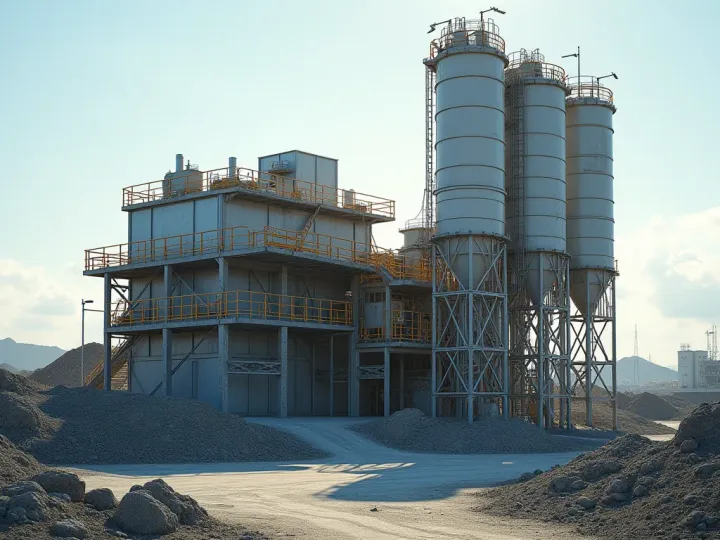
Stop Paying For New Concrete Plants When Old Ones Are Still Printing Money
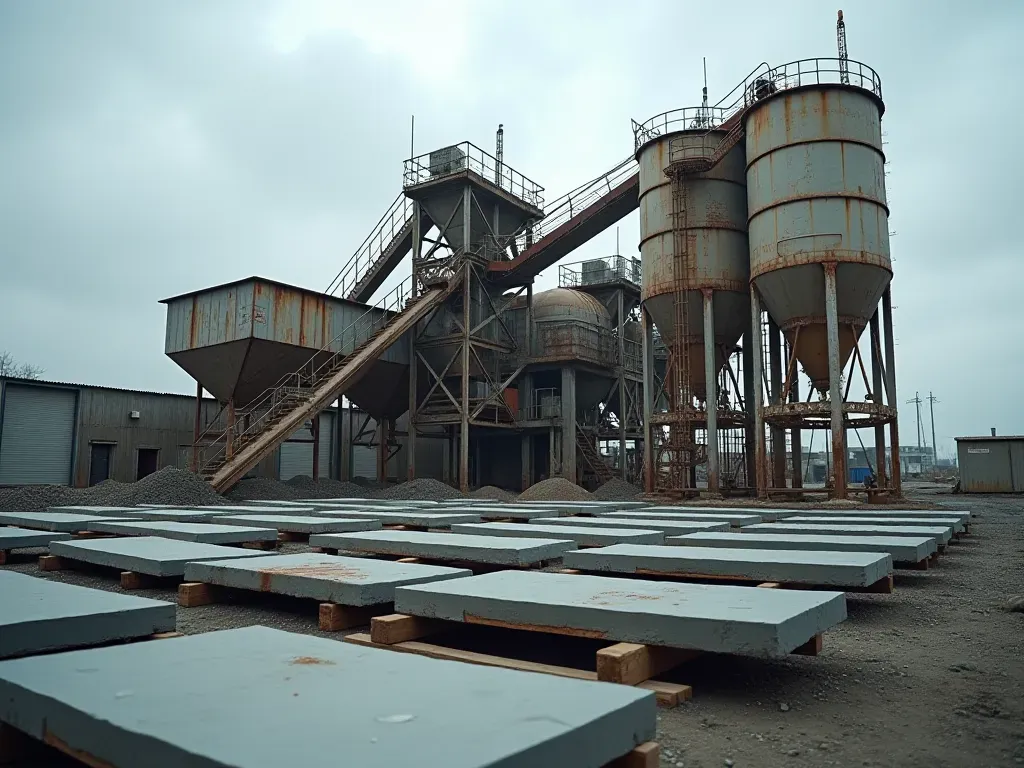
The $.M Upgrade That Was Completely Unnecessary
Last spring I watched a regional concrete supplier in the Midwest write a check for $. million. Two new automated batching plants, bought to replace a fleet of ten-year-old units.
The boardroom logic was simple. Newer is faster. Faster means more truck loads per hour. More trucks means more revenue before winter shuts everything down.
Here's what nobody told them: the old plants were already running at % of their theoretical maximum capacity.
The new machines sat in a warehouse for three months waiting on software licenses and operator training. Meanwhile, the old units kept humming along with zero downtime.
We see this pattern constantly in heavy equipment buying decisions. Operators assume technological obsolescence is the main driver of lost profit.
It usually isn't. The real killer is calibration drift and maintenance neglect on the fleet you already own.
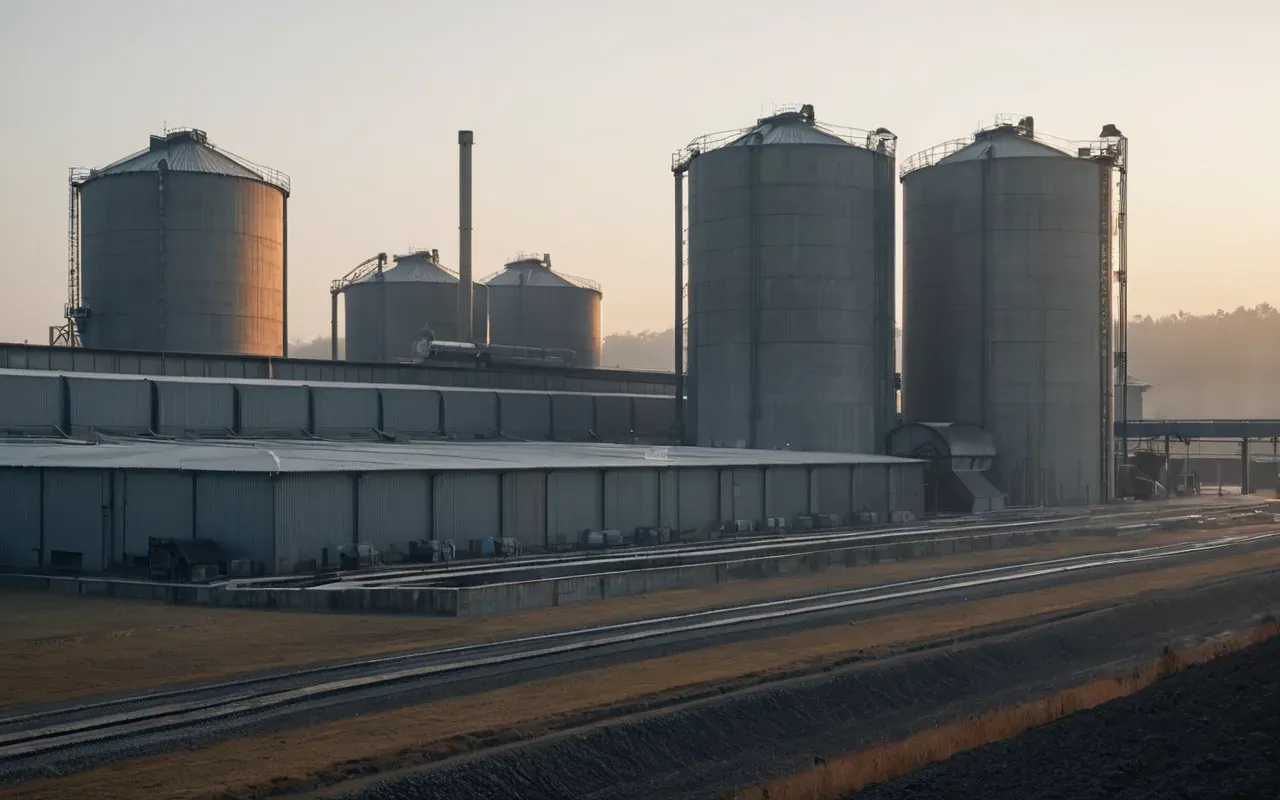
Why Modern Automation Creates Blind Spots
Modern batching plants come with impressive dashboards. Real-time data streams, cloud connectivity, predictive maintenance algorithms.
On paper, pure efficiency. In practice, it breeds a dangerous false sense of security among plant managers.
If the screen says green, everything is fine. But screens don't weigh aggregates. They interpret electrical signals from load cells.
Load cells drift. Temperature swings change their output. Vibration from nearby heavy machinery throws the readings off.
A plant can be producing concrete that's technically off-spec while every digital indicator shows perfect compliance.
This is where old guard operators have an edge. They know their equipment's quirks by feel and by sound.
They hear when the mixer is struggling. They see how the aggregate flows at different humidity levels.
The Hidden Cost of Calibration Drift
Let's talk numbers. A typical ready mix truck carries roughly ten cubic meters of concrete.
If your batching plant is off by just two percent on cement content, you're either overpouring or underperforming.
Overpouring wastes material. Cement is expensive. Two percent extra cement across fifty trucks a day adds up to thousands in wasted product.
Underperforming means the concrete fails strength tests. Now you're returning trucks or paying for remedial work at customer sites.
Both scenarios destroy margins. And both are invisible to anyone who trusts the software blindly.
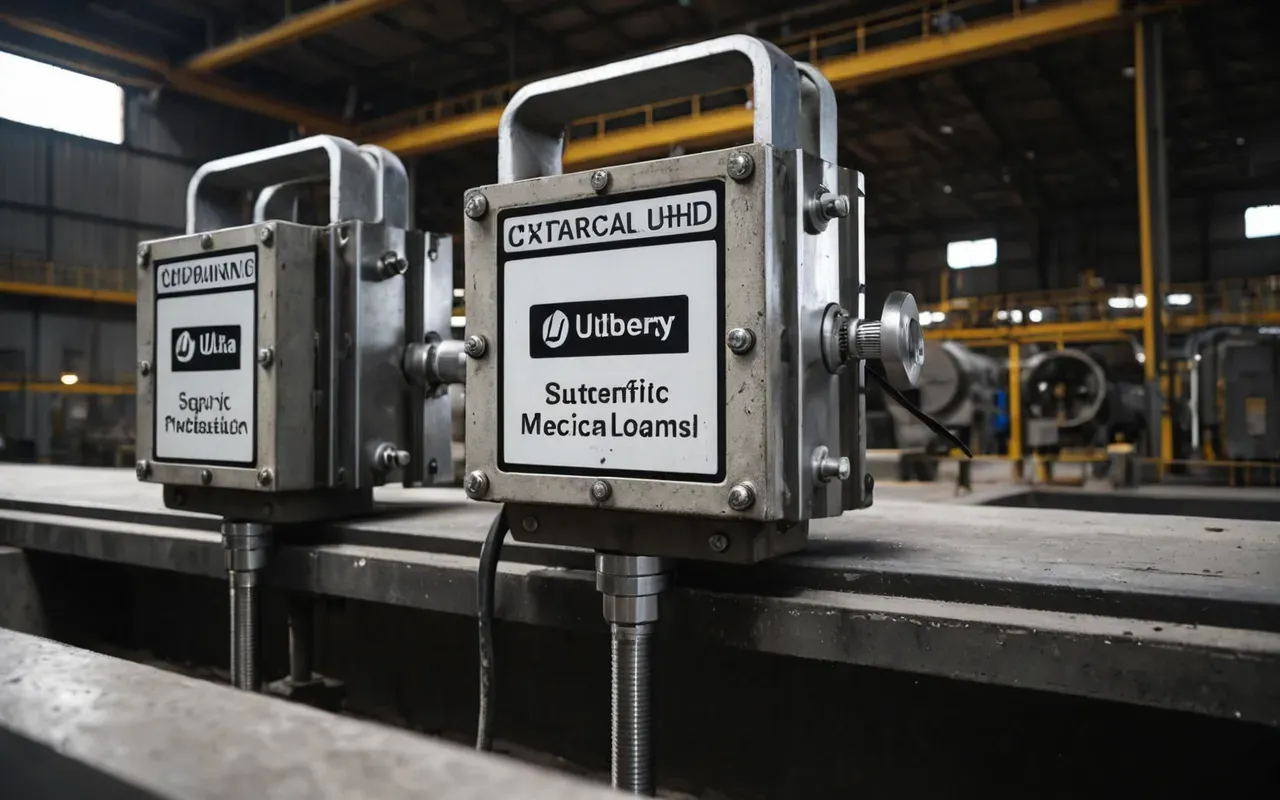
Maintenance Is the Real Performance Technology
I've interviewed dozens of plant operators across different regions. The best performers all share one habit.
They treat calibration as a daily ritual, not an annual check. Every morning, before the first batch, they weigh known test weights.
Fifteen minutes. That's it. It catches drift early, when it's cheap to fix and before it gets expensive to ignore.
The plants that fail are rarely the oldest. They're usually the ones where nobody is watching the physical process closely enough.
New technology amplifies human error if you're not careful. It hides the symptoms that would otherwise prompt a manual check.
What to Check Before You Buy New Equipment
Before you sign that purchase order for a new batching plant, ask yourself three questions.
First: is your current fleet actually underperforming, or are you just bored with the interface?
Second: have you audited your calibration records for the last six months? Look at the variance data, not just the averages.
Third: if you upgrade, what happens to your existing skilled operators? Will they get time to learn the new system, or will you lose them?
If your answers are vague, you probably don't need a new plant. You need a better maintenance protocol.

The Operator Factor That Machines Cannot Replace
We talk about automation as if it removes the need for human judgment. It doesn't.
A good operator knows aggregate moisture changes with the weather and affects mixing times.
They adjust water content manually, even when the software suggests a fixed ratio based on historical data.
That human override is where quality lives. It's also the first thing to disappear when you switch to fully automated systems.
I met an operator last winter who refused to trust the software entirely. He kept a notebook of manual adjustments.
His plant consistently outperformed newer units in the same facility. The difference was his willingness to intervene when the data looked wrong.
When Upgrading Actually Makes Financial Sense
This isn't a blanket anti-technology argument. Sometimes you do need new equipment.
If your current plant produces below eighty percent of its rated capacity for reasons other than calibration, you have a mechanical problem.
Worn liners, broken gears, failing pumps — downtime no amount of software can fix.
In those cases the ROI on a new plant is clear. You're replacing broken hardware with working hardware.
But if your machines run at ninety percent capacity and you're still losing money, the problem is in your process, not your hardware.
The Real Metric That Matters for Profit Margins
Stop measuring success by truck loads per hour. It's a vanity metric that ignores quality and cost.
Start measuring profit per cubic meter of concrete delivered to the customer site without rejection or remedial work.
That metric captures everything. Material waste, labor efficiency, equipment reliability, operator skill — all in one number.
If that number is low, a new plant won't fix it. If it's high, you probably don't need a new plant at all.
The concrete industry has been seduced by the promise of smart technology. We need to remember that dumb discipline still wins most days.
Frequently Asked Questions
How often should you calibrate a concrete batching plant?
Calibrate your load cells every morning before the first batch of the day. It takes about fifteen minutes and catches drift early, when it's cheap to correct.
What is the biggest cost driver in ready mix concrete production?
Material waste from calibration drift is often the largest hidden cost. Overpouring or underperforming can add thousands in wasted cement and rejected loads per month.