The secret to building a nuclear reactor in record time is hiding in your batching plant
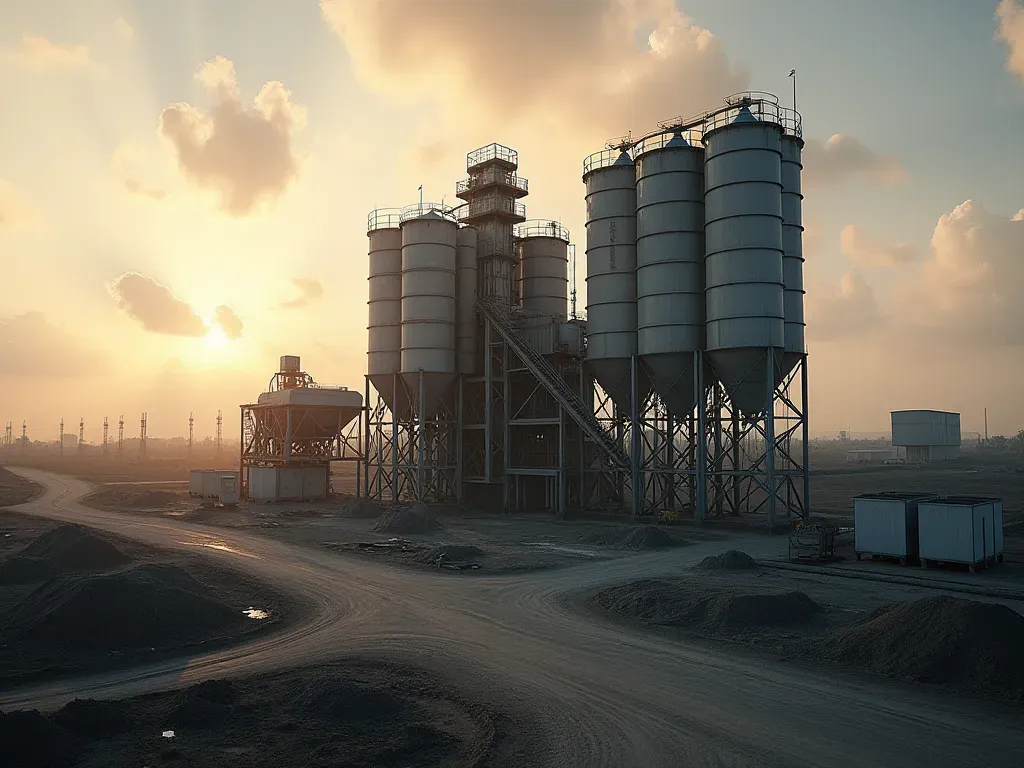
The clock is ticking on the most demanding civil works site in Europe right now. It is not a skyscraper or a bridge.
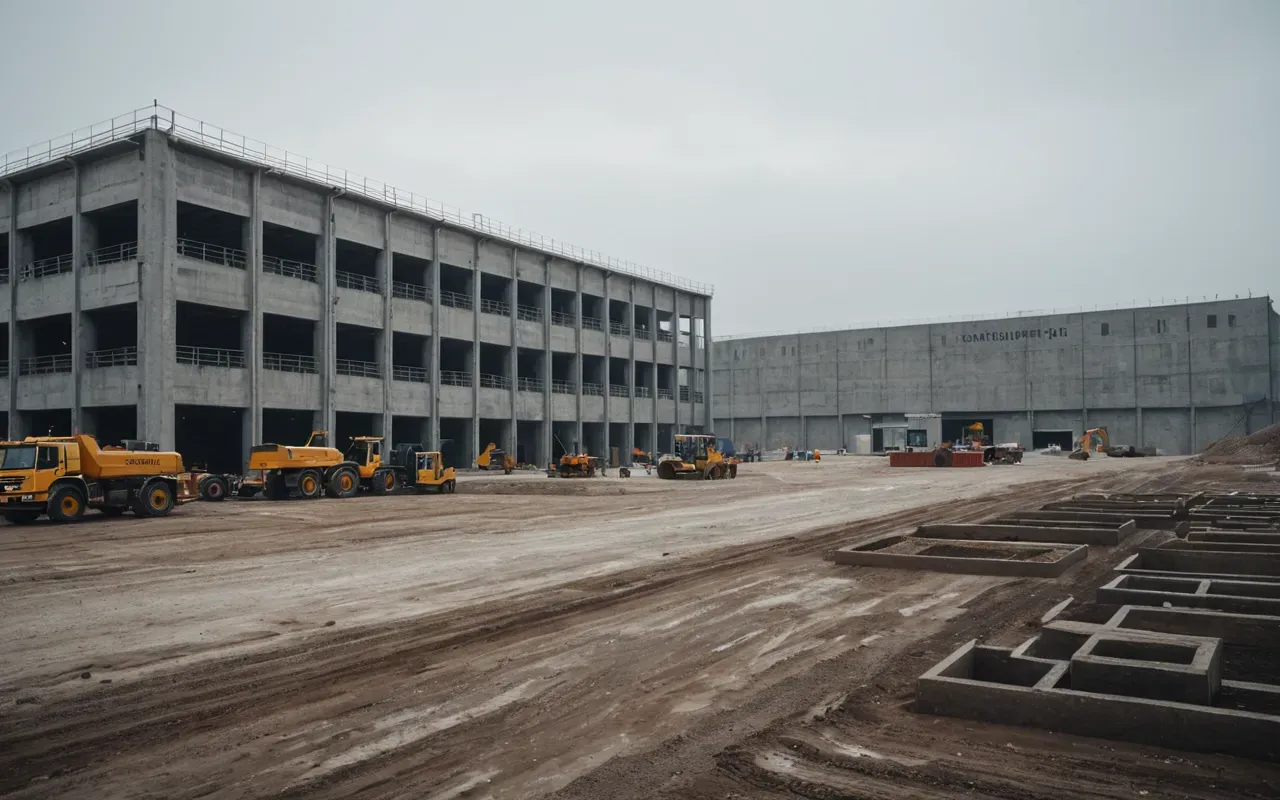
This is the Penly EPR project. Two third-generation nuclear reactors, rising out of a coastal landscape — and they need concrete the way a body needs water.
The scale here defies standard industry logic. The site targets a total production of one million cubic metres.
You don't see that number in everyday commercial construction. It's the kind of material demand that can choke an entire supply chain if it's managed badly.
So when Eiffage Génie Civil announced they'd installed the first two units in seven months, I stopped scrolling and started taking notes.
Most of us assume building a concrete plant is just bolting parts together. We're wrong.
The real work happens in the invisible systems. The calibration. The flow rates. The storage logic.
If you think your batching plant is just a machine that mixes wet ingredients, this story will make you rethink every assumption.
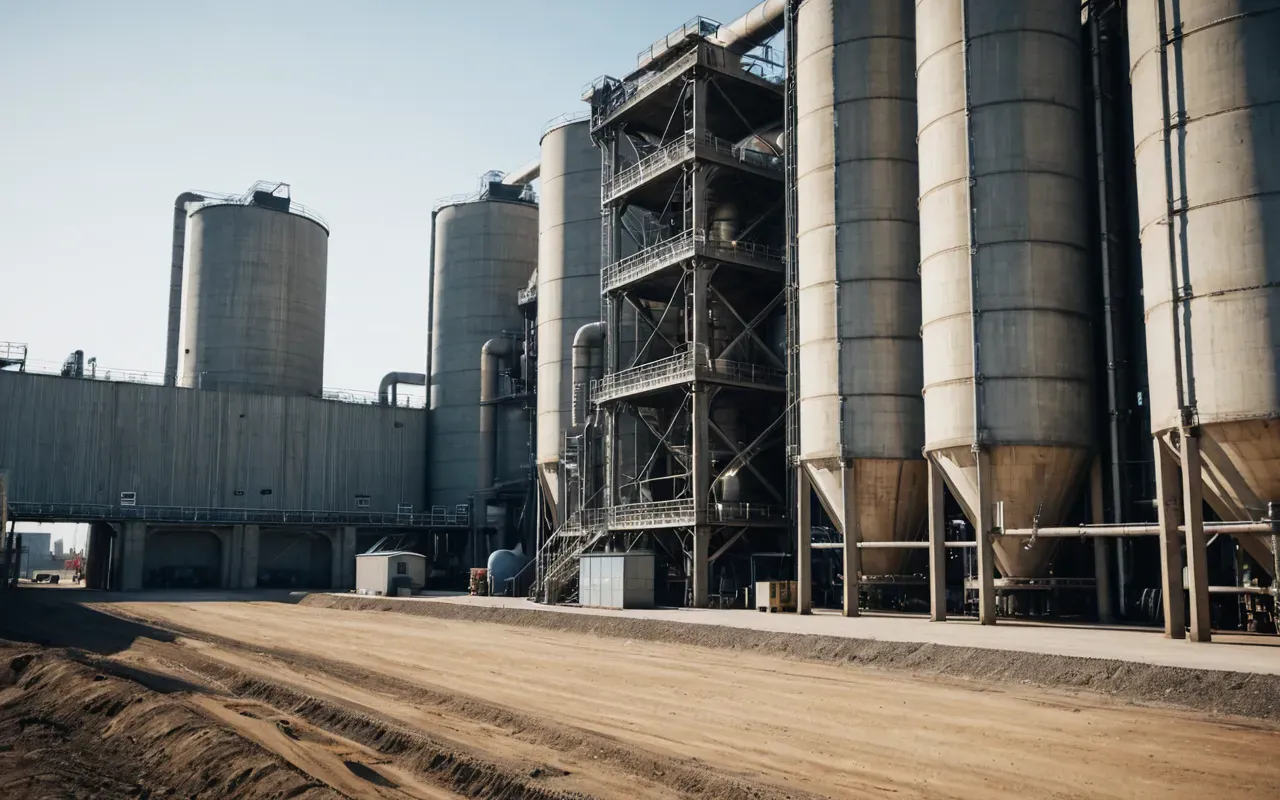
The hidden engine behind the speed is not the mixer itself. It is the storage architecture.
Look at the numbers Eiffage shared for the upcoming four-unit expansion. The facility will hold about five thousand tonnes of cement.
Then twenty-seven thousand tonnes of aggregates. And seventy thousand litres of admixtures.
This isn't a warehouse in the traditional sense. It's a high-pressure logistical hub built to feed a beast that runs twenty-four hours a day.
I've watched plenty of operators struggle with supply interruptions. The difference here is that storage volume is decoupled from daily production fluctuations.
If your plant runs out of sand in hour twelve because a truck was late, you lose hours. Here, the buffer is massive.
That level of redundancy changes how you think about downtime. A potential disaster becomes a minor inconvenience.
The ARCEN mixers are doing more than just mixing. They are defining the quality ceiling for nuclear-grade concrete.
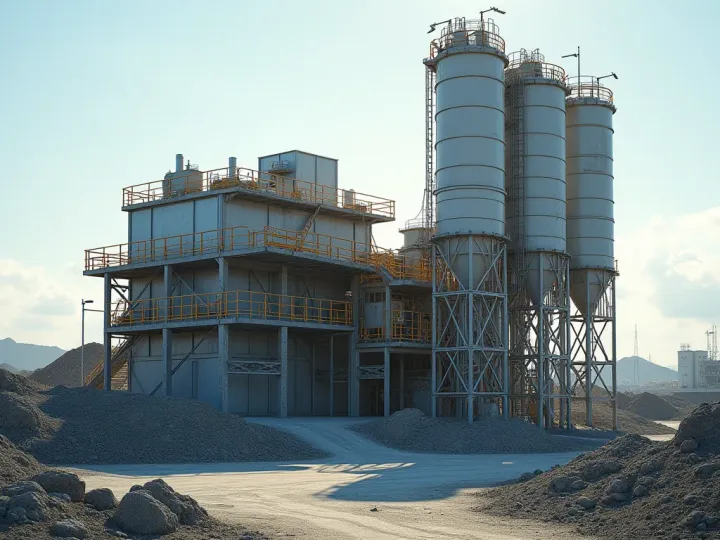
The UP and UP units use four ARCEN plants equipped with three cubic metre mixers.
For a reactor building seventy metres high and fifty metres in diameter, consistency isn't a luxury. It's a safety requirement.
If the aggregate distribution drifts by even a small percentage across hundreds of batches, the structural properties change.
And this is where most plants fail. They look fine on a test batch in the lab. Then they drift under real-world load.
I've met operators who refuse to trust their software because they know the sensors drift. This project likely relies on a far more rigorous calibration protocol.
The human element is the variable that most technical reports ignore. Four thousand people will peak on this site.
Eiffage has committed to generating one point three million hours of employment. That includes specific roles for social integration.
It's not just about labor costs. It's about training a new generation of specialists in nuclear civil engineering.
The contract covers sixty-nine structures. Each one needs a different mix profile and pour sequence.
The operations centre alone spans fifteen thousand square metres across six floors. That's a massive volume of high-performance concrete.
When you're managing that many crews and pours at once, the batching plant becomes the central nervous system of the site.
The financial stakes are so high that a single calibration error could cost millions in rework.
In standard construction, a bad pour means patching. In nuclear infrastructure, it can mean demolition and redesign.
Which is why the speed of installation matters so much. The faster you bring a verified unit online, the sooner you cut your risk exposure.
UP is already running alongside GIE Béton. UP is in commissioning tests right now.
That parallel approach keeps material flowing constantly while quality controls get verified in real time.
What this means for the rest of us is a new benchmark for what heavy equipment can do.
We talk about technology in the abstract all the time. This is a concrete example of it meeting reality.
So if you run a batching plant today, ask yourself: can your storage buffers handle a supply shock?
Ask if your mixers are calibrated to the same precision as these ARCEN units. Ask if your operators trust the data.
The Penly project isn't just building reactors. It's proving that concrete production can be both massive and precise.
Next time you look at a batching plant, see it as the engine of an entire industrial ecosystem. That's where the real story lies.