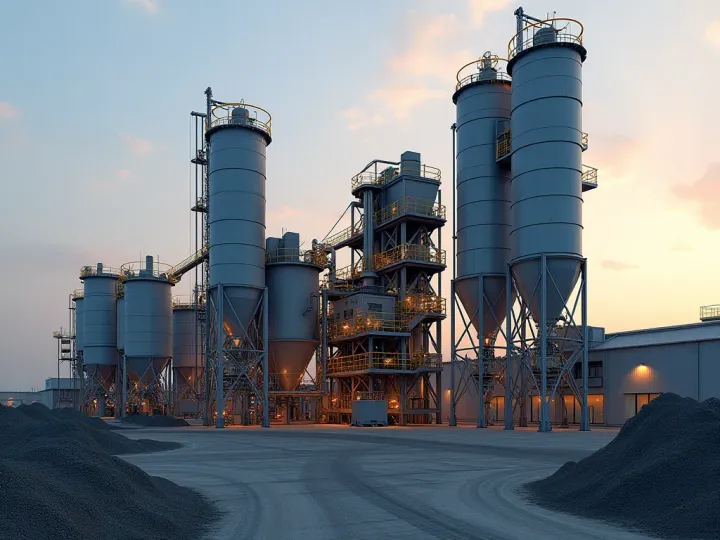
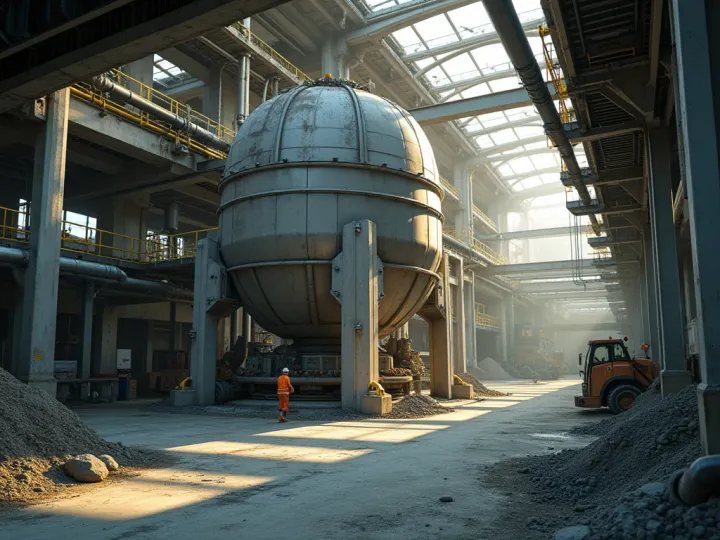
A single missed calibration cost one plant $25,000 and I bet your system is drifting right now
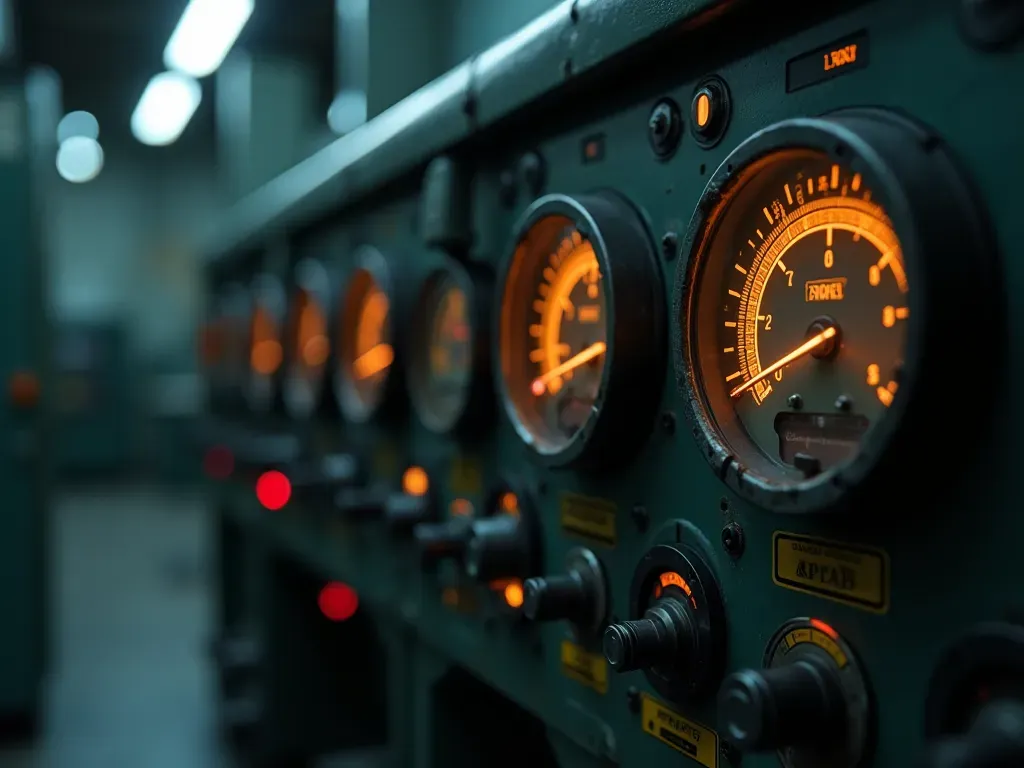
The invisible leak in your concrete line
A manufacturer lost seventy five tons of product. That happened over the span of a full year. The immediate cost? Twenty five thousand dollars, gone.
Then the line ground to a halt for nearly eight hours. Revenue just evaporated during that pause. All because of a tiny error in weighing.
I see this pattern constantly on the floor. Operators blame bad sensors or poor raw material quality. They rarely suspect the tuning is off.
The system was overweighing a specific ingredient by sixty pounds. The tolerance allowed only fifty. Sounds small — until you multiply it.
Five thousand batches a year times that drift creates a mountain of waste. Your concrete plant likely has the same silent leak right now.
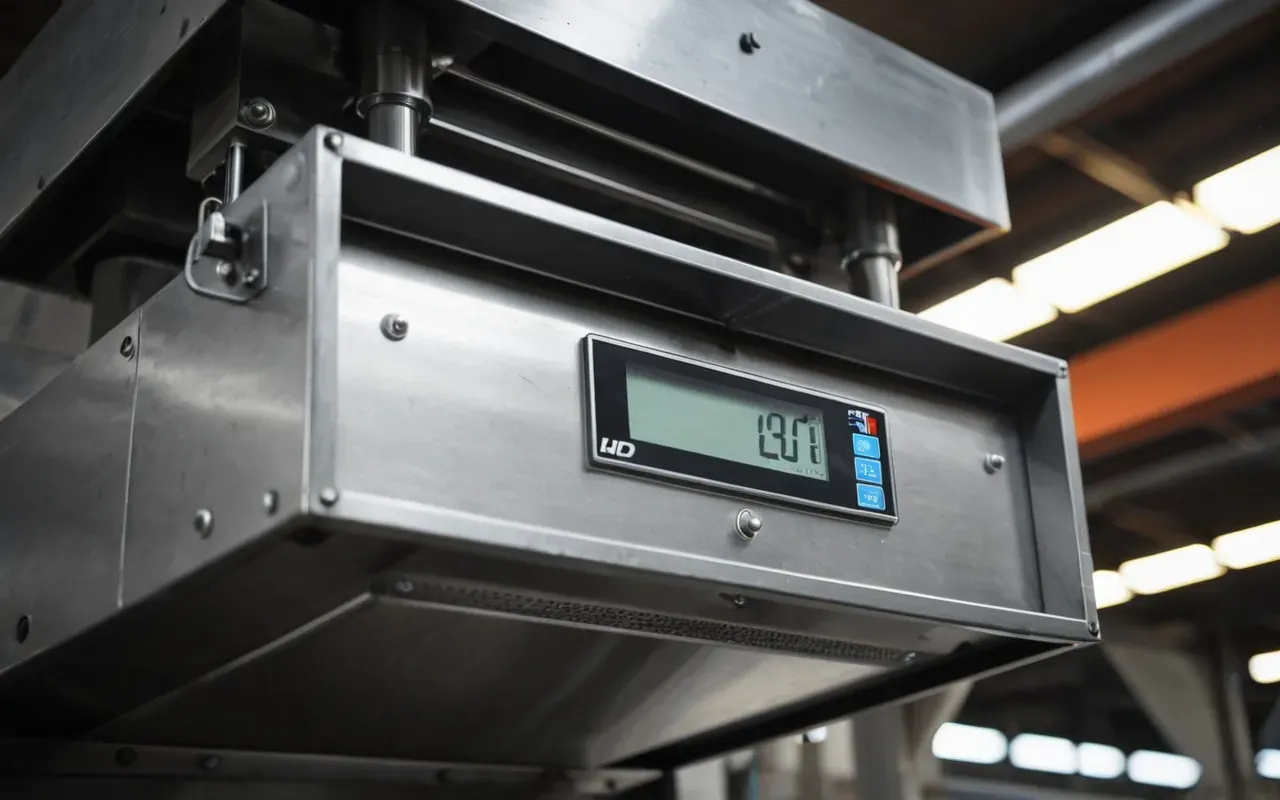
Why high throughput operations suffer most from drift
Speed is your friend in concrete production. But speed amplifies every small error you make. One bad second of feeding repeats thousands of times.
Outdated tuning creates false alarms that stop the line. Operators re-measure ingredients repeatedly to fix the issue. This wastes valuable time and materials.
Even cheap ingredients add up when wasted at scale. A few cents of sand per batch becomes a huge loss over time.
We keep seeing plants ignore these micro losses. They focus on big capital upgrades instead of fixing basic calibration.
The hidden cost in high value materials
Some operations use expensive additives or specialty cements. A slight tuning error here hurts the margin directly.
I was struck by how much money disappears into these pockets. It is not a big fire but a slow bleed.
If your system wastes less material overall the dollar impact can still be higher. The cost of ingredients changes everything.
What bin tuning actually does for your plant
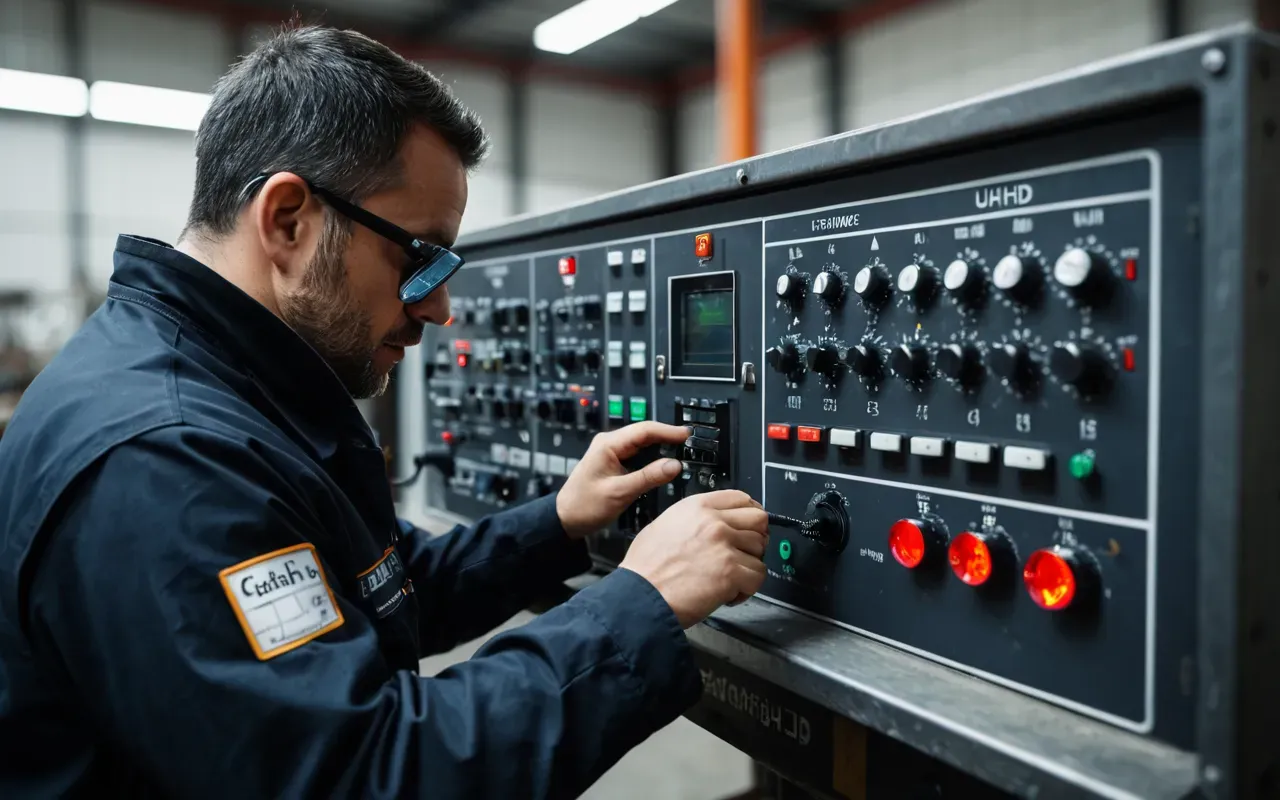
Bin tuning is the continual optimization of batch control systems. It ensures peak efficiency and consistent product output.
Systems are tuned during start up but then ignored. Equipment ages breaks or gets replaced without recalibration.
Performance degrades silently over time. You do not see it until the numbers look wrong.
The three core adjustments you need to make
First is tuning at start up for initial peak performance. Second is monitoring evolution as production needs change.
Third involves analyzing performance against metrics. Then you make the necessary adjustments to fix drift.
It is about meeting your unique operational requirements. Not relying on one size fits all global parameters.
Three benefits that directly protect your profit margin
Reducing ingredient waste is the first major benefit. Optimizing feeder speeds minimizes the risk of throwing away expensive materials.
Accurate measurements ensure fewer raw materials are wasted. This translates directly to cost savings in your ledger.
Boosting throughput without sacrificing precision
Tuning balances speed and accuracy in the control loop. It allows increased production without losing quality.
For high throughput facilities small improvements yield big gains. Productivity goes up while errors stay low.
I have seen plants double their effective output just by fixing this. The hardware was already capable of it.
Maintaining product consistency across locations
Inaccuracies during batching lead to inconsistent final products. Customers expect the same quality everywhere.
Failing this standard means losing customer trust. That is a cost no facility can afford to pay.
If you operate multiple sites this is critical. Each plant must match the recipe exactly.
Why ignoring this drift is a strategic mistake
Small system changes create cascading effects. A new feeder or recipe change can break your calibration.
You need experts who understand the entire process. Not just someone tweaking the programming code.
The right expertise identifies root causes of inefficiencies. It tunes the system to your specific needs.
Avoid broad generalized fixes that mask deeper problems. They only delay the real issue.
Connecting this to modern plant reliability trends
The industry is shifting toward predictive maintenance. But basic tuning remains the foundation of success.
If you are curious about the batching plant mistake that costs money daily this issue is a prime example.
Many operators still rely on manual checks. This leaves too much room for human error and drift.
We keep seeing a gap between technology capability and operator practice. Closing this gap saves real money.
The hidden link to broader equipment reliability
Poor tuning stresses mechanical components over time. Feathers wear out faster when fighting drift.
This leads to more frequent breakdowns and repairs. It is a direct cost multiplier.
I recommend auditing your maintenance logs for this pattern. Look for repeated feeder adjustments.
What to do right now before the next shift starts
Check your last calibration date. If it is older than three months you are likely drifting.
Review your waste logs for the last quarter. Look for patterns in specific ingredient usage.
Talk to your automation vendor about a tuning audit. Ask specifically about feeder speed consistency.
Document every adjustment you make this week. This creates a baseline for future comparisons.
If you want to see how AI feed control can eliminate batching mistakes start with your current data.
The bottom line on profitable batch manufacturing
Without regular bin tuning you are wasting money and time. You risk losing customer trust in the process.
These losses are avoidable with a small investment. Regular tuning pays for itself quickly.
I have seen plants turn around their margins in one quarter. It started with fixing the basics.
Do not wait for a crisis to act. Your concrete plant is likely bleeding money right now.
The technology exists to fix this. The choice is whether you prioritize it.
Final thoughts on maintaining operational excellence
Excellence is built in the details. Tuning is one of those critical details.
It separates top performers from the rest. It is not glamorous but it works.
Make it a habit and watch your costs drop. Your competitors are likely doing exactly this.
Stay ahead by focusing on what you can control. Start with your batch system today.