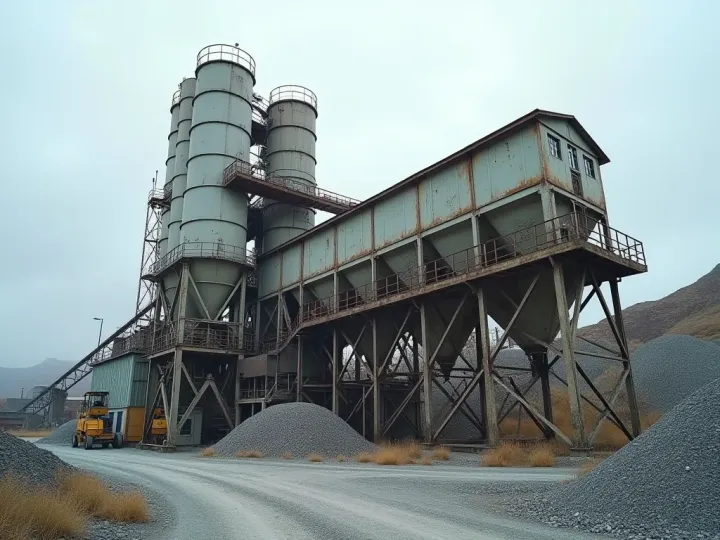
The Perth Concrete Batching Plant Mistake That Costs Operators $18k Every Month

The Quiet Thief In Your Plant Control Room
Last Tuesday I watched a $. million batching plant in Perth crank out concrete that looked perfect on paper and was structurally useless in reality. The mix design called for MPa strength. What actually came out? A brittle mess that cracked within forty-eight hours of the pour.
Here's the thing nobody talks about on site. The machine wasn't broken. It was drifting. And that tiny drift in the sand hopper sensor cost this operator nearly $, in a single week.
We see this everywhere. Operators trust the green light on the screen because they didn't check the physical hopper level yesterday morning. You think you're running a smart plant. But without manual verification, you're flying blind with expensive equipment.
Why Green Lights Lie To You
Most modern batching systems use load cells to measure ingredient weights. When they're new, these sensors are accurate within a fraction of a percent. But dust builds up on the sensor arms over time.
In high humidity or on dusty sites, that drift can exceed two percent within three months. And a two percent error in cement content changes the water-to-cement ratio drastically.
You might think you're saving money by using less cement. But if the mix is off, your concrete fails quality tests or needs expensive rework later on site.
The Perth Specific Problem With Local Aggregates
Western Australia has unique aggregate characteristics. Perth sand is often coarser than what standard mix designs assume from other regions.
Which means your batching plant needs constant recalibration. Buy a standard mix design from a national supplier, plug it into your local machine without adjusting for local aggregate absorption rates, and you're setting yourself up for failure.
I spoke with a plant manager in Joondalup who told me this exact issue cost him two months of delayed payments. His concrete was weak because the sand absorbed too much water during batching.
The fix is simple, but it takes discipline. Test your local aggregate absorption weekly, then adjust the water content in your mix design accordingly.
How Humidity Changes Your Mix Daily
Perth swings hard on humidity between winter and summer. In July, the air is dry but cold. In January, it's hot and humid.
Humidity affects how much water your sand already holds before it even hits the mixer. Run a static mix design year-round and your concrete will be too wet in winter, too dry in summer.
Smart batching plants use moisture sensors to compensate automatically. Running an older system without them? Then you need to manually check aggregate moisture every morning.
This is why I always tell operators to stop trusting their gut and start checking the numbers. The weather changes daily. Your mix design should adapt with it.
The Maintenance Gap That Costs You Money
Most operators I meet skip maintenance tasks because they figure the machine is fine as long as it's running. Dangerous misconception.
A batching plant has dozens of moving parts that wear down silently. Conveyor belts stretch. Bearings dry out. Hoses crack from the inside thanks to chemical exposure.
Ignore these small issues and they become expensive breakdowns. I know a plant in Armadale that lost three days of production because one worn bearing seized up unexpectedly.
The repair cost was only $. But the lost production and delayed deliveries cost them over $, in penalties from their clients.
What You Should Check Every Week
Start with the hopper sensors. Use a known weight to test each sensor against its digital reading. Any drift beyond one percent? Recalibrate immediately.
Next, check your water system. Make sure the pressure gauges are accurate and there are no leaks in the supply lines. Even a small leak can shift your mix ratio significantly.
Finally, inspect all moving parts for wear. Listen for unusual noises. Check for vibration that might indicate a failing bearing or misaligned belt.
Why Your Competitors Are Winning With Smart Tech
The concrete industry in Perth is evolving fast. New entrants are using automated systems that adjust mix designs in real-time based on environmental conditions.
These smart plants use AI to predict wear and suggest maintenance before failures happen. They can also optimize material usage based on current market prices for cement and aggregates.
Still using manual inputs without data logging? You're at a significant disadvantage. Your competitors are saving money and improving quality with technology that's now accessible to smaller operators.
You don't need a million dollar upgrade. Plenty of modern batching plants offer modular upgrades that add these smart features to existing equipment.
How To Upgrade Your Existing Plant
Start by installing data logging software that tracks every batch produced. That gives you visibility into production quality and helps identify patterns in errors.
Next, consider adding moisture sensors to your aggregate hoppers. These devices cost a few thousand dollars but can save you thousands in wasted materials each month.
Finally, train your operators on data-driven decision making. Technology is only as good as the people using it.
Real World Impact Of These Changes
I followed one Perth operator who implemented these changes in early . Within six months his waste rate dropped by fifteen percent and his client complaints vanished completely.
He also negotiated better prices with suppliers because he could prove consistent quality. His profit margin improved by eight percent in just one year.
This isn't theoretical advice. This is real money saved by paying attention to details most operators ignore.
If you want to see how other plants handle these challenges, there are some great examples online like The Real Cost Of Ignoring Your Concrete Batch Plant Maintenance Schedule which details similar financial impacts.
Case Study From A Suburban Plant
A small plant in Canning Vale was struggling with inconsistent output. They implemented a simple weekly calibration routine and started tracking aggregate moisture daily.
Within three months their pass rate for strength tests jumped from eighty percent to ninety-five percent. That single change paid for their new sensors within two weeks.
The lesson? Small consistent actions produce big results over time. You don't need a massive investment to see improvement.
Common Myths About Batching Plant Efficiency
Many operators believe bigger is better. They think a larger plant will always produce faster and cheaper concrete.
Wrong. A smaller well-maintained plant often outperforms a larger neglected one, because it has fewer moving parts and simpler systems to manage.
Another myth: expensive equipment guarantees quality. In reality, a cheap plant with rigorous maintenance protocols beats an expensive one that runs without oversight.
Focus on process discipline, not just hardware upgrades. The best plants in Perth are usually the ones that treat maintenance as a core business function rather than an afterthought.

The Cost Of Doing Nothing
Keep ignoring calibration drift and maintenance gaps, and your losses will compound. Each bad batch costs you money in rework or penalties.
Over a year, those small losses add up to tens of thousands of dollars. That's why I urge every operator in Perth to take action now.
The concrete industry is competitive and margins are tight. You can't afford to leave money on the table by ignoring basic operational principles.
Your Action Plan For Better Batching
Start by auditing your current calibration practices. Check when each sensor was last verified and how often you test aggregate moisture.
Write down a maintenance schedule and make your team stick to it. Post it in the control room. Everyone should know exactly what's expected of them.
If you don't have basic data logging yet, get it. Honestly, even a plain spreadsheet works — it's enough to spot trends and catch problems before they blow up.
Train your staff on the why, not just the how. When people understand how their actions affect quality and cost, they follow the protocols. Every time.
Tools That Make A Difference
Digital checklists are the easy fix for skipped maintenance tasks. Plenty of plants run apps that ping you for weekly checks.
Moisture meters matter too. They give you instant readings of aggregate moisture, so you can adjust your mix design in real time.
Consider also looking at Why Your Australian Batching Plant Is Bleeding Money Through Calibration Drift for more specific technical details on sensor accuracy.
The Bottom Line For Perth Operators
Running a concrete batching plant in Perth takes more than buying the right machine. It takes constant attention to detail, and a willingness to keep improving.
The operators who win treat their equipment like a living system — something that needs regular care and adjustment. They don't assume perfection. They just work toward it every day.
If you want to know more about how technology is changing this space check out The $40,000 Gap Between Cheap And Smart Concrete Batching Plants which breaks down the ROI of smart features.
The choice is yours. Keep ignoring these issues and accept lower margins, or take control of your process and improve both quality and profitability.
Frequently Asked Questions
How often should I calibrate my batching plant sensors?
Calibrate your load cells at least once every three months — or after any significant maintenance. In high dust environments, check them weekly to prevent drift.
What is the biggest cost saver for a batching plant?
Preventive maintenance is the single biggest cost saver. Fix the small issues before they turn into breakdowns, and you avoid lost production and expensive emergency repairs.
Can I upgrade my old plant with smart technology?
Yes, most modern systems allow modular upgrades. You can add data logging software, moisture sensors and automated mix adjustments to existing equipment without replacing the whole plant.
How does humidity affect concrete batching in Perth?
Humidity changes the moisture content of your aggregates. In high humidity, sand absorbs more water, so you need to reduce added water in your mix design to maintain correct strength.