India's new highway rule makes diesel equipment a financial liability
The Silent Financial Trap In Your Fleet
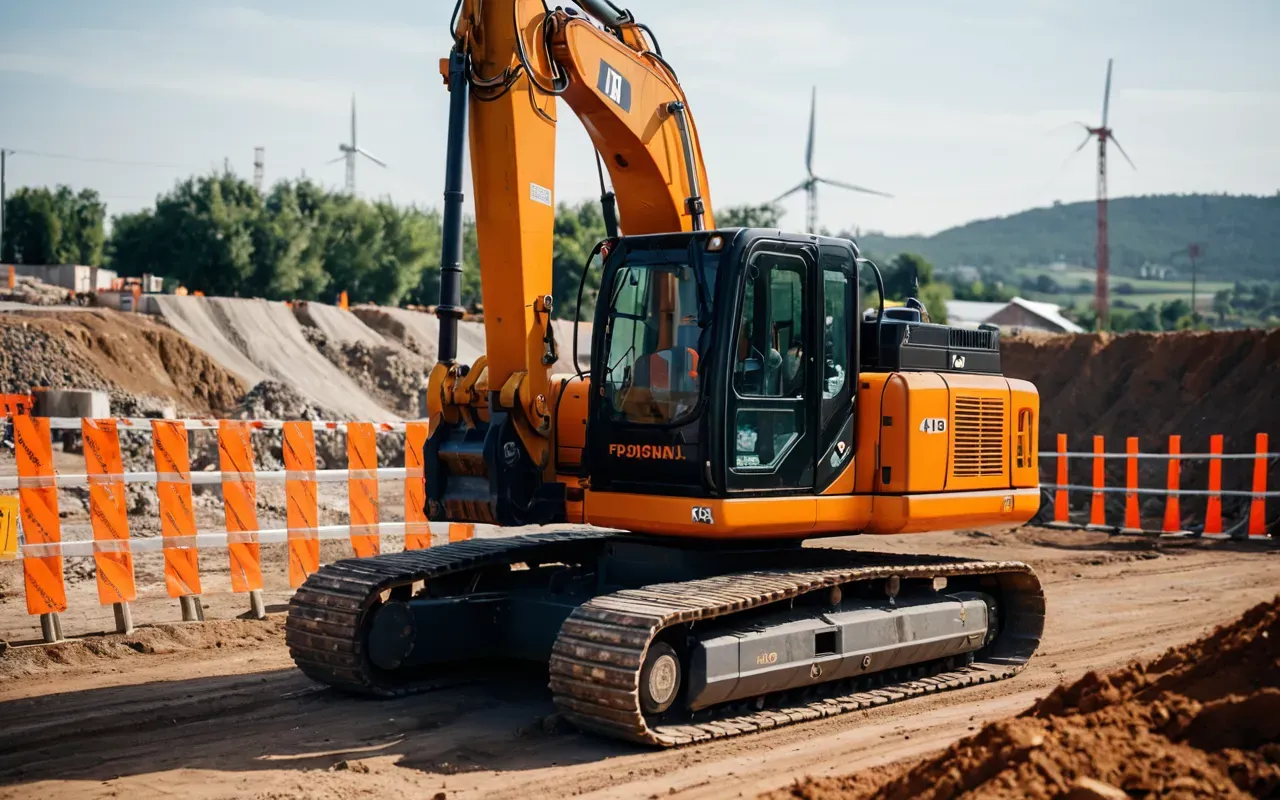
You're paying a premium for diesel. And it's not just the fuel bill eating your margins. The real killer? The interest rate on that mobilization advance.
For years, highway developers have carried heavy debt loads to buy standard machinery. Now the government has flipped that script. Switch to electric or hydrogen power, and your interest bill drops by half.
I've seen operators ignore the financial side of equipment choice. They focus on raw power and buy diesel because it feels familiar. But now that familiarity comes with a steep penalty.
The new Model Concession Agreement makes this explicit. You get up to ten percent of the total project cost as an advance. Usually, that money carries a heavy interest tag.
Why The Government Is Pushing This Change Now
It's not just about saving money. The Ministry of Road Transport and Highways wants to force a technological shift. They want the entire supply chain to move toward cleaner fuels.
This rule came six years after the initial revision in late twenty twenty. Feels slow on paper, sure. But the impact is immediate for new projects.
The incentive targets a specific window. You must buy and register the new machine within ninety days of being appointed to the project.
No grace period for late decisions. The clock starts the moment you sign the contract. Drag your feet on procurement, and you lose the benefit.
The Verification Process You Cannot Skip
Buying the machine is only half the battle. The government will verify your purchase through their central vehicle registration system.
If the records don't match, you lose the interest relief. This is a bureaucratic hurdle that catches many large firms off guard.
I recommend checking with your administrative team early. They need to know how to pull those records before the ninety-day window closes.
The Digital Telemetry Requirement Changes Everything
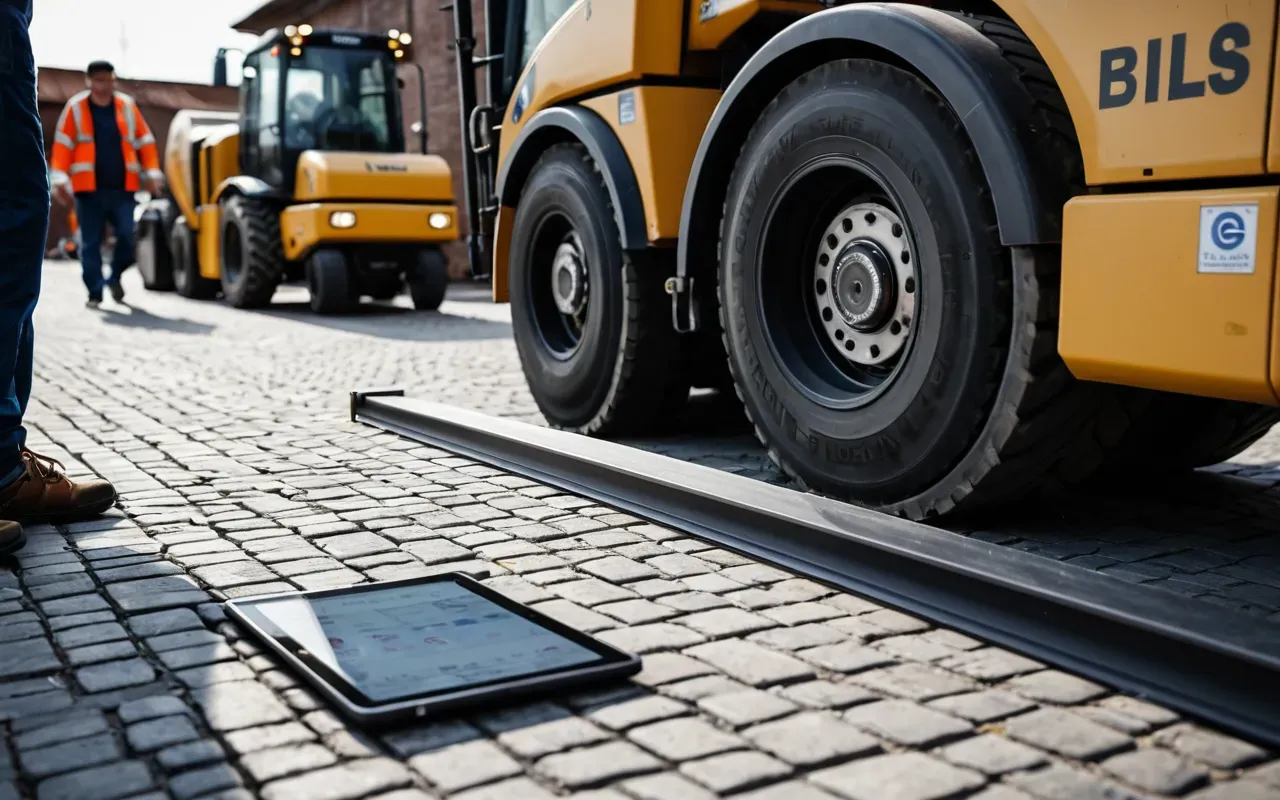
Here's where it gets really interesting. The new agreement mandates automated monitoring systems on paving and compacting equipment.
Your machines must record their location. They must track elevation and speed. Every pass across the asphalt is logged with vibration status.
Asphalt surface temperature is also captured. This creates an unbreakable digital trail of your work quality.
How This Impacts Concrete Production Efficiency
You might think this only applies to highway paving. But the logic extends directly to concrete batching plants.
When your paving crew works faster and with more precision, they need a consistent supply of high quality concrete. Any delay or inconsistency in the mix becomes critical.
If you're still using manual override systems for your batching plant, you're creating a bottleneck. The new equipment demands data driven precision.
I've seen plants lose contracts because they couldn't keep up with the pace of modern rollers. The machine on site is now faster than your mixing capacity.
The Maintenance Shift You Need To Plan For
Electric and hydrogen powered equipment has different failure modes. You're not just swapping a fuel tank for a battery pack.
Your technicians need new training. They must understand thermal management and software diagnostics.
This is a real cost. But it's offset by the lower interest rates and reduced fuel expenses over the asset life.
Who Wins And Who Loses In This Shift
The big national highway companies will win. They have the capital to buy electric fleets and the staff to handle the data compliance.
Smaller regional players are at risk. They often rely on older diesel models and manual processes to keep costs low.
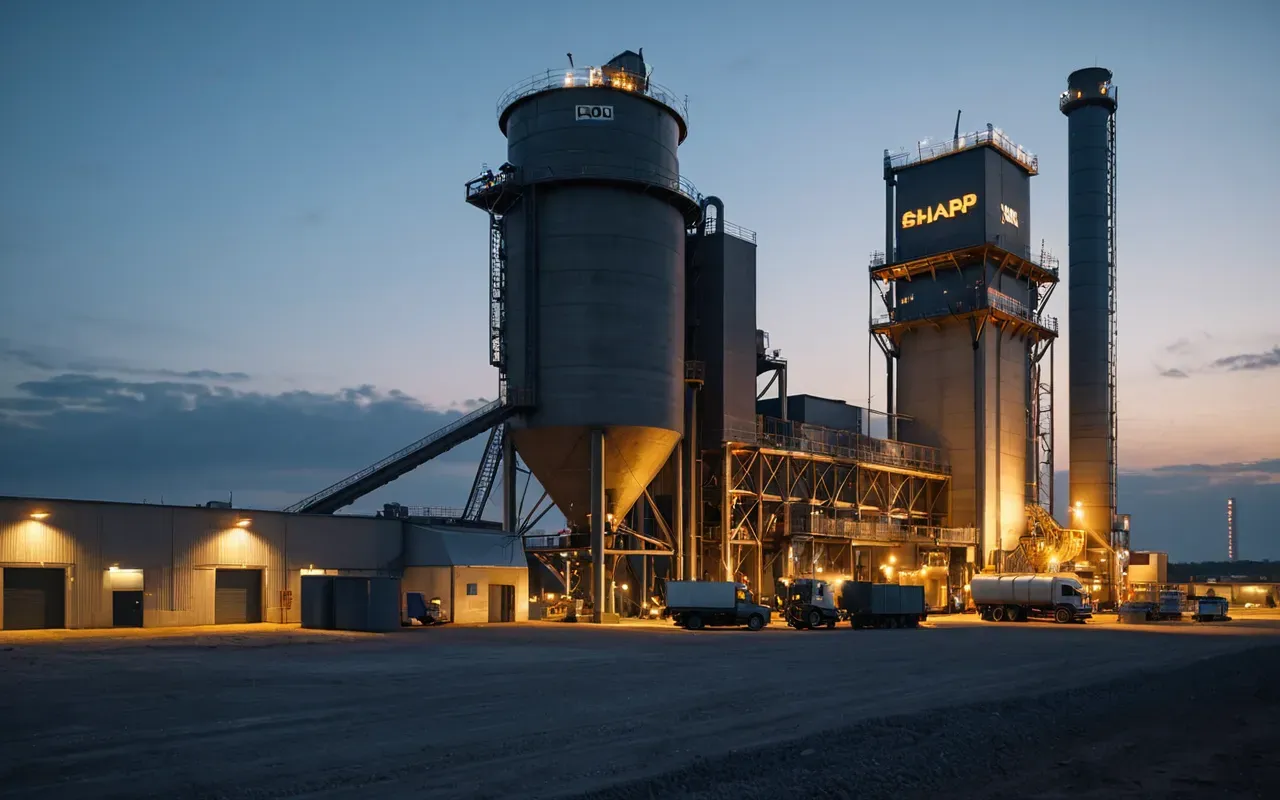
But there's a twist. If you own a modern concrete batching plant with automated controls, you become a premium supplier.
Your ability to deliver consistent mix quality becomes your biggest selling point. The paving companies need you to match their digital precision.
The Hidden Cost Of Ignoring This Trend
Ignore this shift, and your equipment becomes obsolete faster. You'll be stuck with high fuel costs and no interest relief.
You'll also face rejection from bid evaluations. The new rules favor digital readiness and clean energy adoption.
I've watched firms lose out on contracts not because their prices were higher, but because they couldn't prove data compliance.
What You Should Do In The Next Thirty Days
Audit your current fleet. Identify which machines qualify for the interest relief if you were to replace them.
Check your batching plant automation levels. If you're using manual controls for critical parameters, start planning an upgrade.
Look at your data storage. Do you have a system to log machine telemetry for every job site?
If not, you're flying blind. The new rules require transparency that manual logs simply cannot provide.
Connecting Your Batching Plant To The New Standards
The pressure on paving equipment will trickle down to your concrete supply. You need to be ready for this demand shift.
If you're still using manual overrides on your plant, check out how automation is taking over jobsites. It explains the trend in detail.
You also need to ensure your plant can handle high volume output without drift. A single sensor error can ruin a batch.
We've seen plants lose huge sums of money due to calibration issues. You can read about a plant that lost a quarter million dollars because they ignored this.
The Bigger Picture For Construction Efficiency
This policy is not just about saving interest. It's a signal that the industry values data over guesswork.
Your concrete batching plant is part of this ecosystem. If it can't provide consistent data and quality, you'll be left behind.
The machines on the road are becoming smarter. They demand better inputs from your plant.
This is a race to modernize. The window for easy diesel dominance is closing fast.
Final Thoughts On Staying Competitive
Don't wait for the next policy update. The incentives are here now.
If you want to see how other plants have optimized their output for these new standards, look at how environmental factors affect production. It gives a good perspective on efficiency.
The future is electric and digital. Your equipment needs to match that standard.
The companies that adapt now will capture the market. The rest will struggle with higher costs and lower quality.