Caterpillar Just Handed The Keys Of Your Jobsite To A Robot And I Bet You Are Still Using Manual Override
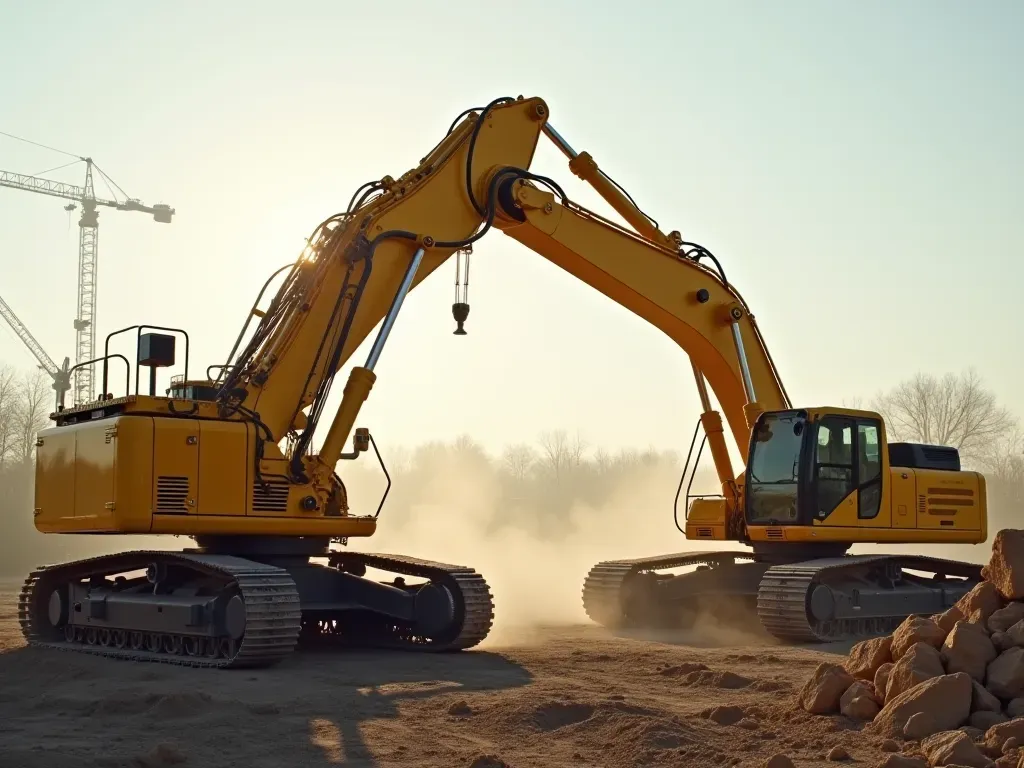
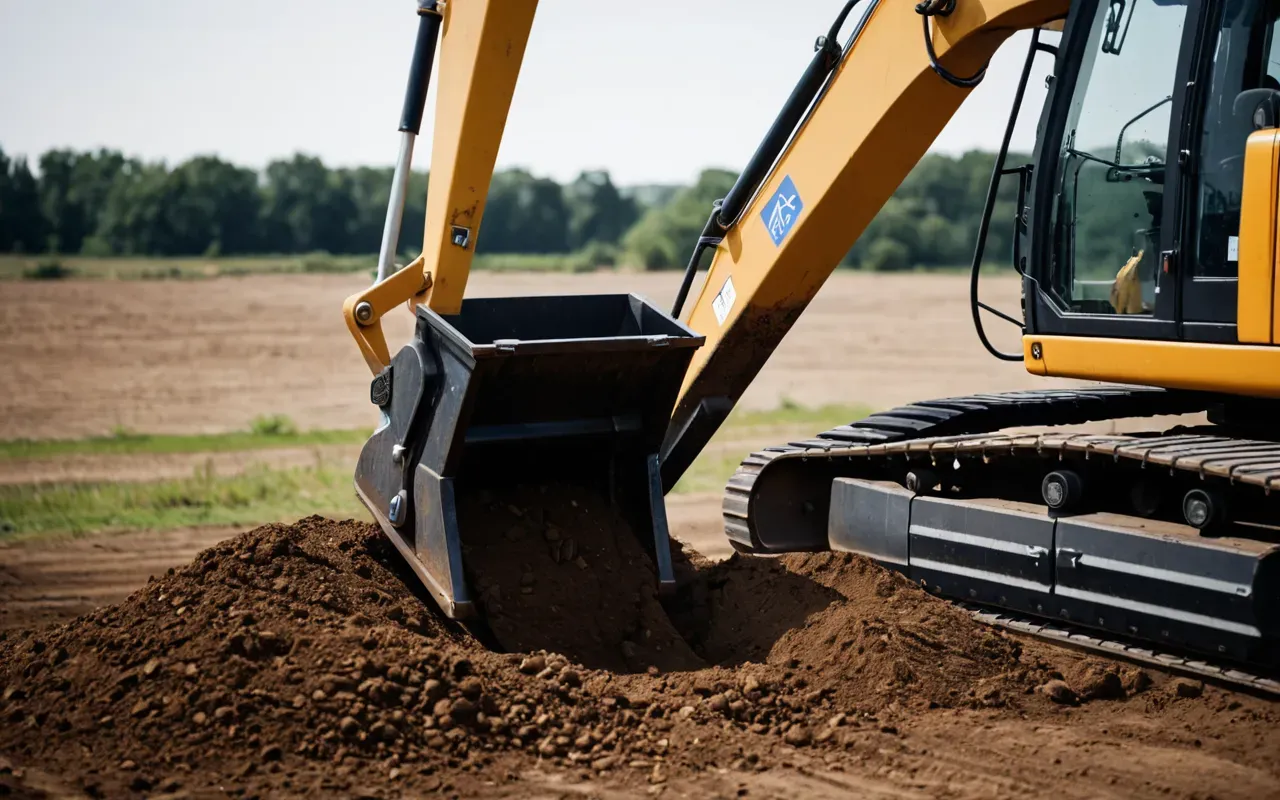
The quiet shift happening in the cab of a Cat 390F L hydraulic shovel
There's no person hunched over a joystick. What's actually running the show is an algorithm that learned every quirk of that particular machine from thousands of hours of real operating data.
Then on September 4, Caterpillar made it official: a formal partnership with FieldAI to roll out physical AI across its equipment lineup. The endgame here isn't just remote control. It's full autonomy for specific tasks.
Most folks still think of robotic construction as something out of a sci-fi movie. But the truth is, these systems are already out there conducting site inspections and managing safety perimeters with zero human input.
Right now, the focus lands on autonomous inspections and sharper situational awareness. The system can flag a potential hazard before a human operator would even register it.
Why this specific partnership changes the power dynamic for operators
I've spent years watching operators perfect the feel of a stick or lever through sheer repetition. Now that tactile knowledge is being digitized and pushed out to an entire fleet at once.
FieldAI's robot foundation models don't care about fatigue or foul weather. They chew through sensor data from every machine in the network to optimize each movement.
What that means in practice: a brand-new operator on day one can hit efficiency levels that used to take veterans years to reach. The barrier to entry drops sharply, and quality holds steady.
The data loop that makes the machine smarter than its driver
Every movement feeds back into FieldAI's platform. The system learns which motions save fuel and which ones grind down components unnecessarily.
If you're wondering how much manual oversight still creeps into similar setups, it helps to understand how many contractors remain unaware of AI equipment trends.
Here's the thing — the implication is profound. The machine stops being a tool you wield and becomes an agent working alongside you.
What nobody is telling you about the cost of this automation
Everyone loves to talk about productivity gains and safety improvements. Almost nobody mentions the sheer data infrastructure needed to make any of it work.
Autonomous machines log terabytes of operational data every single day. Storing and crunching that requires robust cloud architecture — something plenty of smaller firms simply don't have.
The safety net is digital not physical
When a human operator spots danger, they react on split-second instinct. The AI responds based on pre-programmed parameters and whatever the sensors feed it.
But if a sensor fails, or gets caked in mud, the system might miss a critical threat. That's a whole new category of failure, and it's far harder to diagnose than a worn-out part.
I've seen this play out with automated batching systems where small calibration drifts hide in the data and cause expensive headaches later.
So no, the danger isn't that the robot turns on you. The real risk is an AI making a very confident decision based on incomplete information.
Who wins and who loses in this new era of heavy equipment
Big contractors with deep pockets come out ahead. They can absorb the integration costs and hire the staff to manage these complex systems.
Small independent operators lose ground if they can't access the tech or compete on price against automated fleets.
This isn't merely about swapping out drivers. It's about redefining who actually controls the pace and safety of construction projects.
The concrete batching connection most people miss entirely
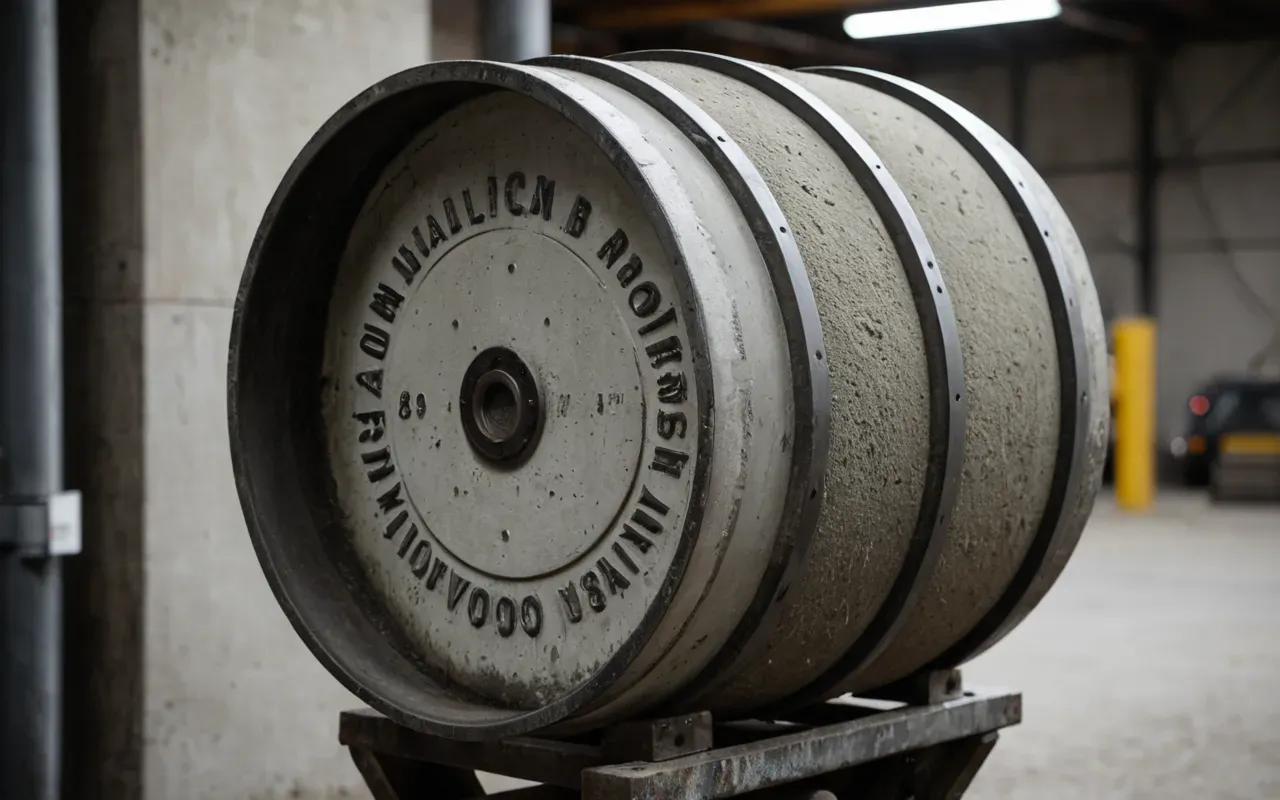
And while excavators grab the headlines, the same AI logic is creeping into concrete production. Batching plants are adopting predictive maintenance and automated feed control.
How digital twins transform material handling efficiency
A digital twin builds a virtual replica of your physical plant. You can simulate changes in feed rates and mix ratios before ever touching real hardware.
That cuts waste and tightens consistency of the final concrete product. It's the same core principle FieldAI applies to robots — just pointed at a different target.
If you're managing production output, it's worth understanding how equipment cost trends impact overall margins in this sector.
The connection is subtle but real. Both systems convert raw operational data into actionable intelligence that stops costly mistakes before they happen.
Why manual override will remain a human safety valve for now
Regulators and insurers still demand that a human can take over instantly. That hybrid model keeps accountability firmly on people.
But the line between assistance and autonomy is blurring faster than industry standards can track. We're squarely in a transitional phase right now.
What this means for your next project budget in 2026
Expect bigger upfront costs for tech integration, balanced by lower long-term labor and maintenance expenses. The break-even point keeps inching closer.
The skills you need to hire now are not just mechanical
You'll need people who understand data analytics as well as they understand heavy machinery. That hybrid skill set is rare — and commanding serious pay in today's market.
Operators are morphing into system managers. They watch dashboards now, not physical gauges bolted to a wall.
A realistic timeline for full fleet autonomy adoption
Widespread full autonomy is probably five to seven years out. But partial automation — autonomous inspections, safety monitoring — is already live today.
Companies that wait for the technology to be perfect will miss the efficiency gains sitting right in front of them. The window for early adopters to carve out a competitive edge is open now.
The final verdict on this quiet revolution in construction technology
Caterpillar and FieldAI aren't just selling machines. They're selling a new operating model that puts data above instinct.
Why this matters more than the latest engine specs ever did
Engine power is static. AI capability grows with every update and every hour of operating data gathered from your specific site.
The bottom line for anyone in the concrete or heavy equipment industry
Ignore this at your own risk. The gap between manual and automated operations is widening every day — and it will separate market leaders from the rest over the next decade.
The future of construction isn't just about erecting stronger structures. It's about managing smarter systems that build them with precision and safety.