Idling Your Diesel Engine In Winter Is Actually Destroying It
The $, Mistake Most Operators Make Every Winter Morning
You turn the key. The engine coughs twice, then roars to life. So you sit there for twenty minutes, watching the temperature gauge creep upward, feeling like a responsible operator. Then you drive off and get on with your day.
Here's the thing. That twenty-minute idle session is quietly wrecking your machine. It isn't warming anything up. It's cooking the injectors from the inside out and starving the oil of lubrication.
I've watched this play out on concrete batching plants and heavy loaders alike. The owner thinks they're being careful. They're not. They're speeding up a failure mode that'll cost thousands in repairs before the snow even melts.
Why Long Idling Is The Enemy Of Your Engine Health
When a diesel idles at low RPMs in the cold, it can't generate enough heat to reach optimal operating temperature. The fuel burns incompletely.
That incomplete combustion leaves carbon buildup on injectors and turbos. Unburned fuel dilutes the engine oil. And that washes away the lubrication layer on cylinder walls.
You're paying for fuel you don't need. You're adding hours to the machine counter that will hurt resale value. And you're wearing out components far faster than necessary.
The Correct Warm Up Procedure That Actually Works
Garland Morrison from Volvo Construction Equipment says the right approach is simple. Idle just long enough for oil pressure to stabilize.
That usually means three to five minutes. Then start working the machine under light load. Gentle operation builds heat in the engine and hydraulics far faster than idling ever will.
This is counterintuitive. We're trained to be patient with cold engines. But the machine needs movement more than it needs stillness.
Water Is The Silent Killer Of Your Concrete Plant Equipment
Cold weather attacks batteries and fluids. But water is the real threat. It freezes fuel systems. It corrodes electrical connections.
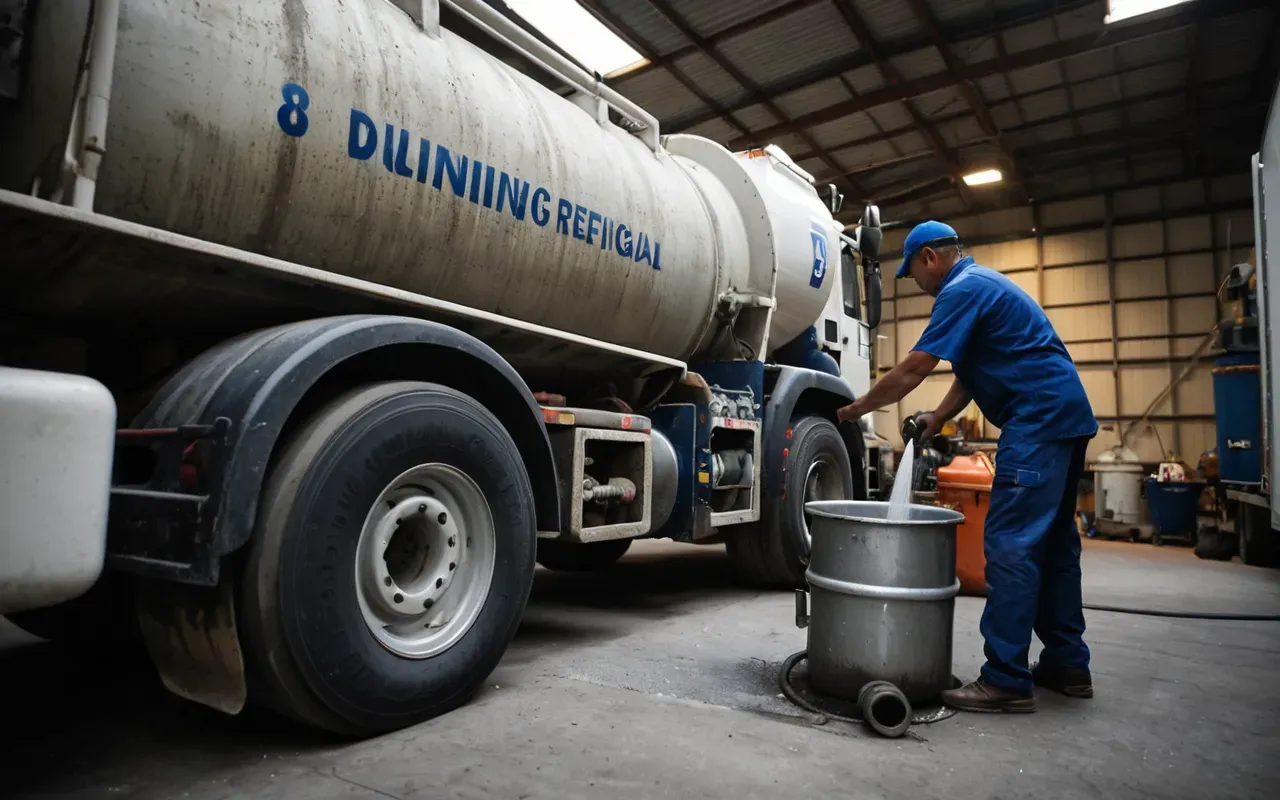
Joseph Huling from Takeuchi-US warns that water in the fuel system can freeze or gel. This causes engines to stall or starve for fuel.
In a concrete batching plant, this is even more critical. Moisture in the mix delivery system or hydraulic lines can cause catastrophic failures during production runs.
The Undercarriage Problem Nobody Talks About Until It Is Too Late
Tracked equipment collects mud and snow around tracks and rollers. Leave that mess overnight and freezing temperatures will cement everything together.
If an operator tries to force the machine to move with frozen tracks the next morning, that frozen mud can easily damage the tracks and pins.
My rule of thumb is to clean out track frames at the end of every shift while the material is still soft. Park on timber mats rather than standing water.
Battery Performance Drops By Half In Extreme Cold Conditions
Cold weather and batteries are old enemies. A machine battery can be up to fifty percent weaker in an extremely cold environment.
Fleet managers should use a battery tester to check voltage and verify overall condition before cold weather sets in. Keep terminals clean.
For battery powered equipment like mobile elevated work platforms, keeping batteries fully charged is especially important. Charge overnight in a warmer environment.
Why Your Telematics System Is Saving You Money This Winter
Fleet telematics systems make the biggest difference in winter uptime. They catch subtle fault codes and machine health alerts proactively.
This gives technicians a chance to fix potential cold weather issues before they turn into costly downtime. It's like having an extra set of eyes on your fleet.

Protecting Your Investment During Seasonal Hibernation
Some machines will work all winter. Others are headed for seasonal retirement. Indoor storage is preferred for their wintry dormancy.
If indoor space isn't available, park the machine on wooden planks and cover it with a tarp. Avoid direct sunlight which creates temperature fluctuations.
Drain water from the fuel tank. Fill with fresh fuel. Lubricate all grease points. Disconnect the battery negative terminal if temperatures will drop below freezing.
The Cold Weather Packages That Actually Matter For Your Fleet
Some of the best winter tech is just applied heat. Heated seats. Block heaters. Battery warmers.
JLG offers optional cold weather packages for certain equipment. These kits can include battery and hydraulic tank heaters.
These help control the temperature of key operating components in more severe conditions. They address hard starts and slow hydraulic performance.
If you're looking at new equipment for cold markets, investigate these options early. They can make a significant difference in operational efficiency.
For those who manage concrete production facilities, understanding how equipment behaves in cold conditions is vital. You might be interested in learning about five batching plants for sale that actually pay off in under two years because efficiency matters even more when weather complicates operations.
Avoiding The DPF Clog That Will Stop Your Production Line
Allowing a diesel particulate filter equipped machine to idle for extended periods increases the soot load. The system will not generate enough heat at low RPMs.
Once the machine has reached operating temperature, operation at high idle will allow the exhaust aftertreatment system to work as designed.
This helps prevent DPF clogging and frequent regeneration requests due to high soot load. It's a simple fix that saves big money.
What This Means For Your Concrete Production Schedule
Concrete production does not stop when the temperature drops. In fact, winter is often a peak season for certain projects.
But if your equipment isn't maintained properly, you'll face delays. You'll face repairs. You'll lose money.
The key is preparation. Start in mid to late autumn. Check your fluids. Test your batteries. Clean your undercarriage.
If you want to understand the financial impact of poor equipment choices, take a look at the $40,000 gap between cheap and smart concrete batching plants. The difference is often in the reliability and maintenance features.
The Role Of Modern Technology In Cold Weather Operations
Modern concrete plants are equipped with advanced sensors and control systems. These can help optimize production even in cold conditions.
But technology cannot compensate for poor maintenance. A smart plant with dirty filters and low oil will still fail.
You need a balanced approach. Use the technology to monitor your equipment. But still perform basic maintenance tasks manually.
For a deeper dive into how technology is changing the industry, consider reading about half of US contractors who are still blind to the AI revolution reshaping equipment buys. The future is here and it's data driven.
Final Thoughts On Winterizing Your Heavy Equipment Fleet
Winter preparation is not optional. It's a requirement for any serious contractor.
Start early. Do it thoroughly. And stop idling your engines for twenty minutes every morning.
Your machines will thank you. Your wallet will definitely notice the difference by spring.