Data centers just stole the concrete industry
The Silent Winner Of The Construction Boom Is Not What You Think
Most people assume housing is the backbone of construction. It isn't anymore. The real engine driving shovels into dirt this summer is artificial intelligence. Data center spending jumped forty-six percent year over year, a number that dwarfs every other private sector segment.
This shift is so profound it has flipped infrastructure priorities on their head. U.S. spending on data centers now exceeds public transportation projects. That means digital capacity matters more to the market than moving people around cities.
For concrete producers, this is a gold rush. But for everyone else in the industry, it’s creating a vacuum that feels like an economic drought.
The K-Shaped Split That Is Breaking Small Contractors
The industry is no longer growing evenly. It is splitting into two distinct worlds. On one side are the giants building AI infrastructure and power grids. On the other are residential builders struggling with affordability.
Associated Builders and Contractors reported that overall backlog dropped to eight months in July. But look closer at the data. The twelve percent of contractors working on data centers hold an eleven-and-a-half-month backlog.
The remaining eighty-eight percent are stuck with seven-and-a-half months. For small firms in the thirty to fifty million dollar revenue bracket, this is their lowest level since March twenty-twenty.
This disparity means that while the sector reports job growth, the benefits are not reaching everyone. If you do not have a contract tied to digital infrastructure, your order book is shrinking.
Why The Backlog Drop Is A Red Flag For Stability
A falling backlog usually signals slowing demand. Here it signals a concentration of work in just one vertical. If data center permitting hits a snag or funding dries up, the entire sector loses its anchor.
Economists warn that this lack of momentum in other segments is masking deeper weakness. The boom is real but it is fragile because it relies on a single source of revenue.
Cement Demand Is Surging As AI Infrastructure Eats The Supply Chain
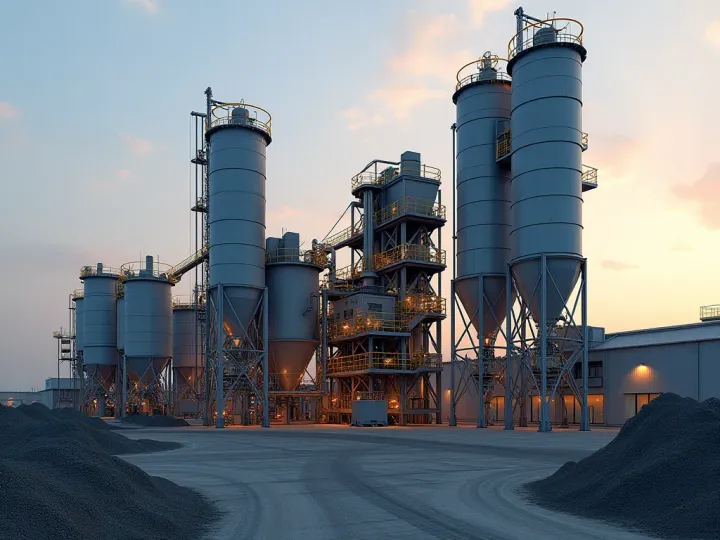
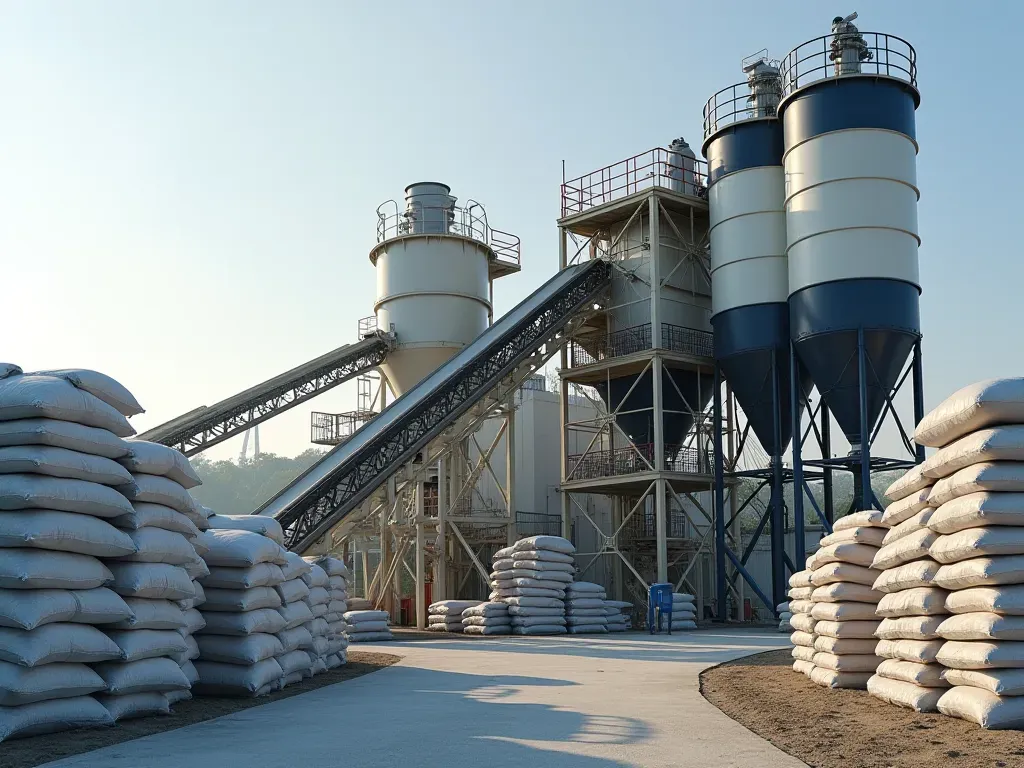
Data centers are concrete hungry. They require massive foundations and extensive electrical infrastructure. The American Cement Association expects these projects to consume up to seven hundred twenty-five thousand metric tons of cement annually through twenty-twenty-eight.
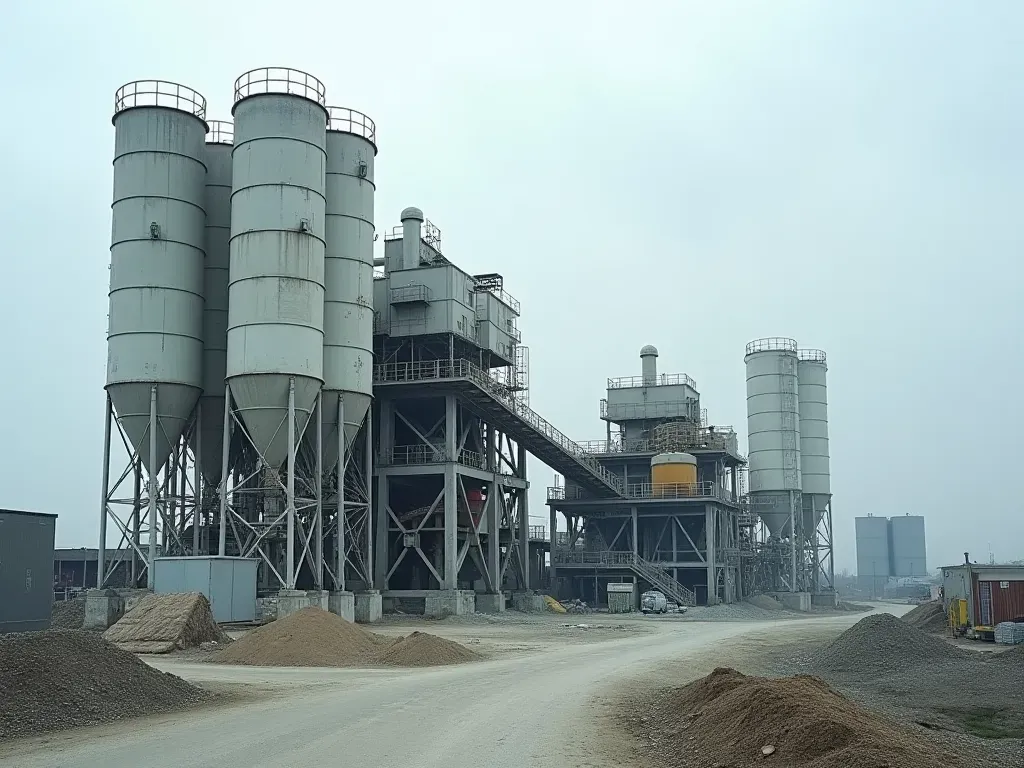
That is an enormous volume. It means batching plants are running at higher capacities to meet this specific industrial demand. The supply chain for aggregates and cement is tightening as a result.
If you are curious about how operational mistakes in batch plants can cost millions, this surge makes efficiency even more critical. Every hour of downtime now has a higher financial impact.
Highways Are Stable But The Future Depends On Washington
Traditional infrastructure is still alive. Highway and street construction remained three percent higher than a year ago in June. It provides a reliable stream of work for many firms.
But there is cloud on the horizon. The debate over the next federal transportation bill is creating uncertainty. Contractors are watching Congress closely because long-term funding certainty is vital for planning.
AGC executives urge lawmakers to renew the highway program before current laws expire. Without this stability, project planning slows down and costs rise for everyone involved.
The Risk Of Policy Gridlock In Public Works
If funding stalls, the highway sector could face a sharp drop in activity. This would leave many contractors without enough work to stay profitable as they lose their non-residential alternatives.
The proposed legislation aims to streamline permitting but critics say it lacks the historic funding boost of previous bills. This uncertainty makes long-term investment in heavy equipment risky.
Housing Is Stuck In Low Gear While Multifamily Takes Over
Single-family home builders are having a rough year. The median price of a new house was three hundred ninety-eight thousand dollars in June. Affordability is simply not there for most buyers.
Builder confidence has been below forty for fifteen consecutive months. That is the longest stretch of pessimism since twenty-twelve. It reflects a market where costs are high and demand is low.
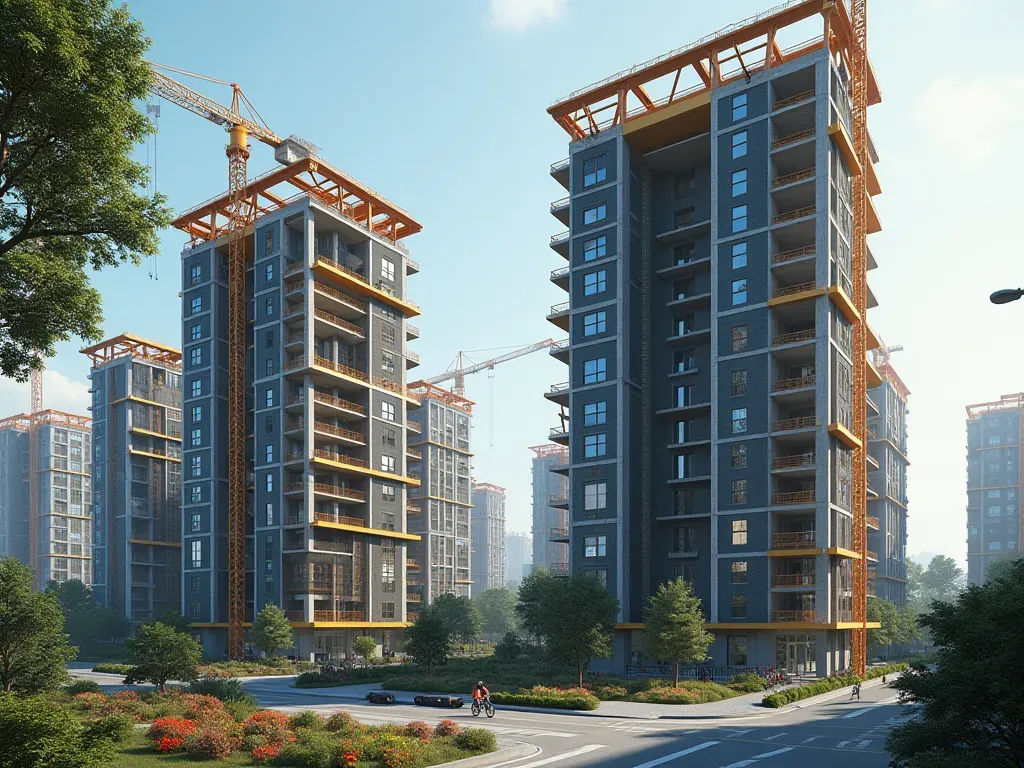
However, the multifamily sector is booming. Apartment building starts increased seventy-six percent to an annualized pace of five hundred thirty-two thousand units. People who cannot buy houses are renting instead.
This shift means that while single-family projects slow down, large-scale residential developments are still generating significant demand for concrete and labor.
Employment Is Growing But It Is A Narrow Path To Jobs
Despite the mixed market signals, contractors are still hiring. The industry added twenty-two thousand jobs in July alone. That is the most since March of this year.
But nearly all those gains came from non-residential firms. Residential builders actually shed forty-four thousand positions over the past year. The jobs are there but they are concentrated in specific sectors.
Wages remain strong with average hourly earnings reaching thirty-nine dollars and twenty-four cents. Firms are paying a premium to secure qualified workers in this competitive environment.
If you work in the data center space or public infrastructure, you are likely seeing wage growth and stable hours. If you work in residential single-family builds, your outlook is much dimmer.
What This Means For Concrete Equipment Owners And Operators
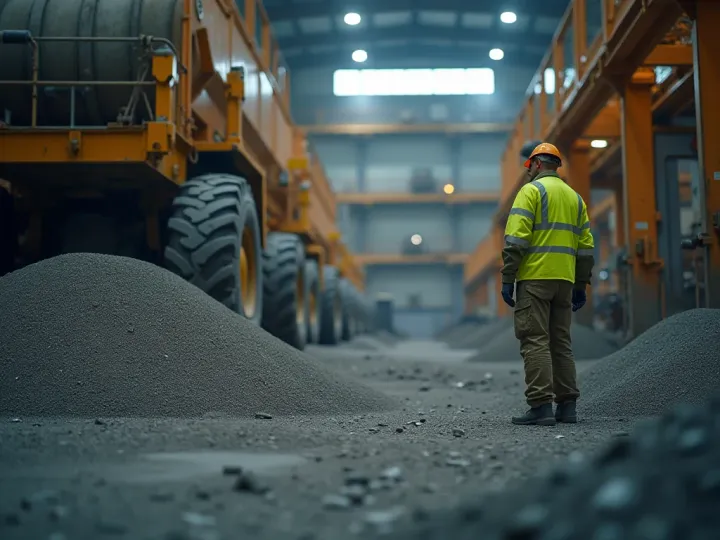
The surge in data center construction means heavy machinery is working harder than ever. Plants need to maintain high output without breaking down under the pressure of continuous demand.
Efficiency is key. If your batching process has inefficiencies or if you are suffering from hidden flaws in modern concrete technology, the cost of downtime will be severe.
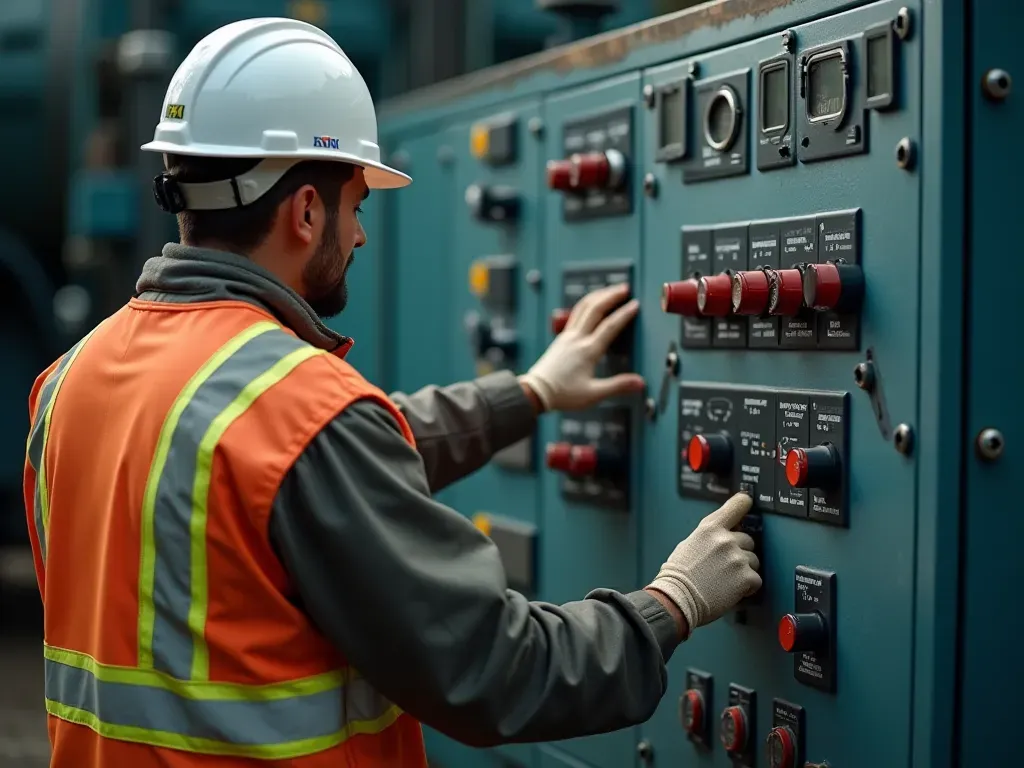
Owners should focus on predictive maintenance and monitoring systems. The industry is moving toward digital integration where sensors track performance in real time to prevent failures before they happen.
Understanding how concrete sensors can save millions in construction is no longer optional. It is a survival strategy for operators aiming to stay competitive.
The Technology Gap In Modern Batching Operations
Many plants still rely on manual adjustments and basic analog controls. This creates inconsistencies in mix quality that can lead to rework and waste.
Adopting automated feeding systems and AI-driven monitoring can reduce material usage by several percent. Over thousands of cubic meters a year those savings add up to significant profit.
The Bottom Line For The Next Twelve Months
Summer twenty-twenty-six is defined by a stark divide. The digital infrastructure boom is pulling resources and talent away from traditional building sectors.
For concrete producers this presents a double-edged sword. Demand is high but so are the operational risks if you cannot keep up with quality and speed requirements.
The winners will be those who adapt their equipment and processes to handle the volume of AI-driven projects. The losers are those relying on outdated methods in a market that demands precision.
Keep an eye on federal policy and housing affordability. Those two factors will determine if the current boom can sustain itself beyond just a few key sectors.