Your Concrete Pour Is Secretly Sending You Data And It Could Save Millions
The Silent Revolution Inside Your Slab
Look at your last concrete pour. Now look away. What do you actually know about what is happening inside that gray mass right now? Nothing. Absolutely nothing.
It is a blind spot the size of a building foundation. For decades, contractors have treated concrete like a black box. You mix it. You pour it. You wait.
But the era of guessing is ending. A quiet technology is embedding itself into our infrastructure. It works like a Fitbit for your foundation.
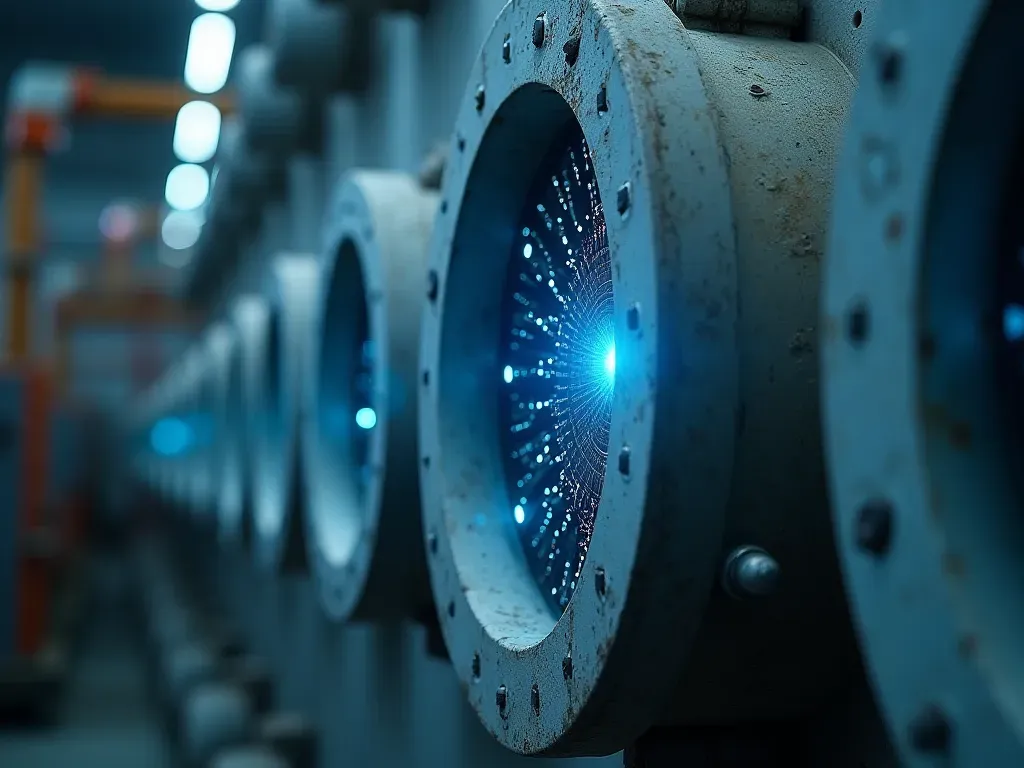
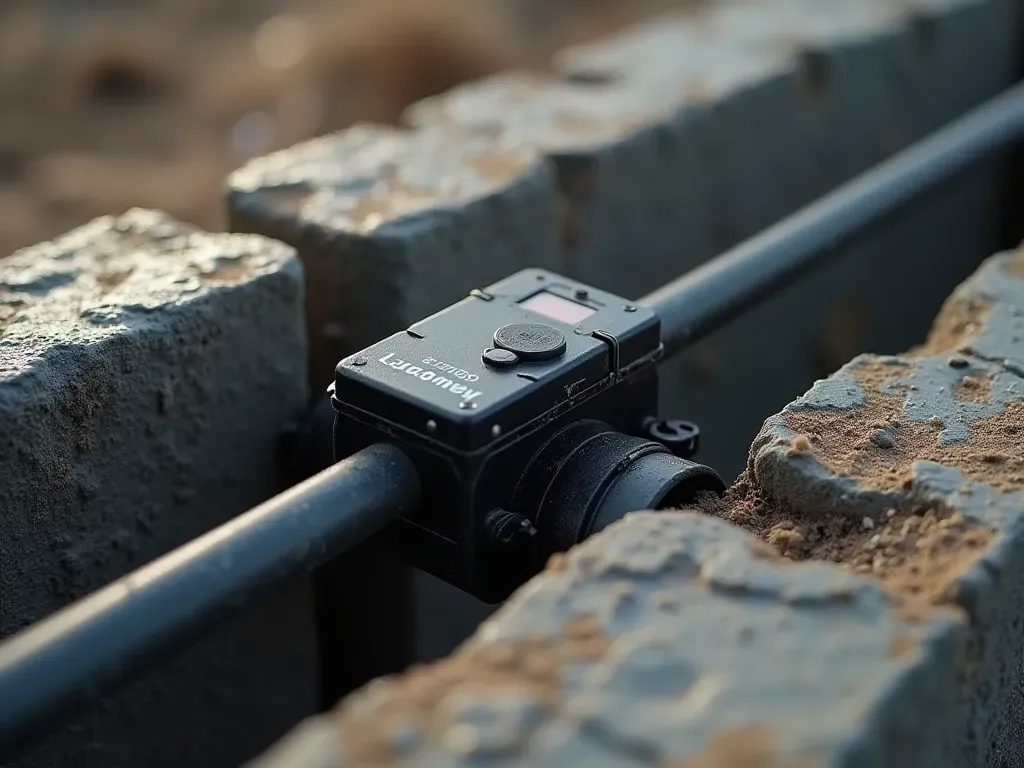
These are concrete sensors. Small devices anchored to rebar that track temperature and maturity in real time. They send data back to your phone.
This is not just a gadget for tech geeks. It changes the economics of construction entirely. I have seen how this data can shave weeks off a project schedule.
And that is the real story here. It is not about the sensor hardware. It is about the money saved by knowing exactly when to strike forms.
From Silicon to Slabs: A Hardware Evolution
Ten years ago this tech was a nightmare to build. You needed to be a silicon manufacturer just to create one sensor.
Brendan Dowdall at Hilti explains the shift. He co-founded a sensor startup in 2015 before acquiring by Hilti.
Hardware components are now standardized. You buy them off the shelf like LEGOs for engineers. The challenge shifted from manufacturing to implementation.
The big hurdle became durability. Concrete is hostile. It is alkaline. It crushes electronics with immense pressure during curing.
Companies like Giatec and AOMS Technologies solved this. They created ruggedized units that survive the pour.
Hilti uses a photosensor to activate devices. The moment you remove it from the dark packaging and bury it in concrete it wakes up.
It is a clever trick. No manual activation needed on chaotic job sites. The device simply starts logging data immediately.
The Wireless Leap Forward
Early sensors required wired connections. Cables running to a data logger on the surface.
Wireless changed everything again. Giatec introduced fully wireless Bluetooth sensors around six years ago.
AOMS Technologies takes it further with direct cloud connectivity. No repeaters needed. Their LumiNode Plus talks straight to the server.
This matters for remote sites. Think dams in northern Canada or wind turbines offshore. Getting data out is half the battle.
Hilti offers a hybrid approach. Bluetooth for nearby checks and gateway hubs for passive cloud data collection across large sites.
Accelerating Schedules By Twenty Percent
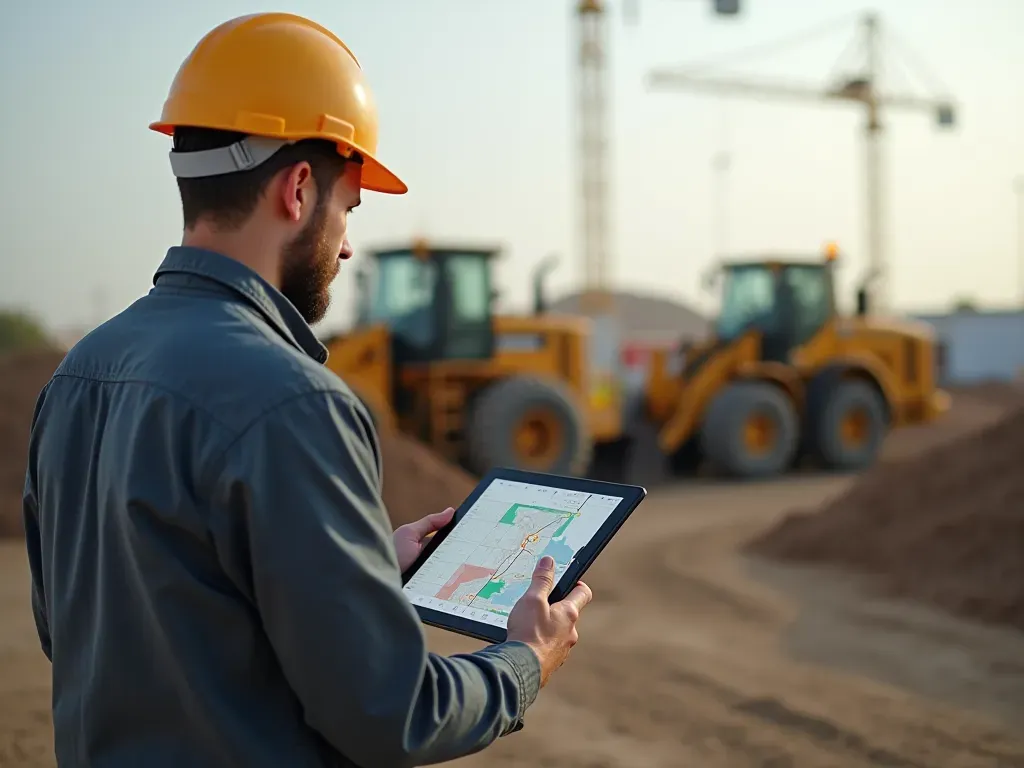
Here is the money shot. Data proves that sensor users advance their schedules by up to twenty percent.
That is not a marginal gain. On a million-dollar project that saves hundreds of thousands in labor and overhead.
Traditional methods rely on cylinder tests. You break concrete samples in a lab to check strength.
The problem is environmental variance. Lab cylinders cure differently than the actual slab in the field.
Sensors measure maturity directly inside the structure. They account for real-time temperature fluctuations that affect hydration rates.
Dowdall notes a critical validation point. Sensors often show higher strength than cylinder tests indicate.
Warmer slabs cure faster. Colder cylinders lag behind. The sensor reveals the truth of in-situ conditions.
Contractors can strike forms earlier safely. They know exactly when the concrete has achieved sufficient strength.
Thermal Control and Crack Prevention
Mass concrete pours generate heat. Excessive internal temperatures lead to thermal cracking.
AOMS Technologies highlights a dam project in Canada. Temperatures dipped below minus twenty-two degrees Fahrenheit.
The contractor built heated shelters around the slabs. Sensors monitored core versus surface temperatures continuously.
This allowed them to remove thermal shelters sooner once the concrete adhered to its required thermal curve.
Giatec applies this logic to wind turbine footings. Monitoring differential prevents catastrophic cracking in massive structures.
The Ballista Towers in Chicago used smart sensors for post-tensioning. They pinpointed the exact moment to pull cables.
Precision matters here. Pull too early and you risk structural failure. Wait too long and you delay the entire build.
Sensors turn guesswork into verified engineering decisions. This reduces risk significantly for high-rise developers.
The AI Brain Behind The Data
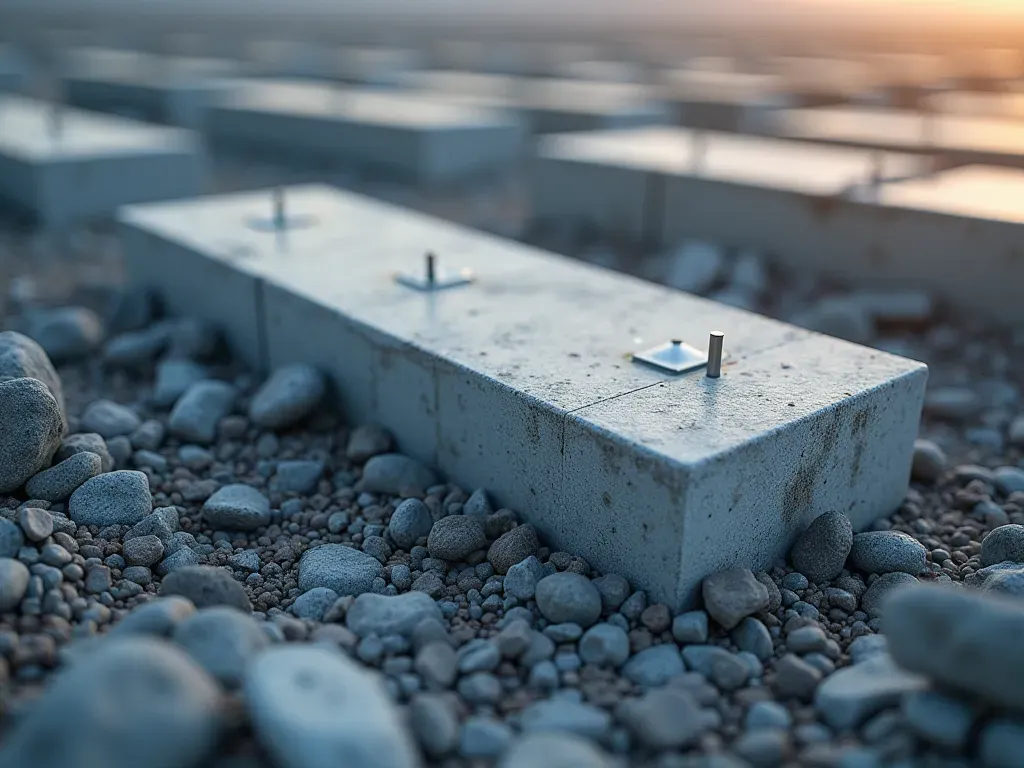
Raw data is useless without analysis. Manufacturers are embedding artificial intelligence into their apps.
Giatec launched Roxi an AI algorithm for concrete. It verifies calibrations and optimizes mix designs.
Alizadeh explains that Roxi suggests the most economical cement content while maintaining performance criteria.
This helps producers like U.S. Concrete skip trial and error phases in lab testing.
The AI runs continuously in the background of mobile apps. It flags anomalies if sensor readings diverge from expected maturity curves.
AOMS offers LumiMatchbox a simulation environment. It replicates field conditions in the lab for accurate cylinder testing.
This bridges the gap between theoretical strength and actual performance. Labs can simulate exact temperature profiles of specific pours.
Over time these systems build predictive models linking early curing stages to long-term structural integrity.
Sustainability And Carbon Reduction
Concrete production accounts for nearly eight percent of global carbon dioxide emissions. This is a massive footprint.
Optimizing mix designs reduces cement usage without sacrificing strength. AI algorithms identify the lowest carbon options.
Dowdall emphasizes sustainability as a core goal for Hilti. Efficient data use saves carbon by preventing over-engineering.
If you know exactly how strong the slab is you do not need excess safety margins in material volume.
This digital revolution aligns economic incentives with environmental goals. Saving money often means using less material.
The Future Is Sensor-Driven Construction
Alizadeh envisions a future with ambient sensors on materials equipment and workers. Real-time data optimization across the site.
Automation will likely predict strength in hours instead of days. Notifications will alert finishers when slabs are ready.
This is not science fiction anymore. Companies like Procore are already integrating instrumentation with project management software.
The question is no longer if this tech will become standard. The timeline for full adoption looks like five to ten years.
For contractors ignoring this shift the cost is hidden inefficiency. For adopters it means faster turns and lower risks.
The concrete industry is waking up to the power of data. The sensors are speaking and we finally have ears to listen.

Integrating With Modern Batching Plants
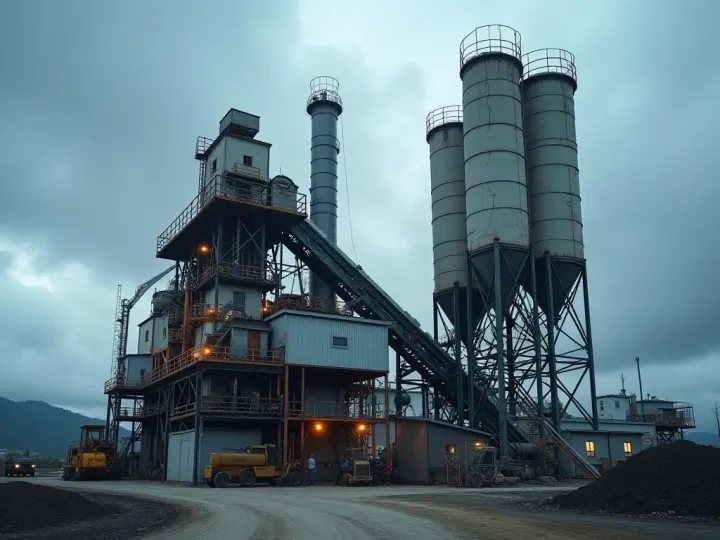
Sensor data does not exist in a vacuum. It feeds back into batching plant operations for continuous improvement.
If you want to optimize your production cycle understanding how Command Alkon AI Feed Is Silently Eliminating The Most Expensive Mistake In Concrete Batching is crucial.
Modern plants like the Mobile 60 S4 Concrete Batching Plant: Speed & Precision benefit from accurate maturity data.
Knowing exactly how mixes perform in the field allows for tighter tolerance setting during batching operations.
Why This Matters For Heavy Equipment Owners
Equipment utilization rates improve when schedules accelerate. Fewer days on site means less wear and tear.
The Why Overlooked Innovations in Heavy Equipment Are Revolutionizing Concrete Production Technology trend connects directly to sensor adoption.
Data-driven decisions reduce idle time for pumps trucks and finishing crews. Efficiency compounds across the entire jobsite.
The transition from analog to digital monitoring is inevitable. The early adopters are already reaping the financial rewards.
Final Thoughts On Smart Concrete Adoption
I have watched this technology evolve from a niche novelty to an industry standard.
The hardware is robust. The software is intelligent. The economic case is undeniable for large projects.
Even residential contractors should pay attention. As costs drop smaller scale adoption will follow naturally.
The concrete pour is no longer a static event. It is a dynamic process monitored in real time.
Embrace the data or get left in the dust. Honestly, for anyone serious about construction right now, there's no real choice to make.