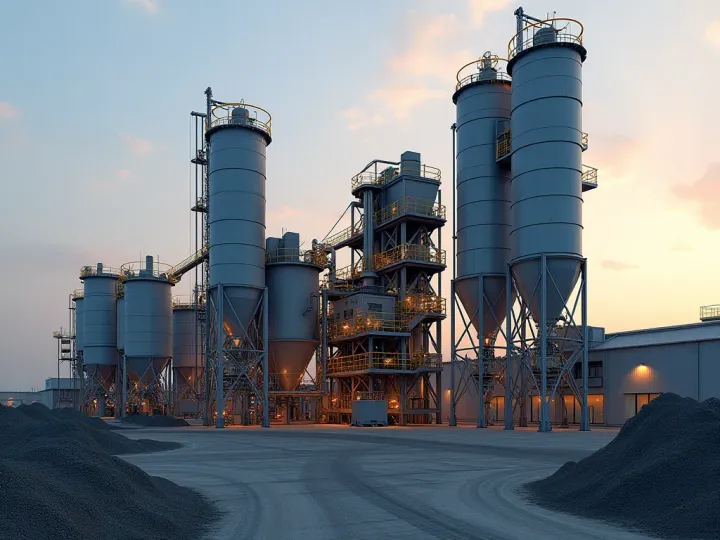
The 12 percent output loss hiding in your hopper feed
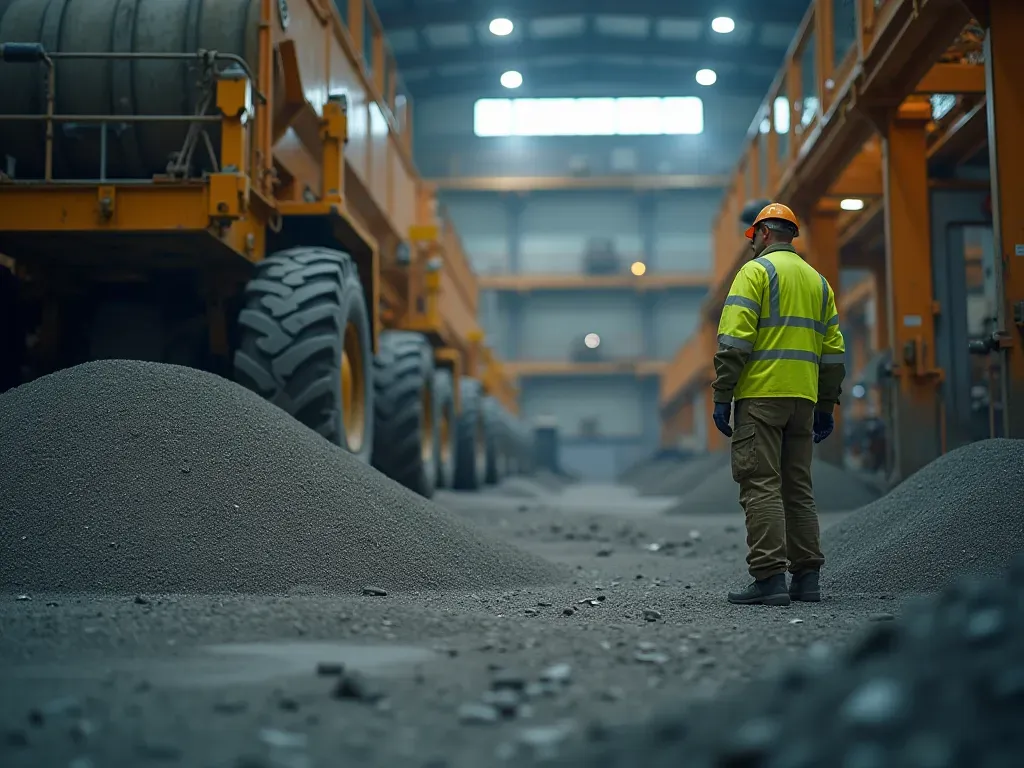
The gap between the screen and the scale
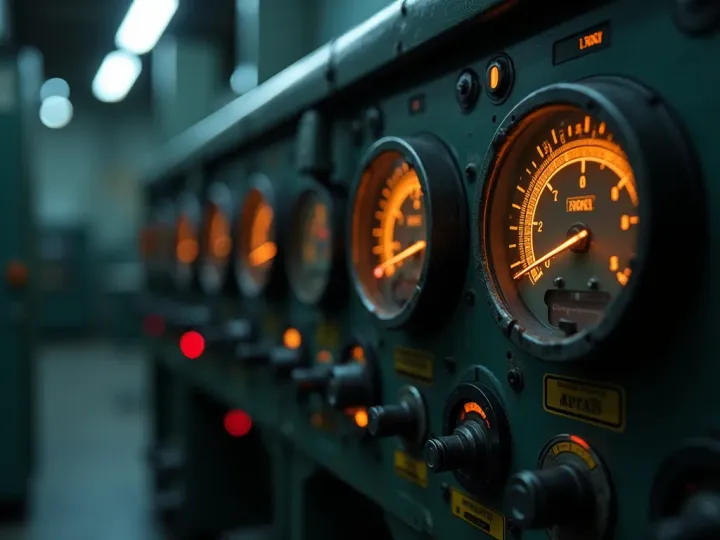
Honestly, I stopped trusting the control panel last year. We had a plant running on software that promised perfect precision, and the numbers looked flawless every single time. But the physical scale at the truck loading bay told a completely different story.
The screen showed we delivered exactly what the ticket requested. The truck scale said otherwise. There was a consistent shortfall of about twelve percent on aggregate feed.
This is the hidden cost most operators ignore. You think your automation handles everything. It does not handle material flow issues. It just logs them as success.
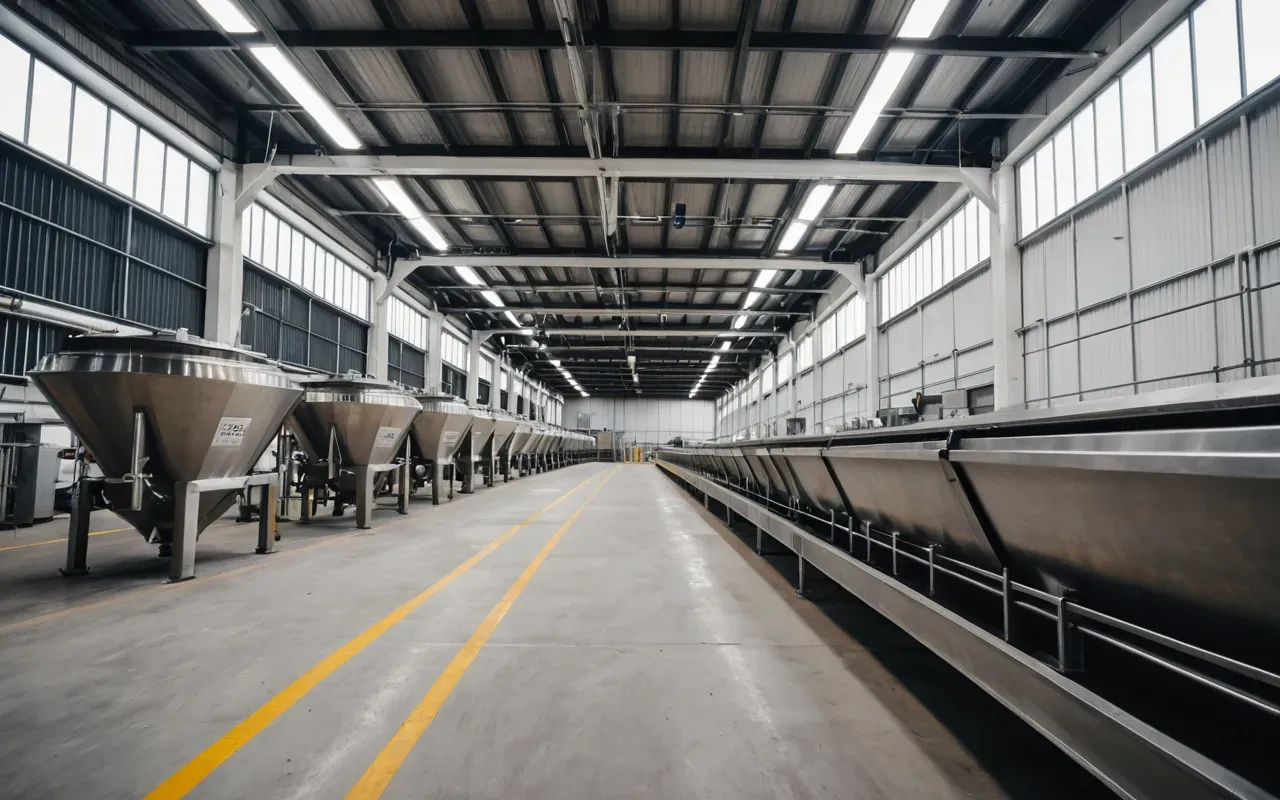
Why automation masks physical reality
Modern control systems are brilliant at math. They calculate the exact millisecond to open a gate based on historical data. But they cannot see if that material is bridging or flowing poorly.
If the flow rate drops by ten percent due to humidity in the aggregate, the software compensates. It opens the gate longer or faster. The screen says complete.
But you are paying for time and energy to move less material than expected. Or worse, the mix ratio shifts subtly. The concrete is slightly weaker.
I have seen this in three different plants across two continents. The problem is not the software code. It is the assumption that digital weight equals physical weight without verification.
The physics of material flow in hoppers
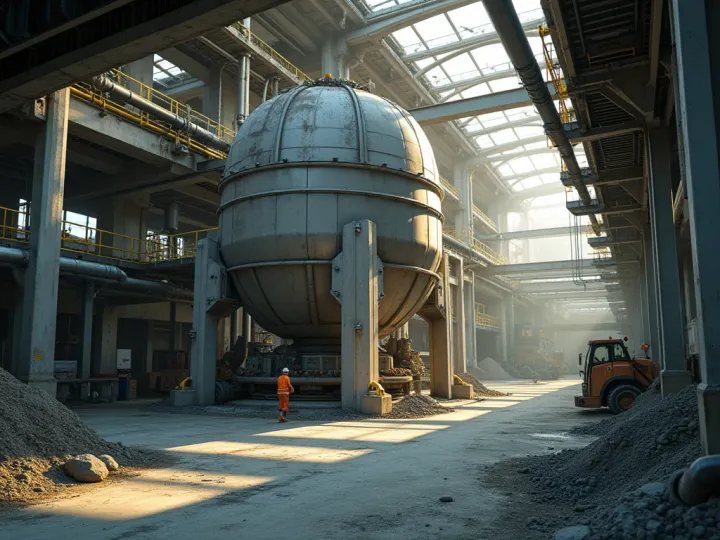
Aggregates do not behave like water. They have friction and cohesion. When they stick to the hopper walls during discharge, flow becomes erratic.
This is called ratholing. A column of material flows down the center while the rest hangs still above it. The sensor at the bottom thinks all weight has left.
The system closes the gate. But there is still material stuck in the upper sections of the vessel. You lose that volume for this batch.
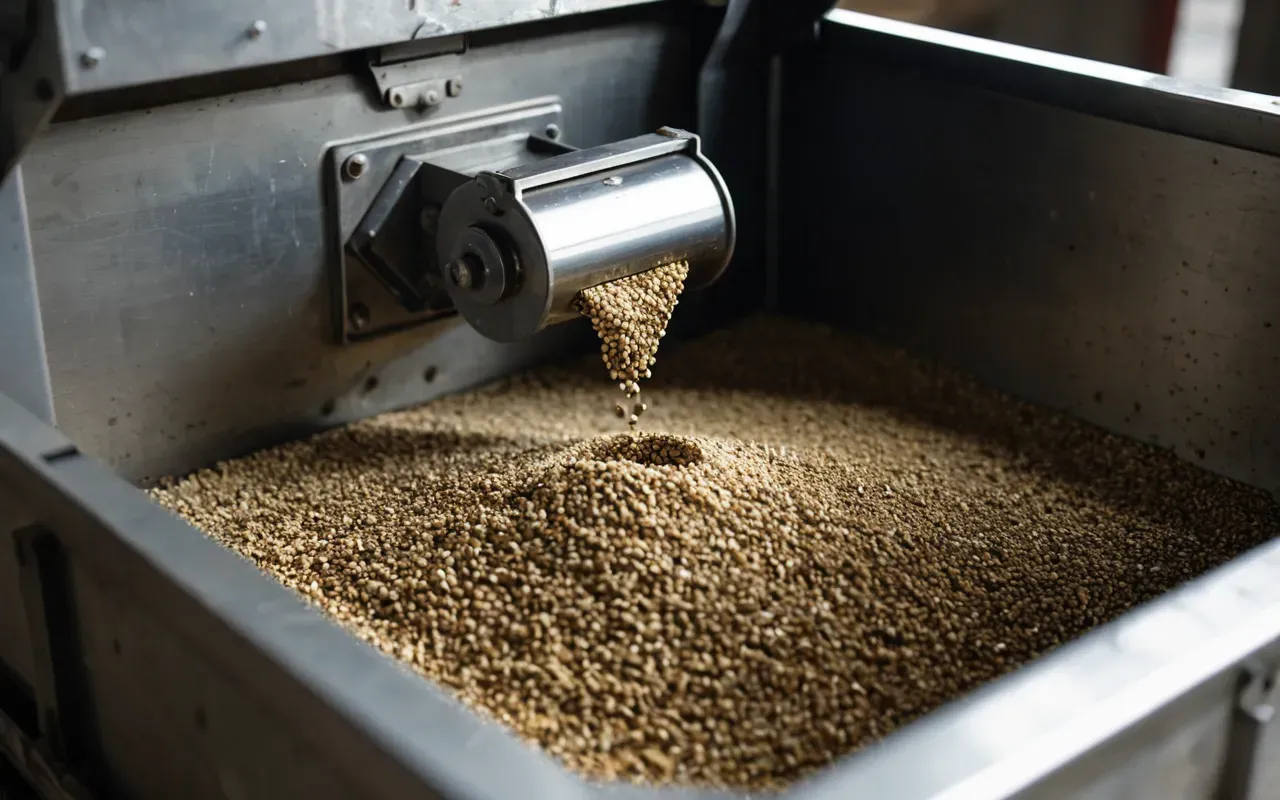
To fix this, you need to understand the angle of repose for your specific aggregate. If it is too steep, material will not flow smoothly.
The cost of ignoring flow dynamics
In one plant I audited, this issue caused a daily loss of four tons of aggregate. Over six months, that is seven hundred tons.
At a conservative price of forty dollars per ton, the loss was twenty eight thousand dollars. That is pure profit gone.
The operator did not know until we ran a physical scale test. We weighed the empty hopper and then filled it to capacity manually.
The difference between the theoretical max volume and actual discharge was significant. The software assumed a perfect cylinder of material.
How to verify your system accuracy today
You do not need expensive new sensors. You just need to question the current data. Start with a simple manual check.
Run a full batch cycle while someone watches the physical level in the hopper. Note when the material stops flowing.
Compare that visual stop point with the time logged in your control system. If they differ by more than two seconds, you have a flow issue.

Check the load cells next. Apply a known weight to each hopper and see what the system reports. A five percent error is common in older units.
Calibration as a daily routine not an annual task
I used to think calibration was something you did once a year. That mindset is dangerous for precision batching.
Temperature changes affect load cell sensitivity. Humidity affects aggregate weight. Your system drifts every single day.
A simple ten minute check at the start of each shift can catch these drifts. It takes less time than fixing a bad batch later.
If you are curious about how specific calibration errors impact financials, look at the batching plant mistake that costs money daily. It breaks down the math in detail.
The role of data logging in catching anomalies
Most plants store batch data but nobody looks at it. They just check for errors or failures.
You should be looking for variance. Plot the actual discharge time against the expected time over a week.
If you see a trend where discharge times are slowly increasing for the same volume, your flow is degrading.
This is an early warning sign. It means material is sticking more to the walls or bridging is occurring.

One client used this method and found a slow degradation in their sand hopper. It was caused by fine dust buildup on the walls.
They cleaned it during a scheduled shutdown. The flow rate returned to normal immediately.
Why most operators miss this pattern
Humans are bad at spotting slow trends. We notice sudden failures. We ignore gradual drift.
Software can alert you to this drift if configured correctly. Most default settings only warn on hard failures.
Change the alert threshold to flag any variation greater than three percent over a rolling average.
Practical steps to recover your lost volume
First, audit your hopper geometry. If the walls are too vertical, material will not flow freely.
Consider adding a pneumatic vibrator if the design is poor. This helps break up any bridging.
Second, verify your load cells monthly with a standard weight. Do not wait for the annual service.
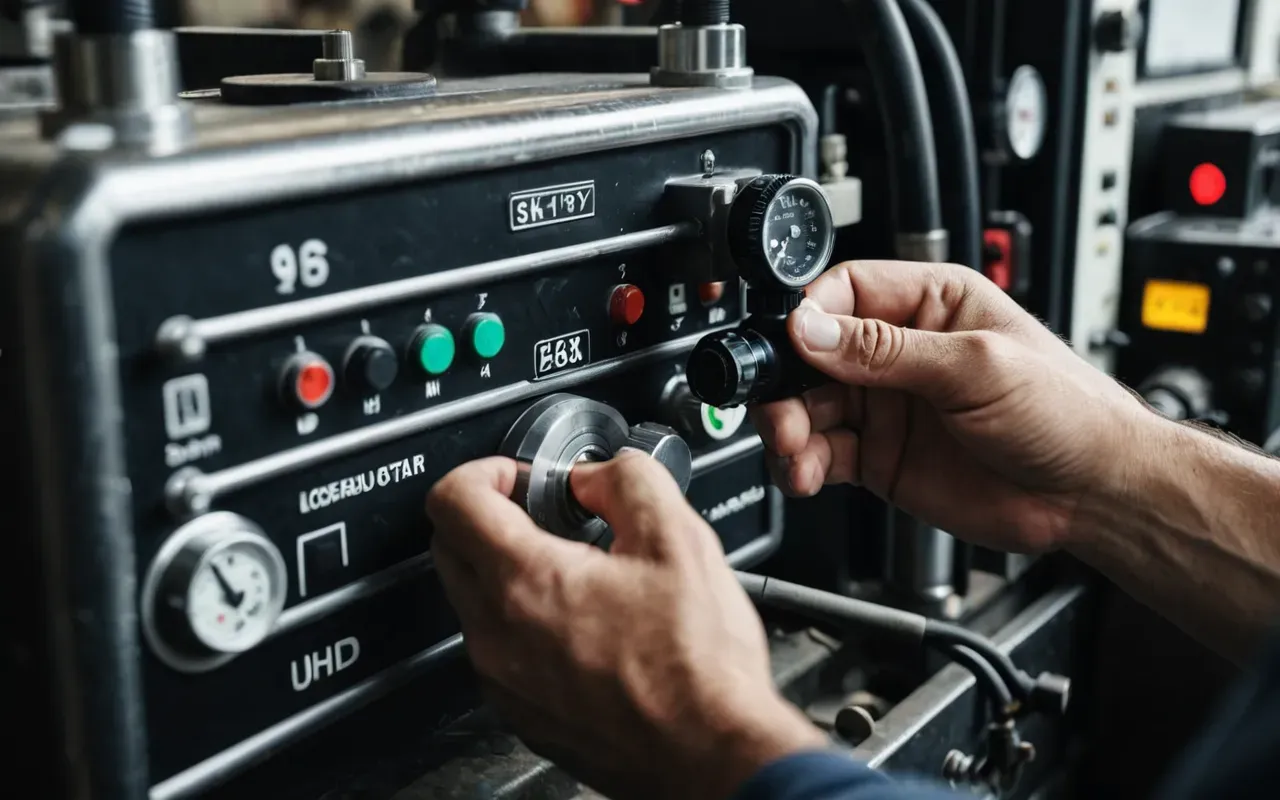
Third, monitor the discharge time per batch. Log it manually if your software does not provide a clear view.
The financial impact of these small fixes
Recovering even two percent of lost aggregate is significant. For a large plant producing hundreds of cubic meters daily, this is thousands per month.
It also improves mix consistency. You get the exact ratio designed by your engineer.
Better concrete means fewer callbacks and less waste on site. The savings compound in ways you do not always see.
If your plant is facing similar issues with flow or weight accuracy, check out how innovation in batching reshapes sustainable construction. It covers broader efficiency trends.
Conclusion on hidden losses in production
The biggest enemy of your profit margin is not the price of cement. It is the silent loss in your process.
Automated systems are powerful but they are blind to physical flow issues. You must be the eyes and ears of your plant.
Start with a manual check this week. You might be surprised by what you find in your own hopper feed.
Precision is not just about the software. It is about respecting the physics of the material you are moving.
Frequently Asked Questions
What is the most common cause of output loss in batching plants?
Material bridging and ratholing are primary causes. This happens when aggregate sticks to hopper walls instead of flowing smoothly through the gate.
How often should load cells be calibrated?
Ideally every shift for a quick check and monthly for a full calibration. Annual checks are insufficient because environmental factors cause drift.
Why does automation sometimes mask physical issues?
Software calculates based on historical data and assumes ideal flow. It cannot visually detect if material is stuck or flowing irregularly.
Can changing hopper design improve flow rate?
Yes. Steeper angles and smooth surfaces reduce friction. Pneumatic vibration can also help break up stuck material in existing designs.