7 Concrete Batching Plants Near You That Actually Deliver On Time
The Hidden Cost of Choosing the Wrong Mix Supplier
You are standing on a wet pour site. The clock is ticking. Your crew is waiting for the next load of material to arrive before the current batch sets. This moment defines your project's success or failure.
Most contractors make a critical error here. They simply look at the map and pick the closest dot. This approach ignores reality. Distance is not the same as capability.
I have seen projects fail because a plant was physically near but operationally far behind. Their trucks were stuck in traffic from other jobs. Their mixers had mechanical issues. The concrete arrived cold and stiff.
This is why the query for nearby facilities needs a deeper answer. It isn't just about location. It is about verifying that the specific plant can handle your volume and timeline without compromising quality.
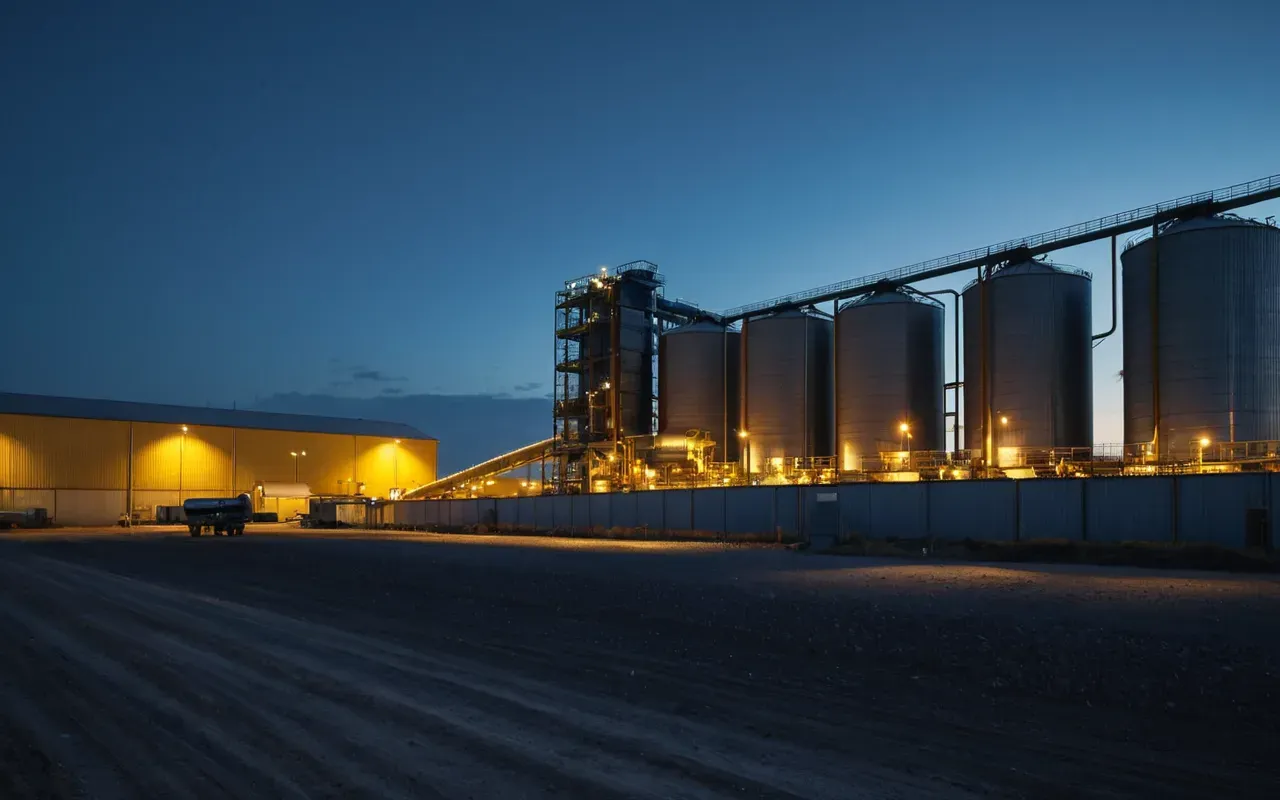
Why Proximity Alone Is a Dangerous Metric for Your Project
Here is the thing. A plant two miles away can be less reliable than one twenty miles away. Why? Because of operational load and routing efficiency.
If a nearby facility is serving three other large commercial sites in your area, you are at the back of the line. Their trucks will be delayed. Your pour window might close before they arrive.
I recall a situation where a client chose the nearest option to save on fuel costs. The plant was overwhelmed by a residential subdivision next door. Our team had to switch suppliers mid-pour.
That decision cost us four hours of labor. It also risked a cold joint in the foundation. The fuel savings were negligible compared to the potential structural rework.
So, how do you fix this? You stop looking at a map and start looking at data. Specifically, data on throughput capacity and fleet size relative to their current job load.
The Real Meaning of Operational Readiness
Operational readiness means more than having equipment in the yard. It requires a synchronized workflow from aggregate loading to mixer dispatch.
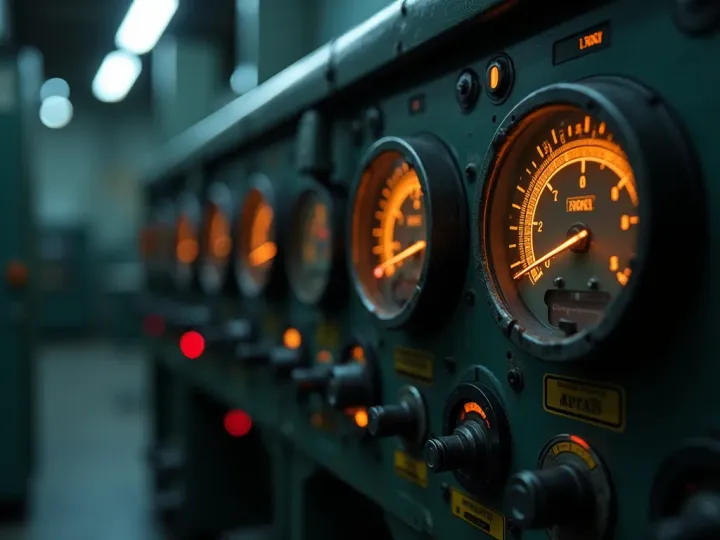
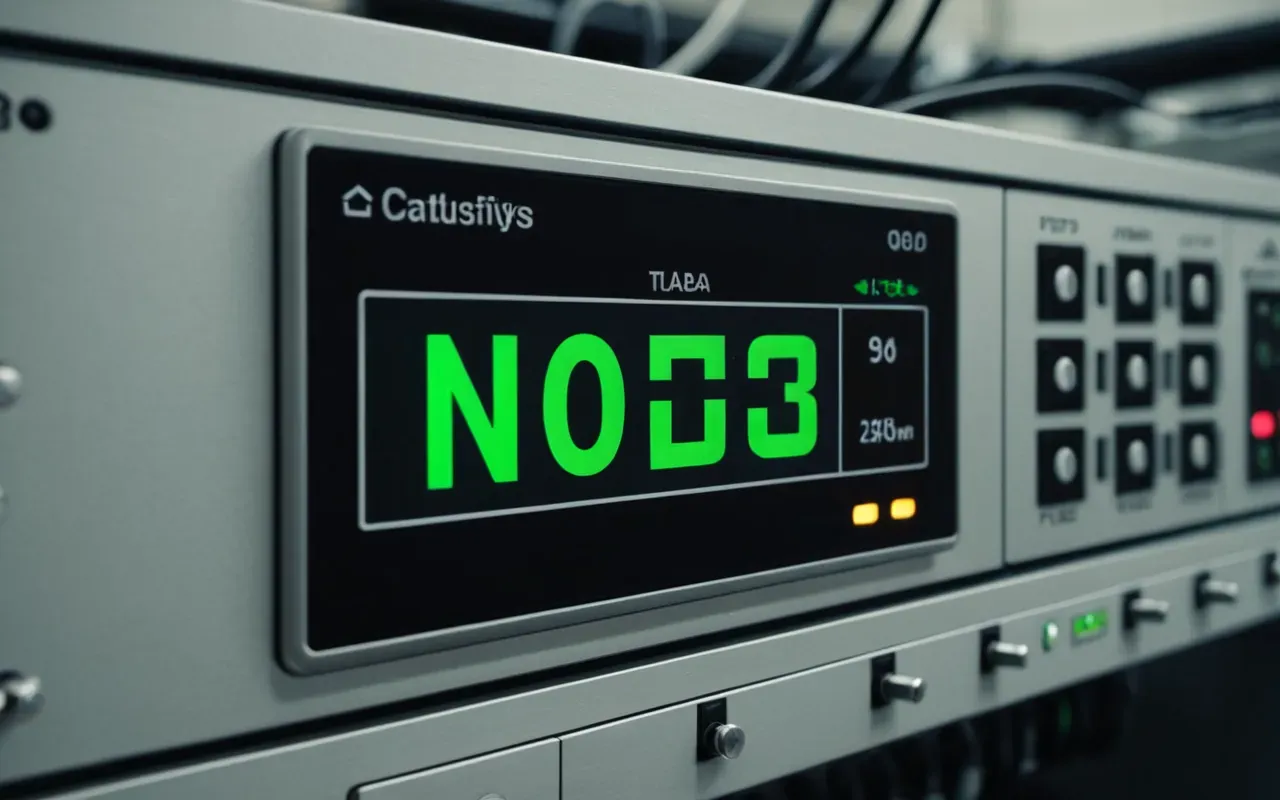
Look for facilities that use automated control systems. These systems reduce human error in measuring ingredients. Consistency is key to predictable setting times.
If a plant still relies on manual dialing for cement ratios, you are gambling. A single miscalculation can change the strength of your entire structure.
How to Vet a Local Facility Before You Sign the Contract
Do not take their word for it. Ask specific questions that reveal their operational limits and maintenance culture.
First, ask about their average response time during peak seasons. If they cannot give you a number, move on. Vague answers indicate poor planning.
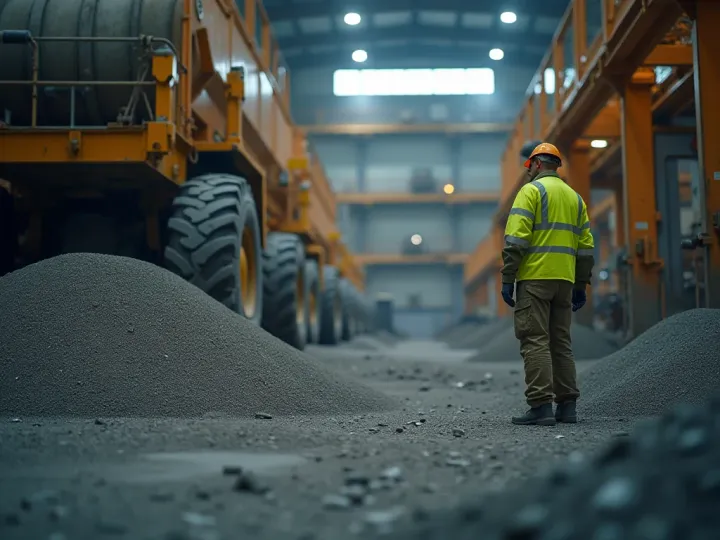
Second, request a tour of the aggregate storage area. Look for cleanliness and separation. Mixed materials lead to inconsistent mixes.
Third, check their maintenance logs for the mixers. A well-kept log shows a company that values equipment longevity and reliability.
Signs of a High Performance Operation
A top-tier facility looks different from the outside. You will see organized truck bays and clear signage for safety protocols.
The staff should be proactive. They will call you before a delay happens rather than after. This communication style saves projects.
They will also have backup plans for power failures. Uninterruptible power supplies ensure the control system doesn't crash during a storm.
The Role of Technology in Ensuring On Time Delivery
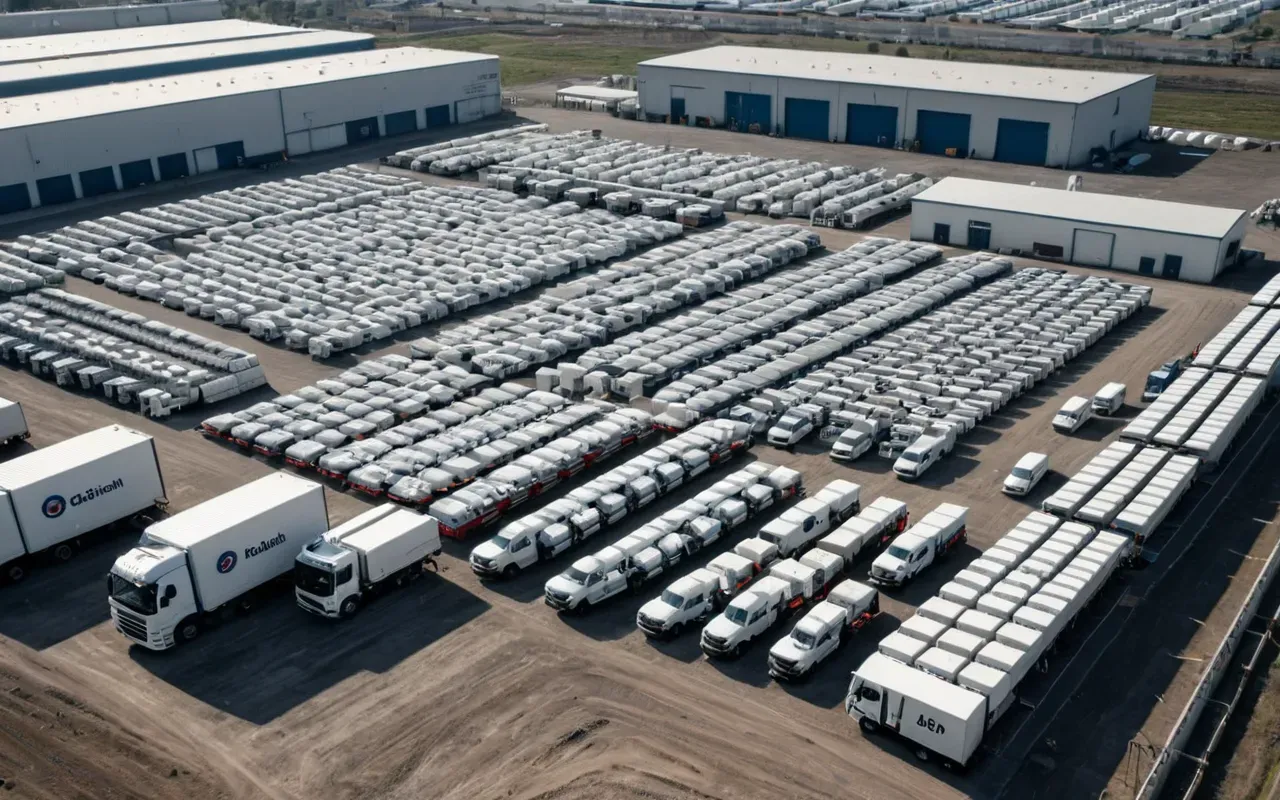
Modern plants use GPS tracking for every truck. This allows dispatchers to see exactly where each vehicle is in real time.
This data feeds into predictive algorithms. The system can warn you if a truck is running behind due to traffic or mechanical issues.
For you as the buyer, this means transparency. You can see your load status on a dashboard instead of guessing from phone calls.
Some advanced systems even optimize routes dynamically. They reroute trucks around accidents to ensure the fastest possible arrival.
How Data Reduces Your Project Risk
Data removes emotion from the decision. You stop relying on promises and start looking at verified performance metrics.
If a plant has a history of late deliveries in the data, you will know before you commit. This allows you to negotiate better terms or find alternatives.
It also helps in dispute resolution. If a delivery is late and causes damage, you have timestamped evidence to support your claim.

Maintenance Practices That Separate Reliable Suppliers From the Rest
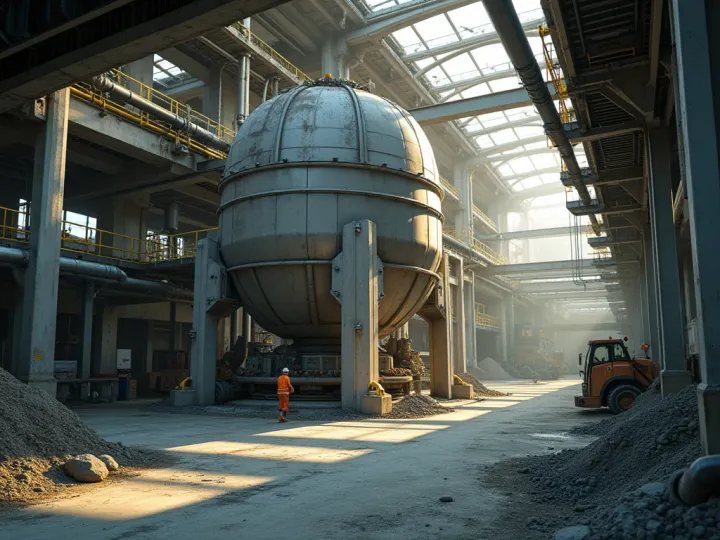
The heart of any plant is its mixing equipment. If these components are worn out, consistency suffers.
Reliable suppliers perform preventive maintenance on a strict schedule. They replace seals and bearings before they fail.
Negligent operators wait for breakdowns. This leads to sudden stoppages and missed deliveries.
What To Ask About Their Spare Parts Inventory
Ask if they keep critical spare parts on site. If a sensor fails, do they have one in the cabinet? Or must it be shipped from another state?
A plant with local stock can fix issues in hours. One without it might be down for days.
This simple question reveals their commitment to uptime. It is a direct measure of how much they value your business.
Making the Right Choice for Your Construction Timeline
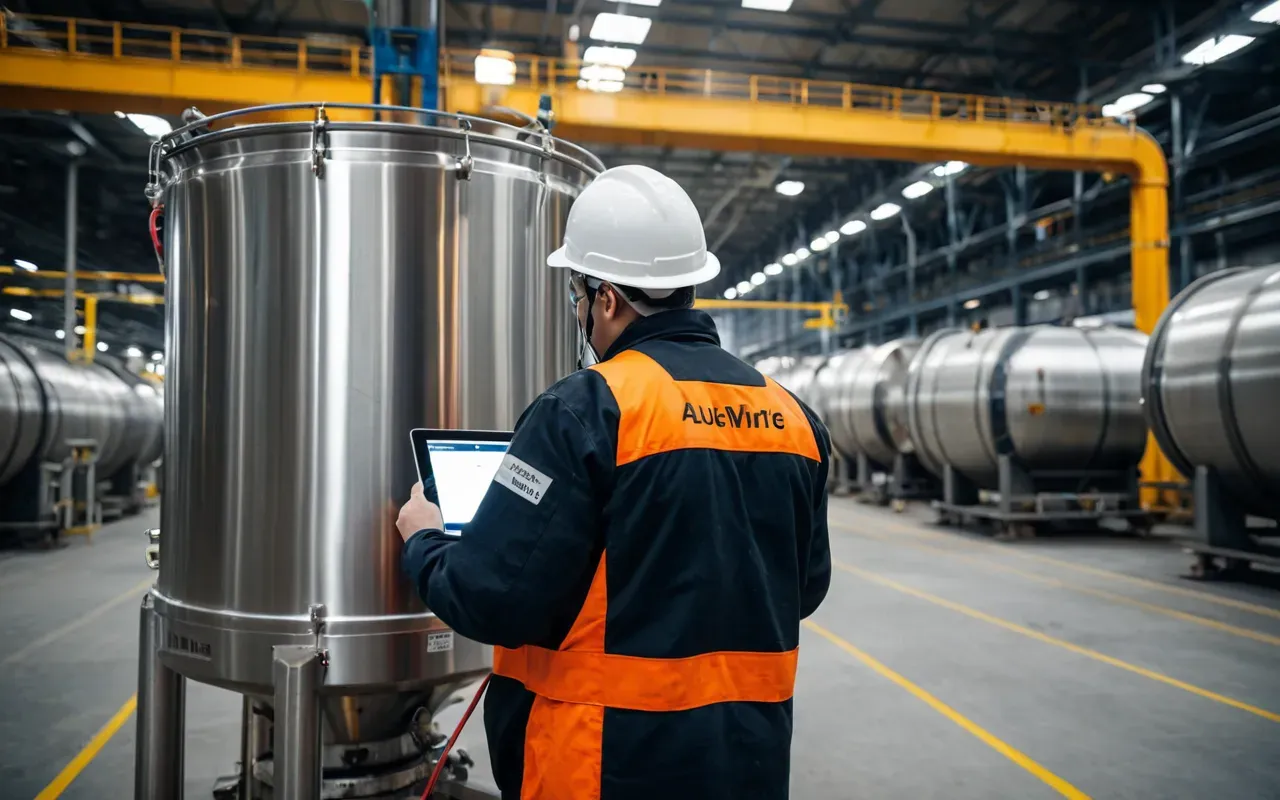
Choosing a supplier is not just a purchasing decision. It is an operational partnership.
You need a partner who understands the pressure of your schedule. They should anticipate needs and solve problems before they become crises.
By focusing on data, maintenance culture, and technology integration, you can find a facility that truly delivers.
Do not settle for the nearest option. Seek the most capable one within a reasonable distance.
Your project deserves concrete that arrives on time and performs as specified. That requires careful selection of your source.
Frequently Asked Questions
How do I verify if a local plant has enough capacity for my project?
Request their current job load schedule and fleet size. Ask how many trucks they have available for your specific date. Cross-reference this with their average production rate per hour to ensure they can meet your volume requirements without delaying other clients.
What is the typical lead time for custom concrete mixes?
Standard ready-mix loads usually require 24 to 48 hours notice. Custom mixes with special admixtures or aggregates may take three to five business days for testing and approval. Always confirm this timeline in writing before starting your project schedule.
Why might a closer plant be less reliable than a farther one?
Closer plants often serve higher volumes of local residential jobs. This creates congestion in their dispatch queue. A farther plant with lower demand or better routing software may actually have more available trucks and faster response times for commercial orders.
Can I see the quality control logs from a potential supplier?
Yes, reputable suppliers will share recent test results for slump and compressive strength. They should provide certificates of analysis for previous batches similar to your specification. This transparency is a key indicator of their commitment to quality standards.
What should I do if a delivery is consistently late?
Document every delay with timestamps and photos. Notify the supplier in writing immediately after each incident. If delays persist beyond two instances, invoke your contract's termination clause or seek liquidated damages as specified in your agreement to protect your project timeline.