The concrete industry is secretly running out of time because of one terrifying weather trend
The Silent Killer On Modern Jobsites Is Not Labor Shortages
We tend to think of concrete as static. It is heavy gray stuff that sets hard and stays put for centuries if you do it right. The Romans knew this trick two thousand years ago, after all. But the material science behind what we pour today is changing faster than most contractors realize.
I recently sat down with a panel of heavy hitters from the industry. These are people who control the flow of materials for massive infrastructure projects across North America. You would expect them to talk about supply chain issues or worker retention first. Those are real headaches, sure.
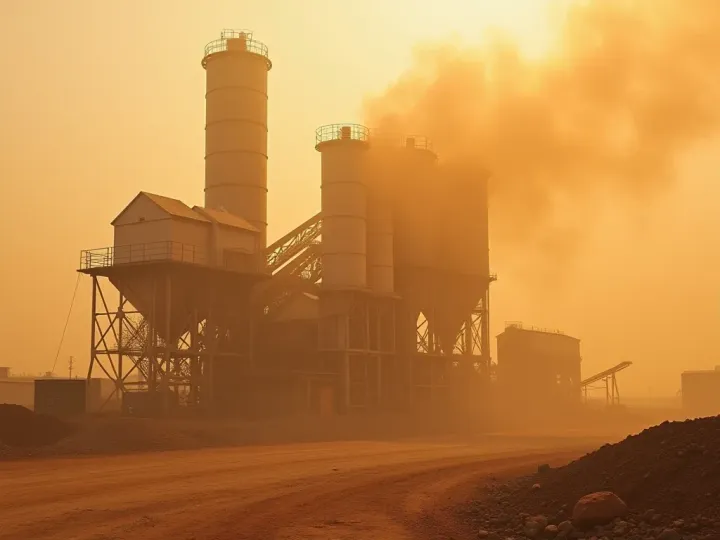
Instead they pivoted to something far more insidious. Dirk Tharpe from Oldcastle APG pointed out a disturbing challenge that gets worse every single summer. He called it superheat, and honestly the term stuck with me long after our conversation ended.
The summers are getting hotter. More extreme than the last one which was worse than the year before that. This is not just about comfort for workers wearing heavy gear under a blazing sun. It is about chemistry failing in real time right beneath your boots.
Why Traditional Mix Designs Are Becoming Obsolete Fast
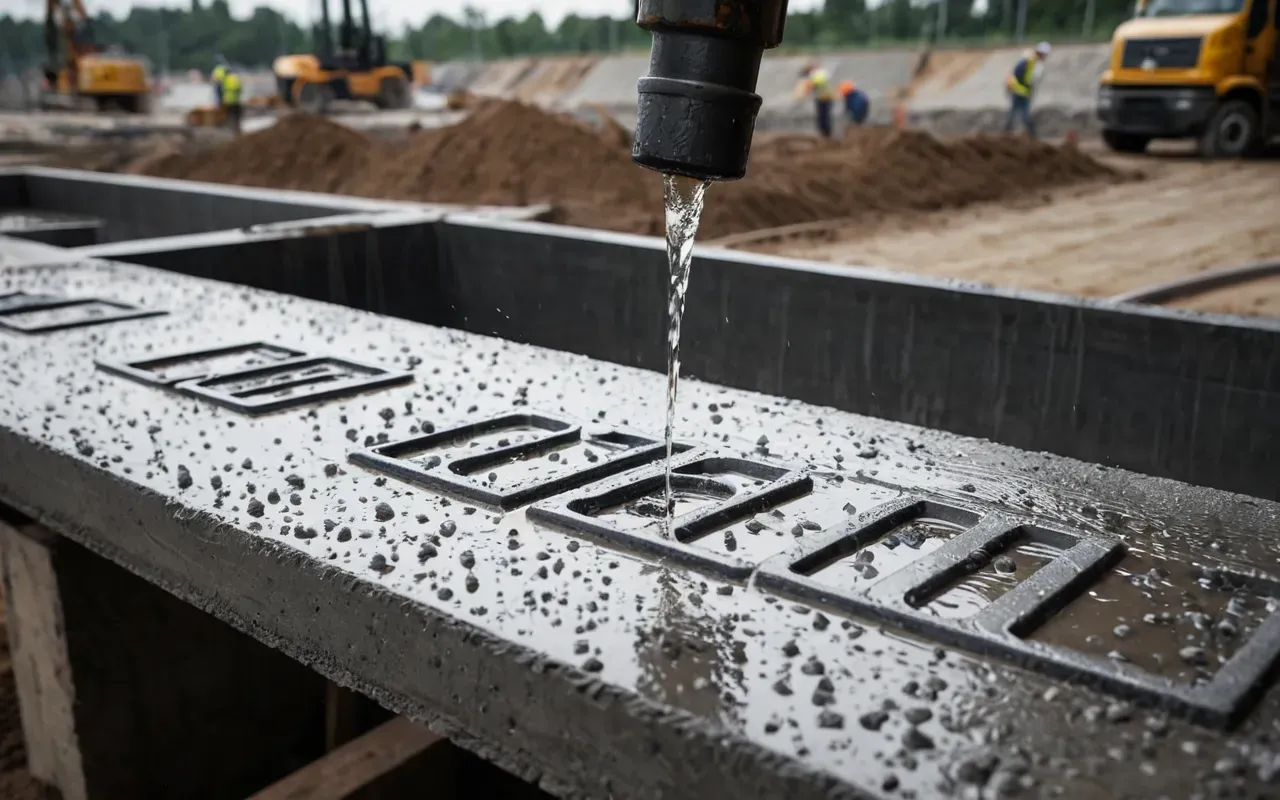
Look at the numbers for a second. Heat of hydration is a natural part of cement setting. It releases energy as bonds form between water and calcium compounds in the mix. In normal conditions this process strengthens the slab over time without issue.
But when ambient temperatures spike into triple digits consistently throughout July and August that internal heat has nowhere to go. Tharpe asked a critical question during our discussion that no one seems ready to answer yet.
Can we cool the forms themselves? Can we infuse polymers underneath freshly placed slabs to wick away thermal energy before it cracks the structure internally? These are engineering problems that require immediate attention if we want infrastructure built today to still be standing fifty years from now.
Larry Rowland at Heidelberg Materials North America emphasized their commitment to expanding fly ash and slag availability. These supplementary cementitious materials lower carbon emissions significantly while also reducing the intense heat generated during curing.
It makes sense when you think about it logically. Less heat means less risk of thermal cracking in extreme weather scenarios. Yet adoption remains slow partly because changing mix designs requires rigorous testing protocols that take months to complete.
The Push Toward Net Zero By Mid Century Forces Adaptation
Rowland noted that his company aims for net zero emissions by 2050 with major cuts needed before 2030 arrives. That timeline feels incredibly tight given current legislative gridlock around environmental regulations.
David Perkins echoed these sentiments highlighting how sustainable solutions like carbon-neutral mixes are gaining traction despite higher upfront costs. Contractors care deeply about durability which cannot be compromised even when chasing green credits.
Here is where things get interesting though. Ultra-high-performance concrete or UHPC offers exceptional strength profiles alongside incredible resistance to environmental degradation factors including temperature fluctuations.
Perkins mentioned seeing increased use of UHPC in bridge construction and high-rise developments where longevity matters more than initial budget constraints. This shift toward premium materials signals confidence that future climates will punish weaker mixes harshly.
Artificial Intelligence Might Save Us From Our Own Inefficiency
Let us talk about artificial intelligence for a moment since everyone keeps mentioning it lately. Marianna Kopsida from Trimble sees immense potential in applying AI algorithms directly to field optimization tasks during active pours.
Imagine sensors embedded inside fresh concrete transmitting live temperature readings back to a central dashboard managed by smart software systems capable of adjusting curing procedures instantly based on changing conditions.
That sounds futuristic but companies are already deploying similar telematics tracking tools across fleets of mixer trucks delivering batches daily. Jeff Keeling observed how Brokk Inc partnered with electric equipment manufacturers recently.
They added loaders and dumpers powered entirely by batteries eliminating exhaust fumes from demolition zones where workers spend long hours breaking down old structures. Remote-controlled robots handle dangerous tasks keeping humans safely away from falling debris.
Peter Bigwood at Mecalac North America noted that telematics adoption has become ubiquitous among larger contractors who need visibility into asset utilization rates. Analytic tools improve significantly year after year making data actionable rather than just stored.
Predictive Analytics Transform Quality Control Processes Drastically
Mark Rinehart explained how digitizing job sites helps contractors analyze material loss patterns that previously went unnoticed due to chaotic working environments. Alerts notify managers when rental equipment sits idle costing thousands unnecessarily.
This level of oversight extends beyond logistics too. AI algorithms can identify optimal mix proportions meeting specific project requirements such as compressive strength targets while minimizing waste outputs simultaneously.
Tharpe highlighted speech translation capabilities within AI platforms enabling seamless communication between English speaking supervisors and Spanish speaking crew members without misunderstandings causing delays or safety hazards.
Kopsida emphasized real-time quality control benefits where deviations from design specs get flagged immediately allowing crews to correct issues before concrete hardens permanently. Rework costs plummet when problems catch early.
Autonomous Equipment Handles Repetitive Tasks Safely And Efficiently Now
Edward Wessel expressed desire for more automation specifically around drilling dowel bars into hardened pavement sections. Repetitive motions cause physical strain over time leading to injuries and turnover rates climbing higher annually.
Bill Harman from DEWALT discussed continuing advances in electrification reducing trip hazards associated with dangling cords everywhere. Gasoline engines require frequent maintenance plus fuel storage headaches disappear completely.
Don Weaver praised GPS-guided stringless screeds improving overall flatness quality dramatically compared to manual methods relying solely on human judgment under pressure. Stringlines sag creating uneven surfaces ruining finishes.
Iowa State University researchers amaze us with new material innovations constantly pushing boundaries further than commercial markets typically follow initially. Their work gives hope for resilient solutions ahead despite current climate challenges.
The Dark Side Of Social Media Trends Threatening Structural Integrity
Not everything evolving in our industry moves forward positively though. Tharpe warned about a growing social media trend he termed the dry pour method gaining popularity among amateur builders sharing videos online.
This practice involves dumping dry mix directly into forms then adding water afterward hoping hydration occurs evenly throughout the mass. It is dangerously misleading from both structural integrity and worker safety standpoints.
Proper mixing ensures uniform distribution of aggregates cement paste and admixtures crucial for achieving desired performance characteristics. Skipping this step creates weak zones prone to cracking under load stresses applied later.
Contractors must educate homeowners reading these posts carefully explaining why shortcuts lead to catastrophic failures eventually. Reputation damage spreads quickly too making professional firms appear careless if associated with bad practices publicly.
Real Time Data Streams Prevent Costly Mistakes Before They Happen
Perkins described sensor-enabled equipment delivering real-time feedback as trucks arrive at delivery points. Probes inserted into batches measure slump values instantly verifying consistency before discharge begins.
In-situ sensors placed directly within poured slabs track hydration progress continuously providing critical strength gain data without destructive testing methods needed traditionally. This integration enhances reliability significantly.
Heidelberg Materials deploys autonomous quarry haul trucks globally optimizing logistics chains efficiently. Texas operations saw successful trials recently proving viability even in harsh desert environments where dust storms frequent.
Harman predicted cordless tools gaining market share rapidly as battery technology improves capacity ratings substantially. Powerful alternatives replace gas models driving conversion rates upward steadily across sectors.
Bridging Digital Design And Field Execution Remains Challenging Still
Kopsida stressed importance of broader adoption connecting BIM models directly to field execution tools currently fragmented processes hinder efficiency gains possible otherwise. Foremen struggle extracting useful data manually.
Simplified interfaces allowing seamless updates pushed automatically to layout devices would revolutionize how projects proceed daily reducing errors caused by outdated drawings circulating physically around chaotic sites.
One contractor creatively used robotic total stations checking formwork alignment continuously during residential foundation pours catching minor discrepancies immediately preventing expensive reworks requiring breaking cured concrete later.
Such proactive approaches demonstrate innovation happening organically among skilled professionals adapting existing technologies novel ways beyond intended original purposes. Learning from these successes inspires others follow suit.
Demolition Efficiency Soars With Specialized Heavy Machinery Upgrades
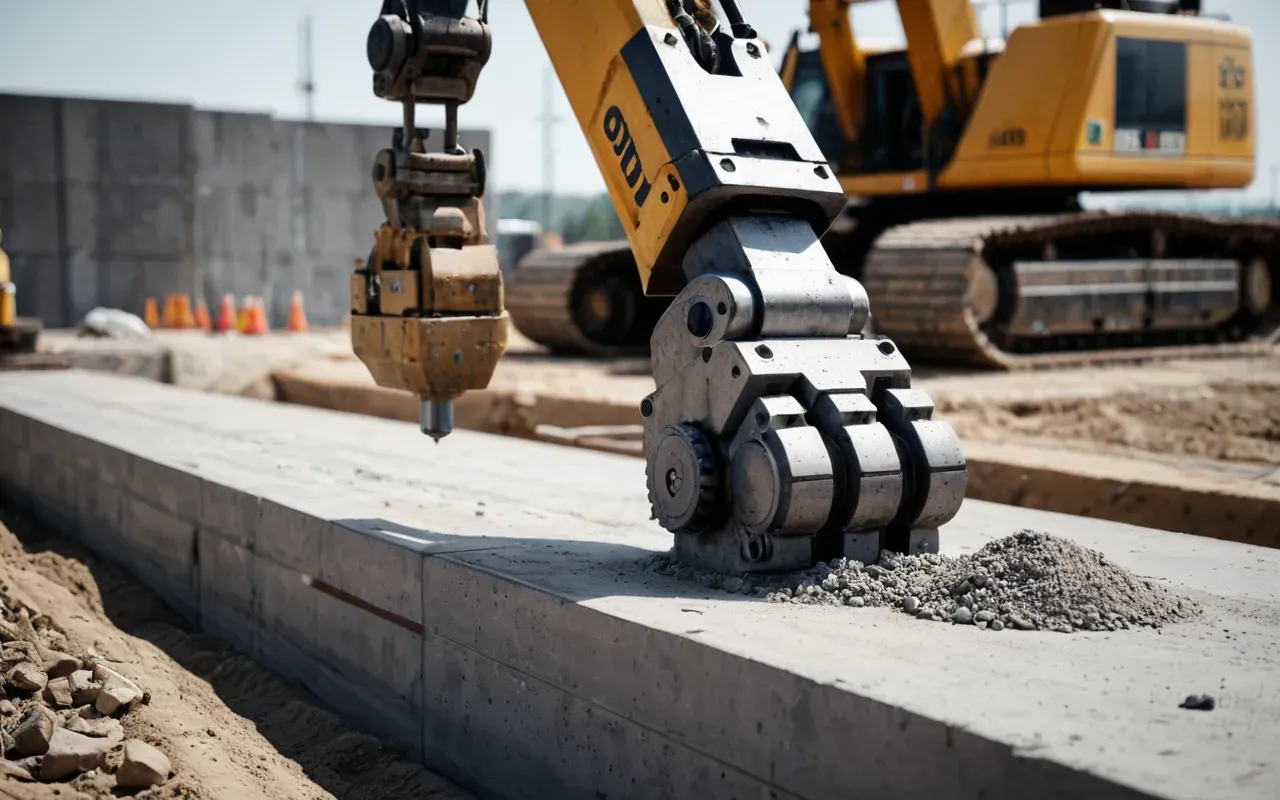
Keeling shared an exciting case study involving Lake Michigan breakwater restoration project requiring removal two feet damaged concrete layer quickly. Initial attempts using mini excavators yielded disappointing results removing only twenty feet daily.
Switching strategies brought in Brokk robots equipped specialized attachments crushing concrete efficiently removing four hundred twenty tons just nine days completing work well ahead schedule. Seven point five times faster performance amazed everyone involved.
Partnering innovative companies like FIRSTGREEN Industries added electric loaders dumpers complementing robotic systems perfectly creating complete sustainable solutions addressing multiple steps demolition process simultaneously.
Remote control capabilities enhance safety drastically removing operators proximity hazardous zones entirely. Interest grows steadily as firms recognize value investing advanced machinery improving worker protection standards industry-wide.
What Lies Ahead For Concrete Professionals Navigating Uncertain Times
Rinehart expressed excitement regarding concrete printing technologies expanding rapidly offering reduced labor requirements minimal waste generation ideal addressing chronic workforce shortages plaguing sector currently.
Wessel highlighted impact participating annual meetings listening peers share experiences overcoming shared challenges strengthens bonds within community fostering collaboration essential driving collective progress forward together.
Bigwood marveled at transformation older factory floors polished beautifully showcasing artistry possible through skilled craftsmanship combined modern finishing techniques elevating aesthetic appeal significantly beyond functional needs alone.
As we look toward mid-century goals set forth earlier adapting becomes imperative survival not just growth. Embracing change head-on empowers us build better structures endure longer withstand whatever storms nature throws our way next decade.
If you want to understand how digital systems are specifically improving batch accuracy Command Alkon AI Feed Is Silently Eliminating The Most Expensive Mistake In Concrete Batching offers deep insights into automation benefits realized daily.
Furthermore exploring How Innovation in Concrete Batching Is Reshaping Sustainable Construction reveals broader environmental impacts tied directly to material choices made upfront influencing entire lifecycle assessments considerably.
Finally consider reading Why Analog Toggles And Surge Free Pumps Are Actually Saving Contractors Thousands for perspective on balancing high-tech solutions proven reliable analog controls ensuring uptime guaranteed regardless complexity level chosen.