The Concrete Batching Plant Operator I Met Last Winter Who Refuses To Trust The Software
The Operator Who Ignores The Green Light
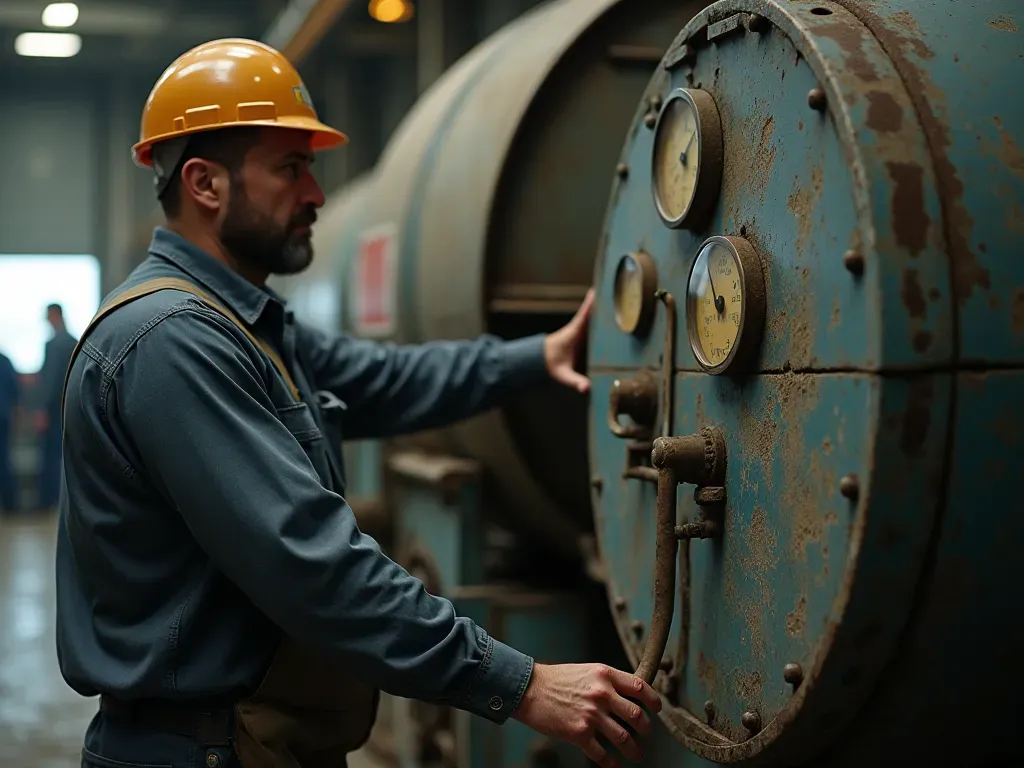
I met a man named Elias last winter. He's run the same yard for eighteen years. His plant hums with silent precision. Yet he never looks at the dashboard when the mix starts.
Instead, he watches the hopper. He listens to the drum spin. To him, the machine speaks in sounds and rhythms, not data points.
That habit saves him from expensive mistakes. Digital systems can lie. Sensors drift. Software glitches happen. But a human eye rarely misses the subtle change in aggregate flow.
Why Sensors Lie And Humans Do Not
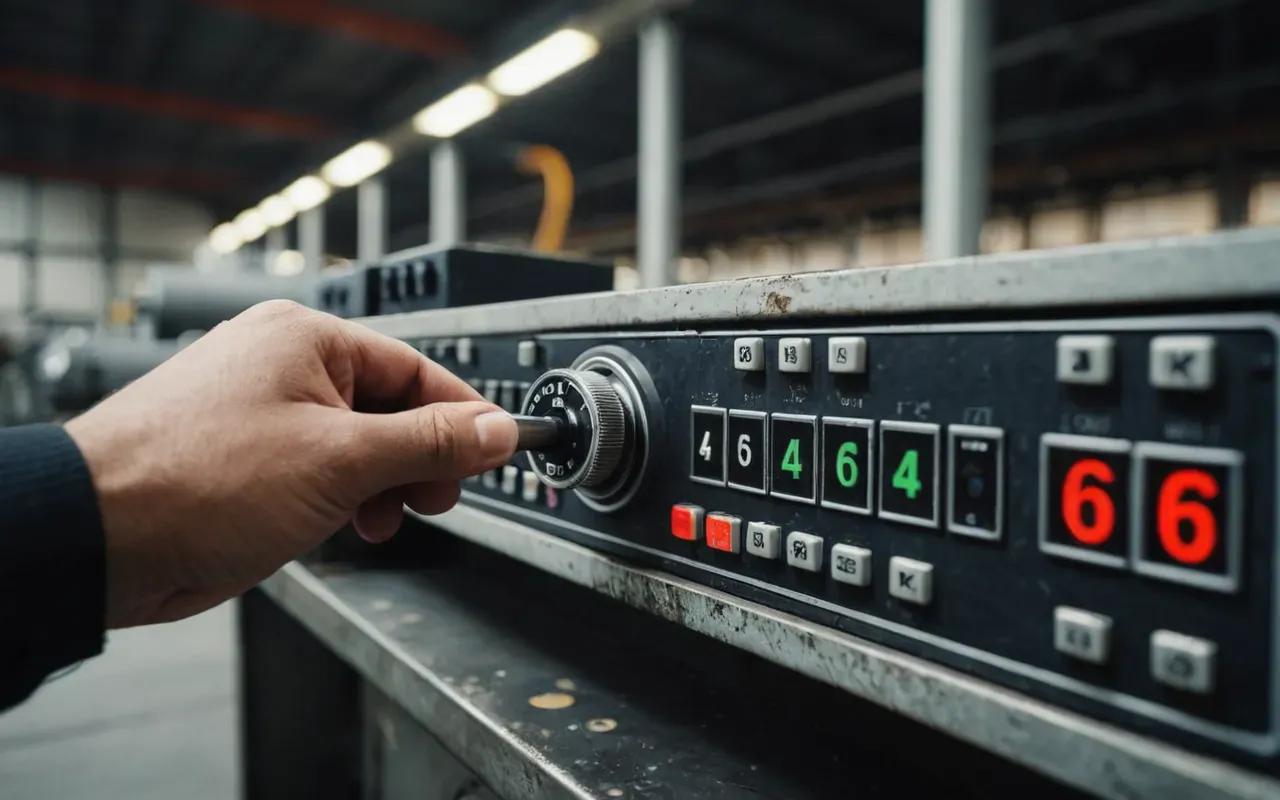
Load cells are the heart of modern batching. In theory, they measure weight with milligram precision. In practice? They drift.
Temperature changes affect them. Vibration affects them. And dust buildup on the sensor housing causes errors that no software can fully predict.
I've seen a plant lose twenty thousand dollars in one month because of this. The mix was slightly off-spec. Clients rejected the loads.
The operator who checks physically catches these issues early. He trusts his hands over the screen. That's not stubbornness; it's survival.
The Hidden Cost Of Calibration Drift
Most plants calibrate annually. Big mistake. Drift happens daily.
A one percent error in aggregate weighing leads to inconsistent strength. Over a year, this compounds into massive waste and liability.
If you want to see how this plays out in real scenarios, check out the Texas plant that lost a quarter million dollars. It's a cautionary tale.
The Myth Of Fully Automated Production
Vendors sell you a dream. Push one button and the plant runs forever. That's fiction.
Concrete is a living material. It changes with humidity and temperature. Automation cannot adapt to sudden environmental shifts as well as an experienced operator.
I've watched a smart plant batch air voids into the mix because it didn't account for a sudden drop in ambient temperature. The human operator would have adjusted instantly.
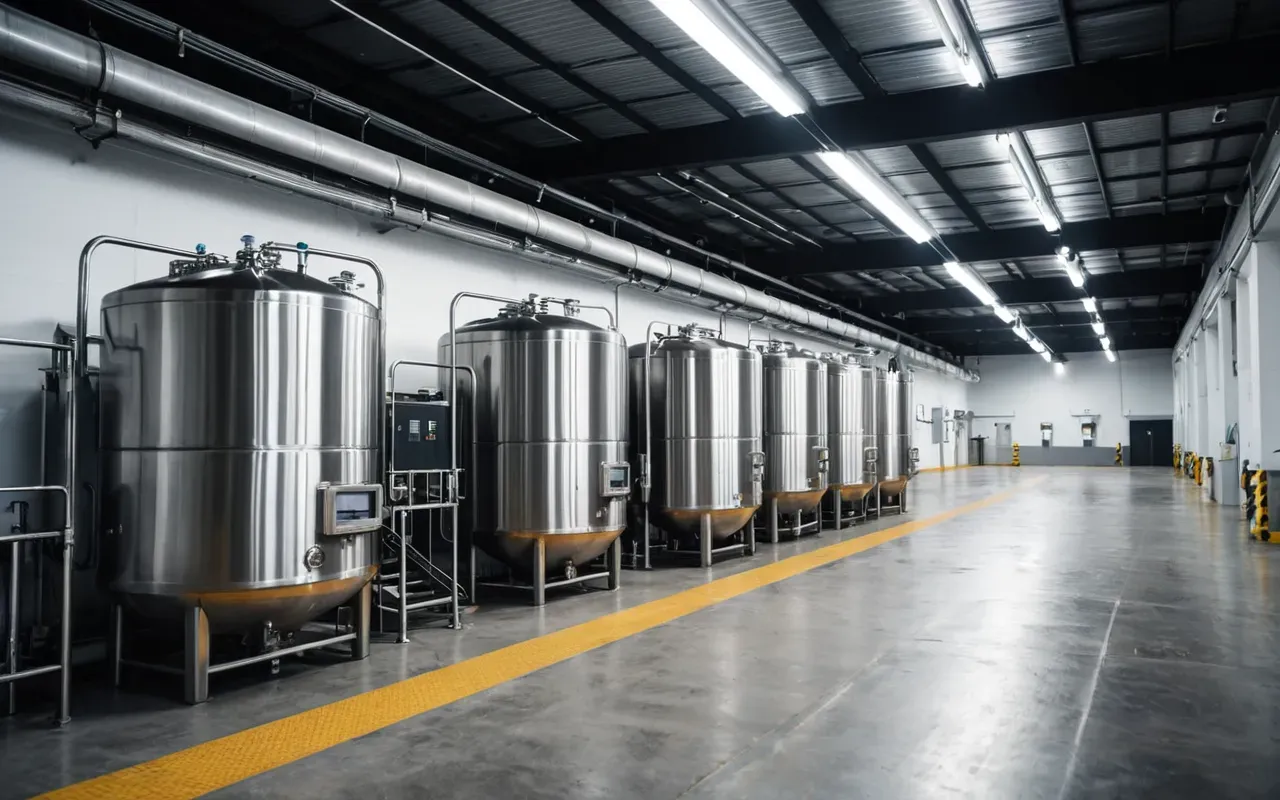
When Technology Fails You
Power outages happen. Software crashes occur. Network links drop.
In these moments, the plant stops unless there is a manual override. Many modern plants lack this fallback.
I've seen a site lose an entire day's output because the server went down. The manual backup was not tested for three years.
That's a critical gap. Automation should enhance human control, not replace it entirely.
Maintenance Routines That Actually Matter
Most operators focus on the mixer. Wrong move.
The feeders are where problems start. Worn liners cause inconsistent flow. This leads to batch errors before the mix even begins.
I recommend checking feeder belts every morning. Look for fraying edges and misalignment.
It takes five minutes. It saves you from weeks of downtime and thousands in repair costs.
The Forgotten Component: The Water System
Water is the most critical ingredient. Yet it gets the least attention.
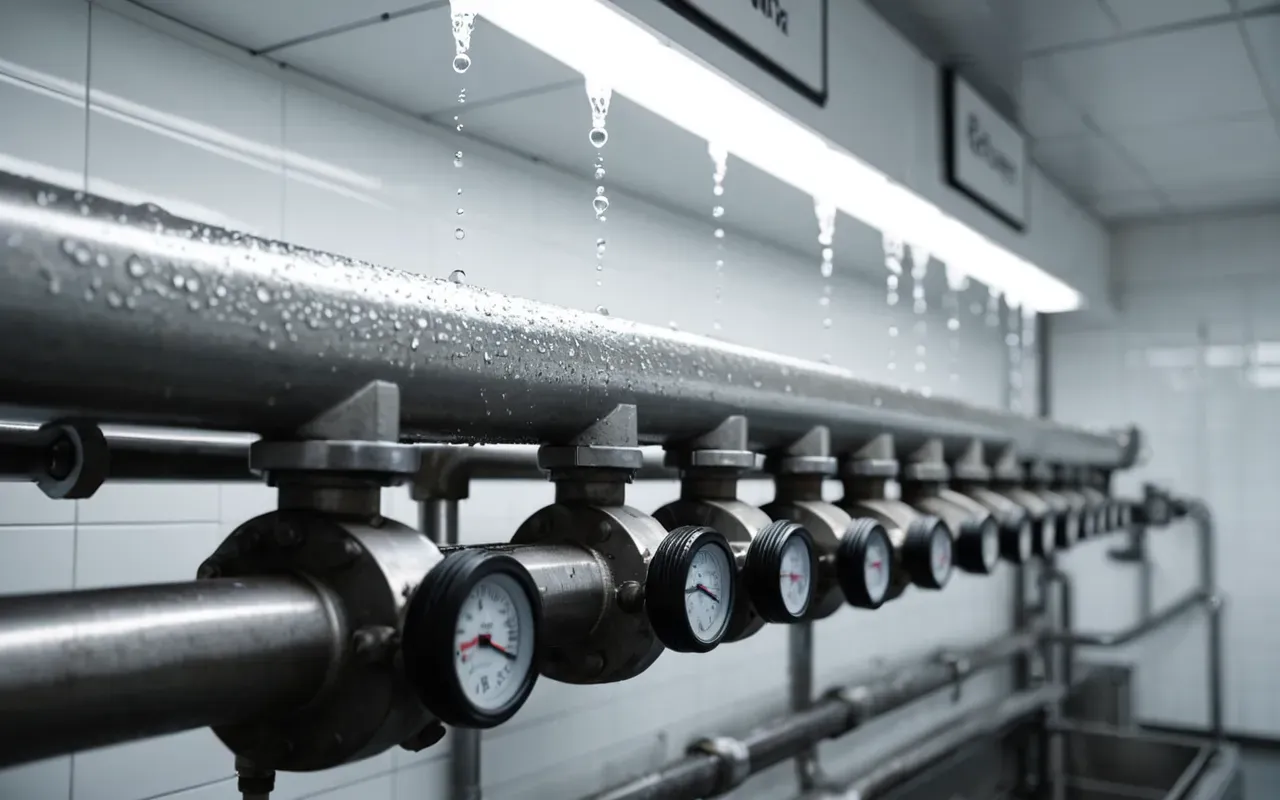
Clogged nozzles and fluctuating pressure cause major inconsistencies. A simple pressure gauge check prevents most issues.
I've seen plants spend thousands on new mixers when the problem was just a dirty water filter.
The Economic Reality Of Smart Plants
Smart plants cost more upfront. But do they save money long term?
Not always. The subscription fees for cloud software add up fast. And when the system fails, you pay double.
I've calculated that a mid-sized plant can lose fifteen percent of its annual profit on software licenses and support contracts.
That's a hidden cost vendors rarely mention. You need to weigh this against the potential savings from reduced waste.
The Gap Between Cheap And Smart
There is a significant price difference between basic and advanced systems.
But the value lies in reliability, not features. A basic plant with excellent maintenance outperforms a high-end system that is neglected.
If you are considering an upgrade, look at the $40,000 gap between cheap and smart concrete batching plants. It breaks down the true costs.
The Human Element In Modern Construction
Technology is a tool. It should serve the operator, not replace them.
The best plants I've seen take a hybrid approach. Digital monitoring for data and human oversight for decision making.
That balance ensures consistency and adaptability. It's the sweet spot for modern production.
I've seen this model work in high-volume operations. The key is training operators to trust their instincts alongside the data.
Frequently Asked Questions
What is the most common failure in concrete batching plants?
Sensor drift is the most frequent issue. Load cells lose accuracy over time due to vibration and temperature changes. Regular calibration prevents this.
How often should I calibrate my batch plant sensors?
You should check them weekly and perform a full calibration monthly. High-volume plants may need daily checks to maintain precision.
Is manual override necessary in a fully automated plant?
Yes. Manual overrides are critical for safety and continuity during power outages or software failures. They provide a reliable fallback.
Can smart batching plants reduce waste significantly?
They can, if maintained properly. Smart systems optimize mix ratios and detect errors early. However, human oversight is still needed for environmental changes.