Your sales reps are losing hours to spreadsheets and Filmore just fixed that

The spreadsheet graveyard is finally closing
Look. I've stood on enough sales floors to know the truth about how equipment actually gets sold. It's not some high-speed negotiation dance. Most days it's a slow crawl through digital mud.
A rep is standing in the middle of a jobsite. Air smells like diesel and wet dirt. Phone buzzes — customer query.
But before they can answer anything useful, that rep has to check a public project database. Then the dealer management system.
Then verify fleet ownership details in a telematics feed. And finally cross-reference all of it against their own sticky notes.
By the time they've got a coherent answer, ten minutes are gone. The customer has already moved on to a competitor who answered faster.
This isn't hypothetical. It's the daily reality for thousands of equipment dealers across the country.
So when Filmore announced they're bringing this intelligence directly into Microsoft Teams, I felt genuine relief.
Not because the tech is flashy. Because it finally respects where human beings actually work.

Why Microsoft Teams is the logical home for this data
Here's something I think most people miss about enterprise software adoption. It rarely fails because the tool is bad.
It fails because the tool asks people to change their fundamental behavior. To open a new window.
To log into a separate portal they've forgotten the password for. To learn a new interface.
Microsoft Teams is different — the conversation is already there. The chat history exists there.
The team knows who's online. The files are already shared in that workspace.
So when Filmore embeds its Copilot agent into Teams, it's not just adding a feature. It's removing friction.
A rep can simply type their question into the same channel where they're already coordinating with logistics.
And the answer arrives in the same place. No tab switching. No context loss.
Subtle point, but it matters enormously for adoption rates among field-based staff.
The specific workflow that changes everything
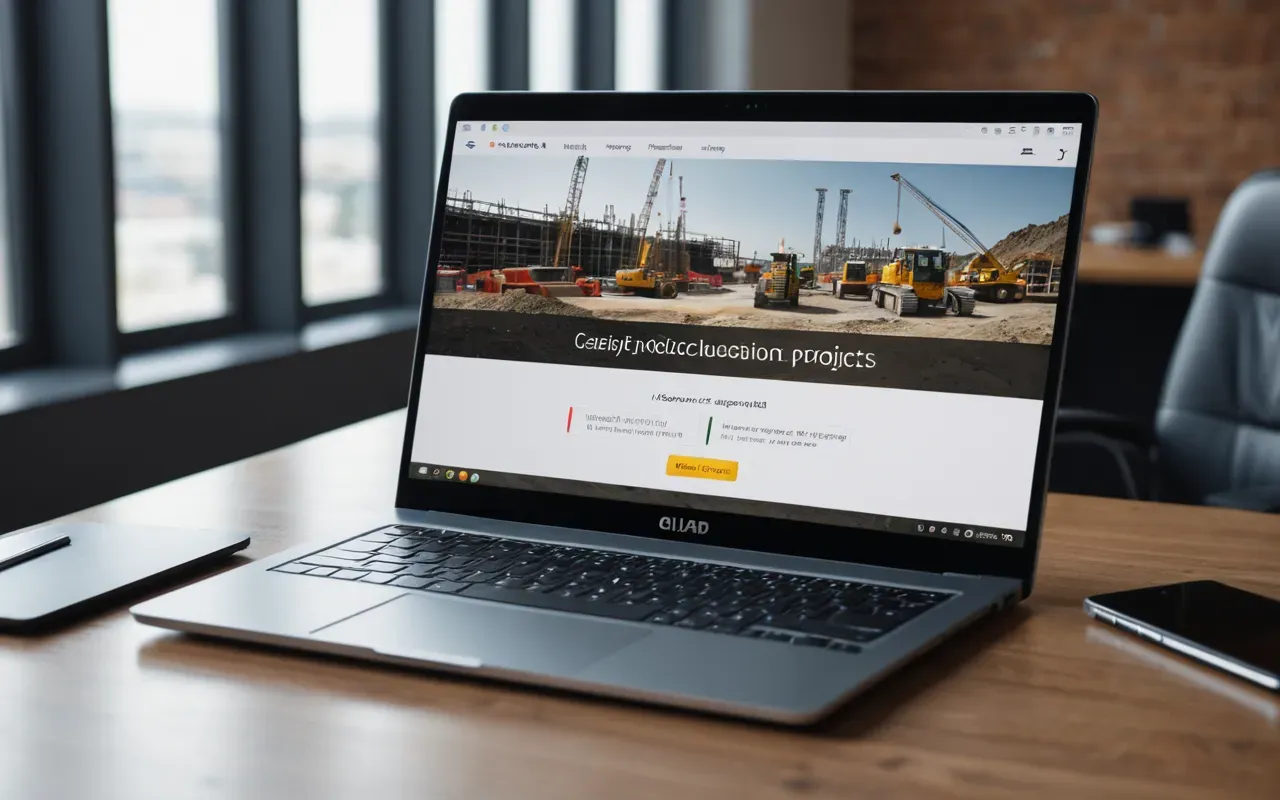
Picture a rep planning their morning route. They need to know which active projects in their county are likely to buy equipment soon.
Traditionally that means exporting a spreadsheet. Filtering by date. Cross-referencing contractor names.
With the new agent they can ask for active projects in a specific county and narrow it down to one jobsite.
Then they ask about the contractors involved and what equipment those fleets currently operate.
All within a single chat thread. The agent pulls from public records and dealer data simultaneously.
The rep gets a focused list of high-probability accounts instead of a generic database dump.
That's the difference between having data and actually using it to close deals.
The deeper implication nobody is talking about yet
Most coverage of this launch focuses on the convenience factor. Fair enough.
But I see something bigger underneath. This move changes the power dynamic in equipment sales.
Historically dealers held a monopoly on local market intelligence. They knew who owned what.
They could see which fleets were aging and when replacement cycles would hit. That knowledge was their edge.
Now that intelligence is being democratized through conversational interfaces. Any rep can access it instantly.
This levels the playing field between a senior rep with ten years of instinct and a junior hire.
The new hire can ask the same questions about fleet aging and project activity as the veteran.
That's a massive shift for dealer organizations trying to scale their sales teams without losing quality.
What this means for rental companies specifically
Rental businesses live and die by utilization rates. Every idle day is money lost.
The ability to quickly identify which projects are active and what equipment they currently use is critical.
Filmore’s agent can connect project timelines with fleet ownership data to predict rental demand spikes.
Not science fiction. It's a practical application of data integration that already exists in the market.
But making it accessible through a chat interface removes the barrier to entry for non-technical staff.
The skepticism I still hold about early access tools
Now let me be honest with you. I'm not blindly enthusiastic about every new AI integration.
Early access means the system is still learning. The data connections may not be perfect yet.
Filmore itself acknowledges that richer workflows like mapping and route optimization are still in development.
So don't expect a fully autonomous sales assistant tomorrow. That's not the promise being made.
What you get today is a faster research tool embedded in your existing communication platform.
Still valuable. But it requires you to ask the right questions and verify the outputs.
I've seen too many tools promise automation only to deliver another layer of manual correction work.
Who actually benefits most from this shift in workflow
If you're a small dealer with three sales reps and no dedicated analyst team, this is huge.
You can't afford to hire a data specialist. But now your reps can access similar intelligence on demand.
Large dealers will benefit from standardization. Every rep gets the same baseline of market data.
This reduces reliance on tribal knowledge that disappears when a senior employee leaves the company.
The biggest winners are probably rental companies operating in competitive markets with thin margins.
They need to maximize every machine hour, and this tool helps them identify demand before it peaks.
The hidden cost of manual research you are probably ignoring
Let's do some quick math. Assume an average rep spends two hours per day on manual research.
At a fully loaded cost of sixty dollars per hour, that's one hundred twenty dollars daily in lost productivity.
Over a year with twenty five working days per month, that adds up to over thirty thousand dollars per rep.
Multiply that by a team of ten reps and you're looking at three hundred thousand dollars in wasted time.
Now consider that the software subscription costs a fraction of that amount annually for basic access.
The return on investment is obvious if the tool actually saves even half of that research time.
What I will be watching in the next six months
First, I want to see how accurately the agent handles complex queries about multi project fleets.
Public records are often incomplete or outdated. The quality of the output depends on data hygiene.
Second, I'm watching how dealers integrate this with their existing CRM systems without creating conflicts.
If the agent suggests an account that's already marked as lost in your CRM, there will be confusion.
Third, I'm looking at whether the mapping and route planning features arrive with meaningful accuracy.
A bad route suggestion wastes fuel and time. A good one saves both. The difference is significant.
The practical steps to get started with early access
If you're interested in trying this out, the process is straightforward but requires some planning.
Start by identifying which of your sales reps currently spend the most time on manual research tasks.
Those people will feel the benefit first and can provide honest feedback on what works and what doesn't.
Make sure your Microsoft Teams environment is already set up and that users have basic permissions configured.
Don't rush a full company rollout. Start with a small pilot group and measure the time saved per week.
Track whether those reps close more deals, or if at least their response times improve noticeably.
If the numbers support it, then expand gradually and train additional team members on best practices.
The bottom line for anyone in equipment sales or rental
Let's be honest: this isn't some revolutionary product. It won't replace your sales strategy, and it won't replace your customer relationships.
But it does kill one of the biggest time sinks in modern equipment selling. The manual research grind.
And your team doesn't have to learn a whole new software ecosystem from scratch to use it.
In an industry where every hour in the field counts, that's a real advantage — and one worth evaluating.
So if your team is still leaning heavily on spreadsheets, I'd say request early access.
No, you don't have to commit permanently. But you should at least see what the conversation feels like.
Because the best tool, in the end, is the one your team will actually use without complaining about it.
And for once, that tool might just be sitting in the app they already open every single morning.
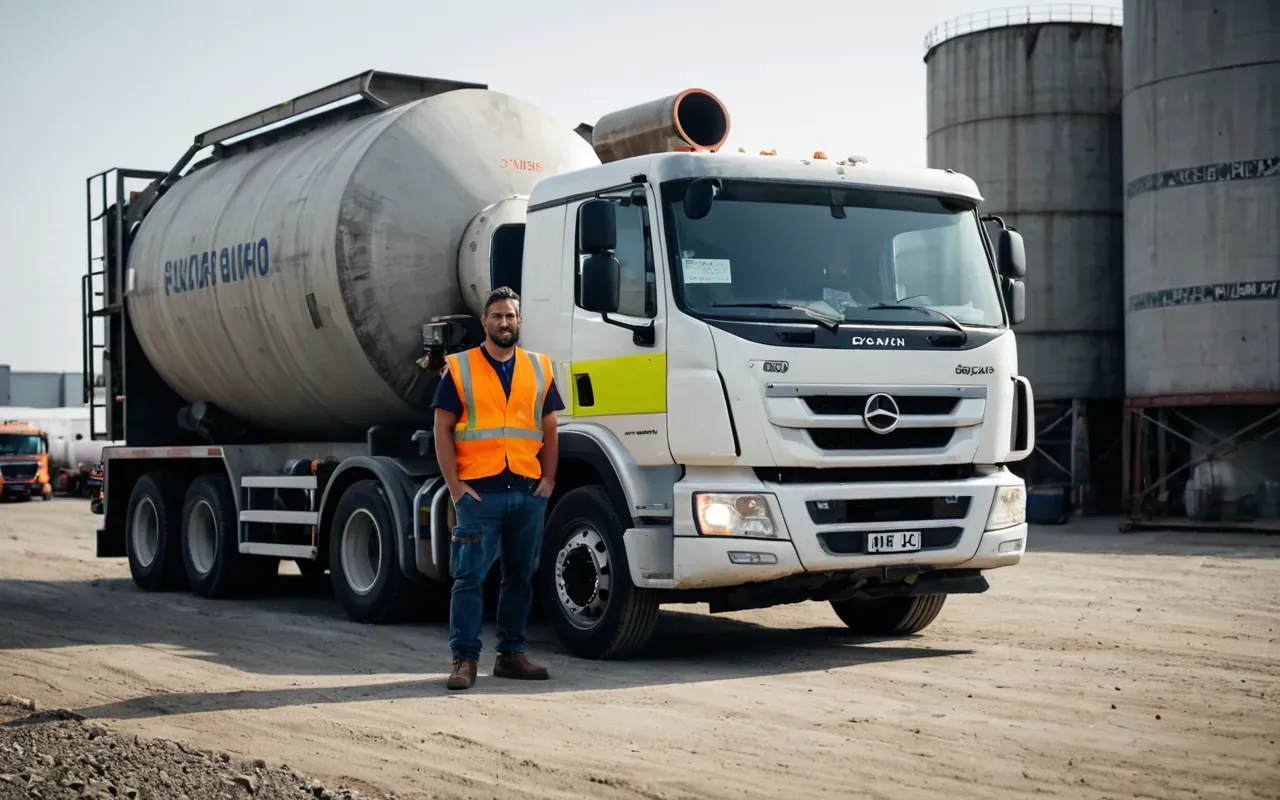
If you're managing a fleet or overseeing operations, look into how diesel idling habits affect your overall equipment costs while you evaluate new tools.
Also consider how unmonitored equipment can lead to costly losses and whether your current systems catch those issues early enough.
Better sales intelligence plus tighter operational control — that's where real profit lives in this industry.