Why the Texas Concrete Plant Legal Fight Will Decide Your Lung Safety
The Battle Over The Air You Breathe Near Concrete Plants
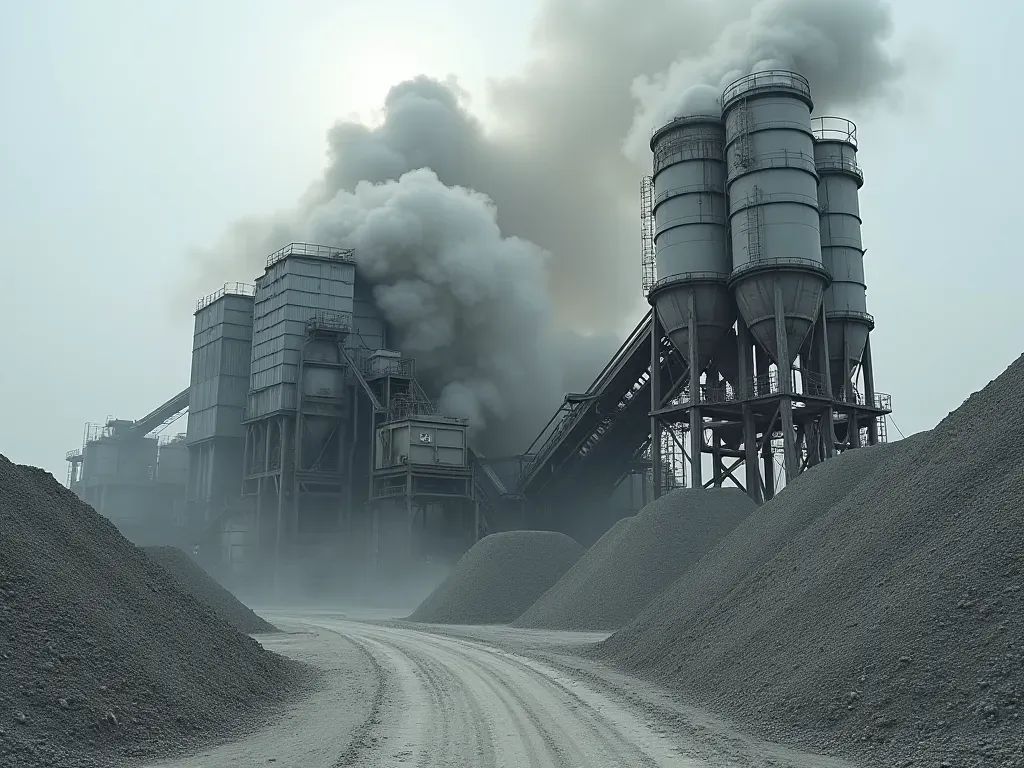
Picture waking up to a haze so thick it coats the glass. It isn't traffic smog. It's crystalline silica dust, drifting over from a concrete plant down the road. In Harris County, that's not a nightmare scenario for a lot of families — it's just Tuesday.
The Harris County Attorney's office filed a petition on February against the Texas Commission on Environmental Quality. The goal? Reverse an order that lets older concrete plants keep running under looser rules while newer ones get hit with strict limits.
This isn't some bureaucratic squabble. It's a fight over whether people can breathe. At the center of it: grandfathering. Previously registered facilities get a pass. Live near one of them, and honestly, your lungs are the collateral.
Why The Grandfather Clause Is A Dangerous Loophole
Here's the thing. The new rules are genuinely solid for modern facilities — significantly reduced throughput limits, bigger setbacks for equipment stockpiles in certain counties. Good stuff.
But there's a catch. Older plants don't have to comply until their registration expires. Those permits run for ten years. So some facilities can keep operating under outdated standards for nearly a decade longer.
To be fair, that protects existing business investments. No company can drop everything and upgrade overnight. Still — for residents living within a few miles of these clusters, ten years of breathing dust is an eternity.
The Hidden Cost Of Cumulative Pollution In Dense Neighborhoods
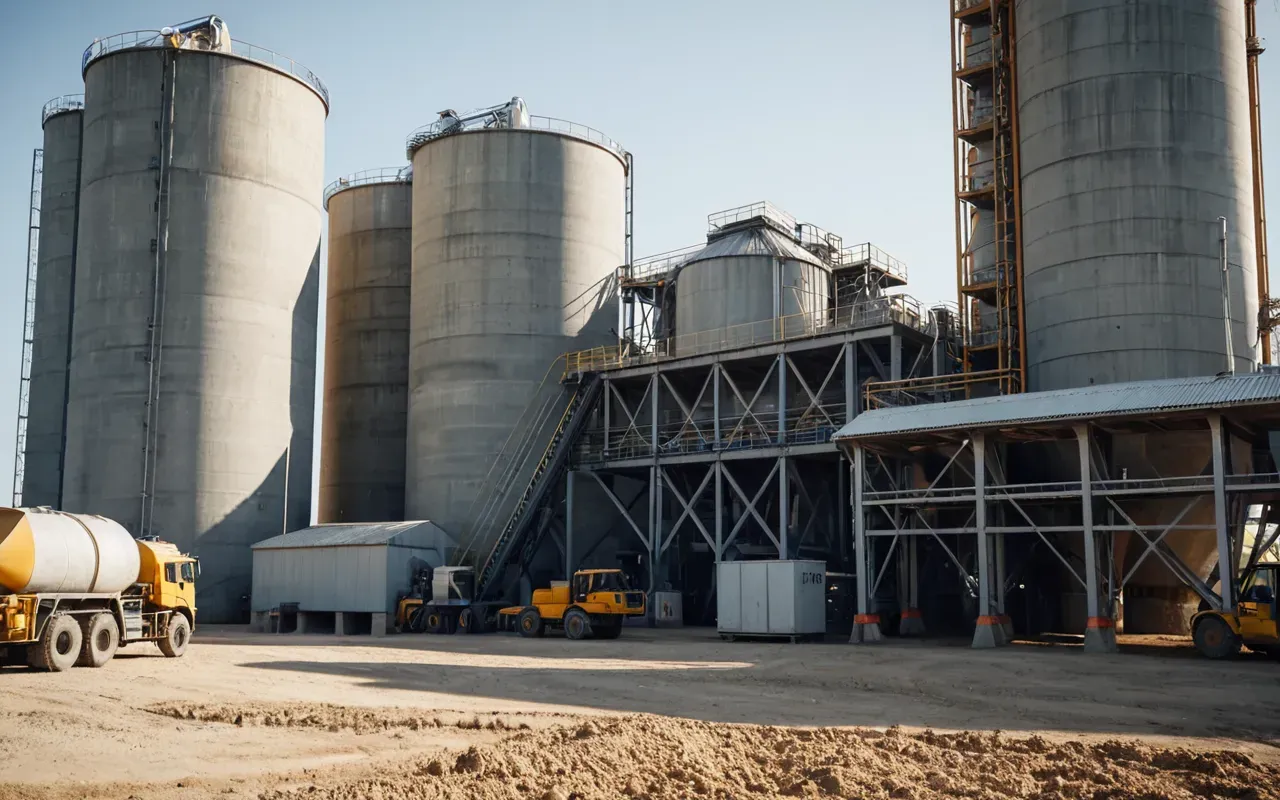
Harris County estimates that over one hundred and forty concrete batch plants operate inside its borders. And many aren't scattered randomly. They sit in tight clusters.
Those clusters tend to land in communities with significant representation of racial and ethnic minorities. Low-resource people and limited English proficient residents absorb the worst of it.
The Pollution Control Services Department launched a specific initiative to inspect these plants and pursue enforcement. They flagged problems with particulate matter that prior amendments never properly evaluated.
How Individual Plants Compound The Problem For Nearby Families
One plant alone might slip under the regulatory radar — it complies with its individual permit limits. But put three or four in close proximity, and total air quality drops below safe thresholds.
Classic failure of cumulative risk assessment. Regulators look at each factory in isolation. They ignore the stack-up effect that residents actually experience on their front porches.
I've watched this pattern play out in other industrial disputes. The math works for the regulator but fails for the human body. You cannot separate one plant's dust from its neighbor's when they share the same air pocket.
Who Wins And Who Loses In This Regulatory Standoff
Let's be clear about the stakes. If the court upholds the TCEQ order, existing plants keep their operational freedom for years. New entrants face stricter hurdles that raise their startup costs.
If the petition succeeds and the order is reversed, it could send shockwaves through the industry. Operators might face immediate compliance demands or legal uncertainty that halts expansion projects.
The Financial Reality For Plant Operators Facing New Rules
Compliance isn't cheap. Upgrading dust suppression systems and modifying throughput limits takes capital that many small operators simply don't have in reserve.
We keep seeing this dynamic. Regulations force a bifurcation in the market. Big players absorb the cost as an expense line item. Smaller family-owned businesses might struggle to keep their doors open during the transition.
This is not a minor inconvenience. It can be the difference between profit and bankruptcy for local concrete producers who have served their communities for decades.
The Technical Details That Most Readers Completely Miss
Most news reports skip the technical weeds. They focus on the legal fight and ignore how the equipment actually works to generate pollution.
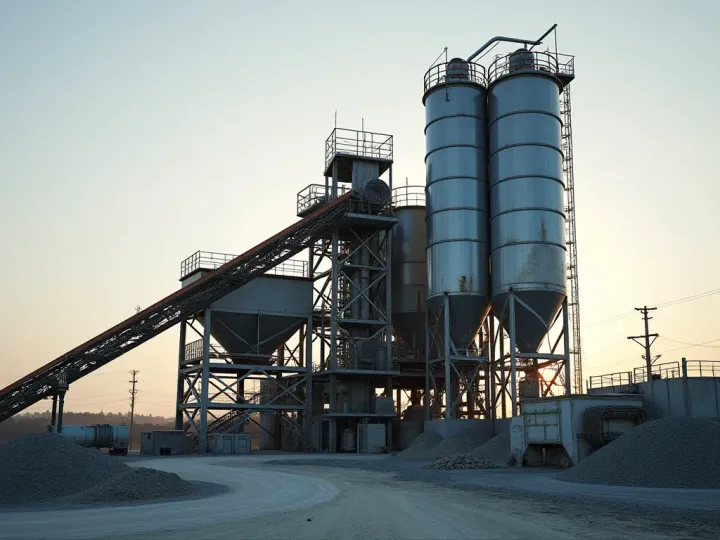
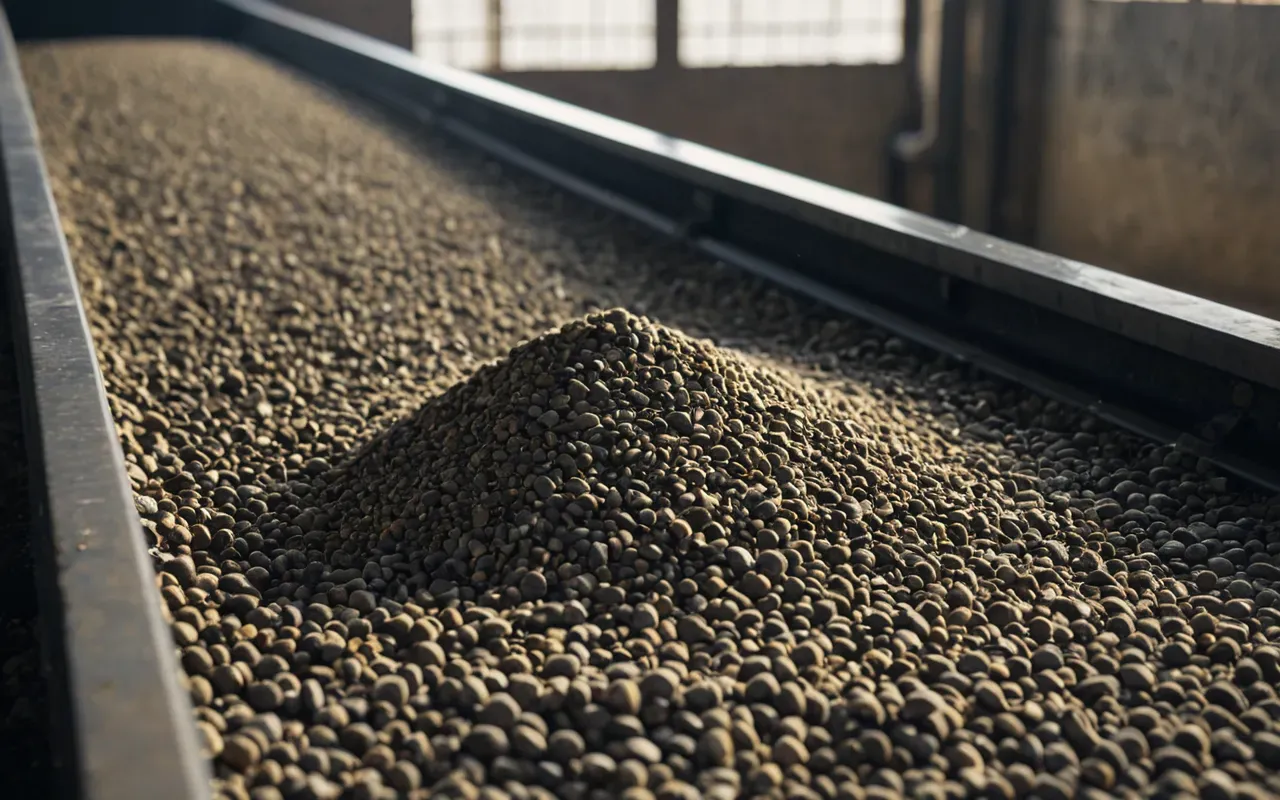
Concrete batch plants rely on precise metering of cement and aggregates. When throughput limits are reduced, the operational rhythm changes entirely.
How Throughput Limits Change Daily Operations At The Plant Floor
Operators must recalibrate their scheduling. Fewer batches per hour means longer wait times for customers and potential revenue losses if demand spikes unexpectedly.
There is also a maintenance angle. Running equipment at lower capacities for longer periods can create different wear patterns on motors and gears.
I have spoken with plant managers who warn that idling or under-utilizing heavy machinery can actually accelerate certain types of mechanical failure.
What This Means For Your Local Construction Projects
If you are building a home or commercial space in the region, this legal battle affects your timeline. Supply chain disruptions from plant closures or shutdowns can delay deliveries.
Concrete prices may fluctuate as operators pass compliance costs down to customers. You might see higher material quotes in your next project budget.
It is a ripple effect. A legal decision in Travis County can change the cost of building a fence three counties over.
The Human Element Behind The Industrial Machinery
Behind every permit and legal filing are real people. Workers who breathe this dust shift after shift. Parents whose children play in yards coated with fine particles.
Crystalline silica is not just an annoying nuisance. It causes silicosis, a permanent lung disease that can lead to death. There is no cure for this condition.
Why Community Groups Are Pushing For Stronger Protections Now
Groups like Super Neighborhood and Dyersforest Heights Civic Club are not asking for the elimination of concrete plants. They want fair rules that protect everyone equally.
They argue that the current system forces lower-income communities to accept higher health risks so that construction can continue without interruption.
This is a profound question of equity. Why should the burden fall on those who have the least power to influence policy decisions?
Looking Ahead At The Next Steps In This Legal Process
The petition is now in the District Court of Travis County. Legal proceedings will take months to unfold before a final ruling.
In the meantime, both sides are preparing their arguments. TCEQ will defend its order as a balanced approach that considers economic realities.
Harris County will likely present medical data and community testimony to show the tangible harm caused by outdated standards.
How The Outcome Could Reshape Statewide Environmental Policy For Years
This case could set a precedent for other industrial permits across Texas. If the grandfather clause is struck down, it opens the door for stricter retroactive enforcement elsewhere.
Conversely, if TCEQ wins, it signals that existing businesses are protected from sudden regulatory changes even when public health concerns mount.
The stakes are high for every stakeholder involved. From the plant operator to the parent downwind, this decision will echo through the community for a long time.
Final Thoughts On The Balance Between Industry And Health
We need concrete to build our roads and homes. There is no question about that. But the method of production cannot come at the cost of human life.
The current system tries to thread a needle that may be too small. It balances economic continuity against immediate public safety.
I believe the courts will ultimately side with protecting human health. History shows that environmental laws tighten over time as our understanding of risks deepens.
Until then, keep an eye on this case. It is not just a legal news item for lawyers. It is a vital issue for anyone who breathes air in the state of Texas.