Why your concrete plant is bleeding money every single time an operator walks away from the control panel

The Silent Killer of Profit Margins in Batching Operations
You know the drill. It's : PM on a Tuesday. The morning crew packs up their lunch trays and walks out of the control room for the last time that day.
The afternoon crew shows up twenty minutes later. Same terminal. Same chair, still warm. But something's different now.
The settings have shifted. Slightly. A water-cement ratio is off by two percent — because the previous operator tweaked it for a specific truck load and forgot to reset it.
That tiny deviation makes a batch of concrete that's a little too wet. It takes longer to set on the job site. The customer complains.
We tend to think of batching plant failures as dramatic events. A broken hopper. A seized drum gear.
But the real enemy is invisible. It's human inconsistency dressed up as routine operation.
Command Alkon just released an update to their Batch platform that targets this exact problem. It is not a new machine.
It's a way to pull the human variable out of the critical control loop entirely.
What Command Alkon Actually Changed with Remote Access Capabilities
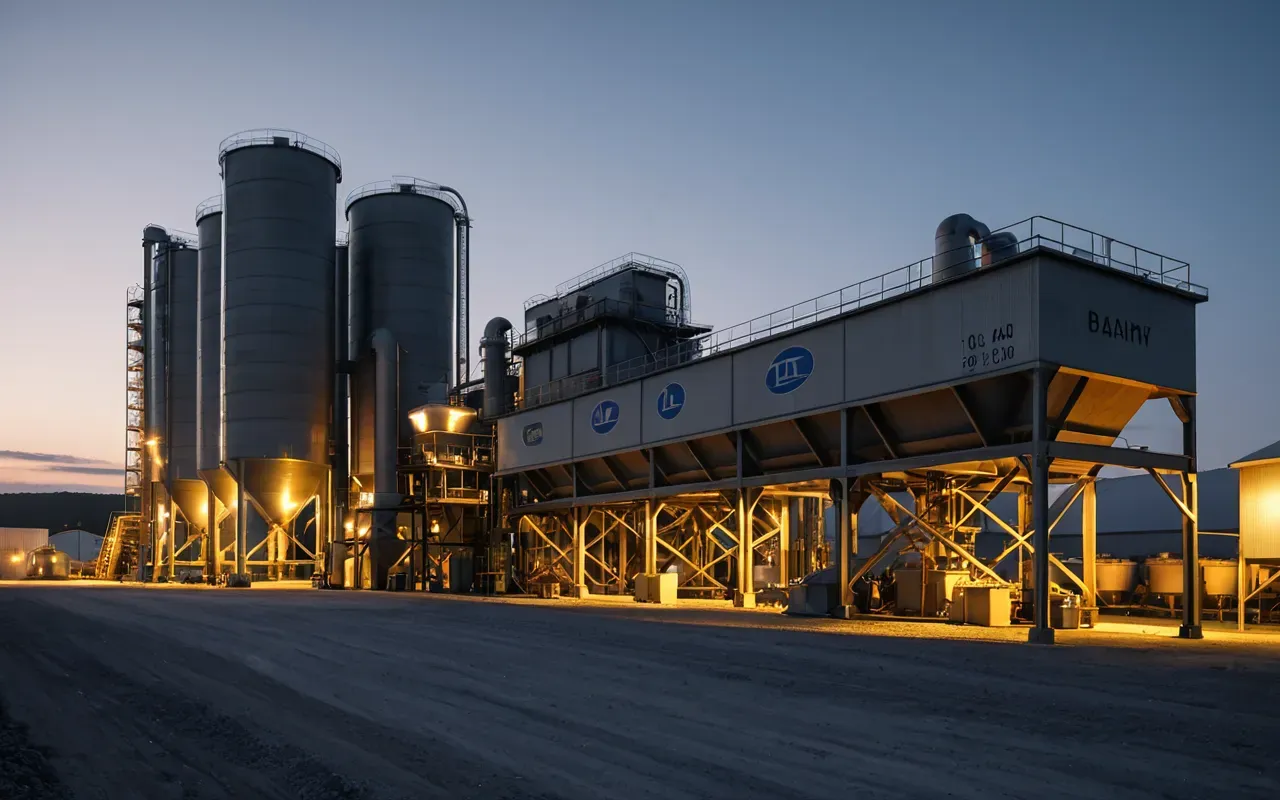
The core feature here is browser-based remote control. You no longer need to be physically sitting in the plant office.
Operators can now manage batch recipes and start production sequences from anywhere with a secure internet connection.
Sounds like a minor convenience for managers who want to check in during their commute.
But that view misses the point. The real value is in multi-plant coordination.
Picture a company running three plants. Plant A is at capacity during peak morning demand.
Plant B has a slow period because their local projects are in the finishing stage. They've got spare capacity.
Previously, moving work from Plant A to Plant B meant phone calls, manual recipe adjustments, and a lot of waiting.
Now the central operator can redirect production flow in real-time using a unified dashboard.
The software sees the load imbalance and suggests or executes the shift in production duties.
This isn't just about saving time. It's about squeezing maximum asset utilization out of every piece of equipment you own.
The Shift Change Problem Nobody Talks About
Let's get specific about the pain point. Every batch plant has a window of vulnerability during shift changes.
Usually between : AM and : PM. The first crew is tired or distracted by the end of their shift.
The second crew is still ramping up. They're reading notes left on a sticky note, or checking their phone for instructions.
In those thirty to sixty minutes of overlap, error rates spike.
A mix design that was perfect at : AM becomes a liability by : AM, because the new operator has no idea why the previous one changed it.
Command Alkon’s remote access feature lets a supervisor or experienced operator stay connected to the process without being physically present.
They can oversee the transition. They can lock in critical parameters so they can't be accidentally altered during the handover.
This creates a digital bridge between human shifts. The knowledge stays with the system, not in the head of one specific employee.
Real-Time Data as a Financial Insurance Policy for Producers
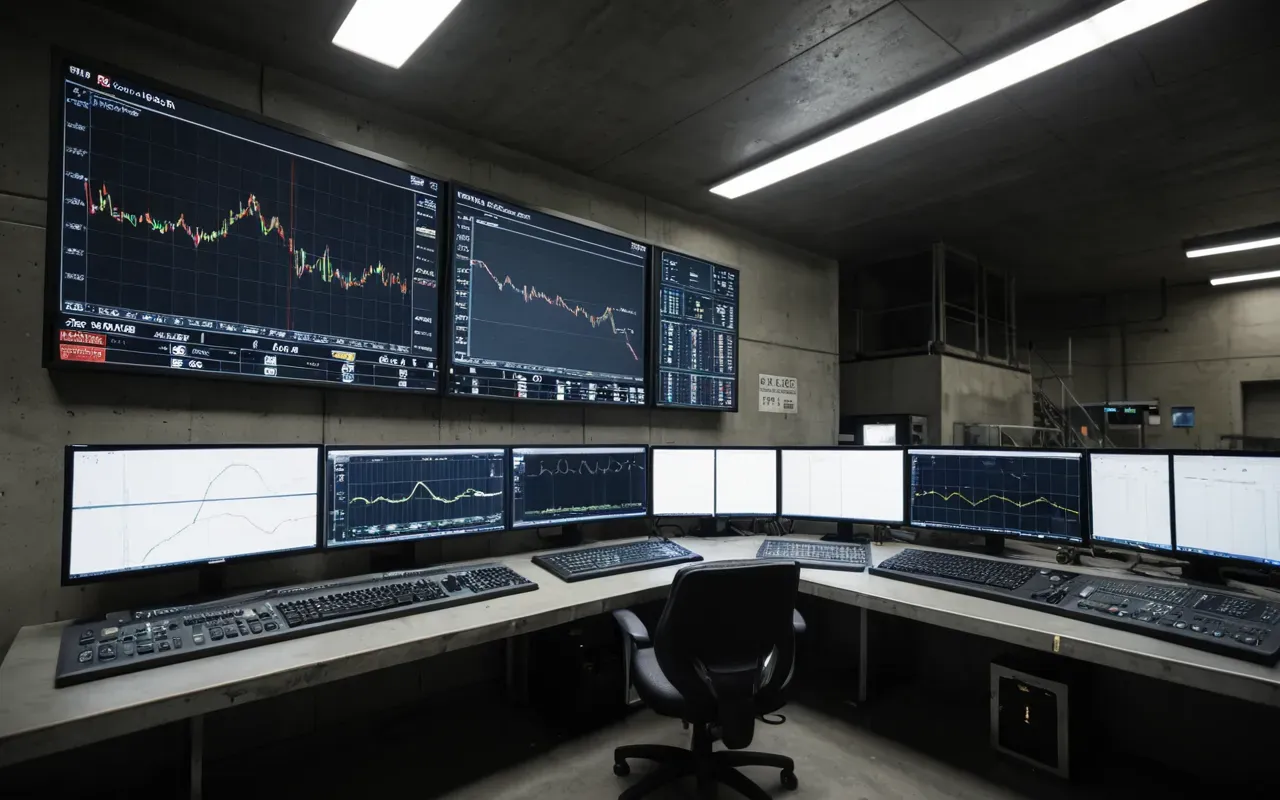
The platform also provides continuous real-time data on production volume and material usage.
And this is where the financial implications get clear. You can see exactly how much cement, aggregate, and water go into every single truck load.
If you notice Plant A is using five percent more cement than the theoretical mix design requires, you have a problem.
That could be calibration drift. It could be theft. It could be operator error.
Without this granular visibility, you're guessing. You're relying on monthly reconciliations that tell you what happened in the past.
But with real-time KPIs, you can spot the drift as it happens. You can stop the bleeding before it costs you a quarter of your annual profit.
I have seen plants lose hundreds of thousands of dollars a year simply because no one noticed that their cement scale was off by two kilograms per batch.
Two kilograms sounds small. Multiply that by ten thousand batches a year and the cost is staggering.
The Command Alkon update turns your batch plant from a black box into a transparent financial instrument.
Who Wins and Who Loses in This New Batching Landscape
This technology creates a clear divide between modern producers and those stuck in legacy modes of operation.
The winners are companies that view their batch plants as integrated systems rather than isolated machines.
They use the remote access features to optimize labor costs. They can run plants with smaller on-site teams because oversight is centralized.
They can respond to peak demand instantly by shifting load from less busy plants.
The losers are those who treat software as an afterthought. They keep hiring more operators to sit in the control room.
They pay for idle labor. They suffer from inconsistent mix quality because every operator has their own habits.
In a market where concrete margins are often thin as paper, this difference is the line between profitability and loss.
The Hidden Cost of Manual Batch Plant Management
Most people don't realize how expensive manual intervention is in a modern plant.
Every time an operator has to walk over to the physical panel and change a setting manually, they're introducing risk.
They might touch the wrong button. They might misread the display because of glare or fatigue.
Remote access reduces these physical interactions. The system enforces logic and limits that human memory often fails to maintain.
It's like the difference between driving a car with manual transmission and one with an automatic gearbox that prevents you from shifting into reverse while moving forward.
The software acts as a guardrail. It protects the process from human error.
Maintenance and Long Term Reliability of Centralized Control Systems
There is a concern about relying too heavily on cloud-based systems. What happens when the internet goes down?
Fair question. But modern batching plants are designed with local fallback protocols.
The critical safety functions remain on the plant floor. The remote access is for optimization and oversight.
If the connection drops, the plant continues to run on its last known good settings or enters a safe mode.
The key is to understand the hierarchy of control. The local hardware always has final say on safety.
The cloud provides the intelligence and coordination that local hardware cannot achieve on its own.
You need both. You need the physical robustness of the plant and the digital flexibility of the network.
How This Changes Your Approach to Concrete Production Efficiency
The implication of this update is that you can no longer hide behind the excuse of lack of visibility.
If your plant is losing money to inconsistent mix quality or poor resource allocation, the data will show it.
The dashboard will highlight trends that point to operational inefficiencies. You cannot ignore a red trend line on your screen.
This forces accountability. It moves the conversation from blame to process improvement.
Instead of asking why that batch was wrong, you ask what setting allowed it to be produced in the first place.
That's a fundamental shift in how you manage your operations. It turns reactive management into proactive control.
The Role of Data in Modern Concrete Plant Management
Data is not just a record of what happened. It is a tool to predict and prevent problems.
Look at your historical production data next to your real-time metrics. Patterns jump out — the ones that keep causing quality problems.
Maybe certain weather conditions correlate with higher water usage. Maybe specific operators tend to over-correct the mix.
That insight is useful. You can adjust training protocols with it, or automate corrections right in the software.
Either way, you get a feedback loop. One that keeps tightening your production quality and consistency over time.
The more data you capture, the smarter your system becomes. The manual approach offers no such learning curve.
The Competitive Edge You Are Missing If You Ignore This Technology
And your competitors? They're already looking at these tools. Some have already implemented them.
They are using remote access to reduce their staffing costs and improve their consistency scores.
So if you are still relying on paper logs and physical presence in the control room, you are at a disadvantage.
The market rewards efficiency. It punishes waste and inconsistency.
Command Alkon's update is a clear signal that the industry is moving toward centralized, data-driven management.
The question is not whether this technology will become standard. It already is for the leaders.
The question is whether you will join them or be left behind with higher costs and lower quality.
Practical Steps to Evaluate Remote Batching Solutions for Your Plant
If you are considering this shift, start by auditing your current pain points.
Where do you lose the most time? Where does your quality vary the most?
Look for a platform that offers true multi-plant visibility. Ensure it has robust security features to protect your data.
Check if the system integrates with your existing scales and mixers without requiring major hardware upgrades.
Test the remote access capabilities under real conditions. Does it work well on a mobile device? Is the latency acceptable?
Talk to other producers who have made the switch. Ask them about their return on investment and any surprises they encountered.
The right tool will fit your workflow. The wrong one will add complexity without solving your core issues.
The Future of Concrete Production is Connected and Centralized
We are moving away from isolated batch plants that operate in silos.
The next generation of producers will run networks of plants that behave like a single organic entity.
They will share resources. They will balance loads automatically. They will learn from every single batch.
Command Alkon's update is a step toward this vision. It gives you the tools to start making that transition today.