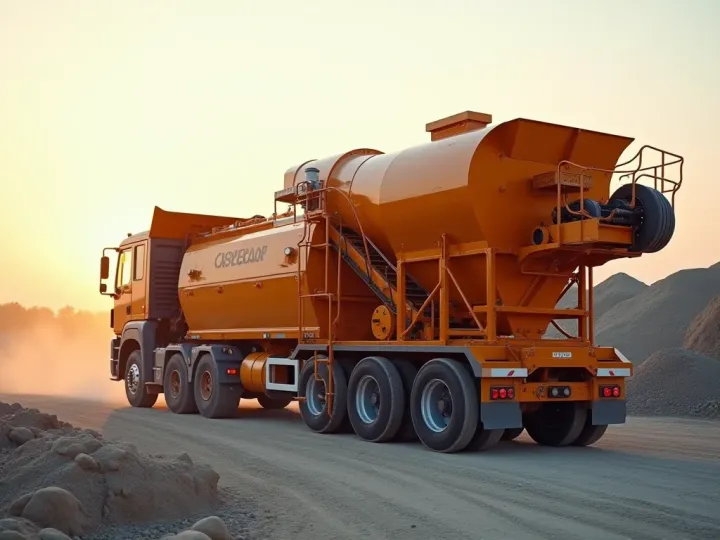
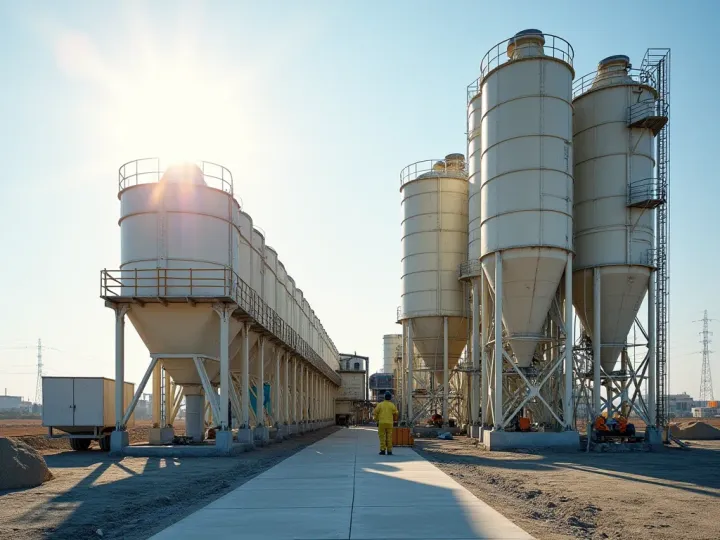
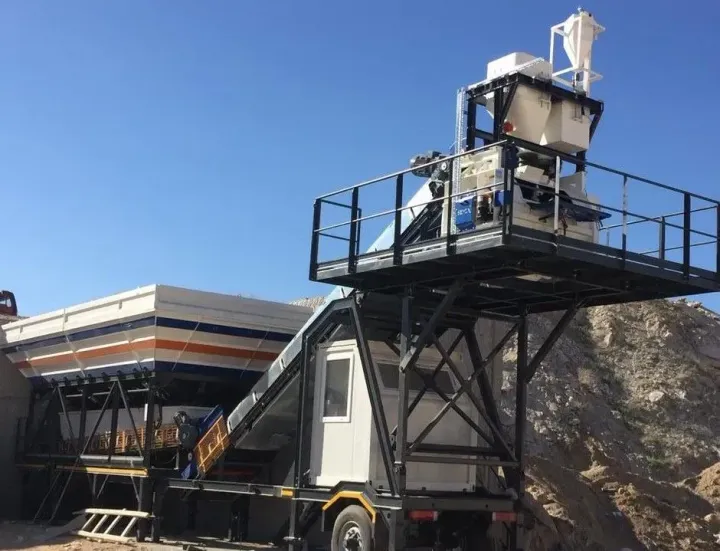
You Can Challenge A Concrete Plant But You Likely Cannot Stop It
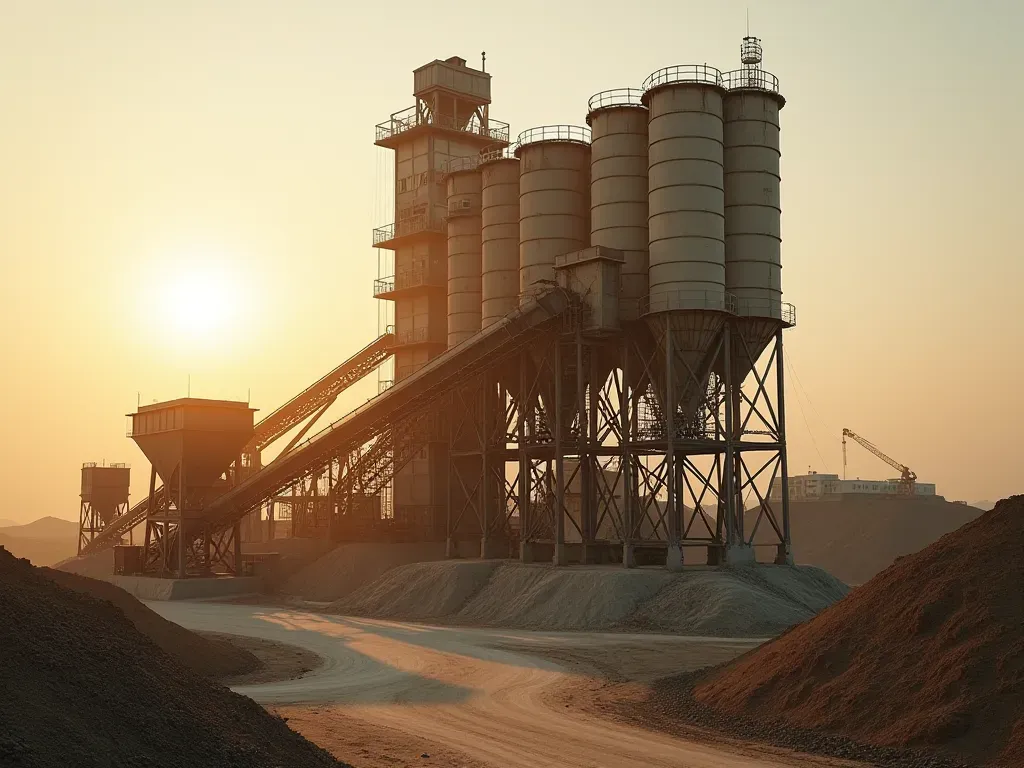
The Dust Cloud You Cannot See Coming
Deirdre Diamond knows the smell. It's a metallic tang, sharp, mixed with dry grit that sticks to the back of your throat. She lives five miles from one of eleven concrete batch plants in Gunter, Texas.
To her, it's just another Tuesday. To the EPA, it's a public health emergency waiting to happen. The particulate matter these plants release doesn't announce itself with sirens.
It sneaks in. It settles on your kitchen table. It lodges deep in the lungs of kids who play outside without knowing better.
I've covered industrial sites before. This one feels different because the enemy is invisible until it stops your breath.
The Law That Lets Them Build Next Door
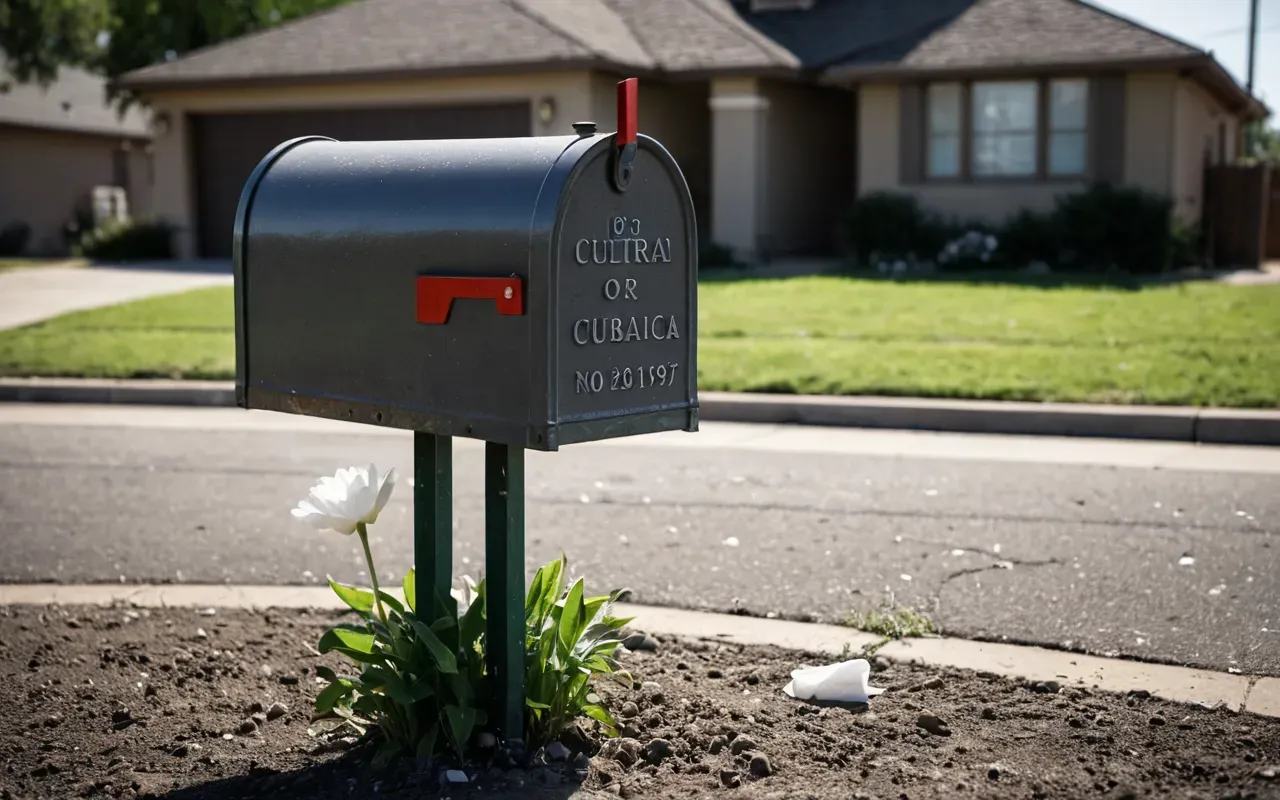
Here's the thing that surprises most people. You are not supposed to be able to stop a plant from opening just because you live nearby.
Under current Texas rules, only residents within 440 yards can request a contested case hearing. That's less than half the length of two football fields.
Live a mile away? You're invisible. Your school is three miles down the road? The law doesn't care.
Diamond home-schooled her six children because of this gap. She couldn't trust the air in their classrooms.
This is why concrete plants next to schools might actually be legal in Texas. The statute favors the permit holder over the parent.
Why Four Hundred Yards Is Not Enough
Wind doesn't check a map before blowing dust. A gentle breeze carries particulate matter far beyond the legal boundary.
The Texas Commission on Environmental Quality admits this. They test individual plants in isolation.
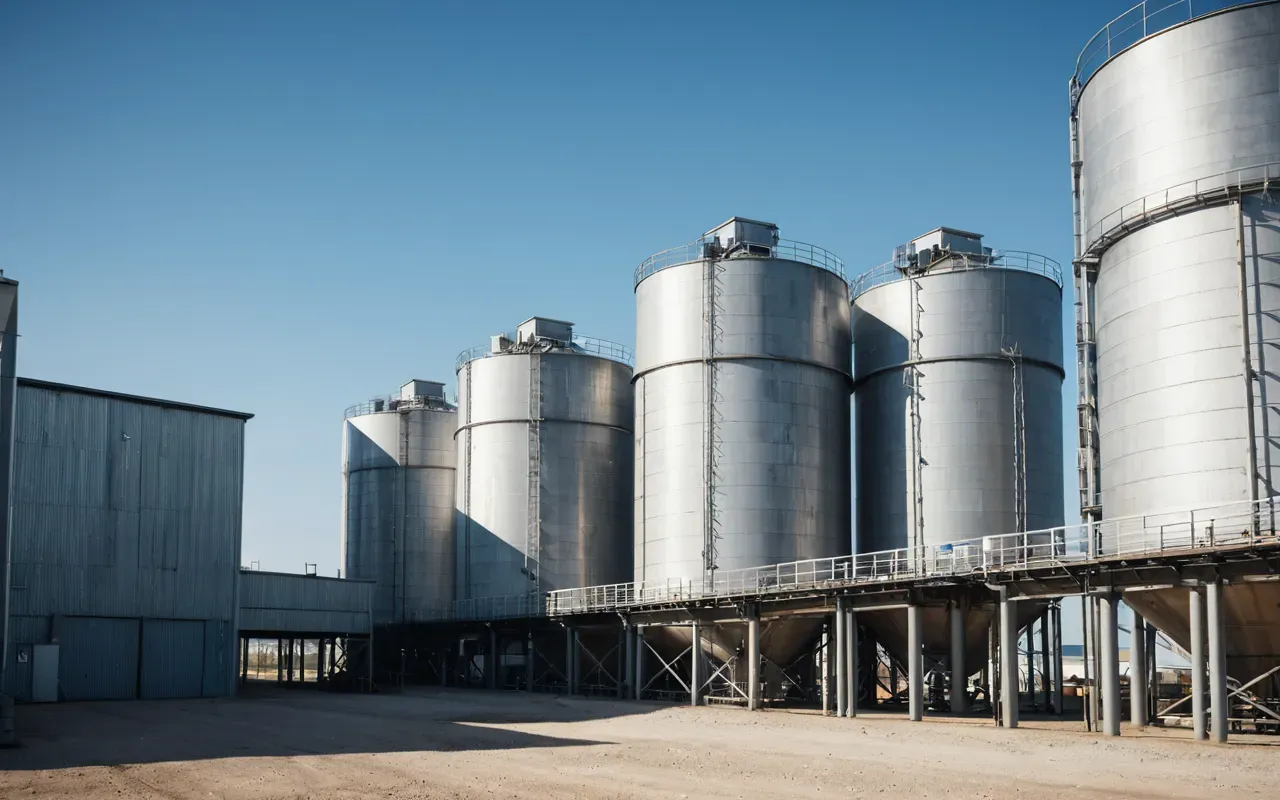
But Gunter has eleven plants. Dallas has thirty-eight. The cumulative impact is what kills the argument for safety.
One plant might meet the limit. Eleven plants together exceed it by a wide margin.
The New Rules That Change Everything
In early 2023, TCEQ proposed a major amendment. It was the first update to air quality standards in ten years.
Residents showed up. They brought data. They brought their children's asthma records.
The agency said it would review the comments. But did they actually listen? That's the question that keeps me up at night.
The proposed changes tighten limits on new plants. They don't touch the old ones.
If you're a homeowner in Gunter today, the new rules don't help you. The plants are already there.
What This Means For Your Property Value
Real estate agents won't tell you this. A concrete plant within a mile radius drops home values by up to fifteen percent.
Buyers know. They smell the dust before they sign the contract.
This is why Texas regulators approved a concrete plant you can challenge but probably cannot stop. The financial incentive for developers is too strong.
The Hidden Cost Of Inaction
Healthcare costs rise. Insurance premiums go up. The community pays for the dust with its own wallet.
It's a tax on breathing. And it only falls on the people who live closest.
The Technology That Could Save Your Lungs
We keep talking about regulations. But what if the plant itself changed?
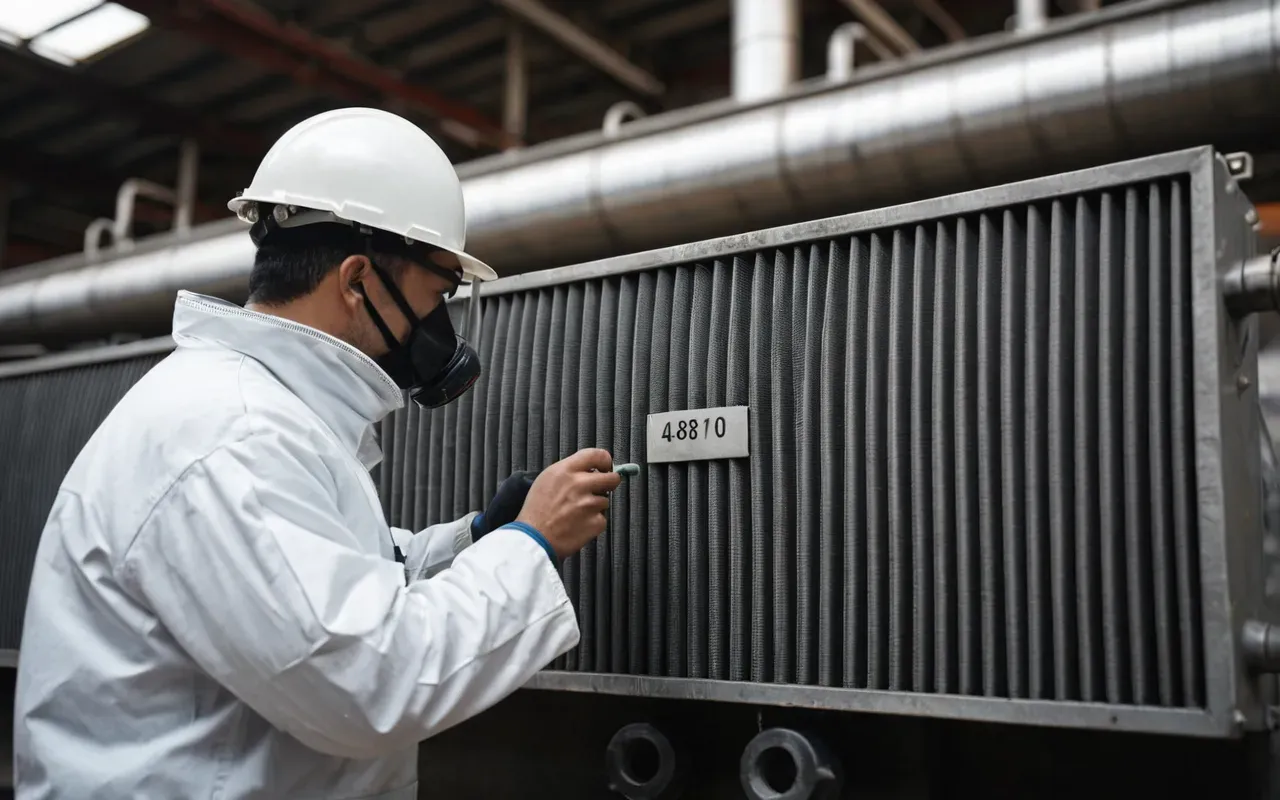
Modern batching plants can use sealed systems. They capture dust at the source before it escapes.
The technology exists. It's not new. But it costs money.
Operators choose cheaper methods to stay profitable. That's the core problem.
How AI Is Changing The Game
New systems use artificial intelligence to monitor air quality in real time.
If dust levels spike, the system automatically shuts down the mixer. No human needed.
This is a game changer for communities like Gunter. It removes the human error variable.
Check out how AI feed systems are eliminating mistakes in concrete batching. The same logic applies to safety controls.
Who Wins And Who Loses In This Battle
The developers win. They get permits. They build. They profit.
The state wins too. New taxes come in from the construction boom.
The residents lose. Their health is on the line. Their property values drop.
But there are winners among the residents who fight back. They gain leverage.
Groups like Gunter Clean Air are forcing the conversation. They're changing the narrative.
The Political Angle Nobody Talks About
Lawmakers are watching. They know these communities vote.
Bills have been filed to expand the hearing distance to eight hundred yards.
If these pass, the power dynamic shifts. Residents get a seat at the table.
It's not just about dust. It's about who has a voice in decisions that affect their lives.
What You Can Do Right Now
If you live near a plant, don't wait. Check your local TCEQ records.
Look for pending permits within ten miles. The dust travels further than you think.
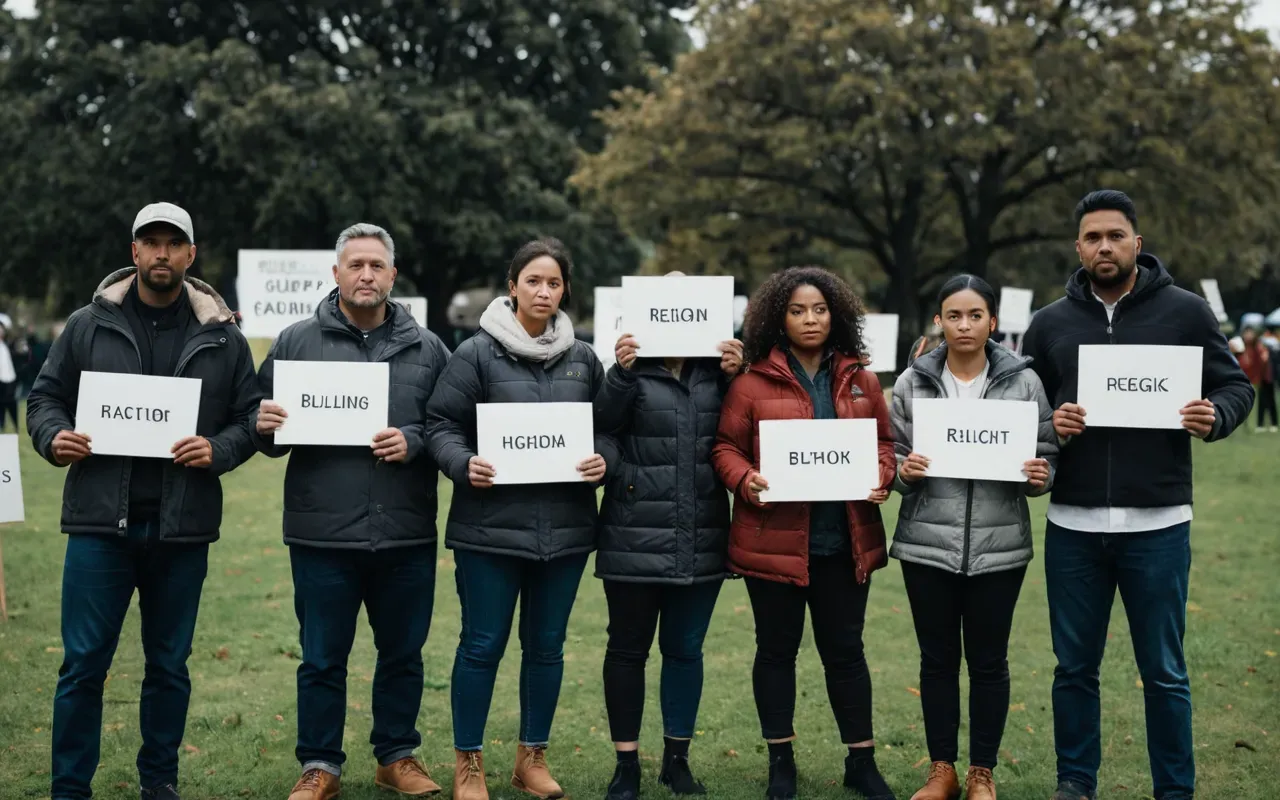
Attend public meetings. Even if you're not within the legal distance, your presence matters.
Document everything. Take photos of dust on your car. Keep a log of bad air days.
Connect with local groups. You're stronger together.
The Role Of Community Data
Personal air monitors are cheap now. Buy one. Track your own environment.
Share the data with neighbors. Build a collective record that regulators can't ignore.
This is how you change the rules. With facts and numbers that tell your story.
The battle is not over. It has just begun.