Texas regulators approved a concrete plant you can challenge but probably cannot stop
The permit is granted but the fight has just begun
Imagine moving into a home with your new baby and then discovering there's a massive industrial plant twenty yards from your front door. That's the reality Sean Ashman lives with in Rendon, Texas.
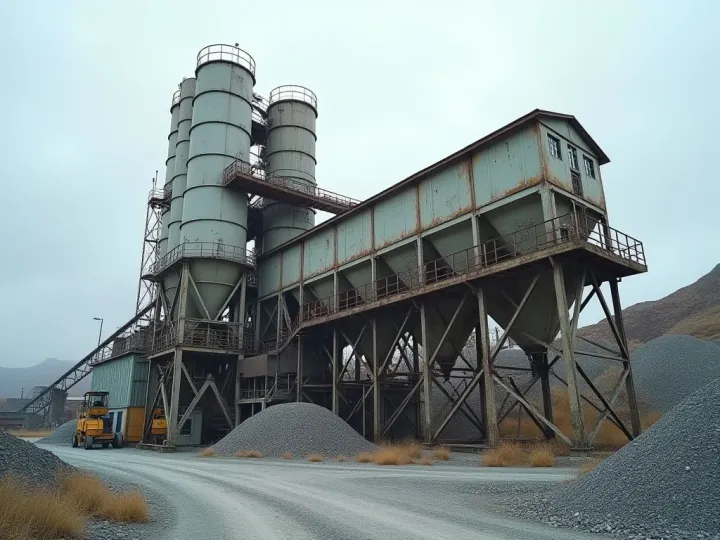
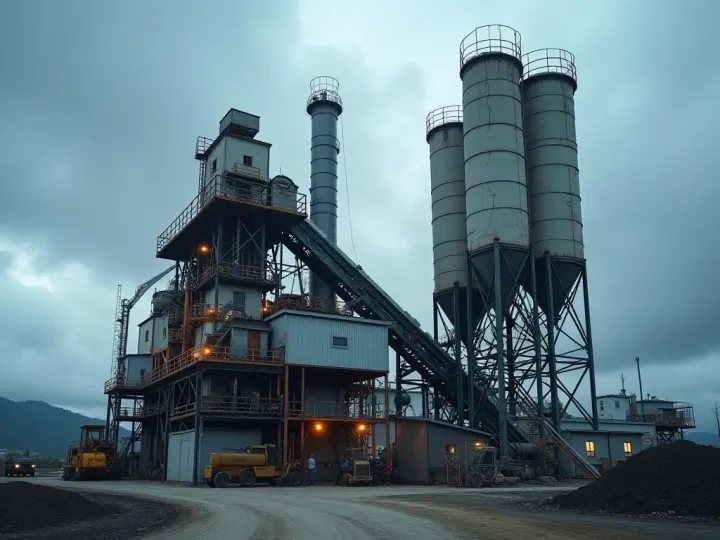
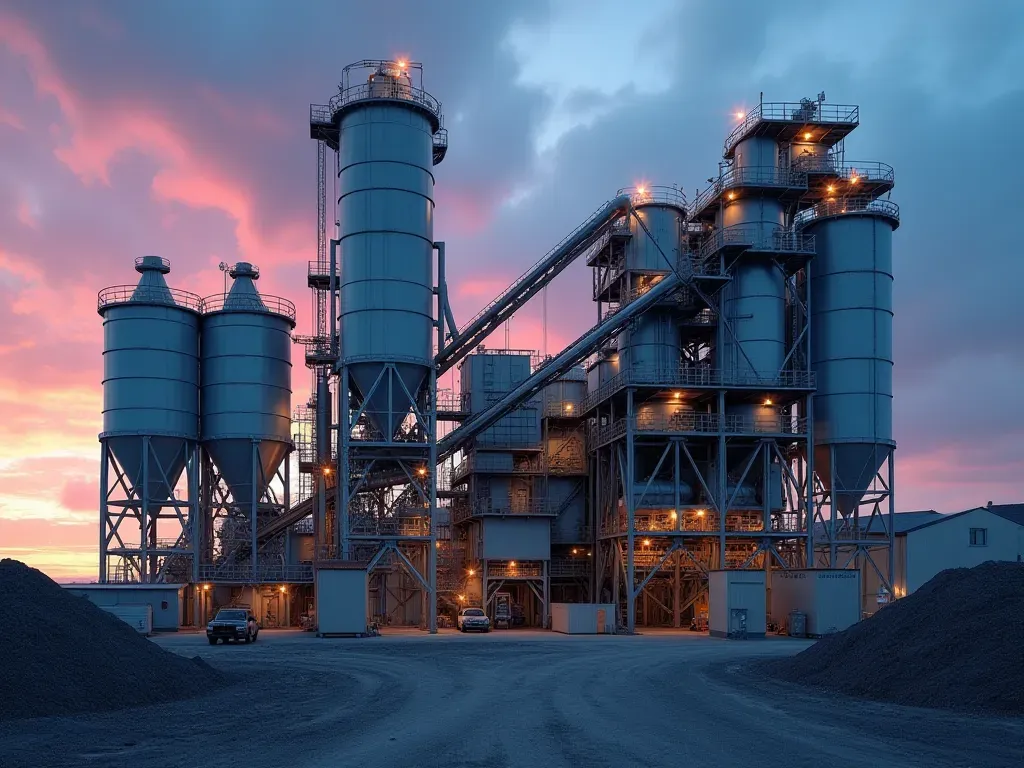
Texas regulators just gave preliminary approval to J7 Ready Mix. That move signals the bureaucratic machine is essentially done, even though local resistance has been fierce.
The approval came after nearly two years of back-and-forth. Residents packed event centers with hundreds of protesters demanding the project be scrapped.
But here's the thing. The legal path for residents to stop this now is incredibly narrow and technically restrictive.
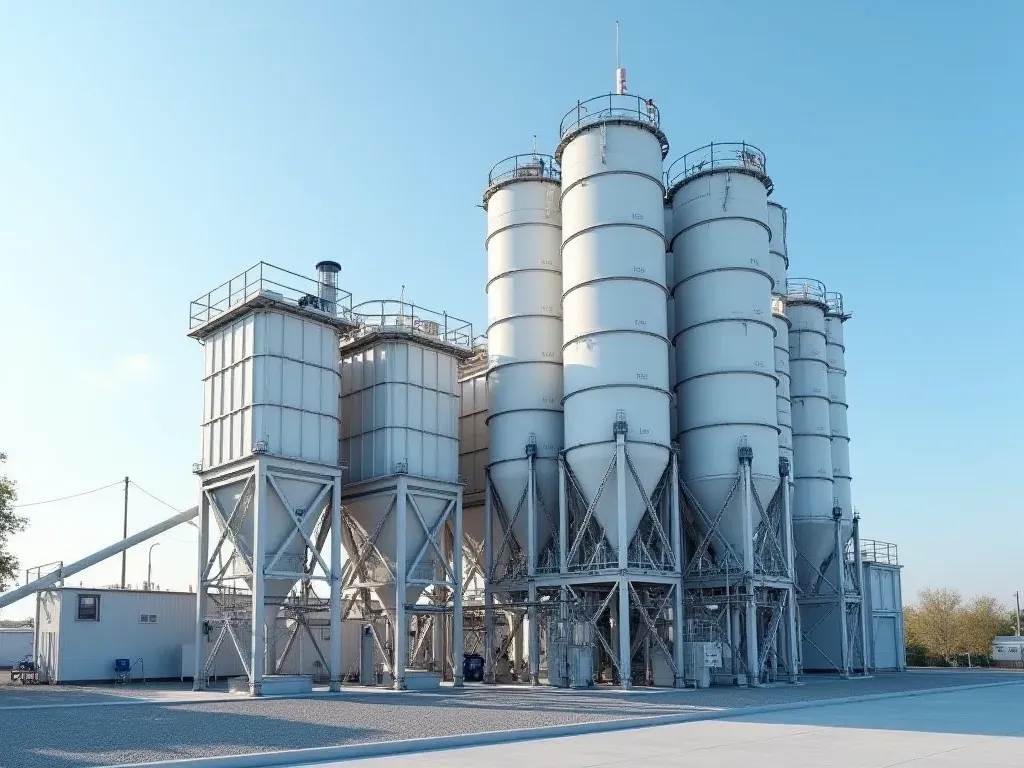
Why the legal barrier is so impossibly high for locals
Most people assume they can file a complaint and get a fair hearing. In this specific case, that assumption is dangerously wrong.
Only residents living within four hundred and forty yards of the site can request a contested case hearing. That geographic restriction locks out most neighbors who are actually affected by dust.
Even if you live close enough, there's another catch. You must have submitted comments on the permit previously to qualify for this hearing.
Brandon McElroy from Rendon is one of the few who qualifies. He plans to resubmit his request but warns that many others have been accidentally locked out.
This creates a scenario where the people most impacted by daily emissions might not have legal standing to challenge them in court.
The confusion over who actually has the right to speak
McElroy describes calling state agencies and getting zero answers. He feels the staff turnover has created a maze that residents simply cannot navigate.
It's not just about being loud at meetings anymore. It's about meeting strict procedural deadlines that many ordinary citizens miss.
The deadline for these requests was tight. Residents had to act quickly or risk losing their chance at a formal review.
The health fears that regulators say are fully protected against
Sean Ashman and his fiancée moved to the area in April of last year. They loved their home until they saw the signs about the plant.
With three teenage children and a baby on the way, their concern is visceral. They are terrified of particulate matter affecting infant lungs.
The EPA states that inhaled particles can cause asthma and heart problems. This is not a hypothetical risk for families with young children.
Regulators claim the permit requirements are protective of human health. They point to dust suppression and distance rules as sufficient safeguards.
J7 Ready Mix co-manager Richard Mayhew says the plant will use low-emission cement. He believes the controversy is largely unfounded and exaggerated.
To be fair, modern technology does allow for better emission control. But residents argue that proximity to schools and homes still poses a unique danger.
Why the state says it has no power over plant location
Residents complained about the plant being near restaurants and schools. The commission said it does not have jurisdiction over site placement.
This means the state only cares about emissions levels. It does not care how close those emissions get to a playground or a dining patio.
Jeralynn Lee Cox suggested adding more air monitors. Staff said costs and constraints prevent placing them specifically for this industrial site.
This leaves a gap between regulatory approval and community comfort. The rules are met but the peace of mind is not.
This is not just one plant but a pattern across the region
The Rendon case is part of a larger wave. Dozens of residents have protested similar projects near Lake Worth and in south Fort Worth.
City council members are getting involved. They are urging state regulators to deny permits for plants near sensitive areas.
One council member asked a company to apply for a temporary permit instead. This would allow for more scrutiny and shorter operational windows.
The demand for concrete in the growing region is high. This creates pressure to approve new facilities quickly despite local pushback.
If you are curious about why Houston parents are fleeing this concrete plant while regulators look away, the context is similar.
The tension between industrial growth and residential health is a defining issue for this area. It requires constant vigilance from residents.
The technology behind the promise of clean concrete production
J7 claims they use tools to control dust. Modern batching plants can be quite efficient in managing emissions if properly maintained.
However, technology only works as well as the oversight. If maintenance lapses or if demand spikes, equipment can fail to contain dust.
The state relies on self-reporting and periodic checks. This is a risky model for highly sensitive residential areas.
For those interested in how innovation in concrete batching is reshaping sustainable construction, the gap between promise and reality remains wide.
We need to ask if current regulations are actually enough. The preliminary approval suggests the state thinks they are, but residents disagree.
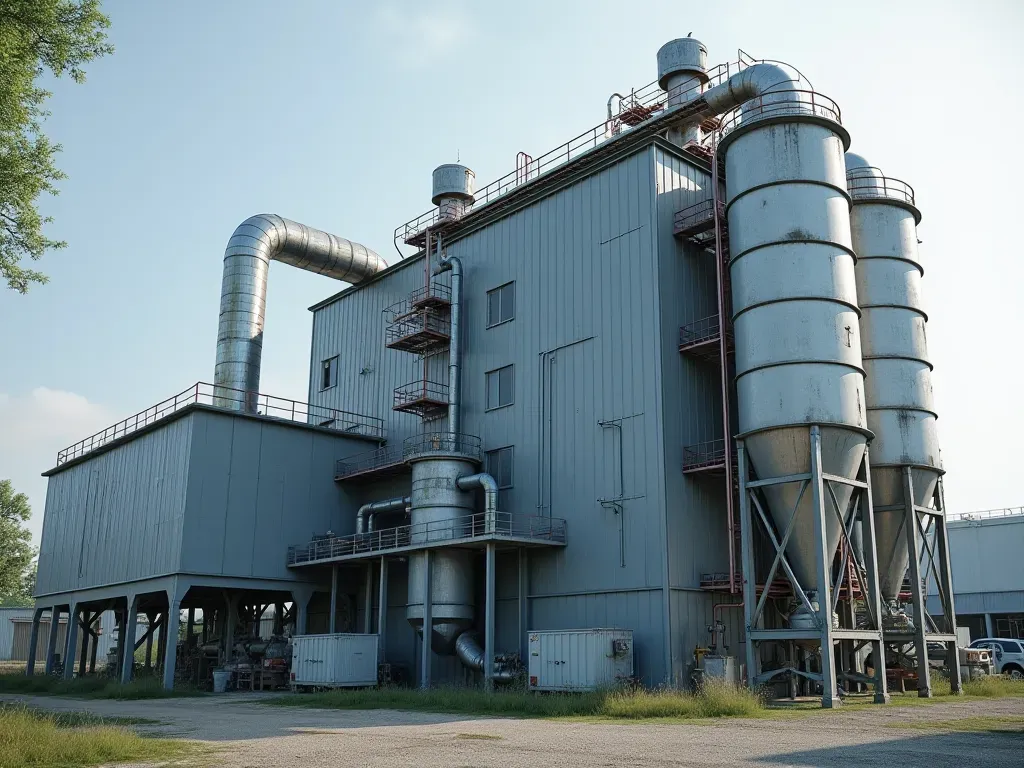
What happens next and why your voice still matters
The permit will go before three commissioners for final approval. This is the last chance to influence the outcome through formal channels.
If approved, the plant will operate at its Burleson location. Residents like McElroy are preparing for a legal battle that could take years.
Green Air Solutions raised thirty thousand dollars to fund this fight. This shows how much personal capital is at risk for these families.
The outcome here will set a precedent. It will determine how easily industrial projects can proceed over local objection in this region.
We are watching closely. The balance between economic growth and public health is tipping, and this case shows exactly where the fault lines lie.