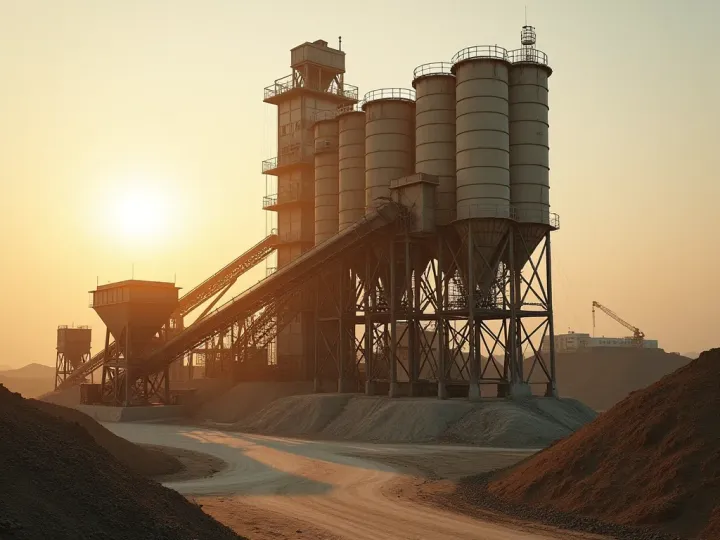
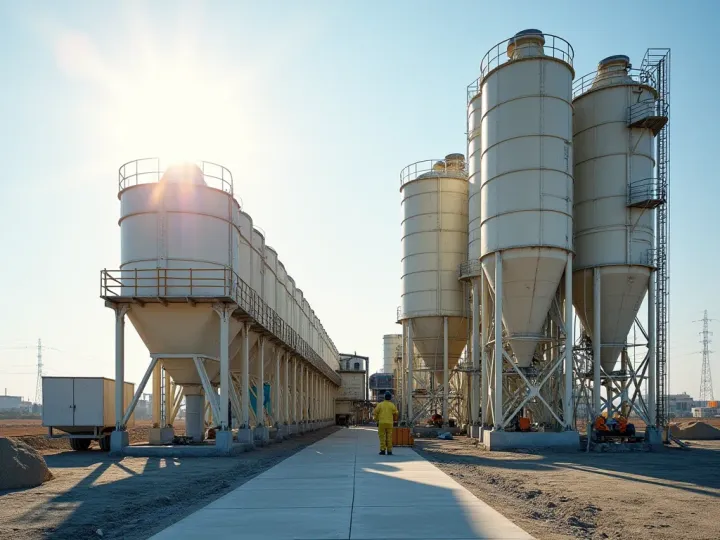
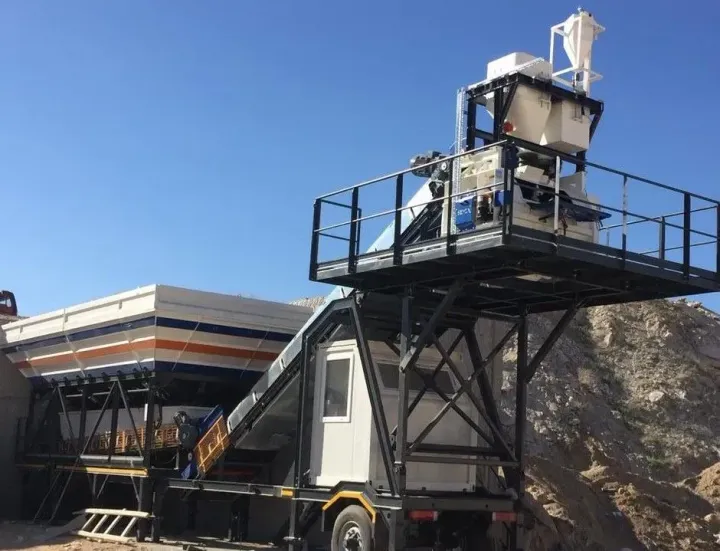
The batching plant mistake that costs you more money every single day
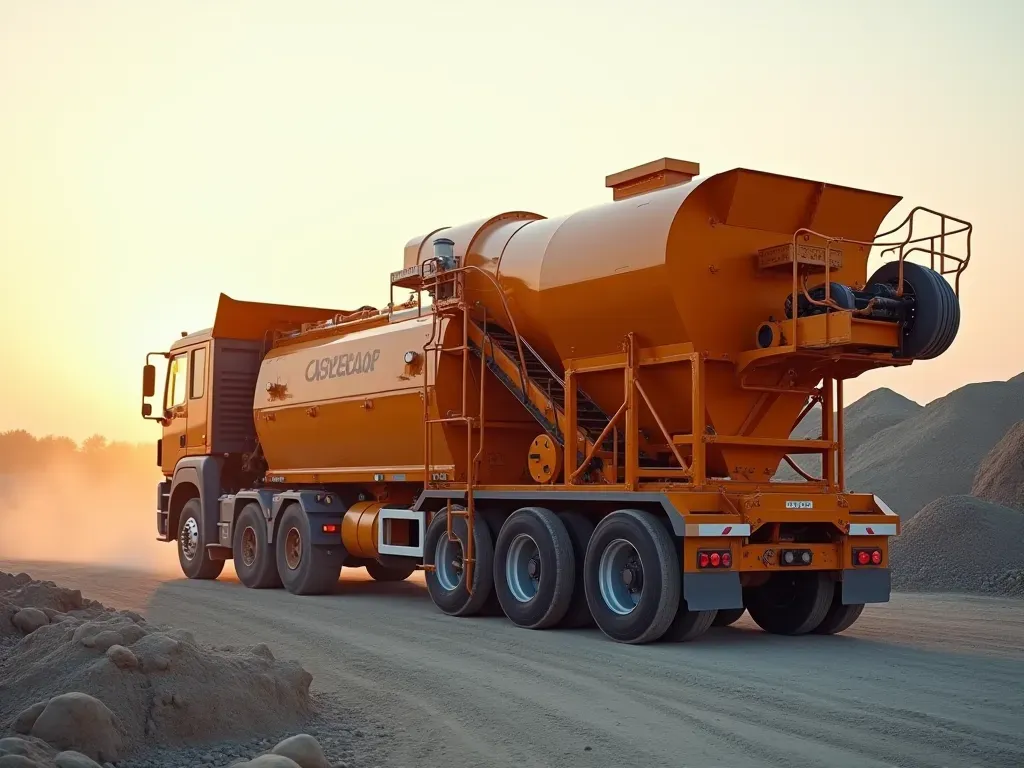
The invisible leak draining your budget right now
Most contractors treat their concrete supplier like a commodity. That's a mistake. I've watched projects where the mix showed up right on time, and the cost still ballooned forty percent over what anyone expected.
The problem isn't the price of cement. It's the plant. A fixed batching station sitting idle for three hours a day burns money you won't see on any invoice, but you'll feel it in your margin.
This isn't some abstract concern. Last year, I watched a mid-sized contractor in the Midwest bleed two hundred thousand dollars because their supplier was running outdated hopper sensors. The pattern is clear, and it keeps pointing back to one piece of equipment.
Why the closest facility might be your biggest risk
Everyone tells you to check distance first. But proximity becomes a trap when you ignore throughput data. A plant five miles away with single-shaft mixers is going to choke under peak demand.
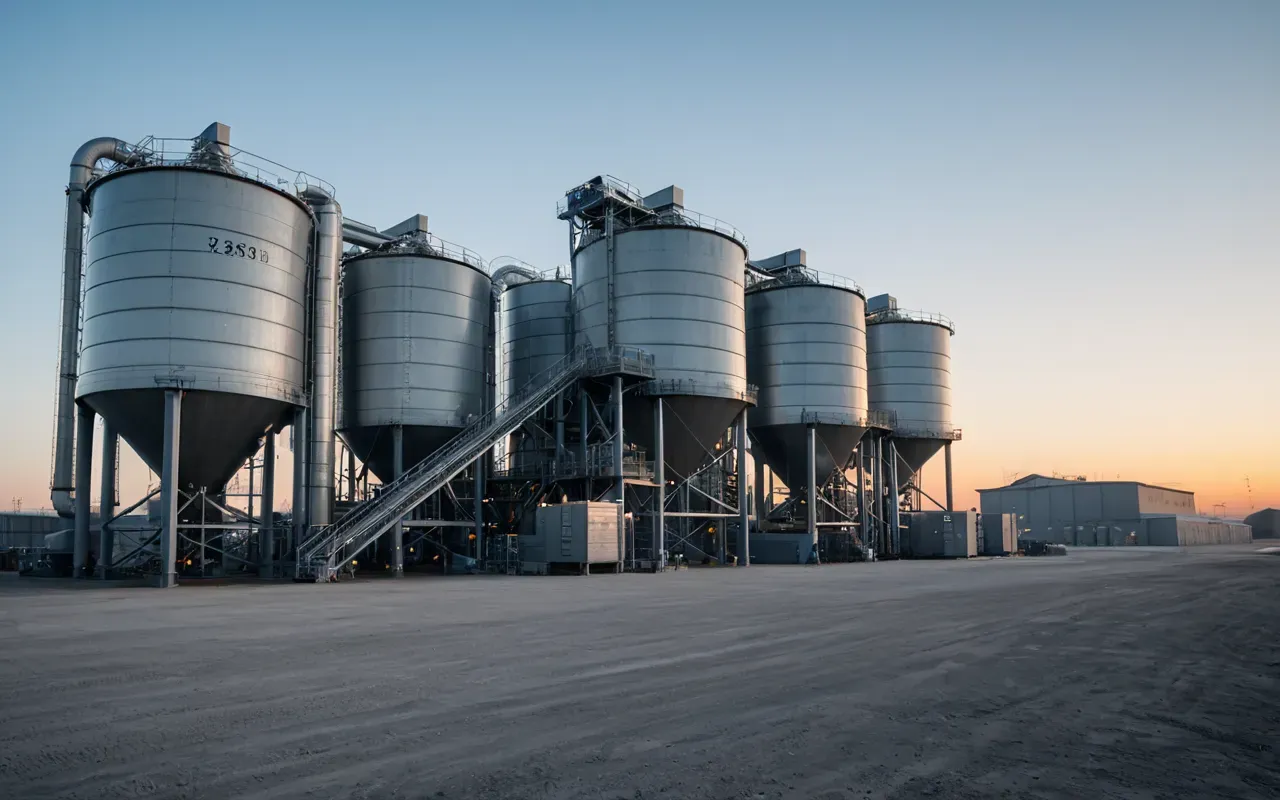
I audited three suppliers for a highway project once. The one we picked sat fourteen miles farther than the others. But their twin-shaft mixers turned out consistent batches in under ninety seconds.
That speed changes everything. A waiting pump truck means fuel costs spike and schedules slip. The numbers are brutal and simple: every minute of delay adds roughly forty dollars to your operating cost.
The hidden cost of single shaft mixers in 2026
Single-shaft units look cheaper upfront, but they wear out faster. I've seen seals fail within eighteen months on plants running heavy aggregate mixes.
Twin-shaft systems handle the same load with half the stress. Sure, they cost more to buy. But over five years, the maintenance savings typically cover that difference twice over.
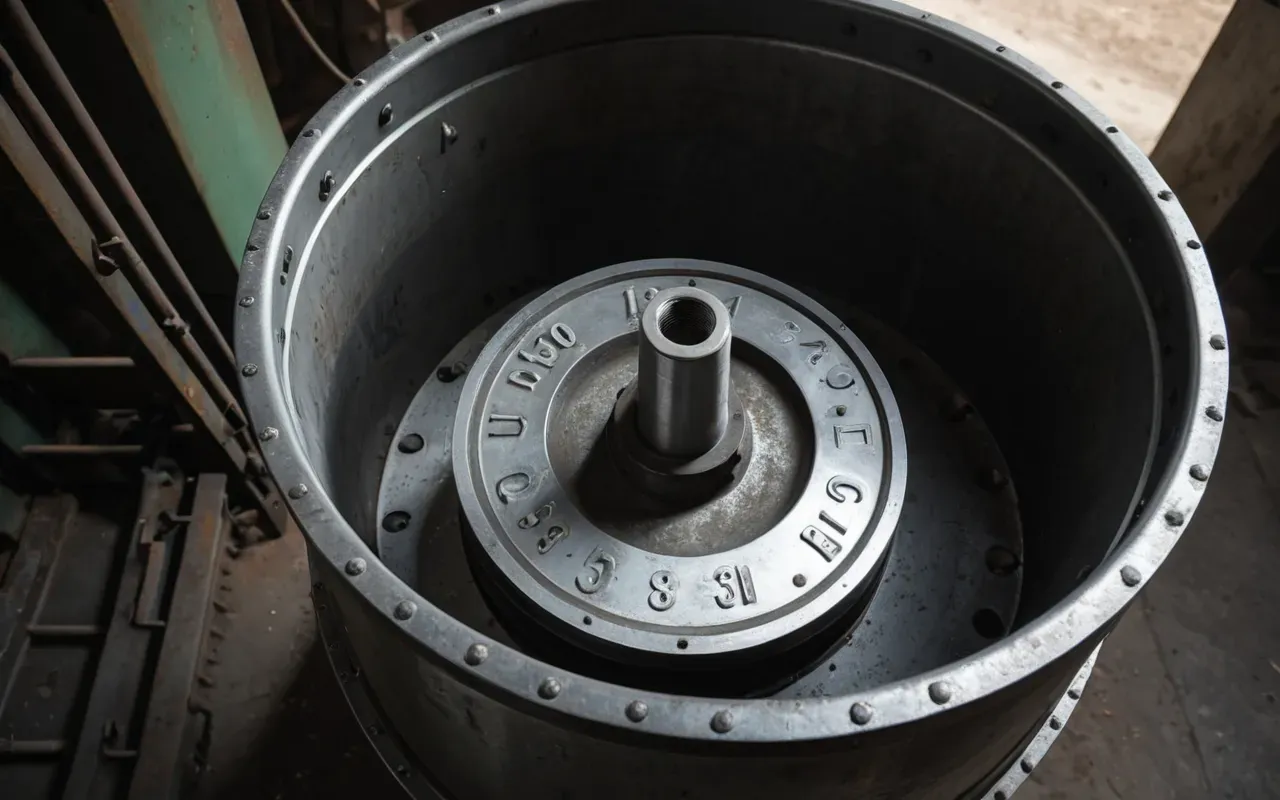
Downtime is the real killer. A single-shaft plant that breaks down on a Friday afternoon can stall your whole site until Monday. That gap wrecks momentum and morale.
What the local suppliers are not telling you about their tech
Walk into a typical batching yard and you'll see screens flashing batch numbers. That's it. No variance data on water content or aggregate moisture.
The data gap between old and new control systems
Modern plants use load cells that adjust in real time. Old ones rely on timers and crossed fingers. The difference is consistency, and consistency translates directly to structural integrity.

I remember one site where the mix ran too wet because the moisture sensor was calibrated poorly. We fixed it in a single day and saved the project from cracking issues later.
Demand access to their batch logs before you sign anything. If they hesitate, walk away. That hesitation reveals everything about their operational standards and reliability.
The mobile unit advantage that fixed sites cannot match
Fixed plants carry a huge footprint and heavy overhead. Mobile units can deploy in forty-eight hours with minimal civil works to set up.
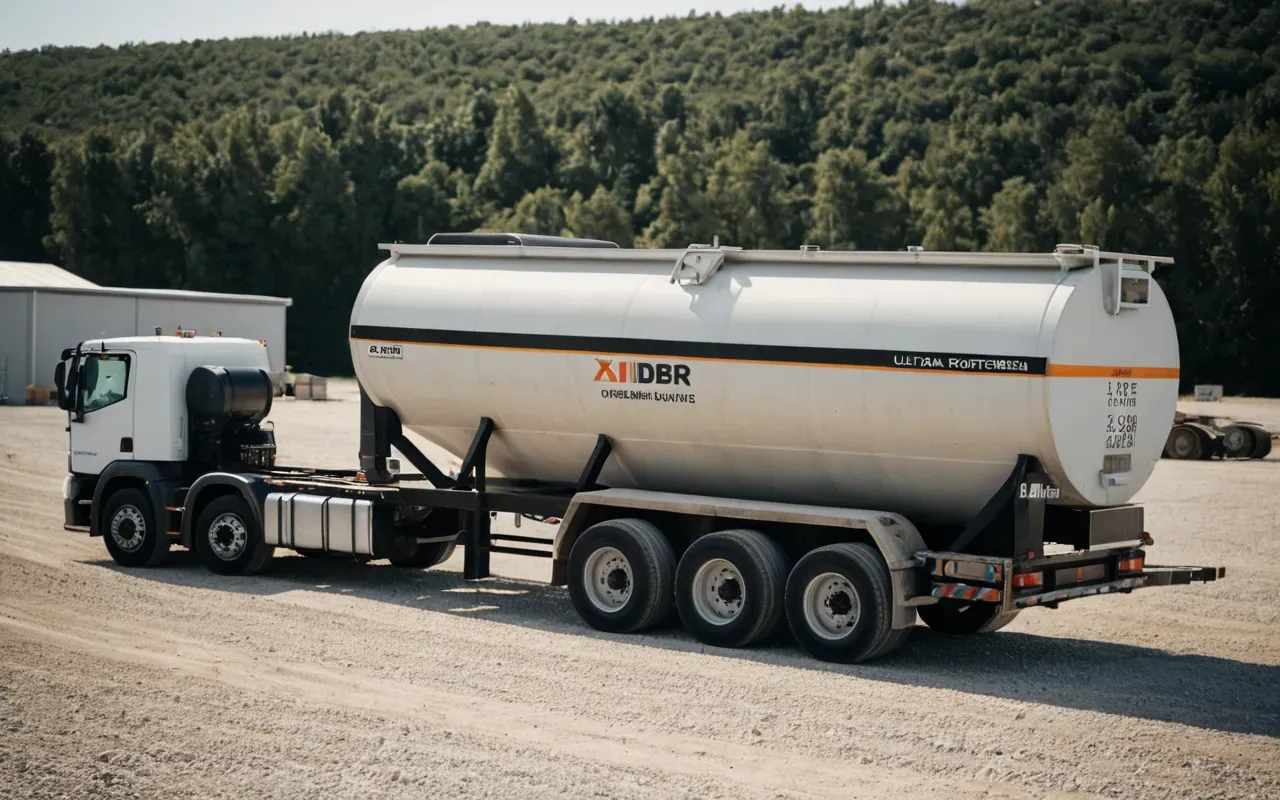
That flexibility changes your whole supply chain thinking. Instead of depending on a distant hub, you can put production right next to the work zone.
How mobile setups reduce transportation waste significantly
Concrete is perishable. The longer it sits in transit, the more risk you take with setting time and structural quality.
Cut the transport distance to nearly zero with mobile units, and that risk disappears. You save on fuel, driver costs, and the stress of tracking a delayed truck.
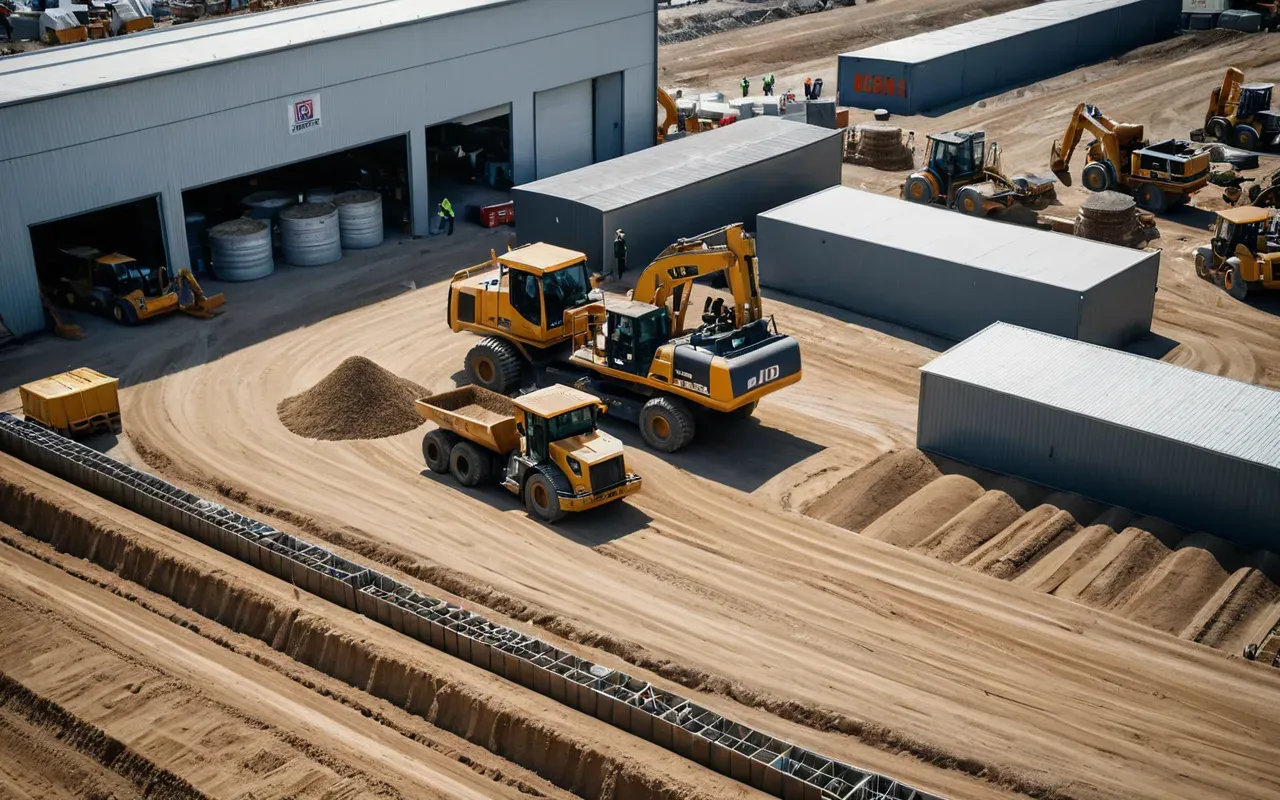
We measured this on a bridge project last spring. The mobile setup cut average delivery time by seventy minutes per batch compared to the fixed supplier we replaced.
How to verify efficiency before you commit your budget
Don't trust marketing brochures. Ask for their average uptime over the last twelve months and compare it against the industry benchmark of ninety five percent.
The three questions that expose a weak supplier immediately
First, ask about spare parts inventory. A dependable plant keeps critical components on site to avoid multi day repair delays during peak season.
Second, request a sample batch log from last month. Look for consistent water to cement ratios across all entries, with no manual adjustments scribbled in the margins.

Third, ask who maintains the software. If it's an external IT firm that stops by once a quarter, you've got a single point of failure for your entire production line.
The future proofing strategy for modern construction sites
Technology moves faster than most operators can keep up with. I recommend choosing suppliers who invest in automated calibration tools to stay ahead of regulatory changes.
Why sustainability is now a key efficiency driver
Older plants waste aggregate and water constantly. Modern systems track every kilogram used, which helps you meet strict environmental standards without penalties.