Why Your Concrete Pour Is Secretly Talking To The Cloud And Why Contractors Are Terrified

The End Of Guesswork In Concrete Pouring
For decades, we've treated concrete like it's frozen in time. Mix it. Pour it. Cross your fingers and wait days to find out if it actually holds.
That era is over. I'm talking about a quiet shift happening right now, inside the forms themselves.
Picture a building that tells you the exact moment it's safe to strip the scaffolding. No calendar math. Just real-time data streaming from deep within its structure.
This isn't a sci-fi pitch. It's already happening in Copenhagen, at the Cactus Towers.
Why Traditional Methods Are Costing Millions In Wasted Time
Think about how we used to operate. Builders relied on handwritten logs and gut instinct to judge strength maturity.
So they waited the maximum safe window, just to be sure. That means pricey formwork sits idle for days longer than it ever needed to.
Every single day those forms stay put, money is quietly bleeding out of your project budget.
Inside The Cactus Towers Experiment With Embedded Intelligence
The Cactus Towers aren't just tall buildings. They're architectural puzzles — twisted hexagonal cores, pointed facades, nothing standard about them.
Rebecca Crowe from Sigfox Spain told me the technical challenge was brutal. One tower stands sixty meters high.
The other reaches eighty meters. Both have forty-nine five apartments, demanding a level of precision that leaves zero room for error.
Getting that twisted shape means perfect command over the concrete formwork. Cooling matters enormously for quality.
Skip real-time monitoring of the concrete's condition, and you're gambling with structural defects or ugly, unacceptable finishes.
How Thermocouples And The Cloud Changed The Game Completely
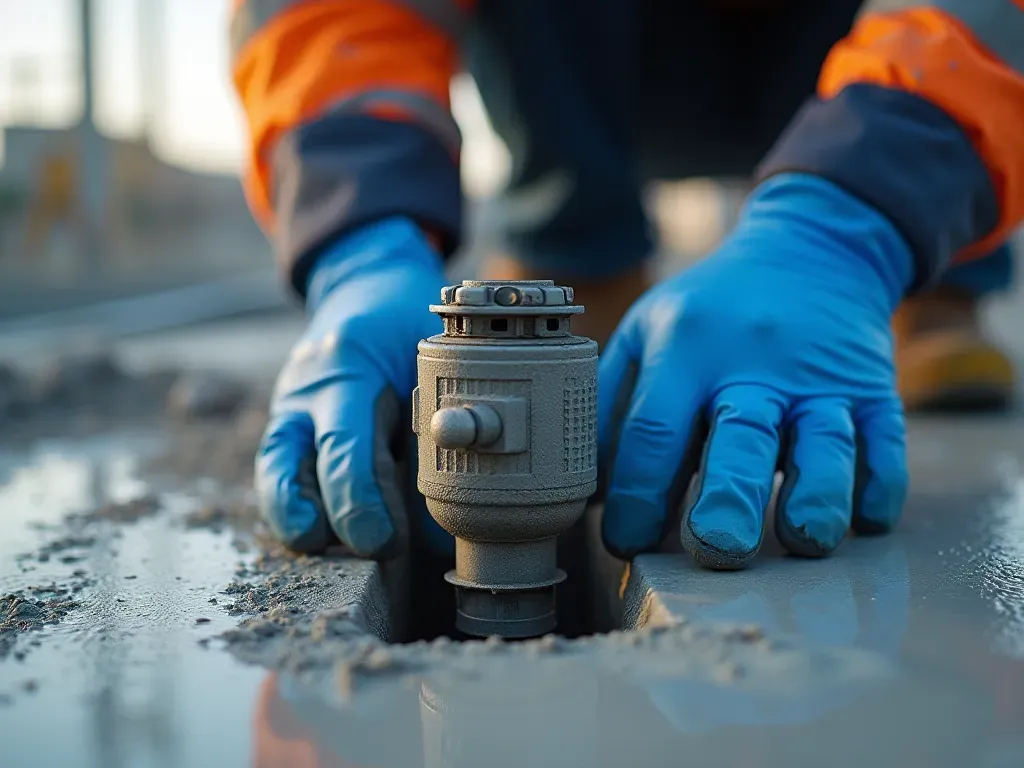
The builders turned to a solution from Maturix. It embeds thermocouples directly into the structure.
These aren't ordinary wires. They beam data wirelessly to the cloud using Sigfox's zero-G network technology.
The software crunches maturity and strength calculations from historical data instantly. No more waiting around for lab results.
Project managers can make adjustments on the fly. For organization, that's a massive win.
Understanding The Zero-G Network Advantage For Remote Sites
Why pick a specialized radio tech like Sigfox? Because cellular networks choke in deep concrete pours or remote job sites.
Zero-G sips power. It covers long distances without SIM cards or heavy infrastructure.
That scalability is essential when you've got hundreds of sensors dumping data all at once.
The Sustainability Angle Nobody Wants To Admit Is Actually Simple Math
Let's talk about waste. Concrete remains one of the most-used materials in construction across the globe.
When you over-engineer a mix because you lack data, you burn extra cement. And cement production is carbon heavy.
Real-time data means you use exactly what the structure needs. Not a gram more.
This isn't greenwashing. It's pure efficiency, driven by accurate telemetry.
Who Wins When Construction Goes Fully Digital And Connected Forever
Architects win. They get the complex shapes they dream about without structural fear holding them back.
Contractors win too. They strip forms earlier and reuse equipment faster on tight schedules.
But who loses? The old guard clinging to paper logs and gut feelings is getting left behind fast.
If you're not using data to verify strength today, your margins will shrink tomorrow.
Integrating Smart Sensors Into Modern Batching Plant Operations Today
And this tech doesn't stop at the pour site. It transforms how batching plants operate.
If you manage a Mobile 60 S4 Concrete Batching Plant, think about the speed advantage.
Precise mix designs informed by real-world performance data mean less rework and higher output.
Efficiency is the name of the game in modern heavy equipment and innovative batching technology.
Addressing The Hidden Flaws In Conventional Batching Systems Now
So many plants still wrestle with calibration drift and inconsistent materials.
IoT sensors create a feedback loop that traditional systems simply can't replicate.
This connects directly to why overlooked batching technology flaws could derail future projects if ignored.
You need visibility into every stage, from mixer to pour.
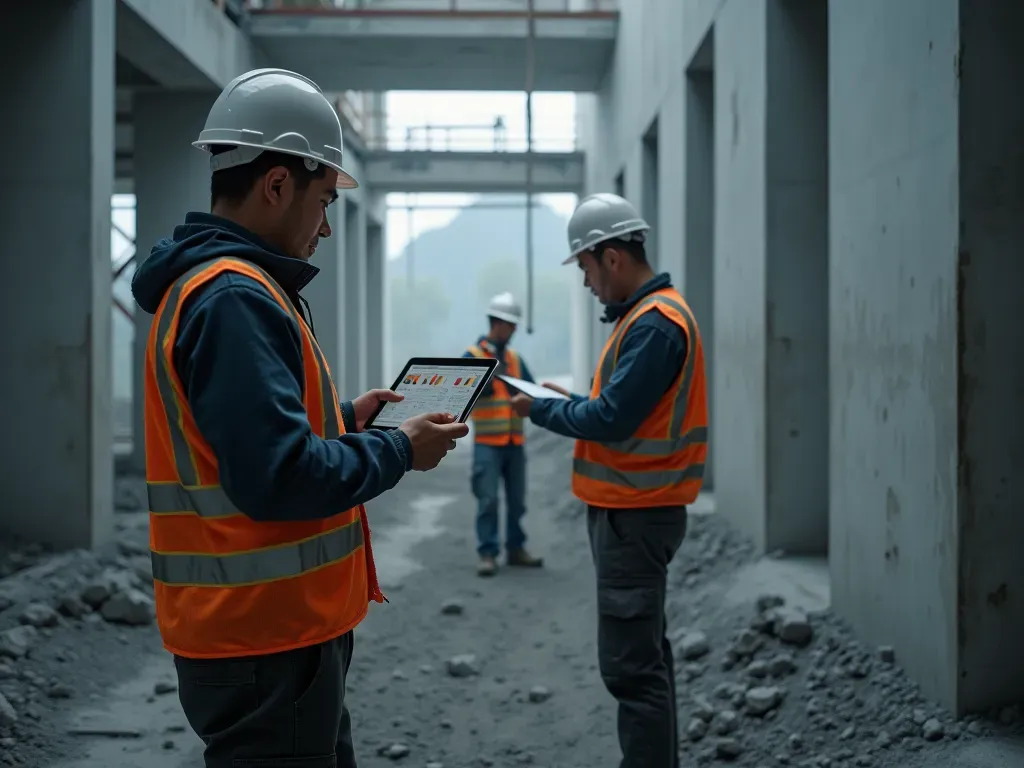
The Real Impact On Formwork Removal Timing And Safety Margins
Safety margins are usually padded with huge buffers. Sensors shrink those buffers safely.
You strip when the concrete is ready. Not a minute before. Never an hour after.
That precision saves labor hours that stack up massively on large commercial projects.
Looking Ahead: The Inevitable Future Of Connected Concrete Infrastructure
Rebecca Crowe believes construction is undergoing a genuine revolution with the arrival of IoT.
Sustainability has become a pillar of business. Not just a commercial slogan anymore.
Data on resistance helps save resources. It keeps buildings in good condition longer.
This is especially vital for bridges and tunnels that take regular structural damage.
Why Analog Toggles Might Still Have A Place In Hybrid Systems Soon
Don't throw out everything old. Sometimes simple analog toggles save thousands.
Reliability matters. You need redundancy when dealing with critical structural elements.
The best approach combines robust hardware with intelligent software analysis layers.
It's about balance. Too much tech can overwhelm crews if not implemented carefully.
Final Thoughts On Transforming Concrete Production With Data Driven Decisions Daily
The Cactus Towers project proves this works at scale. It's not a lab experiment.
Efficiency in concrete production is no longer optional. It's a survival requirement.
As we see innovations in heavy equipment, the gap widens.
Those who ignore sensor data will find themselves bidding against competitors with lower costs.
The revolution is here. Your concrete wants to talk back. Are you listening closely?