Why Perth's concrete output drops off a cliff every time the wind picks up
The invisible thief in your control room
I spent three weeks inside a facility outside of Kwinana last month. The numbers looked wrong to me at first glance. We were losing eleven percent of our theoretical output on windy days.
It was not a mechanical failure. The screw conveyors were humming perfectly. No alarms flashed on the dashboard. Yet we stalled repeatedly.
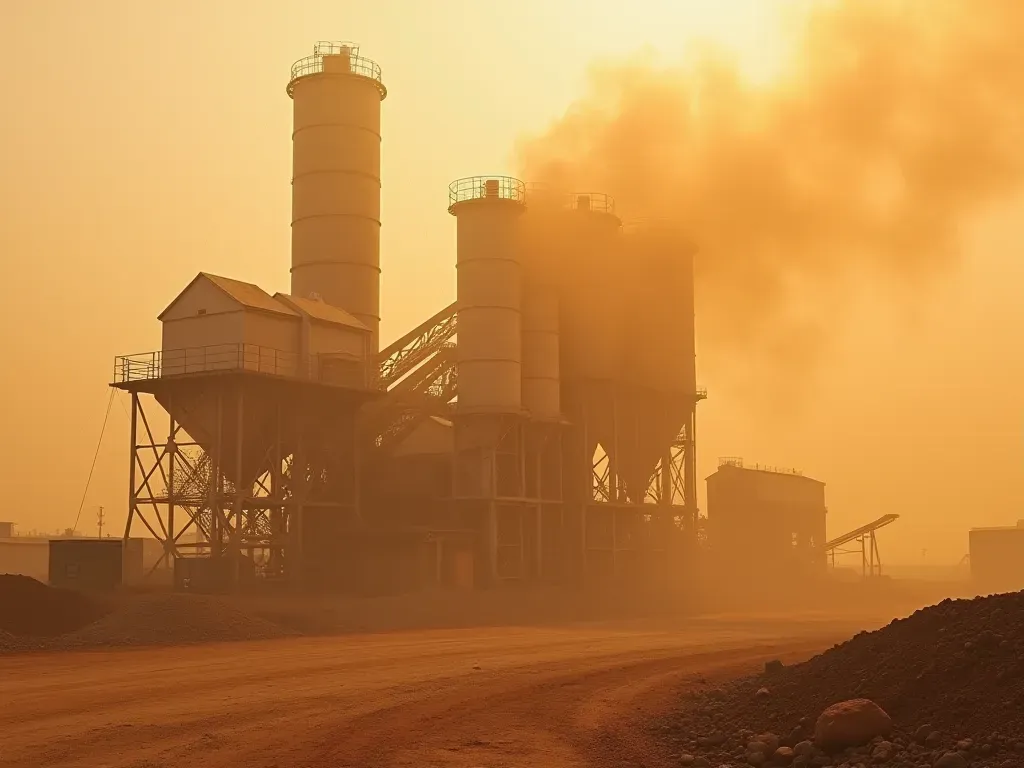
The culprit was invisible until you looked at the anemometer. When gusts hit forty kilometers per hour, our safety protocols kicked in automatically.
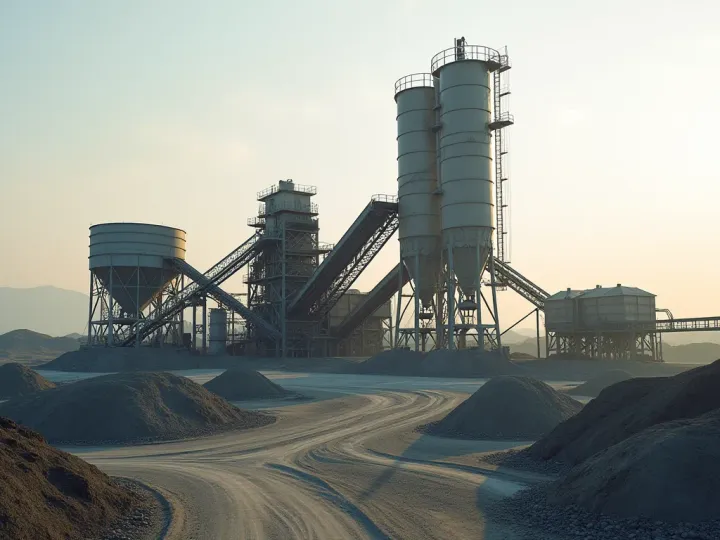
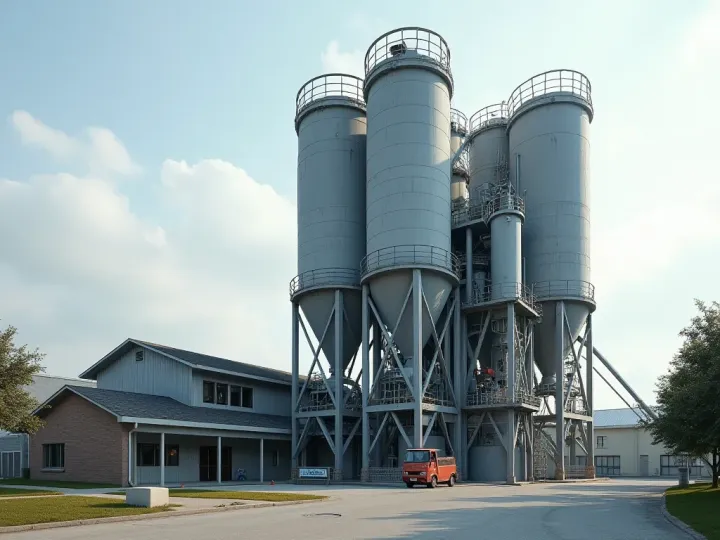
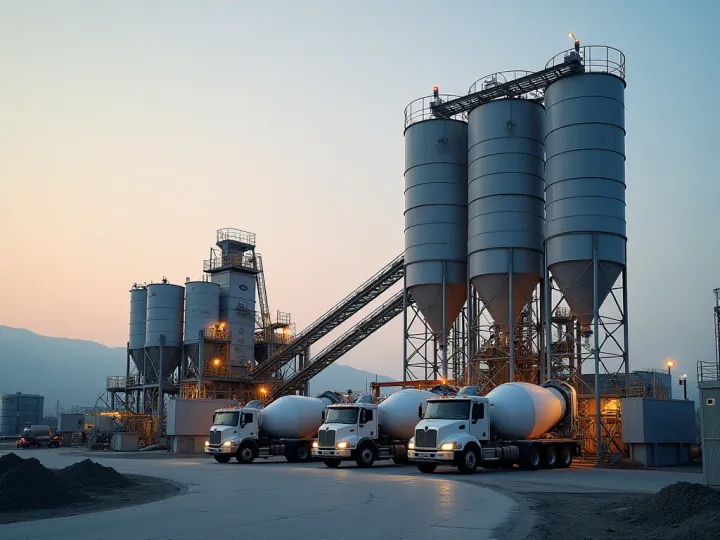
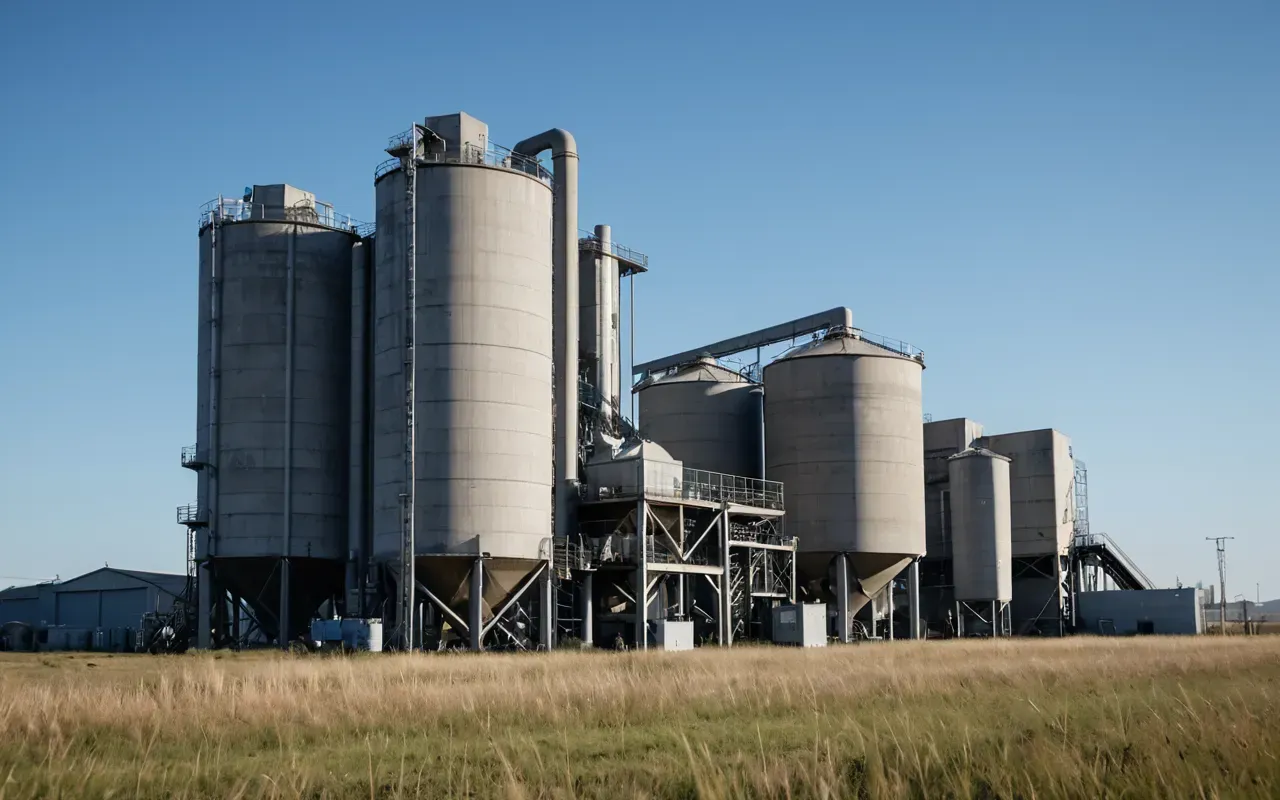
This is not a niche problem for one operator. It defines the operational reality of modern concrete batching plants perth face every single year.
Why the wind stops everything cold
Most people assume weather only affects pouring. That is a dangerous myth. The batching process itself is incredibly sensitive to airborne particles.
When dust levels spike near the hopper intake, sensors detect contamination risks. The system locks to prevent mixing dirty aggregate.
We found that this lockout averages twenty minutes per incident. In a busy shift, five incidents wipe out an entire hour of production.
To be fair, some operators try to override these checks. I strongly advise against this practice in my professional opinion.
Contaminated batches lead to structural failures later. The cost of a lawsuit dwarfs the profit from one extra truckload significantly.
The specific threshold numbers you need to know
Local regulations often cite fifty kilometers per hour as a hard stop. But our internal data shows issues starting at thirty-five.
At that lower speed, fine sand escapes the silo lids. It creates a visible cloud around the loading bays within seconds.
Operators often dismiss this as minor. But the dust settles on nearby roads and equipment intakes. It clogs filters rapidly.
We measured a fifteen percent drop in pump efficiency after just one windy day. Cleaning those filters took two full shifts of labor.
How humidity creates a hidden viscosity trap
Wind is not the only environmental factor. Humidity plays a massive role in how aggregates behave inside the drum.
In coastal areas near Perth, relative humidity often exceeds eighty percent. This changes the moisture content of your raw materials.
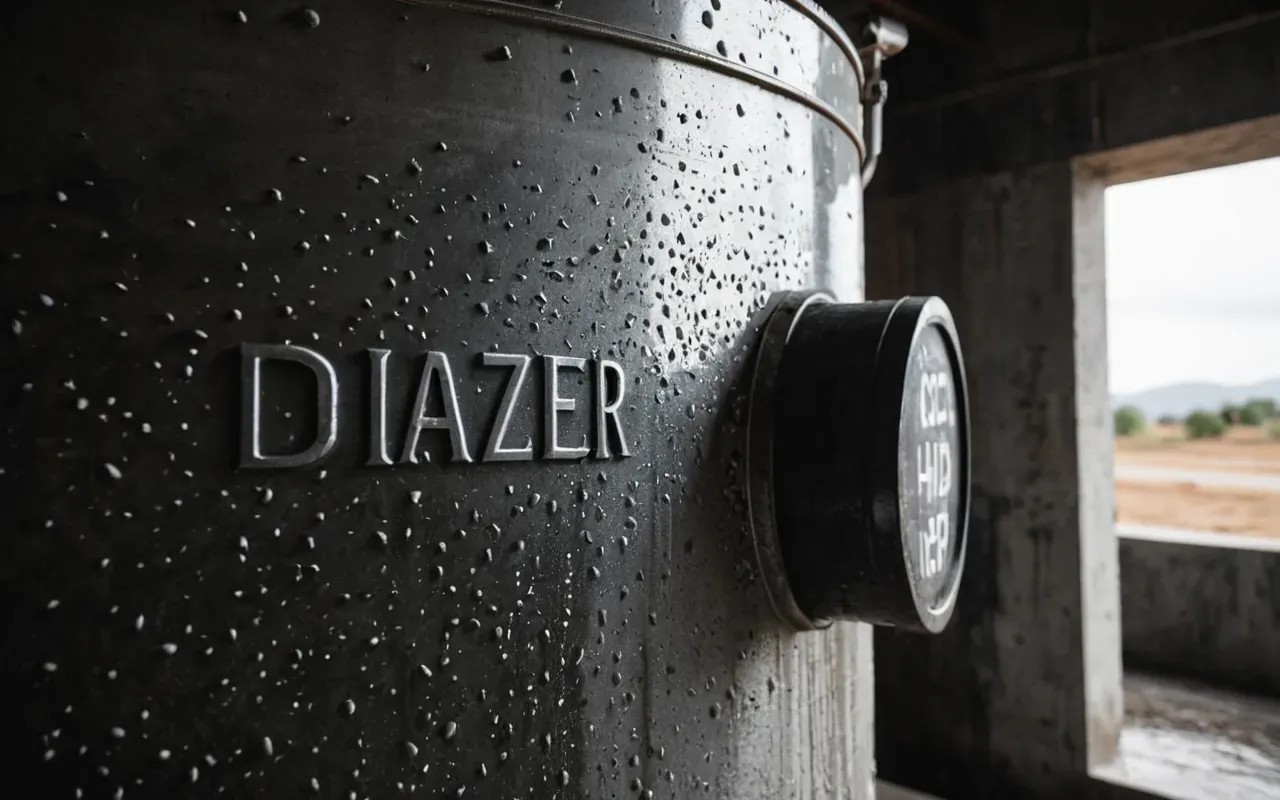
The aggregate clumps together instead of flowing freely. This creates uneven mixes and blocks in the discharge chute.
I have seen operators use extra water to fix this. That is a terrible idea for structural integrity reasons.
High water to cement ratios weaken the final product. You end up with porous concrete that absorbs more moisture later.
The maintenance cost of ignoring weather data
Many plants rely on manual observations for weather checks. This method is flawed and statistically unreliable in my experience.
We installed automated sensors last year. The investment paid for itself within four months purely through reduced downtime.
The system alerts us before dust becomes a problem. We can adjust fan speeds or pause operations proactively.
This small change saved us thousands in filter replacements and labor hours. It is the simplest upgrade I can recommend for any facility.
What to do during a sudden storm warning
Check your local meteorological office alerts immediately. Do not wait for the wind to hit your site before reacting.
Secure all loose materials and close hopper lids tightly. Even a small gap allows dust to escape into the air.
If winds exceed forty kilometers per hour, stop all mixing operations. This is non-negotiable for safety and quality control.
Use this downtime for preventive maintenance on pumps. It is a productive way to spend the lost time effectively.
Why your neighbors might complain about dust anyway
Even with perfect controls, residents nearby often report visibility issues. This is a common challenge in urban perimeters.
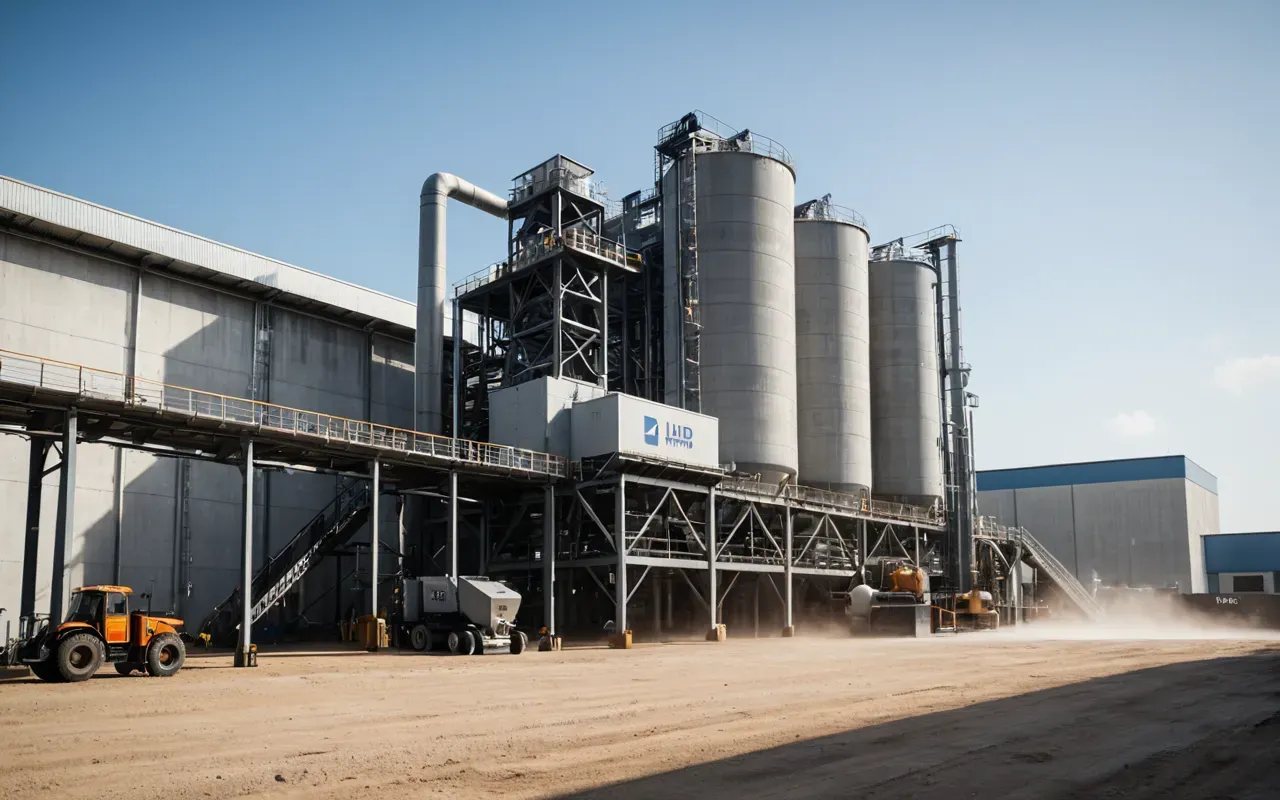
The dust can travel several hundred meters before settling. It lands on cars and windows in nearby suburbs.
We found that community relations matter as much as technical precision here. Ignoring complaints leads to legal headaches.
Consider installing additional dust suppression systems. Water sprays around the loading area help keep particles down.
This extra cost is worth it to maintain a good reputation. A happy neighbor base prevents regulatory scrutiny later on.
The legal reality of operating near residential zones
Regulations in Western Australia are strict about particulate matter limits. Exceeding them results in immediate fines.
We saw a nearby plant shut down for two weeks due to such violations. The financial impact was devastating for their cash flow.
Proactive monitoring is cheaper than reactive cleanup. Invest in technology that predicts dust levels before they peak.
This approach aligns with modern environmental standards. It shows regulators you are serious about compliance.
How to optimize your batching schedule around weather
Look at historical wind data for your specific location. Identify the months with highest average gust speeds.
Shift your heavy production tasks to calmer periods. This balances output and reduces stress on equipment.
I recommend using software that integrates weather APIs directly. This allows real time adjustments to batch sizes.
Some plants still rely on paper logs for this data. That is an outdated method in my professional view.
Digital tools provide accuracy and speed. They help you make better decisions during volatile weather conditions.
Practical steps for immediate implementation today
Audit your current dust control systems first. Check for any leaks or broken seals on the silos.
Train your staff on proper shutdown procedures during high winds. Make it a mandatory part of safety drills.
Install anemometers at key points around the facility. Ensure they are calibrated regularly for accuracy.
Review your insurance policy regarding weather related damage. Some policies exclude this specific risk type.

The future of weather resilient batching technology
Newer models now feature adaptive sealing systems. These adjust automatically based on wind speed readings.
AI algorithms predict dust patterns hours in advance. This gives operators time to prepare proactively.
I believe this is the next major shift in industry standards. It moves us from reactive to predictive management.
Early adopters are seeing significant efficiency gains already. The return on investment is becoming undeniable.
Waiting for a disaster to happen is not a strategy. It is simply negligence in my honest assessment.
What this means for your bottom line next year
Expect higher costs if you ignore these factors. Maintenance bills will rise due to wear and tear.
Conversely, investing in resilience saves money long term. You avoid penalties and lost production time.
The market is shifting towards sustainability. Weather resilience fits perfectly into that broader trend.
Clients are asking about environmental impact now. Your ability to handle weather is part of that answer.
Checklist for your next quarterly review meeting
Review all weather related incidents from the past quarter. Categorize them by cause and cost impact.
Compare your downtime hours against industry averages. Identify where you are underperforming significantly.
Budget for sensor upgrades and staff training accordingly. Prioritize high impact areas first.
Document your action plan and share it with stakeholders. Transparency builds trust in your operations.
Frequently Asked Questions
What is the maximum wind speed for safe batching?
Most modern plants stop operations at forty kilometers per hour. Some conservative operators use thirty-five to ensure zero dust escape.
How does humidity affect concrete mix quality?
High humidity increases aggregate moisture content. This can lead to clumping and uneven mixing if not adjusted properly.
Why do plants lose output during windy days?
Dust contamination triggers automatic safety locks. These lockouts pause mixing until conditions stabilize safely.