MIT just stole a trick from Rome that makes concrete heal itself and cuts emissions by forty percent
The Two Thousand Year Old Mistake That Just Became a Billion Dollar Opportunity
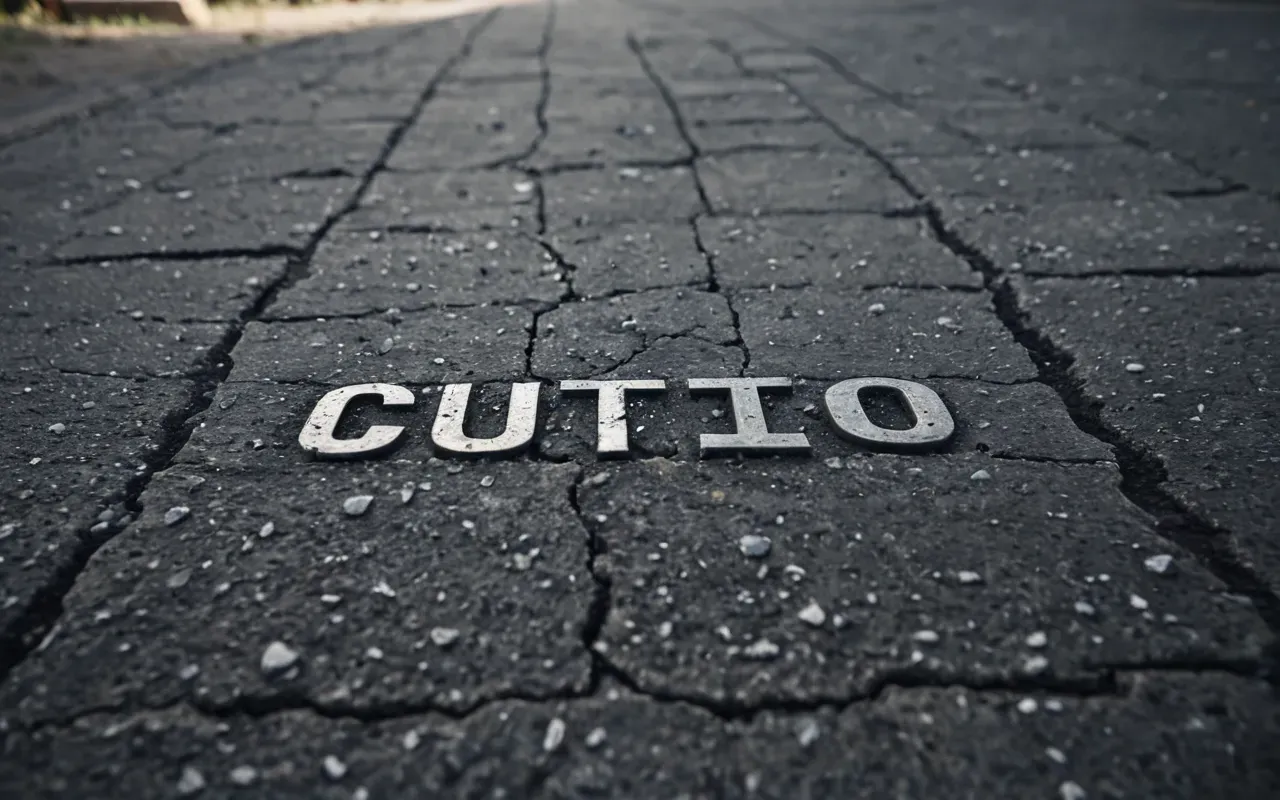
Look at that crack in the sidewalk. You probably walk past it without a second thought. But to an engineer, that hairline fracture is a death sentence for everything standing above it.
Modern concrete fails quietly. It starts with a micro-crack that lets water in. Then rust expands the rebar inside, and before long the whole thing crumbles away.
But two thousand years ago, Roman engineers were pouring mixes that still stand today. No sensors. No chemistry labs. Just raw intuition and a stubborn refusal to cut corners.
They had something weirder. A messy, imprecise mix that actually got stronger as it broke. And now MIT has figured out exactly why.
Why We Ignored The Obvious Solution For So Long
For decades, scientists dismissed those white lumps in Roman ruins as mixing errors. They assumed the ancients were just sloppy with their proportions.
Admir Masic, an MIT associate professor, spent years proving them wrong. He realized those lumps were not mistakes at all.
They were intentional calcium-rich lime clasts. And they are the reason Roman harbors survived centuries of salt water erosion.
When a crack forms in Roman concrete, water seeps in. The calcium dissolves and recrystallizes into new cementite.
It literally seals the wound. Biological self-repair, minus the biology.
The Dmat Additive That Changes Everything For Batching Plants
Masic partnered with Italian entrepreneur Paolo Sabatini to create a commercial version. They call the company Dmat.
The genius here is not just the chemistry. It is the installation. You do not need new equipment.
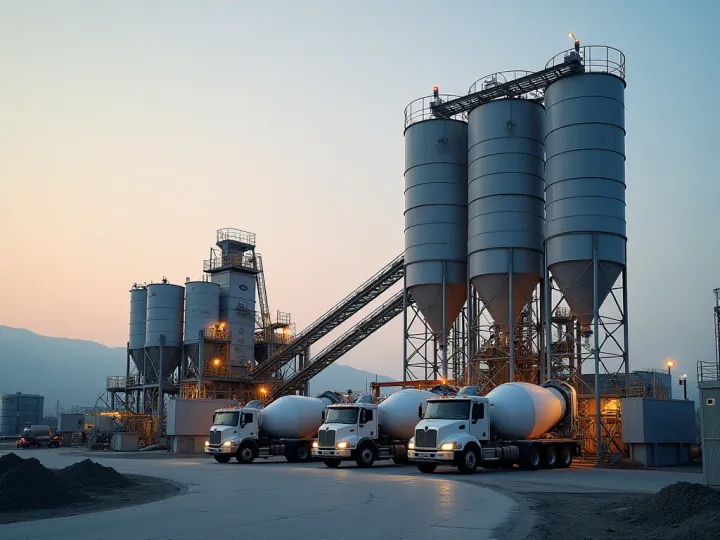
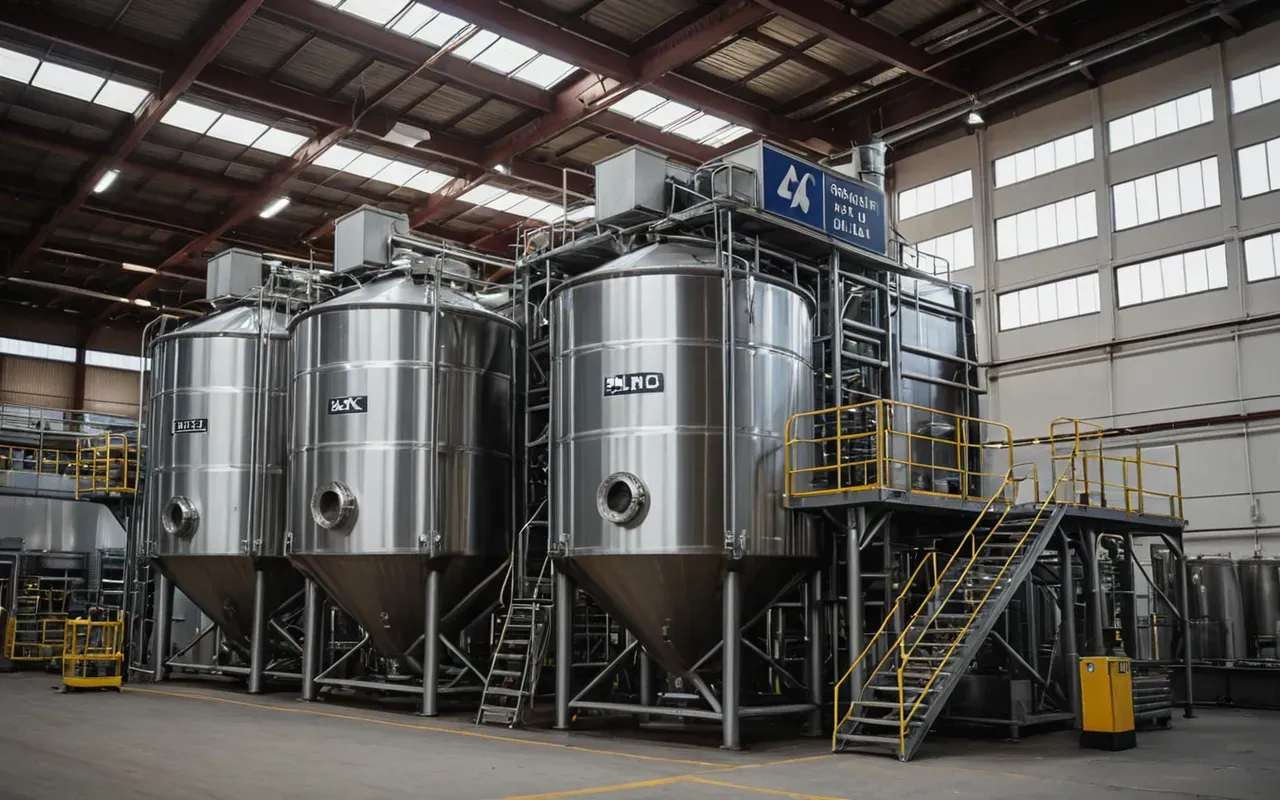
Dmat produces a powder additive that mixes into standard ready-mix concrete. Your existing batching plant handles it just like any other ingredient.
This matters because most self-healing concepts require expensive bacteria or polymer capsules. Those are brittle and notoriously hard to scale.
Dmat is a dry powder. It stores for years. It mixes with water. And it costs less than the cement it partially replaces.
Who Wins And Who Loses When Concrete Starts Healing Itself
The biggest winner is not the homeowner. It is the infrastructure operator who dreads maintenance budgets.
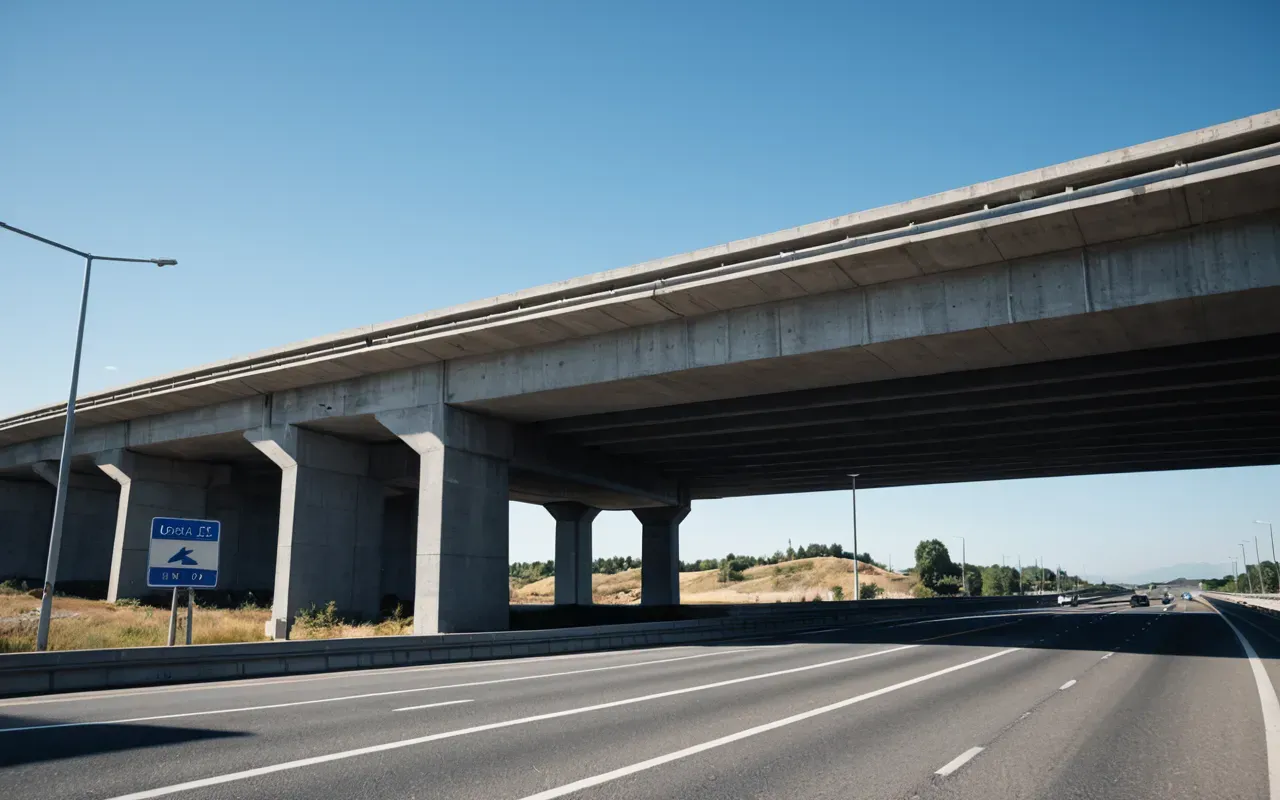
Bridges and tunnels lose billions to corrosion every year. If the concrete seals its own cracks, you cut inspection frequency in half.
This changes the economic math for public works projects. Build once, and it lasts three times longer.
The loser is the repair industry. Companies that make epoxy injection kits and patching compounds will see their market shrink dramatically.
But there is a bigger loser hiding in the shadows. Traditional cement producers who cannot adapt their supply chains will lose market share to agile competitors.
The Carbon Footprint Shock Nobody Is Talking About
Here is the detail that should make every contractor pause. Dmat claims a forty percent drop in CO2 emissions.
That is not a rounding error. Concrete production accounts for eight percent of global carbon output.
If you extend the life of a building from fifty years to one hundred and five, you avoid rebuilding it entirely.
That avoided construction is where the real carbon savings live. The material does less work over a longer period.
Why This Changes More For Batching Plants Than You Think
Most people think of concrete as a commodity. Buy it, pour it, forget about it.
But Dmat turns concrete into a performance product. You are no longer buying weight per cubic yard.
You are buying a guarantee that the material will maintain its integrity for decades without intervention.
This shifts the value proposition from price per ton to total cost of ownership. That is a massive psychological barrier for buyers.
Batching plants that can offer this additive become strategic partners instead of just suppliers. They control the data on longevity.
The Skeptics Will Point To One Critical Flaw
I have been in the construction space long enough to know that new materials rarely survive contact with reality.
The main concern is consistency. Roman concrete varied wildly by region and era.
Dmat claims to have standardized the lime clast size and calcium content. But does it work in cold weather pours?
Does it cure properly at high humidity? These are the questions that will make or break widespread adoption.
To be fair, they are already using it in several infrastructure projects across Europe. That is more than most lab ideas ever achieve.
What This Means For Your Next Project Starting In 2026
If you are planning a major pour in the next twelve months, this is worth investigating.
The additive is available worldwide now. You do not need to wait for regulatory approvals in most regions.
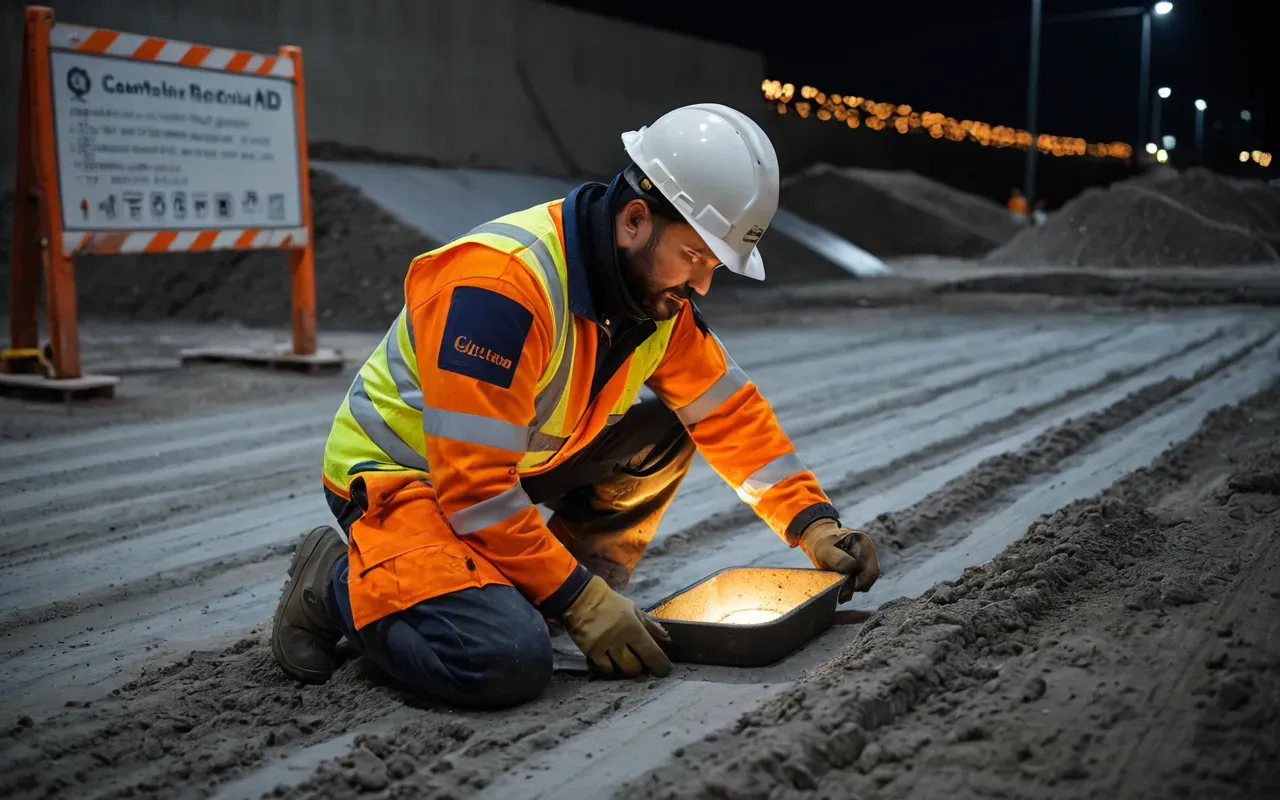
Start by talking to your current ready-mix supplier. Ask if they can source the Dmat powder for a test section.
Run a comparison test. Measure the compressive strength at twenty-eight days and again at one year.
If the numbers hold up, you have a case for using it in your next high-visibility project.
The Bottom Line For Operators And Owners Alike
We keep hearing about sustainable building. Most of it is marketing fluff with a green label.
This is different. It solves two problems at once: durability and carbon reduction.
Roman engineers did not have our technology. They had patience and a deep understanding of chemistry.
MIT is giving us their recipe. The question is whether we will actually use it.
If you want to see how this fits into broader industry shifts, check out why modern concrete fails while ancient Roman mixes secretly repair themselves for the full technical breakdown.
Final Thoughts On The Next Era Of Self Healing Infrastructure
I was struck by how simple the solution actually is. No nanobots. No exotic polymers.
Just calcium and time. The Romans knew this two thousand years ago.
We spent the last century trying to outsmart them with additives and accelerators.
Now we are going back to the basics. And it might just save us all from a carbon crisis.
The future of concrete is not about making it stronger. It is about making it smarter.
And for once, the ancients had the right answer all along. We just needed a microscope to see it.