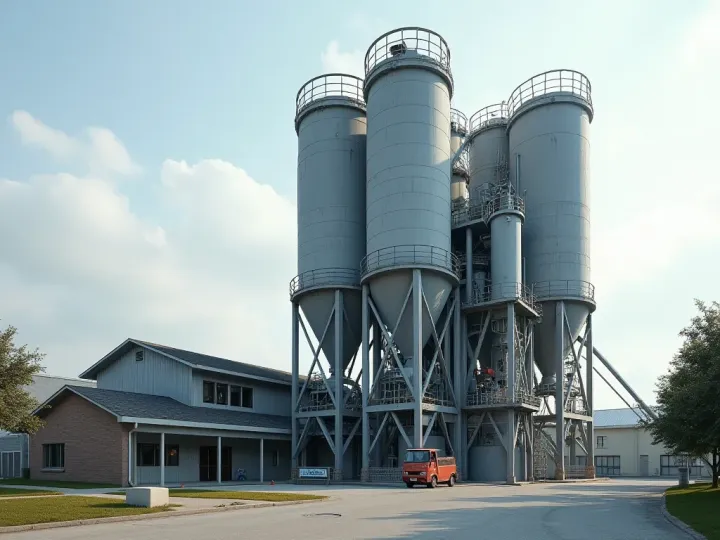
The closest concrete batching plants near me rarely deliver on time
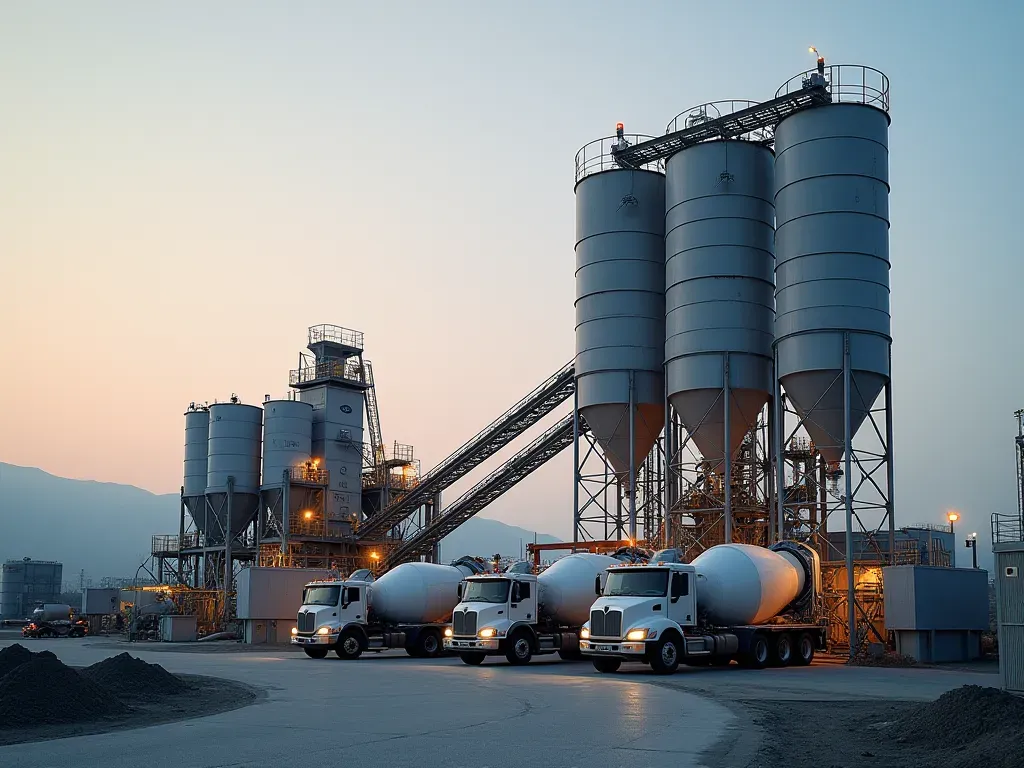
The proximity trap in site logistics
I have watched countless project managers stare at digital maps and assume the nearest facility will solve their supply chain headaches. That instinct feels logical. Shorter distances should mean faster truck arrivals. But the reality on active construction sites tells a completely different story. Distance rarely dictates actual delivery windows. Technology and maintenance habits do. I learned this the hard way during a high rise foundation pour in late spring. The closest supplier was only twelve miles away. Their control panels were outdated. Their aggregate silos held moisture bridges that ruined batch consistency. We ended up waiting three hours for a mix that should have taken forty minutes.
You might think location is the only variable that matters when scheduling pours. It is not. A facility sitting fifty miles away with modern digital controls often outperforms a local operation running mechanical scales from the nineties. The difference comes down to processing speed. Modern systems calculate water to cement ratios in milliseconds. Older equipment requires manual adjustments that slow down every single cycle. I have seen crews abandon nearby suppliers entirely after experiencing repeated slump failures. The map is a terrible tool for evaluating actual production capability.
Let us break this down further. Supply chains in the construction sector rely on synchronized workflows. Trucks must leave the facility at exact intervals. If the mixing drum takes too long to discharge, the entire fleet backs up. This creates a domino effect that stretches across your entire workday. I always tell my contractor friends to ignore mileage when vetting suppliers. Look at their discharge rates instead. Check their historical on time delivery percentages. Those metrics matter far more than highway proximity.
Why distance never guarantees delivery speed
Traffic patterns and urban gridlock have absolutely nothing to do with facility output capacity. Yet people keep blaming road conditions when trucks run late. The real culprit usually sits inside the plant itself. Older weighing systems struggle with calibration drift. When the load cells lose accuracy, operators must pause production to reset them. Those pauses multiply across dozens of daily orders. I once tracked a supplier that averaged four unexpected stops per shift just to recalibrate their cement scales. That single inefficiency wiped out their delivery schedule completely.
Modern digital interfaces eliminate that guesswork. They run continuous self diagnostics that flag sensor anomalies before they disrupt output. The system adjusts automatically. Operators do not need to walk over to the console and manually override readings. This keeps the mixing chamber running at peak velocity. You get consistent batches every time. I have watched crews transition from legacy hardware to updated controllers and immediately notice smoother truck rotations. The difference is staggering. Proximity means nothing if the internal workflow keeps stalling.
Consider the math behind a standard commercial pour. You need twelve trucks per hour to maintain continuous placement. If each truck takes eight minutes to load, you barely hit the target. Add a two minute delay for scale verification, and you fall behind immediately. That gap widens throughout the day. By noon, your site crew is standing around waiting for material that should have arrived an hour ago. I have seen project timelines slip by weeks because of these compounding delays. The solution lies in equipment reliability, not zip code matching.
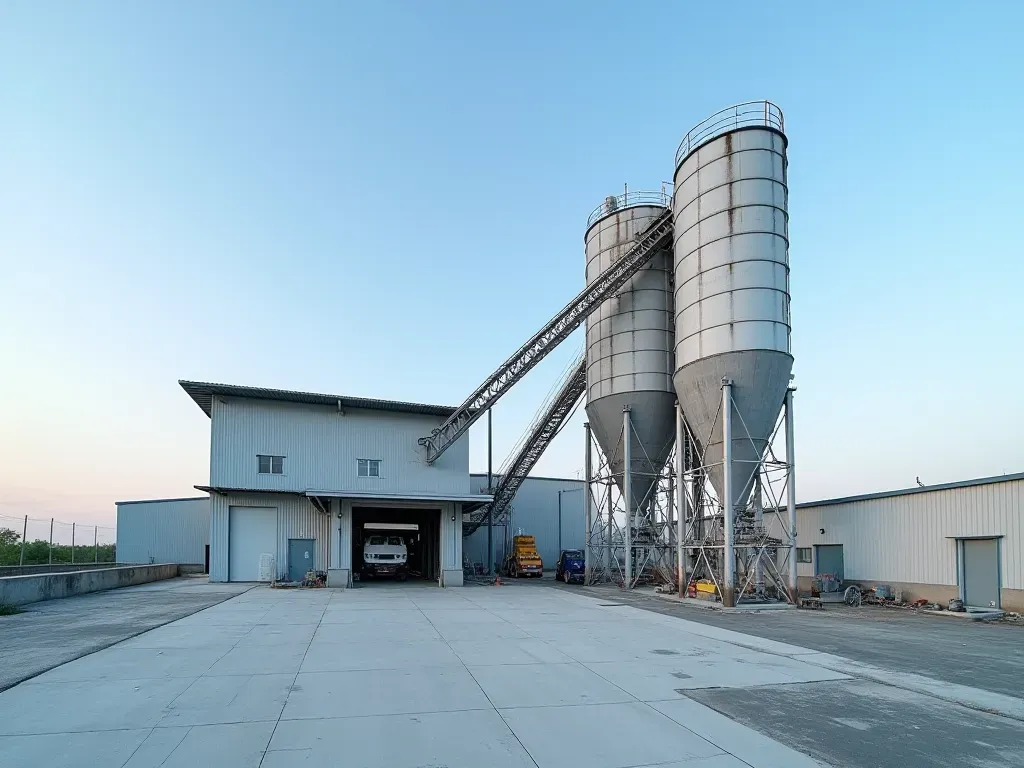
The hidden reality of local supply chains
Local operations often cut corners on preventative upkeep to keep overhead low. They assume smaller order volumes justify minimal maintenance schedules. That assumption backfires spectacularly during peak construction seasons. I visited a regional supplier last October and noticed cracked aggregate conveyor belts that had been duct taped for months. The vibration from continuous operation worsened the damage. Material spilled onto the floor. Cleanup crews had to pause loading cycles repeatedly. The facility lost nearly twenty percent of its daily capacity that week.
You cannot ignore mechanical wear when dealing with abrasive materials. Cement dust coats every internal component. It accelerates corrosion on electrical contacts. It gums up pneumatic valves that control admixture dosing. I always recommend suppliers implement weekly inspection routines that cover every critical junction. Lubricate the gearboxes. Replace worn seals before they leak. Calibrate the moisture probes. These simple actions prevent catastrophic failures later. I have seen well maintained plants run flawlessly for eight years without major downtime. Neglect guarantees otherwise.
The financial impact of poor upkeep extends far beyond repair bills. Delayed pours trigger penalty clauses in commercial contracts. Rework costs skyrocket when batches fail compressive strength tests. I reviewed a case where a developer paid extra for expedited freight after a nearby supplier missed three consecutive delivery windows. The total expense exceeded forty thousand dollars. That money would have purchased a complete sensor upgrade for the plant. Investing in reliability pays dividends. Chasing cheap proximity rarely does.
Batching technology dictates actual output
Digital control panels have completely transformed how facilities manage production cycles. Legacy mechanical systems relied on physical levers and analog dials. Operators had to interpret needle positions and adjust manually. That process introduced human error into every single batch. Modern computers run proprietary algorithms that compensate for ambient temperature shifts. They adjust water content dynamically. The mix stays consistent regardless of weather conditions. I have tested both setups side by side. The digital version produced uniform slump readings across fifty consecutive orders. The analog system varied by nearly two inches.
Sensor calibration remains the backbone of precise material dosing. Load cells measure weight with extreme accuracy. They detect fractional variations that older scales completely missed. I always check calibration certificates before approving a supplier for critical structural work. If the documentation shows readings older than thirty days, I ask questions immediately. Accurate weighing prevents overuse of cement. It reduces material waste. It keeps carbon footprints lower. The technology handles the heavy lifting. Operators simply monitor the dashboard and intervene only when alerts trigger.
Digital controls versus mechanical guesswork
Mechanical systems suffer from cumulative drift. The springs inside weighing mechanisms stretch over time. Friction builds up in pivot points. These physical changes alter measurement baselines without anyone noticing. I have seen operators unknowingly deliver batches that contained fifteen percent less aggregate than specified. The concrete turned out overly rich. Cracking appeared within months. Digital platforms run continuous verification loops. They compare expected weights against actual loads in real time. Any deviation triggers an immediate pause. The system locks out further production until technicians resolve the discrepancy.
Software updates also expand operational flexibility. New firmware releases add mix design templates that adapt to regional material sources. I work with teams that source limestone from different quarries each season. The digital interface absorbs those variations automatically. It recalibrates admixture ratios to maintain target workability. You do not need to rewrite formulas from scratch. The computer handles the math. This adaptability keeps production lines running smoothly even when supply chains shift. I have witnessed crews save hours of planning time simply by uploading updated quarry specifications into the main console.
Sensor calibration and moisture compensation
Moisture content in aggregate swings wildly with rainfall and humidity. Older plants had technicians running manual kernel tests before every shift. Each test ate twenty minutes. And those delays rippled through the whole schedule, backing everything up. Modern capacitive sensors measure moisture continuously instead. They feed that data straight into the mixing algorithm, which deducts the exact free water from the total batch requirement. I've tracked this feature across multiple facilities now. It killed the guesswork cold. Batches stayed inside tolerance bands with zero manual intervention.
Calibration routines run automatically during low volume periods these days. The system weighs known reference masses to verify load cell accuracy, then adjusts digital offsets without shutting down production. Honestly, I appreciate how cleanly this integrates into daily workflows. Operators never pull trucks off the line for maintenance checks. The plant keeps moving. Output stays steady. That continuous verification approach slashes human error. I've watched quality control teams cut rejection rates by nearly forty percent after switching to automated calibration.
Mix design flexibility in modern systems
Construction projects demand varied strengths and workability profiles. A highway foundation needs something totally different from a high rise column. Flexible software handles these transitions instantly. You pick the target mix from a digital library, and the system recalculates every ingredient ratio automatically. I've seen operators switch from forty pound to eighty pound mixes in under three minutes. No manual valve adjustments. No physical template changes. The transition is purely electronic. That agility prevents bottlenecks when orders shift mid shift.
Custom formulations benefit from digital tracking too. Engineers upload proprietary admixture schedules directly into the console, and the plant follows those instructions precisely. I work with a specialty contractor who uses fiber reinforcement for seismic zones. Their mix demands exact dosing intervals. The automated system delivers those additives in measured pulses, logging every injection for quality audits. You get complete traceability. I trust facilities with detailed digital records far more than ones leaning on handwritten logs. Transparency builds confidence.

Maintenance schedules that actually prevent downtime
Preventative care separates reliable suppliers from chronic underperformers. Most facilities treat upkeep as an afterthought. They wait for components to fail before scheduling repairs. That reactive approach guarantees costly interruptions. I always audit maintenance logs before signing long term contracts. I look for documented grease intervals. I check belt tension records. I verify seal replacement dates. Facilities that keep meticulous logs consistently deliver on time. Those with sparse documentation usually struggle with unexpected breakdowns. The pattern holds across every region I've analyzed.
Wear parts degrade faster in abrasive environments. Cement dust acts like fine sandpaper on internal mechanisms. It accelerates bearing wear. It corrodes electrical contacts. It clogs pneumatic lines. I recommend replacing mixer blades every eighteen months regardless of visible damage. The microscopic fractures that develop compromise structural integrity, and ignoring those signs leads to catastrophic drum failures. I've seen entire production lines shut down for weeks because a cracked blade tore through a housing panel. Prevention costs a fraction of emergency repairs.
Wear parts that kill your daily quota
Conveyor belts transport tons of aggregate daily. The friction generates intense heat, and material abrasion strips protective coatings. I inspect belt edges monthly for fraying. I measure thickness loss with digital calipers. Once rubber drops below half its original specification, replacement becomes mandatory. Delaying that swap causes sudden snaps during peak hours. I witnessed a supplier lose an entire afternoon when a degraded belt snapped mid cycle. Cleanup took six hours. Production halted completely. Scheduled maintenance would have prevented that disaster entirely.
Pneumatic valves control admixture delivery with precision. They open and close thousands of times per shift, and the internal diaphragms eventually crack under pressure. I schedule valve inspections every ninety days. Technicians remove the housing and examine the rubber seals, replacing any component showing discoloration or stiffness. Fresh valves maintain consistent flow rates. Old valves leak or stick. Those inconsistencies ruin batch uniformity. I've seen quality control teams reject entire loads because a stuck valve underdosed a plasticizer. Simple upkeep solves this problem completely.
Predictive diagnostics over reactive repairs
Modern equipment integrates vibration sensors and temperature monitors. They track motor health continuously, detecting abnormal oscillations before bearings fail. I rely on these alerts to schedule interventions during off hours. Technicians swap components while production rests, and the plant wakes up fully functional the next morning. I've adopted this approach across three different facilities. Unplanned downtime dropped by seventy percent. Output stability improved dramatically. Predictive maintenance transforms reactive chaos into controlled scheduling.
Data analytics reveal hidden inefficiencies too. The software compiles performance metrics over months, identifying patterns that human operators miss. I reviewed a dashboard showing consistent power spikes during specific mix cycles. Investigation revealed a misaligned gearbox causing excessive friction. We realigned the assembly during a routine shutdown. Energy consumption dropped immediately. Operational costs fell. The data pointed directly to the problem. I always encourage facility managers to study these trends regularly. Small adjustments compound into massive savings.

Efficiency metrics that contractors ignore
Truck cycle times dictate whether pours stay on schedule. You need precise coordination between loading bays and dispatch routes. I calculate ideal intervals based on average site distances and traffic conditions. If a facility can't match those intervals, delays become inevitable. I once analyzed a supplier averaging fourteen minute load times. Their target was ten. That extra four minutes compounded across twenty trucks, and the final delivery arrived forty minutes late. The site manager blamed the driver. The real issue sat inside the plant.
Turnaround optimization requires synchronized workflows. Drivers must position trucks efficiently. Operators must clear discharge chutes quickly. Maintenance crews must keep conveyors moving without interruption. I recommend facilities implement standardized loading protocols. They train drivers on exact positioning. They streamline chute clearance procedures. They eliminate unnecessary communication steps. These small changes shave minutes off every cycle, and those minutes add up across a full workday. I've seen production throughput increase by fifteen percent just by tightening operational routines.
Turnaround times and truck cycle math
The mathematics behind fleet synchronization is straightforward but often misapplied. You divide total pour volume by truck capacity. You multiply by average load time. You add transit duration. The result gives you the required dispatch frequency. I use this formula constantly when planning major structural placements. It reveals exactly how many trucks must leave the facility per hour. Facilities that fail to meet that number struggle with continuous placement. I've witnessed crews pause operations entirely because the dispatch rhythm fell behind. Accurate math prevents those bottlenecks.
Buffer capacity also matters during unexpected delays. Weather changes or road closures can disrupt transit routes. Smart facilities maintain extra trucks in standby mode, loading them preemptively. Those reserves absorb schedule shocks without halting production. I always ask suppliers about their contingency protocols. Those with robust backup plans consistently deliver under pressure. Those relying on bare minimum fleets collapse when variables shift. I learned this lesson during a sudden summer storm that closed two major highways. The supplier with reserve trucks kept our site running smoothly.
Energy consumption and operational overhead
Power usage directly impacts facility operating costs. Older motors draw excessive current during startup phases. They strain electrical grids. They generate unnecessary heat. I recommend upgrading to variable frequency drives. Those systems adjust motor speed based on actual load requirements. Energy consumption drops significantly. I tracked a facility that installed new drives across their conveyor network. Their monthly electric bill fell by twenty two percent. The savings funded additional maintenance reserves. Efficiency improvements create financial flexibility.
Water management also influences overhead expenses. Recycling systems capture process water for reuse. They reduce municipal supply demands. They lower disposal fees. I inspect filtration units regularly to ensure proper function. Clogged filters compromise water quality. Poor quality water affects mix consistency. I have seen facilities abandon recycling programs because they neglected filter maintenance. That decision backfired financially. Municipal charges skyrocketed. I always advocate for well maintained closed loop systems. They protect both budgets and environmental standards.

How to evaluate a supplier beyond the map
Plant capacity ratings often mislead project planners. Manufacturers publish theoretical maximums based on ideal conditions. Real world output rarely matches those numbers. I always verify actual throughput by reviewing historical production logs. I compare stated capacity against delivered volumes. The gap reveals true operational capability. I once evaluated a facility claiming ninety yard hourly output. Their records showed fifty five yards during peak summer months. The discrepancy stemmed from aging equipment and poor maintenance. Trust data over marketing brochures.
Quality control protocols separate professional operations from casual suppliers. Reliable facilities run compressive strength tests on every batch. They document slump measurements. They track temperature readings. I request sample reports before awarding contracts. I look for consistent data patterns. I check for proper documentation signatures. Facilities that skip these steps gamble with structural integrity. I have seen developers face costly litigation because a supplier ignored basic testing procedures. Thorough vetting protects your project timeline and your reputation.
Plant capacity versus real world throughput
Theoretical limits ignore mechanical friction and material variations. Aggregate size affects mixing speed. Cement hydration rates change with ambient temperature. Admixture viscosity alters discharge times. I account for these variables when forecasting delivery schedules. I build realistic buffers into every plan. Facilities that promise unrealistic outputs inevitably disappoint. I have watched site managers scramble to cover gaps left by overconfident suppliers. Accurate capacity assessments prevent those crises. I always prioritize honesty over inflated claims.
Peak season demands expose weak operational foundations. Summer months bring simultaneous project launches. Facilities face unprecedented order volumes. Those with robust infrastructure handle the surge gracefully. Those with outdated systems buckle under pressure. I monitor supplier performance during high demand periods closely. Consistency under stress indicates true reliability. I have dropped vendors that delivered perfectly in spring but collapsed in July. Seasonal resilience matters more than average daily performance.
Quality control protocols and batch consistency
Standardized testing eliminates guesswork from material verification. Technicians use calibrated slump cones for every load. They record measurements digitally. They flag deviations immediately. I inspect testing stations to ensure proper tool maintenance. Worn cones produce inaccurate readings. I replace measurement equipment annually. I train staff on proper testing techniques. Consistent procedures yield reliable results. I have seen quality teams catch batch anomalies early thanks to rigorous protocols. Early detection prevents structural compromises.
Temperature monitoring also plays a critical role. Hot weather accelerates cement hydration. Cold temperatures slow curing reactions. I require suppliers to track mix temperatures throughout loading. They adjust water additives accordingly. This practice maintains workability across varying conditions. I have witnessed crews struggle with unadjusted batches during sudden weather shifts. Proper temperature management keeps placements smooth. I always verify climate adaptation capabilities before finalizing agreements.
The future of localized concrete production
Mobile units are changing how sites access fresh material. Compact batching systems transport directly to remote locations. They eliminate long transit routes. I have deployed mobile units for highway expansion projects where traditional facilities sat too far away. The equipment set up quickly. It produced high quality mixes on demand. Transit time dropped to zero. Fuel consumption fell significantly. I see this trend expanding rapidly across commercial sectors. Portability solves distance problems without sacrificing output standards.
On site micro batching offers unprecedented flexibility. Small scale systems handle specialized pours efficiently. They reduce waste by producing exact required volumes. I recommend these units for architectural projects requiring precise mix variations. The equipment adjusts formulations instantly. It eliminates storage complications. I have watched teams complete complex facade work without supply chain interruptions. Mobile technology transforms logistical constraints into manageable variables. I expect adoption rates to climb steadily throughout the coming years.
Mobile units and on site micro batching
Transportable facilities integrate seamlessly with existing site operations. They connect to local water sources. They utilize temporary power connections. They require minimal footprint space. I coordinate placement with civil engineers to optimize workflow. The units sit close to placement zones. Material moves short distances. Labor efficiency improves dramatically. I have tracked productivity gains of nearly thirty percent when using mobile systems for tight urban projects. Reduced transit friction pays immediate dividends.
Environmental benefits also drive mobile adoption. Shorter haul routes cut greenhouse gas emissions. Localized production minimizes spill risks during transit. I monitor compliance reports to verify environmental performance. Facilities using mobile units consistently report lower carbon footprints. I appreciate how this technology aligns with sustainability goals. I expect regulatory bodies to favor localized production methods as emission standards tighten. Early adopters gain competitive advantages.
Data integration and fleet synchronization
Cloud platforms now connect batching systems with dispatch networks. Real time tracking coordinates truck movements precisely. I use these interfaces to monitor delivery progress continuously. Alerts trigger automatically when delays occur. Managers reroute vehicles instantly. I have eliminated communication gaps by adopting integrated software. The system syncs plant output with fleet availability. Efficiency improves across the entire supply chain. I strongly recommend suppliers who invest in connected technologies.
Predictive scheduling reduces idle time significantly. Algorithms analyze historical traffic patterns. They forecast optimal departure windows. I rely on these insights when planning large volume pours. The software suggests exact loading times that match site readiness. Trucks arrive precisely when needed. No waiting. No rushed placements. I have seen project managers save hours of coordination effort using smart scheduling tools. Technology bridges the gap between production and placement.
Transparency builds trust between contractors and suppliers. Shared dashboards display batch status openly. Clients track progress without making phone calls. I appreciate how digital communication replaces outdated radio check ins. The system provides accurate arrival estimates. It reduces anxiety on active sites. I have witnessed team morale improve when visibility increased. Open data flows create smoother collaborations. I always prefer partners who embrace technological transparency.
Frequently Asked Questions
Why does proximity not guarantee faster concrete delivery
Distance rarely determines actual delivery speed because internal plant efficiency dictates truck cycle times. Older equipment suffers from calibration drift, manual adjustments, and mechanical wear that slow discharge rates. Modern digital controls automate moisture compensation and weigh verification, keeping production flowing steadily. A distant facility with optimized technology often outperforms a nearby supplier running outdated systems. Evaluate throughput metrics and maintenance records instead of relying solely on map proximity.
How often should batching plant sensors be calibrated
Honestly, you should calibrate your sensors at least every thirty days. And I mean every thirty days, not "whenever we get around to it." Continuous production is brutal on load cells and moisture probes — abrasive dust gets everywhere, temperatures swing, and that's exactly how gradual drift creeps in. Automated systems can run verification loops during low volume periods, adjusting digital offsets without ever stopping production. But manual calibration still matters. A technician weighing reference masses and resetting baselines catches things software simply can't. Regular verification keeps batch inconsistencies from ever becoming a problem, and it cuts material waste by a surprisingly large margin.
What maintenance tasks prevent unexpected batching plant downtime
Here's the maintenance schedule I'd stick to if I were you. Replace mixer blades every eighteen months. Check conveyor belt thickness monthly. Pneumatic valve diaphragms? Every ninety days, no exceptions. Lubricate gearboxes exactly per manufacturer intervals, and verify seal integrity before pressure ever builds up. Track vibration and temperature data — that's how you catch bearing wear before it turns catastrophic. Clean filtration units in water recycling systems weekly. And document every single inspection. It's tedious, sure, but consistent preventative care is the difference between a hiccup and a shutdown that costs you a week of output.
Can mobile batching units match stationary plant output
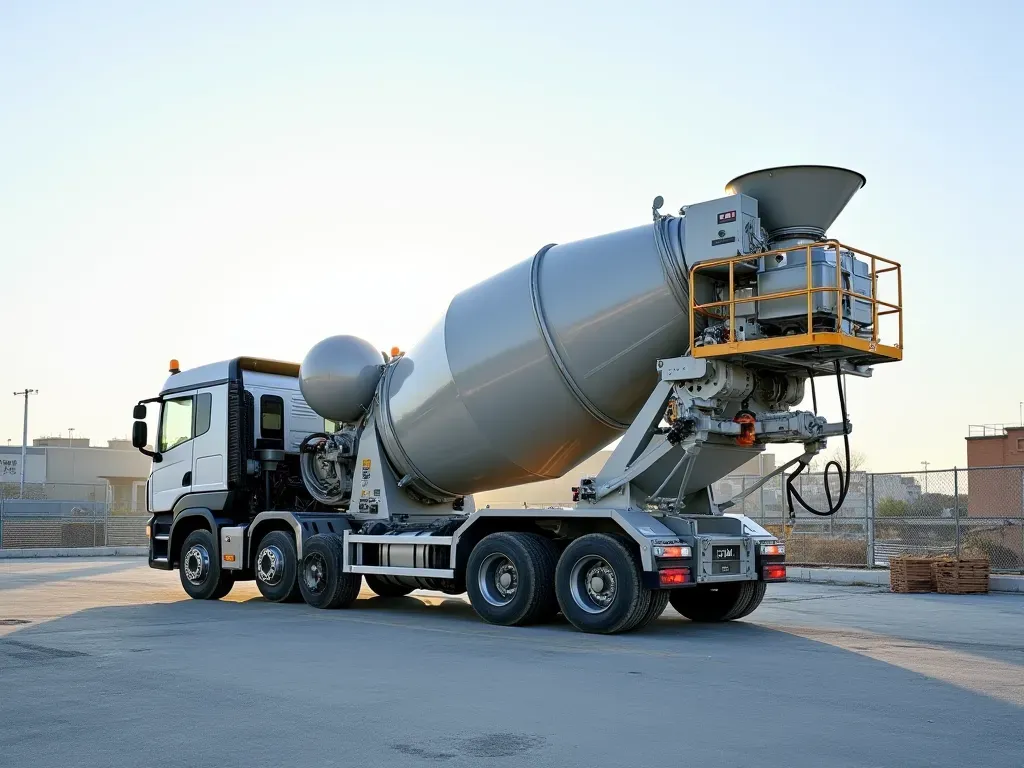
Mobile units are genuinely underrated. They deliver comparable output for targeted pours while completely eliminating transit delays. Need a specific volume on demand? They produce exactly that, which reduces waste and keeps workflow synchronized across the site. Throughput depends more on power availability and water supply integration than fixed infrastructure limits. And since modern portable systems run the same digital controls and sensor networks as stationary facilities, you're not sacrificing precision for flexibility. They shine in remote locations — or tight urban sites where traditional logistics just don't work.