Why a concrete plant next to your school might actually be legal in Texas
The Permit That Survived The Protest
Jessica Koch held up a photo for the crowd. Her four-year-old daughter had blood smeared across her face. The nosebleed had started during recess.
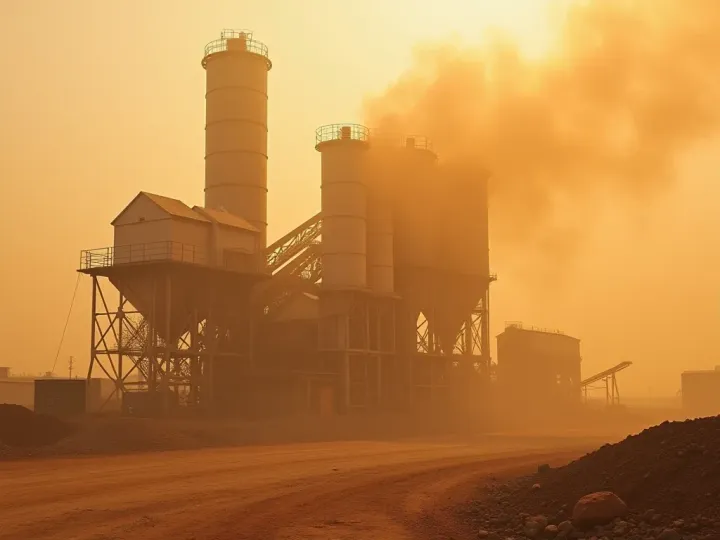
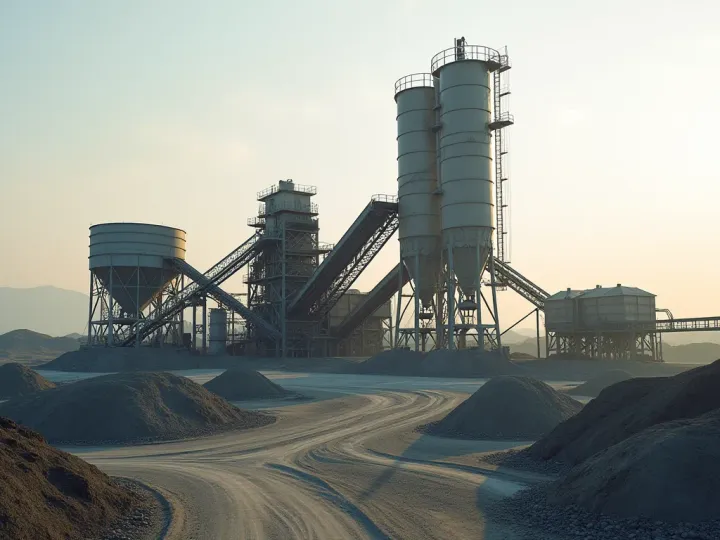
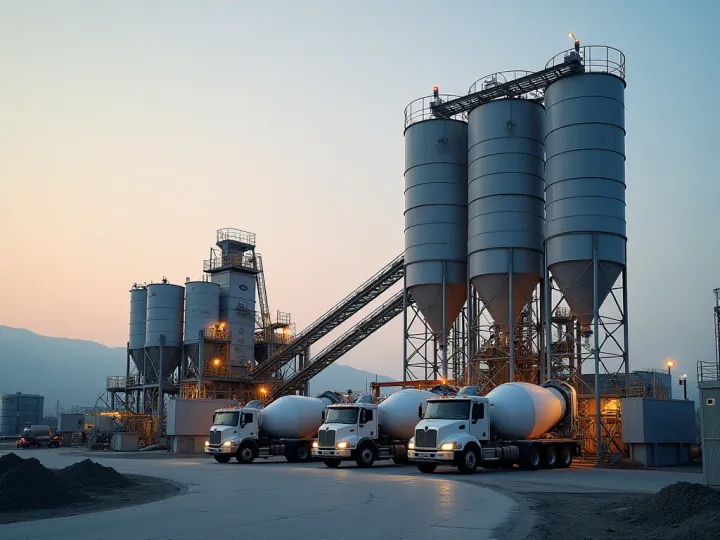
It was late August in Houston. A temporary concrete batch plant had just set up shop on a TxDOT property right next to Awty International School.
Parents took the day off work. Doctors and lawyers stood shoulder to shoulder with them. They lined up across the street from TCEQ headquarters.
Their demand was simple: shut the plant down. They pointed at the yellow machinery sitting within five hundred feet of the playground where their kids spent their mornings.
But TCEQ said the permit was valid. The agency pointed to state setback rules and called them protective of public health.
Here's the angle nobody talks about. The law fully allows this setup, even when it feels unconscionable.
The Two-Year Rule That Saved The Permit
The parents were blindsided. They never got a chance to comment on the permit application at all.
TCEQ spokesman Richard Richter explained why. The site had housed a batch plant within the last two years.
That rule skips public hearings entirely. If a site was used recently, community input isn't required. Period.
Lawyers for Clean Air for Kids pushed back. They argued the previous permit covered a single project that wrapped up in May 2020.
Richter disagreed. He said the air permit renewal doesn't mean the TxDOT project was actually complete.
This is a classic regulatory gray area. The letter of the law protects the company, not the community.
Who Wins In This Legal Battle
Webber Construction landed the initial permit. They rank among the largest builders in the country.
They say they comply with all regulations. A spokesperson told us they aim to minimize disruption to neighbors.
The parents lost the public hearing. They can't stop the plant from operating legally now.
The Health Risk No One Can Ignore
Fine particle pollution triggers respiratory diseases. It also raises the risk of pediatric nosebleeds, which is exactly what those kids were experiencing.
The dust contains crystalline silica. TCEQ itself confirms this can create an occupational hazard.
Luis Chug is a pulmonologist and a parent. He sees lifelong respiratory problems in young patients.
Early exposure, he says, leads to lasting damage. This isn't theoretical. It's happening.
Why Modern Equipment Still Creates Dust
Concrete batching plants mix wet and dry ingredients on site. The process releases fine powder into the surrounding air.
Techniques like watering the ground can reduce dust. But compliance varies wildly from one operator to the next.
TCEQ did issue violations for failing to keep records of pollution control mechanisms.
The Zoning Gap In Houston Construction
Houston has no city zoning rules for these plants. So they often end up near residential areas, sometimes a stone's throw from homes.
Harris County is home to over one hundred batch plants. Many of them are temporary, just like Webber's.
A 2023 study found these plants are disproportionately placed in low-income and minority neighborhoods.
That creates a pattern of unequal exposure. The community ends up bearing the cost of construction while others enjoy the benefits.
What This Means For Construction Efficiency
Protests have disrupted operations. Webber continues to operate despite the backlash.
Regulators maintain that compliance ensures safety. But parents can see visible dust settled on the school gates.
The Awty School installed air filters and monitoring equipment. They now track dust levels in real time.
But that's a reactive measure. It protects students only after exposure has already begun.
The Real Cost Of Regulatory Loopholes
Compliance doesn't equal safety. The law permits risks that feel unacceptable to the families living with them daily.
Parents like Dan Lucas moved their children away entirely. His daughter cried, refusing to breathe the dust.
That's a human cost regulations simply don't account for. The legal permit wins out over a child's fear.
The industry argues silica levels are generally safe. But the visual evidence tells a different story.
How To Challenge A Permit Legally
You can file a motion with the state agency if you want to try. You must argue that the paperwork was inaccurate.
You can also claim the site didn't meet the two-year activity requirement for the exemption.
But success is rare. Agencies almost never overturn valid permits without clear, documented violations.